

Probiotics are living microorganisms that make up a healthy gut microbiome and support overall health. Here is a complete guide to probiotics: what they are, their health benefits, and the best sources.
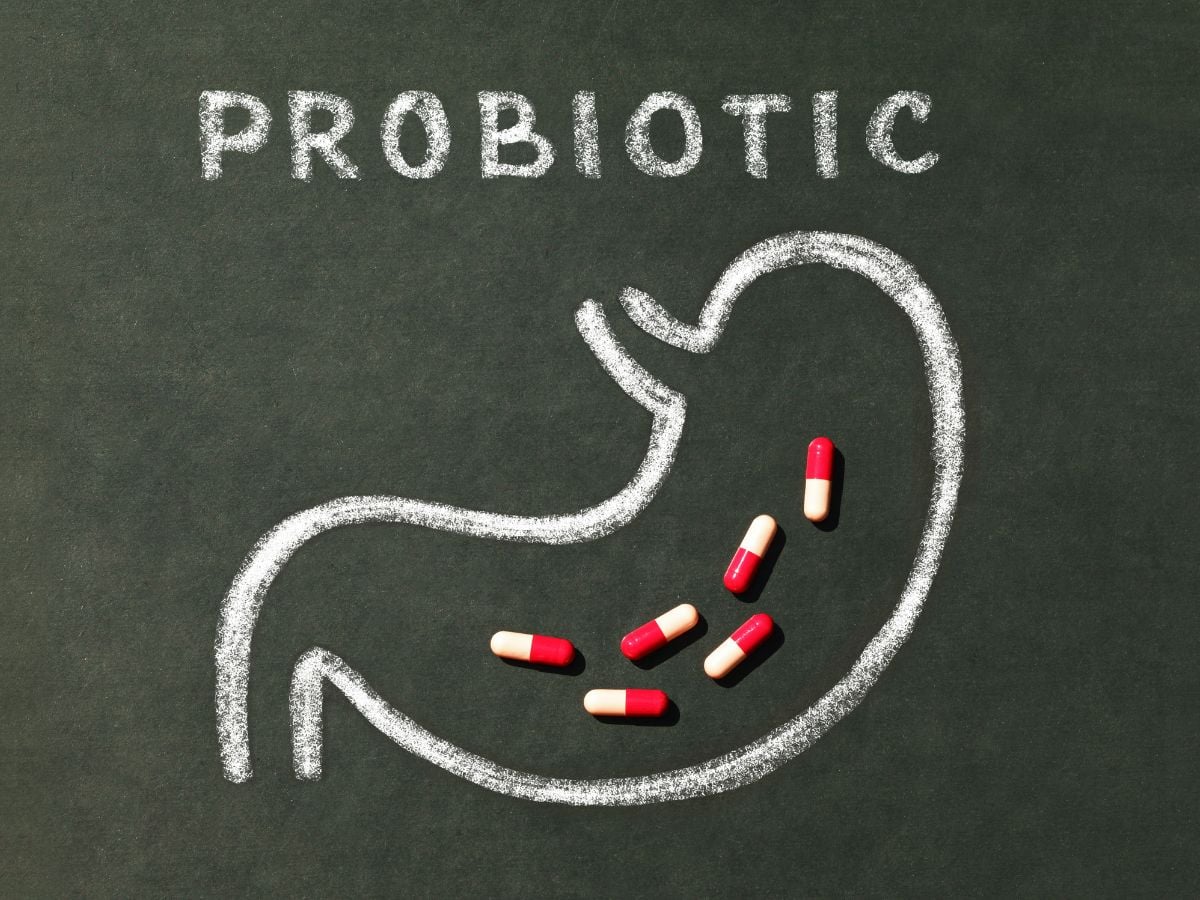
Table of contents
What are probiotics?
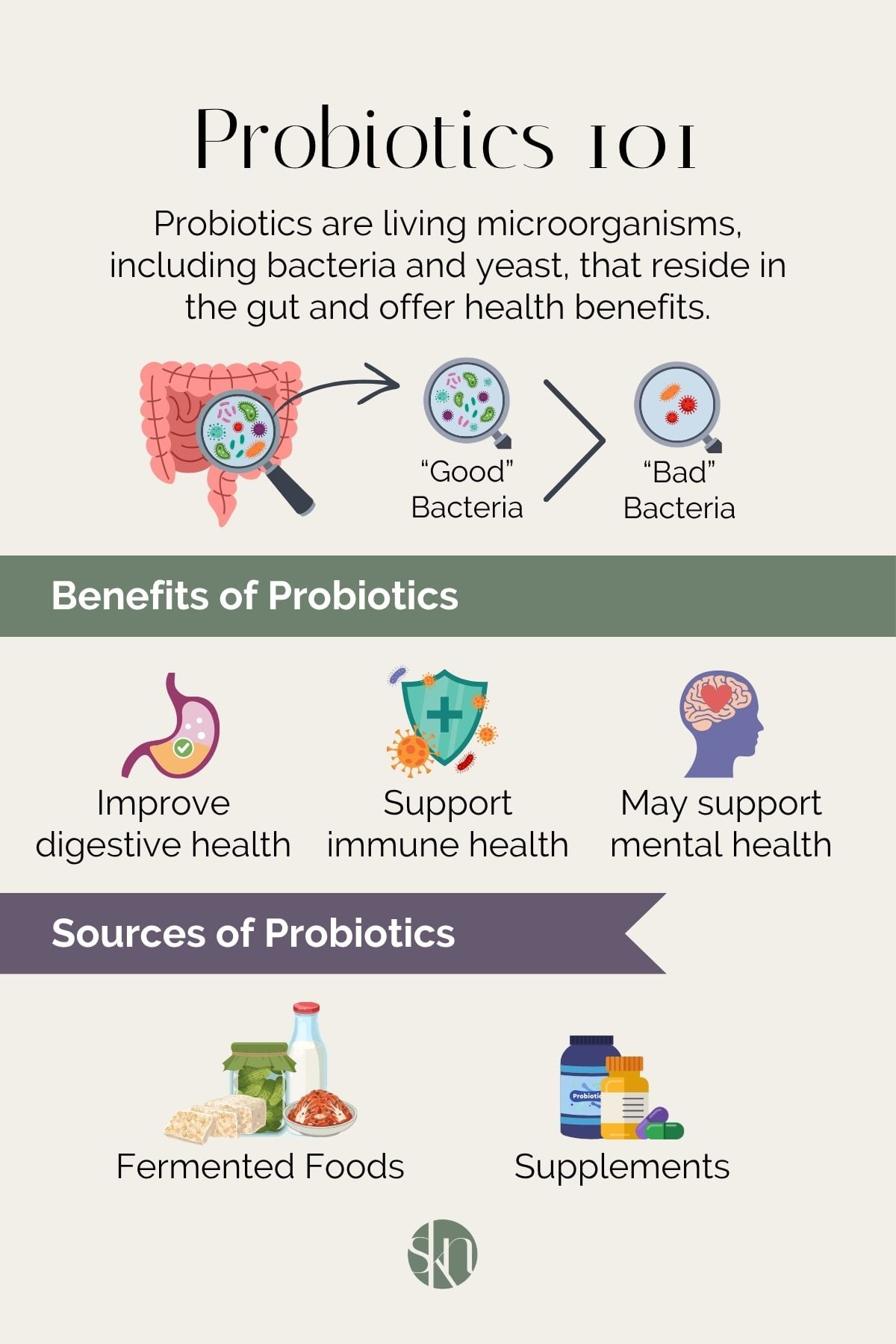
Probiotics are living microorganisms that consist mainly of bacteria, but also include yeast (1, 2). They primarily live in the body as part of the gut microbiome – a natural and complex ecosystem of microorganisms in your digestive tract – but also live in the skin, lungs, vagina, and urinary tract. While not all bacteria are beneficial (i.e., germs), good bacteria in the form of probiotics help restore the natural balance of microorganisms and support overall health.
Probiotics are identified based on their genus, species, and strain (3). For example, Lactobacillus (genus) rhamnosus (species) GG (strain). Common forms of probiotics include Bifidobacterium, Saccharomyces, Streptococcus, Enterococcus, Escherichia, and Bacillus, and the family Lactobacillaceae.
Probiotics are naturally present in fermented foods and also available as dietary supplements, which have been shown to offer several health benefits.
Health Benefits of Probiotics
Probiotics remain the focus of a great deal of scientific research, and the strongest evidence to date for probiotics is in the realm of digestive health. Probiotics have been shown to (4):
- prevent antibiotic-associated diarrhea
- increase H. pylori eradication rates
- reduce the risk and duration of acute gastroenteritis
- improve the symptoms of irritable bowel syndrome
Moreover, although research is ongoing and inconclusive, probiotics may also offer health benefits for immune function, cholesterol, oral health, mental health, obesity, and skin conditions (i.e., atopic dermatitis) (4, 5).
Sources of Probiotics
Probiotics are naturally found in fermented foods and can be found in the form of probiotic supplements. The most common probiotic-rich foods include:
- Yogurt (with live and active cultures)
- Kefir
- Sauerkraut
- Tempeh
- Kimchi
- Pickles (fermented)
- Buttermilk
- Miso
- Kombucha
- Cheese (some)
- Natto
- Fermented veggies
In addition to probiotics, prebiotics are a form of non-digestible fibers that help to stimulate the growth or activity of probiotics in the body. Consuming prebiotic foods, such as onions, garlic, leeks, and oats, along with probiotic foods, can help to further increase the population of beneficial microorganisms in your gut.
Probiotic supplements are available in several forms, including:
- Capsules
- Tablets
- Chews
- Powders
- Drops
- Lozenges
- Liquids
Probiotic supplements contain a single microbial strain or multiple strains combined, and dosages are usually reported as colony-forming units (CFUs). While the optimal dosage depends on the specific type of probiotic and the treatment goal, a range of 1 billion to 10 billion CFUs daily is typical (4).

Side Effects of Probiotics
Probiotics are generally well tolerated, and there are currently no recommendations for or against their use by healthy people. However, for some individuals, reported side effects include increased gas, bloating, diarrhea, and abdominal pain (5).
In rare cases and in individuals with a weakened immune system or critical illness, published clinical trials have shown that supplementation with probiotics can lead to severe side effects, including fungal and bacterial infections (5).
Should you take probiotic supplements?
For most healthy individuals, probiotic supplements are not necessary. Consuming a balanced, whole-food-rich diet with adequate high-fiber foods and fermented foods can support a healthy gut microbiome.
For certain individuals with various health conditions, probiotic supplements may be beneficial. However, it’s important to note that different probiotic strains offer distinct, highly specific health benefits and, therefore, it’s best to work with a healthcare professional or registered dietitian to determine the best type for your goals.
FAQs
Probiotics support overall health and well-being by balancing the gut microbiome.
Probiotics are naturally found in fermented foods such as yogurt, kefir, sauerkraut, kimchi, and tempeh.
Everyone needs beneficial bacteria for overall health; however, it is best to consult with a healthcare provider to determine if you should take probiotic supplements.

The Bottom Line
Probiotics are live microorganisms that improve gut health and provide health benefits, including improved digestion, immune health, and potentially weight loss. They are naturally found in fermented foods and as dietary supplements. While most people do not require probiotic supplements, specific strains may have beneficial effects for certain health conditions.




Healing the Gut is key to fixing many issues.
It is said that nearly every disease originates in your digestive system. I mean both physical and mental disease. Once you heal and fix your gut lining, and make your digestive system work properly again, disease symptoms may be eradicated.
Fermented foods, good probiotic supplements and even organic apple cider vinegar, like this one : https://www.nutricelebrity.com/omega-nutrition-apple-cider-vinegar-12-fl-oz-355-ml
-Sara