

Antioxidants play a crucial role in maintaining optimal health and disease prevention, but what exactly are they? And where can we find them? Here is everything you need to know about antioxidants.
Table of contents
What are antioxidants?
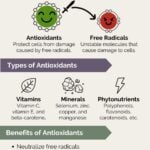
Antioxidants are substances that protect cells from damage caused by free radicals in the body (1).
Free radicals are unstable molecules that can cause damage to cells and tissues. These molecules have an unpaired electron, which makes them highly reactive and eager to seek out electrons from other molecules to steal, leading to a chain reaction of instability (2).
Although free radicals are a natural byproduct of cell metabolism, and some are beneficial and even necessary for certain bodily functions, they can build up in cells and cause damage to other molecules, such as DNA, lipids, and proteins (3). An excessive chronic amount of free radicals in the body causes a condition called oxidative stress, which may damage cells and lead to an increased risk of cancer and other chronic diseases.

What causes free radicals?
Free radicals are generated from endogenous or exogenous sources (3).
Endogenous free radicals are naturally produced during normal metabolic processes, such as excessive exercise, immune cell activation, infection, inflammation, mental stress, and aging. Exogenous free radicals are generated from environmental factors, such as air pollution, cigarette smoke, alcohol, heavy metals, industrial solvents, radiation, drugs, and certain medications.
The human body has several mechanisms to counteract oxidative stress with antioxidants, which are either naturally produced by the body or externally supplied through foods and/or supplements.
Types of Antioxidants
An “antioxidant” is not a specific substance, but rather a descriptor of compounds that inhibit oxidation. There are thousands of different types of antioxidants, each with various shapes, sizes, and chemical configurations.
Antioxidants can be broadly categorized into three main groups: vitamins, minerals, and phytochemicals (3, 4).
- Vitamins: Vitamin C, vitamin E, and beta-carotene (a precursor to vitamin A).
- Minerals: Selenium, zinc, copper, and manganese.
- Phytochemicals: Polyphenols, flavonoids, carotenoids, tannins, triterpenoids, steroids, saponins, alkaloids, and organosulfur compounds.
Antioxidants are both natural and manufactured substances. The body produces some antioxidants; they are naturally occurring in whole foods, and can be synthesized into dietary supplements.
Health Benefits of Antioxidants
The primary health benefits of antioxidants are their ability to neutralize free radicals and reduce oxidative stress. Research suggests that this protection may prevent chronic diseases and some cancers.
Each antioxidant has its own unique chemical behaviors and interacts with free radicals in a specific way, and, therefore, no single antioxidant can do the work of all antioxidant vitamins, minerals, and phytochemicals.
For instance, the antioxidant lycopene has been linked to a reduced risk of developing prostate cancer and type 2 diabetes, while lutein has been linked to a lower incidence of eye lens degeneration and associated vision loss in the elderly, and flavonoids have been shown to reduce the risk of heart disease and other chronic illnesses (5, 6, 7).
For this reason, a diverse intake of antioxidants from whole foods can help to ensure comprehensive protection and optimal health benefits. Moreover, foods rich in antioxidants are typically also high in fiber, full of vitamins and minerals, and low in saturated fat, which provides further health benefits.
Foods High in Antioxidants
Antioxidants exist widely in fruits, vegetables, cereal grains, edible macrofungi, microalgae, and medicinal plants (4). These foods are generally rich in antioxidant minerals, vitamins, and phytochemicals.
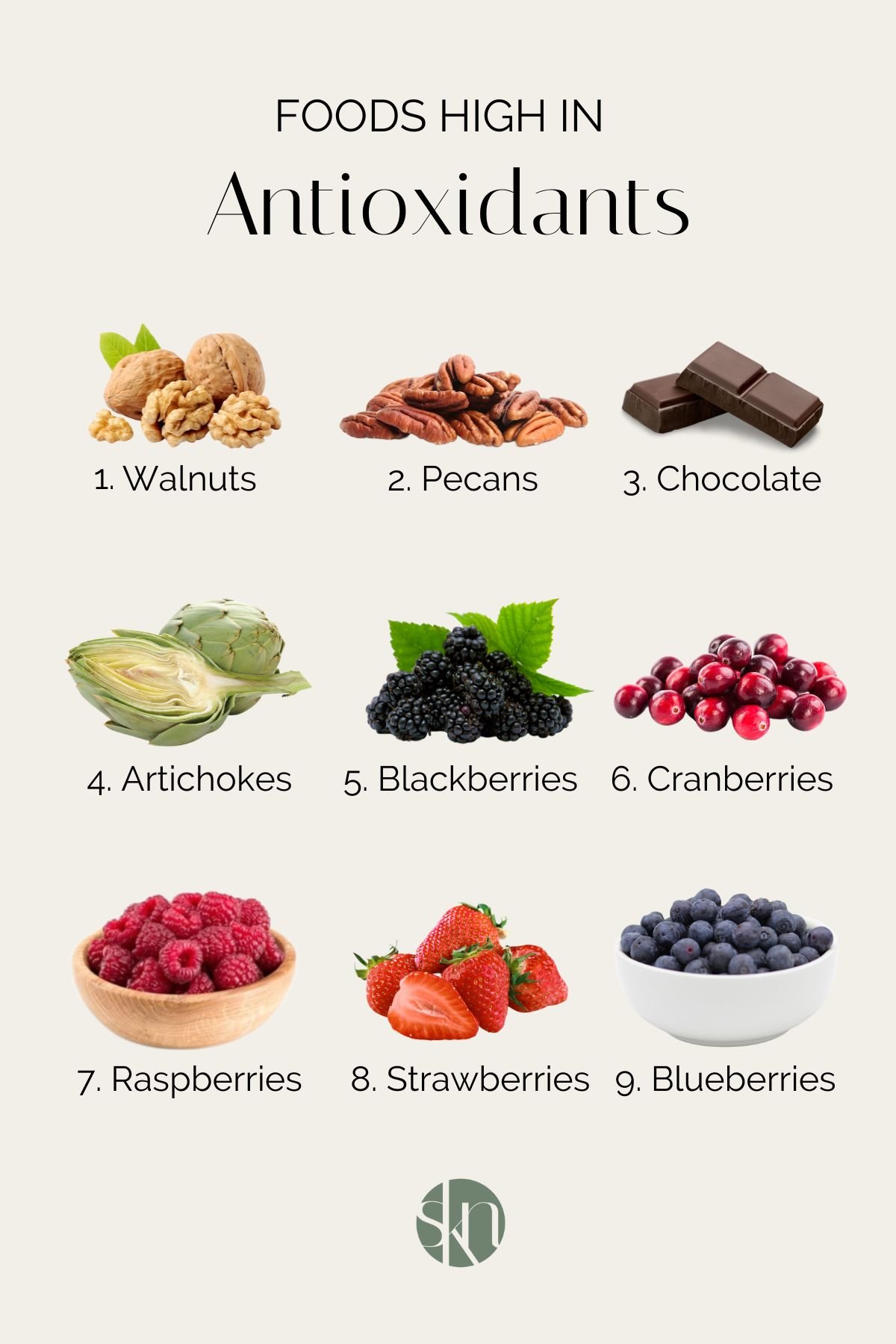
One study tested the antioxidant content of over 3,100 foods to determine that spices and herbs are the most antioxidant-rich products, while berries, fruits, nuts, chocolate, and vegetables constitute common foods and beverages with high antioxidant values (8).
According to another study, the top 15 whole foods highest in antioxidants are (9):
- Walnuts
- Pecans
- Chocolate
- Artichokes
- Blackberries
- Cranberries
- Raspberries
- Strawberries
- Blueberries
- Cabbage
- Prunes
- Cherries
- Peppers
- Pistachios
- Plums
Should you take antioxidant supplements?
While a diet rich in antioxidants, particularly from whole foods, may reduce the risk of many diseases, there is limited evidence to suggest that high doses of supplemental antioxidants have additional benefits.
Known as the “antioxidant paradox”, research has shown that antioxidants given at large doses don’t always yield the expected preventative or therapeutic benefits, and can even be harmful in some cases (9). This contrasts with the expectation that antioxidants are beneficial for reducing oxidative damage.
For example, intakes of vitamin C below the recommended daily allowance are associated with increased free-radical damage to DNA, but, paradoxically, so is supplementation with high-dose vitamin C (10).
Overall, the evidence suggests that antioxidants are more effective when obtained from whole foods, rather than from supplement form. However, low-dose vitamin and mineral supplements may be beneficial for specific situations. It is best to work with a registered dietitian to determine what supplements are best for you, especially individuals with cancer or undergoing cancer treatment, Alzheimer’s disease, and cardiovascular disease.
FAQs
Antioxidants help to protect the body by counteracting cell damage caused by harmful free radicals.
All antioxidants play unique and beneficial roles in the body and are required for optimal health. No antioxidant is more beneficial than another.
Fruits, vegetables, whole grains, nuts, seeds, fungi, algae, herbs, and spices are rich in antioxidants.

The Bottom Line
Antioxidants protect the body by counteracting cell damage caused by harmful free radicals. While there are thousands of types of antioxidants, which all play unique roles in the body, the most common groups are vitamins (vitamin C, vitamin E, and beta carotene), minerals (selenium, zinc, copper, and manganese), and phytochemicals (polyphenols, flavonoids, carotenoids, tannins, triterpenoids, steroids, saponins, alkaloids, and organosulfur compounds). A whole food diet full of fresh fruits, vegetables, whole grains, nuts, seeds, herbs, and spices is the best way to ensure you’re consuming an antioxidant-rich diet.



Thanks Steph!
I always learn lots from your articles!🙂
J
My pleasure, Julie! And happy to hear it. 🙂