

Electrolytes are essential minerals that carry an electric charge and are vital for numerous body functions. While a balanced diet can provide adequate electrolytes, certain individuals can benefit from electrolyte supplements. Here is everything you need to know.

Table of contents
What are electrolytes and what do they do?
Electrolytes are essential minerals that conduct electricity when dissolved in water and body fluids. The significant electrolytes found in the body include sodium, potassium, magnesium, chloride, calcium, phosphate, and bicarbonates (1).
These micronutrients are responsible for generating and carrying electrical signals to control a multitude of bodily functions, including regulating nerve and muscle function, maintaining proper fluid balance (hydration) and blood pressure, and balancing the body’s pH level (1).
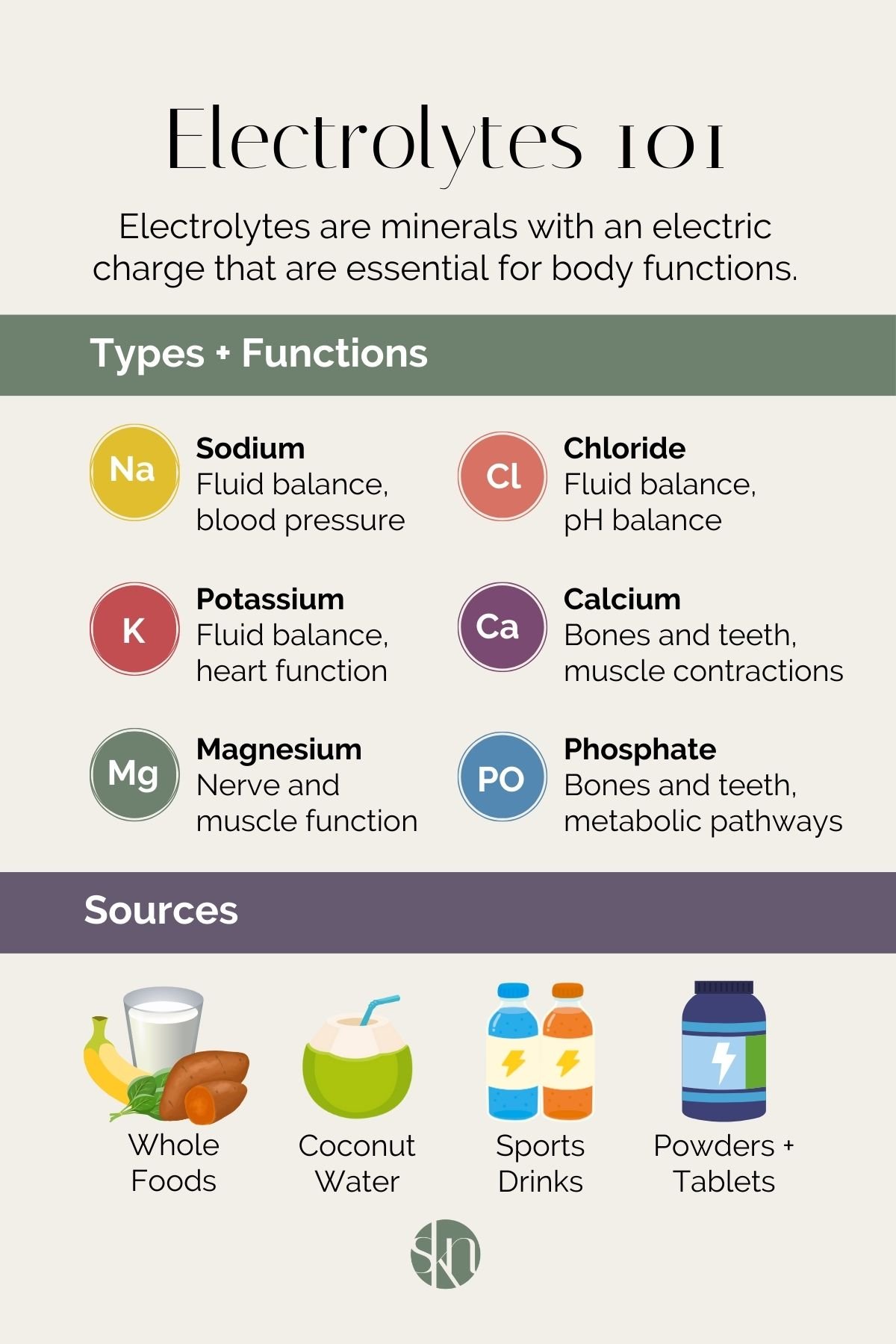
Types of Electrolytes and Their Benefits
Here is a list of the most common electrolytes and their specific functions (1, 2).
Sodium
Sodium is one of the essential electrolytes in the extracellular fluid. It is responsible for maintaining fluid balance inside and outside of cells, and is exchanged along with potassium across cell membranes as part of active transport. Sodium is also responsible for regulating blood pressure and supporting nerve and muscle function.
Potassium
Potassium is mainly an intracellular ion. It works in balance with sodium across cell membranes; when a sodium ion enters a cell, a potassium ion leaves, and vice versa. Potassium is crucial for heart function, muscle contractions, and nerve signals.
Magnesium
Magnesium is an intracellular cation. It is primarily involved in adenosine triphosphate (ATP) metabolism, as well as in maintaining muscle and nerve function, and regulating a steady heart rhythm.
Chloride
Chloride is the second-most abundant ion in the body, after sodium. It’s found predominantly in the extracellular fluid, helping to maintain fluid balance, and also plays a role in maintaining the body’s natural pH balance.
Calcium
Calcium is a vital element in the body, playing a crucial physiological role. It is involved in skeletal mineralization of bones and teeth, the contraction of muscles (including the heart), the transmission of nerve impulses, blood clotting, and the secretion of hormones.
Phosphate
Phosphate is a common form of the element phosphorus. It plays a crucial role in metabolic pathways and is a component of many metabolic intermediates, ATP, and nucleotides. Phosphate combines with calcium to form hydroxyapatite, the mineral that provides the rigid structure of bones and teeth.
Bicarbonate
Bicarbonate is a key component of the body’s most important buffering system. It is a base that helps to regulate the pH balance of the blood and other body fluids.
Dosage of Electrolytes
The ideal dosage of electrolytes varies by individual based on factors such as age, activity level, sweat status, and environmental conditions. The recommended dietary allowance (RDA) is the average range required for healthy adults (3).
| Electrolyte | Population | RDA |
| Sodium | less than 2,300 mg | |
| Potassium | Male 19-50 years | 3,400 mg |
| Female 19-50 years | 2,600mg | |
| Magnesium | Male 19-30 years | 400 mg |
| Female 19-30 years | 310 mg | |
| Male 31+ years | 420 mg | |
| Female 31+ years | 320 mg | |
| Chloride | 2,300 mg | |
| Calcium | Male 19-50 years | 1,000 mg |
| Female 19-50 years | 1,000 mg | |
| Male 51-70 years | 1,000 mg | |
| Female 51-70 years | 1,200 mg | |
| Adults 71+ years | 1,200 mg | |
| Phosphorus | Male 19+ years | 700 mg |
| Female 19+ years | 700 mg |
Sources of Electrolytes
The body obtains electrolytes primarily through food and beverages. A balanced diet, rich in fruits, vegetables, nuts, seeds, and dairy, can provide sufficient electrolytes for health. For instance, electrolytes can be found in many everyday foods, such as (4):
- Sodium: Vegetables, dairy products, meat, shellfish, table salt (sodium chloride), ultra-processed foods, etc.
- Potassium: Coconut water, apricots, lentils, squash, prunes, raisins, potatoes, etc.
- Magnesium: Pumpkin seeds, black beans, whole grains, flax seeds, Brazil nuts, etc.
- Chloride: Olives, tomatoes, celery, lettuce, seaweed, etc.
- Calcium: Dairy products, fish with bones, tofu, beans, tahini, dark leafy greens, etc.
- Phosphates: Tuna, tofu, chicken, scallops, lentils, etc.
Electrolytes are also available as supplements in the form of powders, tablets, and pre-mixed drinks.
Who needs electrolyte supplements?
Most healthy adults do not require daily electrolyte supplements; however, they can be beneficial for individuals under specific circumstances. For example, strenuous exercise, extreme heat, or fever can cause the body to lose electrolytes and water, which, if not replaced, can lead to dehydration, muscle cramps, and heat-related illnesses.
Electrolyte supplements can be beneficial for:
- Athletes who engage in strenuous activity, particularly in extreme heat,
- Individuals who experience heavy sweating,
- Individuals who experience prolonged periods of vomiting or diarrhea due to illness,
- Individuals with specific medical conditions or certain medications,
It is best to consult with a doctor or registered dietician before taking an electrolyte supplement, such as sports drinks, electrolyte drinks, and/or electrolyte tablets.
Can you take too many electrolytes?
Yes, both too few and too many electrolytes can be harmful to the body. Consuming excess electrolytes without adequate water intake can lead to imbalances and cause health problems. Exactly how much water you need to drink per day will vary from person to person; however, it’s important to stay adequately hydrated when using electrolyte supplements.
The overconsumption of electrolytes from unprocessed whole foods alone is highly unlikely.
Side Effects of Electrolyte Imbalance
Both high and low electrolyte levels can cause a range of health problems, specifically (1, 2):
- Hyponatremia (too little sodium) can cause muscle cramps, headaches, vomiting, dizziness, and muscle weakness.
- Hypernatremia (too much sodium) can lead to high blood pressure, which is a major risk factor for heart disease and stroke.
- Hypokalemia (too little potassium) can lead to weakness, fatigue, and muscle twitching.
- Hyperkalemia (too much potassium) can cause muscle cramps, muscle weakness, rhabdomyolysis, and myoglobinuria.
- Hypomagnesemia (too little magnesium) can cause muscle weakness, twitching, and loss of control, and heart arrhythmias.
- Hypermagnesemia (too much magnesium) can lead to heart rhythm changes and arrhythmias, weakened reflexes, decreased ability to breathe, and cardiac arrest.
- Hypochloremia (too little chloride) causes the blood to become more alkaline, which can cause apathy, confusion, arrhythmias, and muscle twitching or loss of control.
- Hyperchloremia (too much chloride) can cause acidosis, which can result in nausea, vomiting, and fatigue.
- Hypocalcemia (too little calcium) can lead to confusion, behavior changes, and loss of muscle control.
- Hypercalcemia (too much calcium) can cause fatigue, headaches, constipation, vomiting, frequent need to pee, kidney stones, kidney failure, and bone and joint pain if levels are too high.

The Bottom Line
Electrolytes are essential minerals, including sodium, potassium, magnesium, chloride, calcium, and phosphate, that are required for vital body functions, including fluid balance, nerve and muscle function, and blood pressure regulation. They are widely found in whole foods and can be acquired through a balanced diet; however, certain individuals in specific situations can benefit from electrolyte supplementation.




Leave a Review