

Dietary fiber is a form of carbohydrate and comes in different forms. Discover the difference between soluble and insoluble fiber, their health benefits, and the best whole food sources you can add to your diet today.
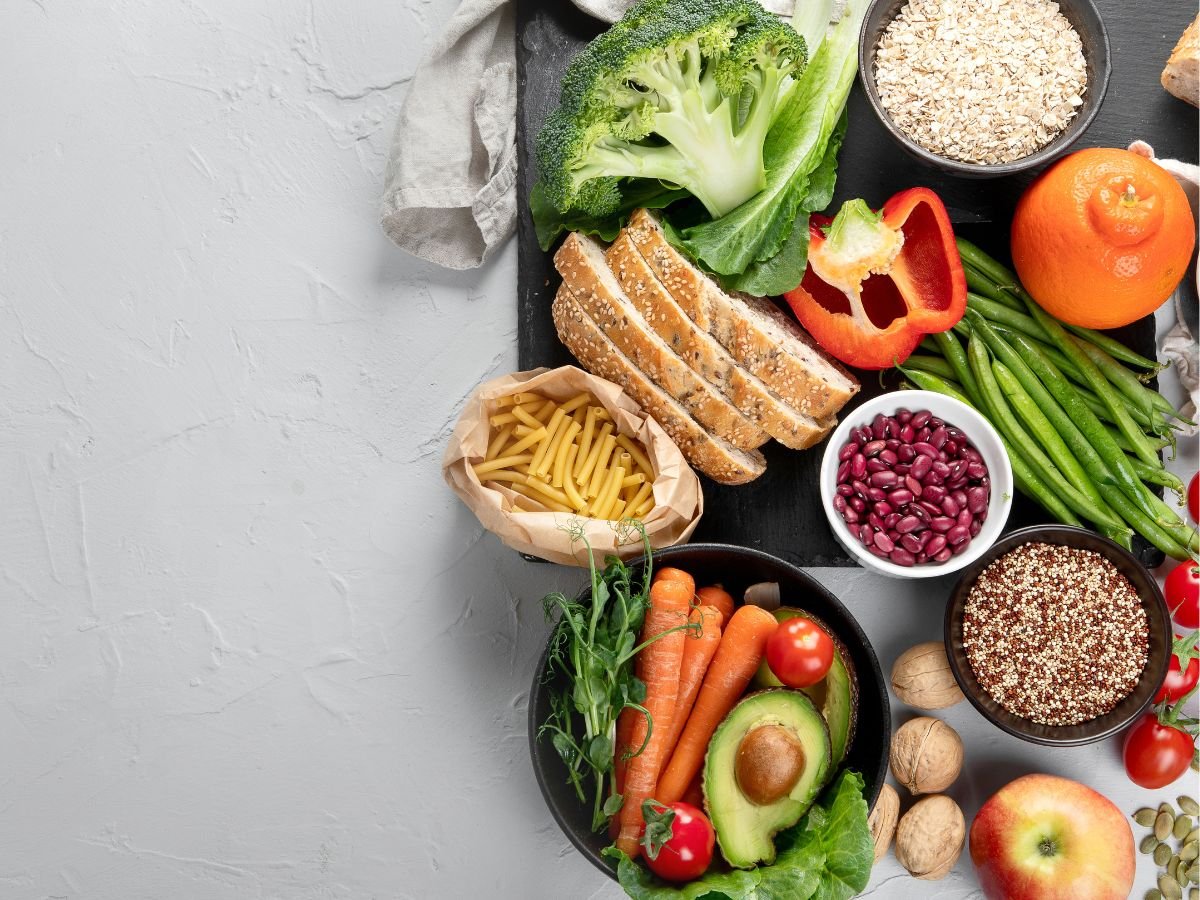
Table of contents
What’s the difference between soluble and insoluble fiber?
Dietary fiber is composed of indigestible carbohydrates found in plants. While other types of carbohydrates are broken down into glucose, some fiber is broken down by bacteria in the colon, but most passes through the digestive system whole and remains largely intact through the stomach, small intestine, and large intestine.
There are two types of dietary fiber: soluble fiber and insoluble fiber (1, 2).
Soluble fiber is generated from the inner flesh of plants and is water-soluble. It produces a sticky gel in the intestines, where bacteria ferment it into gases and by-products such as short-chain fatty acids (SCFAs). Soluble fibers include beta glucans, mucilage, pectin, and gum.
Insoluble fiber is derived from the outer skin of plants and does not dissolve in water. For this reason, it passes through the digestive tract undigested and is less prone to fermentation. Insoluble fibers include cellulose, hemicellulose, and lignin.
While a high fiber diet has been shown to provide significant health benefits, both types of fiber offer unique benefits.
Benefits of Soluble Fiber
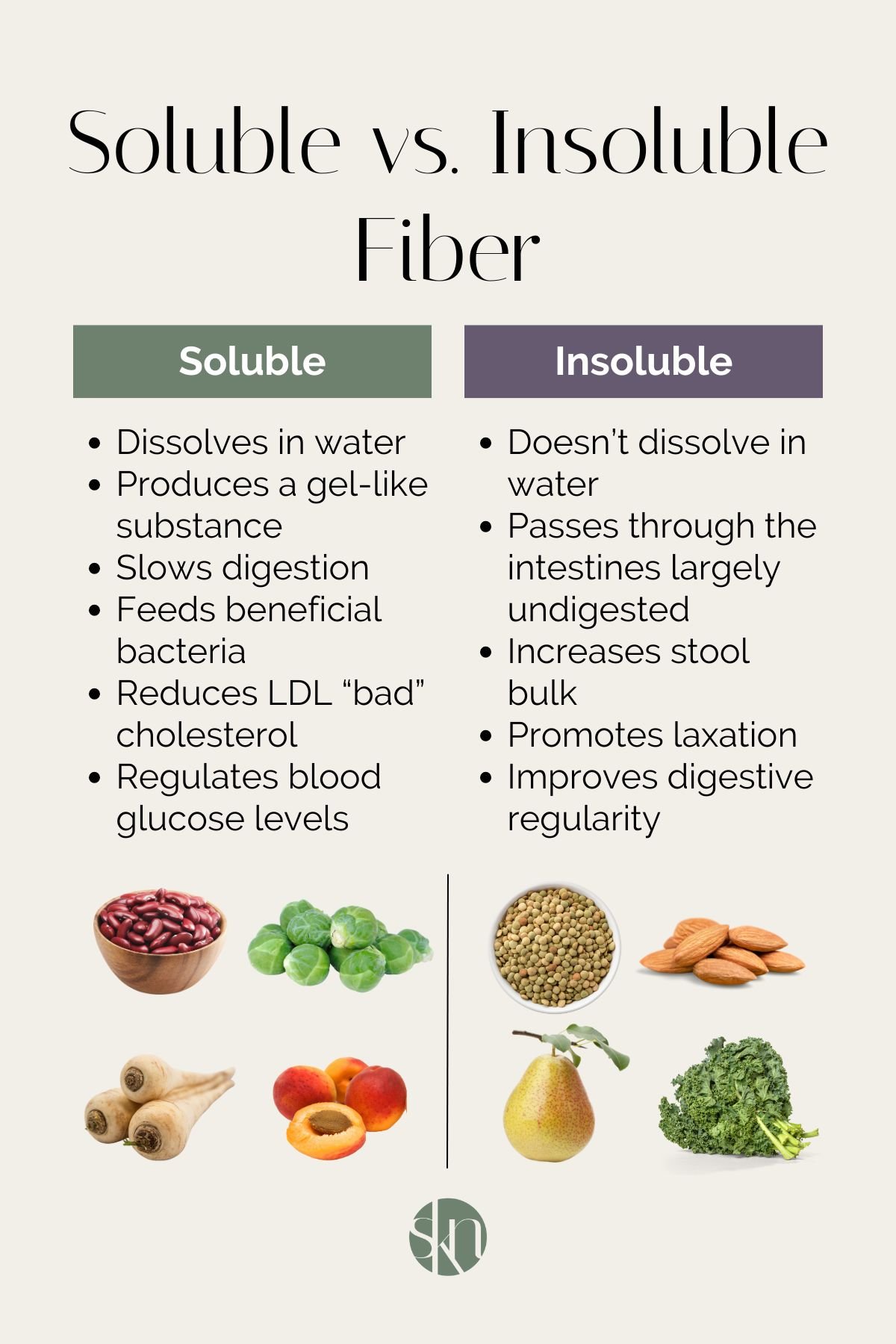
Soluble fiber provides many health benefits primarily due to its ability to dissolve in water and create a gel-like substance, including (1):
- Supporting the growth of the gut microbiome
- Slowing digestion
- Reducing LDL “bad” cholesterol
- Regulating blood glucose levels
Benefits of Insoluble Fiber
Insoluble fiber provides several health benefits thanks to its non-digestibility, including (1):
- Increasing stool bulk
- Promoting laxation
- Improving digestive regularity
Soluble vs. Insoluble Fiber Foods
Most plant foods contain a combination of soluble and insoluble fibers; however, the proportions vary. Soluble fiber is primarily found in fruit (but not the skin), vegetables, and pulses, while insoluble fiber is primarily found in the outer shell of seeds, grains, fruits, and vegetables.
Here is a list of the best sources of soluble fiber and insoluble fiber (3, 4, 5, 6).
| Soluble Fiber | Insoluble Fiber |
| Beans Brussels sprouts Winter squash Parsnips Oranges Apricots Avocados Sweet potatoes Oats (Oat bran) Green peas Broccoli Carrots Turnips Apples Barley | Wheat bran Kale Lentils Almonds Pears Beans Chickpeas Sesame seeds Walnuts Quinoa Potatoes Raspberries Soybeans Sweet potato Flax seeds |
Do fiber supplements contain soluble or insoluble fiber?
Fiber supplements contain soluble fiber, insoluble fiber, or a combination of both. Fiber supplements can augment a low-fiber diet or be used as a temporary aid for relief from digestive upset.
Unlike dietary fibers, which are naturally found in whole foods, fiber supplements are made from isolated fibers or synthetic nondigestible carbohydrates. While often made of functional fibers, which consist of isolated, nondigestible carbohydrates that have beneficial physiological effects in humans, not all fiber supplements contain functional fibers (7). In fact, many commercial fiber supplements do not have clinically significant evidence of benefit to support their use (8).
Fiber supplements can be found in liquid, powder, capsule, tablet, and gummy form, with active ingredients from psyllium, wheat dextrin, inulin, methylcellulose, and/or guar gum (5, 9).
While fiber supplements can be beneficial, it is best to prioritize dietary fiber from whole foods as opposed to supplements, as foods contain important vitamins, minerals, and antioxidants required for optimal health. Moreover, increased fiber consumption, particularly from fiber supplements, may elicit undesirable gastrointestinal effects, depending on the type of fiber and quantity consumed.
If you think you could benefit from a fiber supplement, it is best to work with a registered dietitian to determine the best type and appropriate dosage for your personal goals.
How much fiber do you need?
The current dietary guidelines recommend 14 grams of fiber per 1,000 calories consumed, which works out to roughly 25 grams of fiber for an adult female and 38 grams of fiber for an adult male (10). This includes dietary fiber from all food sources and fiber supplements, and includes insoluble and soluble fiber.
Most Americans consume only half the recommended levels of fiber per day, roughly 15 grams per day, and are more likely to be deficient in soluble fiber (2).
Eating more high-fiber foods is the best way to increase fiber intake, while eating more fruits and vegetables can help to increase intake of soluble fiber.

The Bottom Line
Soluble fiber is water-soluble and aids in the growth of the gut microbiome, helps to lower cholesterol, and improves blood sugar regulation. Insoluble fiber does not dissolve in water and improves stool bulk, laxation, and regularity. Soluble fiber is primarily found in oats, barley, fruits, peas, beans, and other legumes, while insoluble fiber is primarily found in potatoes, whole grains, vegetables, nuts, and seeds.



Leave a Review