

Research has shown that certain foods can help reduce chronic inflammatory markers thanks to the anti-inflammatory compounds and nutrients they contain. Here is a list of some of the best anti-inflammatory foods you can add to your diet today.
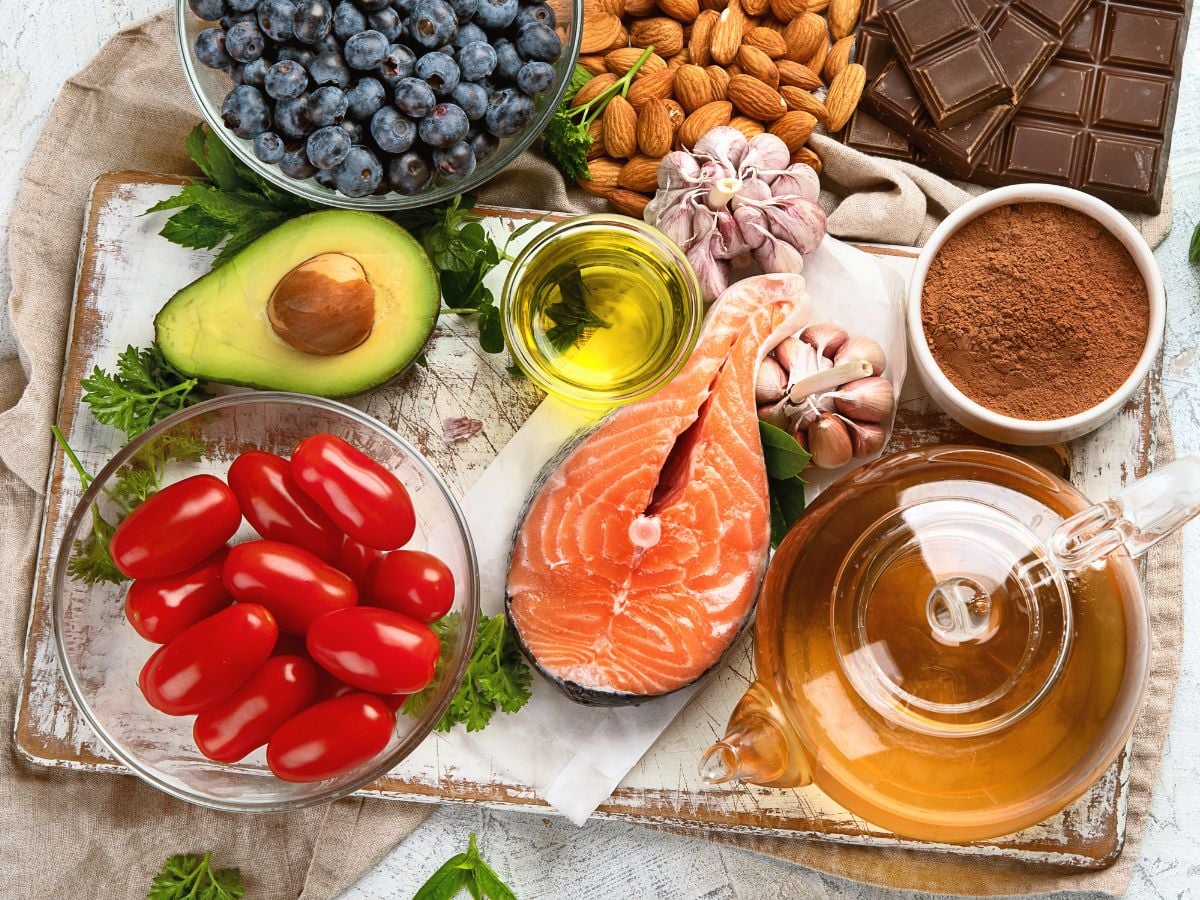
What are anti-inflammatory foods?
Anti-inflammatory foods are foods that contain compounds or nutrients that have been shown to reduce inflammation in the body. Inflammation is the body’s response to protect itself against injury, infection, or foreign bodies such as bacteria and viruses (1). This natural alarm system recognizes and removes harmful stimuli and begins the healing process.
Unlike acute inflammation, which is a response to an illness or injury and is sudden or temporary, chronic inflammation is a form of low-grade inflammation that persists long after the trigger to the initial inflammatory response is gone (1, 2). Chronic inflammation is a contributing factor to the pathology of many chronic diseases, including cancer, autoimmunity, cardiovascular disease, arthritis and joint diseases, and metabolic disorders.
Diet has the potential to be both a source and a solution for chronic inflammation. While no individual food inherently causes or impedes inflammation, certain processed foods and processed meats can promote inflammation, while the compounds and nutrients in other foods have been shown to reduce inflammatory markers. Examples of anti-inflammatory compounds and anti-inflammatory nutrients include:
- Omega-3 Fatty Acids: These healthy fats, particularly EPA and DHA, have been shown to help moderate inflammation in the body and help reduce the risk and symptoms of metabolic syndrome and heart disease (3, 4, 5, 6).
- Antioxidants: These compounds help to delay or prevent the oxidation caused by free radicals, which can cause inflammation (7). Antioxidants such as vitamin C, vitamin E, beta-carotene, and selenium can help to neutralize these harmful free radicals.
- Polyphenols: These naturally occurring plant compounds have been shown to reduce inflammation by modulating several inflammation-associated cell signaling pathways (8, 9).
- Fiber: A high fiber diet may help to reduce inflammation by promoting gut health, and higher fiber intakes have been associated with lower inflammation (10).
- Probiotics: Certain strains of probiotic bacteria, Lactobacillus and Bifidobacterium, have been shown to improve immune responses and potentially alleviate inflammatory conditions (11, 12).
Certain healthy foods, also known as whole foods, such as fish, whole grains, nuts, seeds, fruits, and vegetables, contain higher levels of compounds with anti-inflammatory effects and are, therefore, often referred to as “anti-inflammatory foods”.
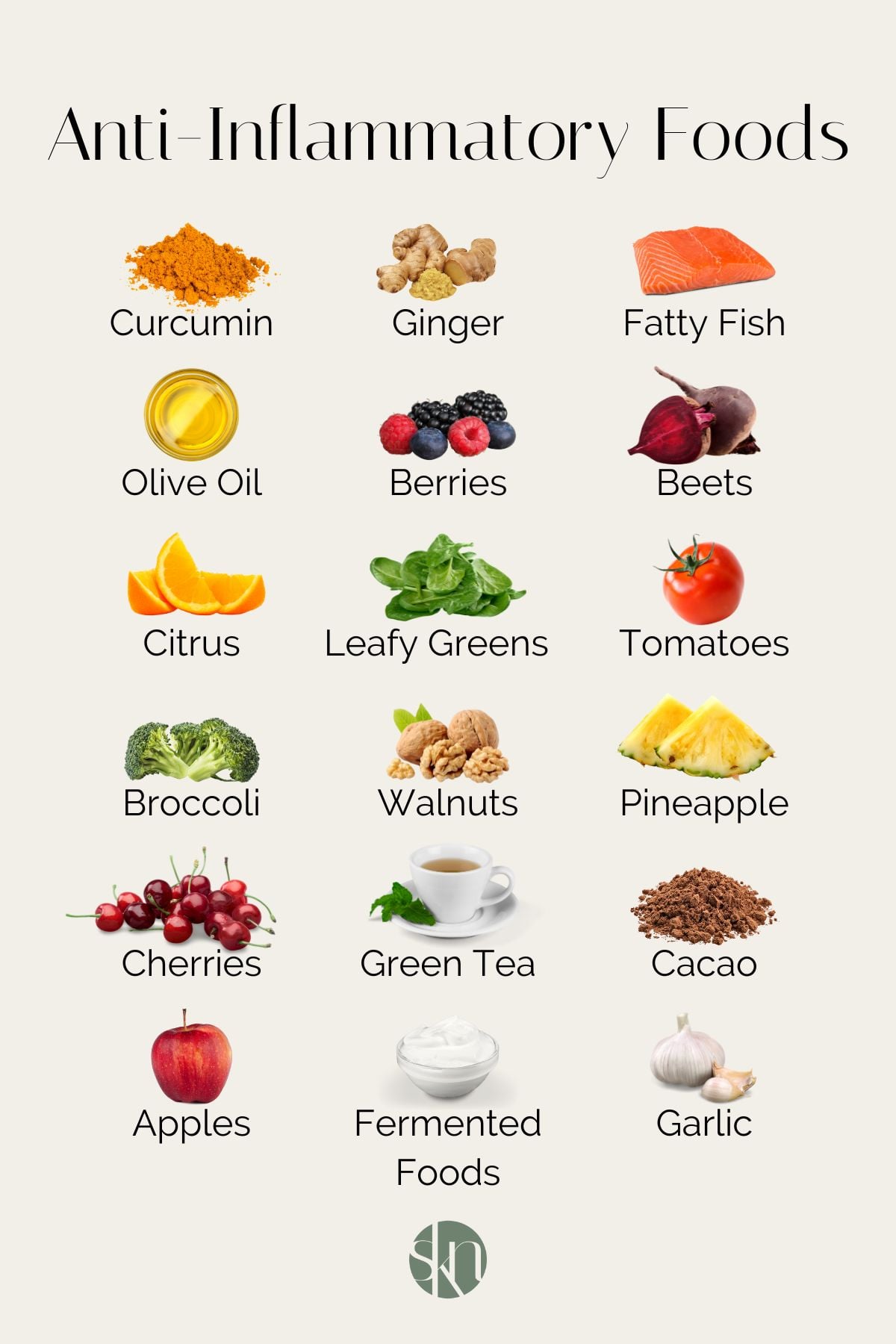
List of Anti-Inflammatory Foods
Here is a list of some of the best anti-inflammatory foods you can add to your diet.
1. Curcumin
Curcumin is the primary bioactive substance in turmeric and has been shown to have powerful anti-inflammatory properties. Supplementation of curcumin has consistently lowered markers of inflammation and demonstrated the ability to increase the amount of antioxidants that the body produces (13).
Research has shown that curcumin can help with small to moderate improvements in the symptoms of depression, moderate to large improvements in pain and function in osteoarthritis, and shows promise for treating a type of inflammatory bowel disease called ulcerative colitis (14, 15, 16).
2. Ginger
Ginger is the root of the Zingiber officinale plant and has been used in traditional Chinese medicine and Ayurveda for thousands of years. Dosages of 1 to 3 grams are commonly used as a preventative treatment for nausea, morning sickness, and motion sickness (17).
Some studies have shown ginger to have a small positive effect on inflammation for osteoarthritis, high cholesterol, muscle recovery, athletic performance, and metabolic health (18, 19, 20, 21).
3. Fatty Fish
Fatty fish, such as salmon, mackerel, tuna, sardines, and anchovies, are good sources of omega-3 fatty acids EPA and DHA, which are well-known for their anti-inflammatory properties. EPA specifically has been shown to stabilize cell membranes and inhibit lipid oxidation, which can help improve cell signaling and reduce inflammation (22).
In addition to eating fish, evidence suggests that fish oil supplementation may benefit certain chronic inflammatory conditions such as systemic lupus erythematosus and rheumatoid arthritis (23).
4. Olive Oil
Olive oil is a staple in the Mediterranean diet and is one of the best sources of healthy fats. Olive oil, particularly extra virgin olive oil, possesses anti-inflammatory properties due to its high content of monounsaturated fatty acids and antioxidants. The consumption of olive oil has been associated with a lower risk of cardiovascular disease, reduced blood pressure, improved insulin sensitivity, and a lower risk of all-cause mortality (24).
5. Berries
Berries such as blueberries, raspberries, strawberries, and blackberries contain anti-inflammatory compounds that have been shown to fight inflammation. More specifically, berries contain anthocyanins, flavonols, and phenolic acids, which occur in different concentrations depending on the berry type, that modulate pro-inflammatory markers, antioxidant enzymes, and signaling pathways (25, 26).
Moreover, berries are also a great source of fiber and vitamin C, which further contributes to their anti-inflammatory benefits.
6. Beets
Beets are a rich source of betalains: natural, water-soluble pigments responsible for their color with strong antioxidant and anti-inflammatory properties (27). Beets are also rich in naturally occurring nitrates, which have been shown to reduce inflammation by removing harmful compounds from your bloodstream.
In human research to date, beetroot and beetroot juice supplementation have been reported to reduce blood pressure, reduce inflammation, and avert oxidative stress (27). Moreover, several studies have found beetroot supplementation to enhance athletic performance by diminishing the muscular fatigue associated with high-intensity exercise effort (28).
7. Citrus Fruit
Citrus fruits such as oranges are great sources of vitamin C and flavonoids, which are known to have anti-inflammatory capabilities due to their ability to combat oxidative stress and support immune responses (29).
One medium orange contains the recommended close to the recommended daily intake of vitamin C for most adults, and some studies suggest that drinking 100% orange juice may reduce levels of inflammatory markers like C-reactive protein (CRP) and Interleukin-6 (IL-6) (30, 31).
8. Leafy Green Vegetables
Leafy green vegetables such as spinach, kale, and collard greens are rich in antioxidants such as vitamins C, A, and K. These antioxidants protect against cell damage caused by free radicals and reduce inflammatory markers linked to many diseases. Leafy greens are also great sources of fiber, which promotes gut health and can help improve digestion.
9. Tomatoes
Tomatoes can be eaten as part of an anti-inflammatory diet as they are rich in lycopene, a powerful antioxidant with anti-inflammatory properties. Lycopene has been shown to offer numerous health benefits, including potential protection against heart disease and certain forms of cancer (32).
To get the most lycopene from tomatoes, it is best to consume them cooked and with a healthy fat such as olive oil, since lycopene is a carotenoid which are fat-soluble (33).
10. Broccoli
Broccoli is an anti-inflammatory food since it is a rich source of anti-inflammatory compounds, sulforaphane and quercetin. Studies have shown that sulforaphane can inhibit the production of inflammatory substances and reduce inflammatory markers, while quercetin is a potent antioxidant flavonoid that can modulate several signaling pathways involved in inflammation (34).
Moreover, research has shown that a high consumption of cruciferous vegetables, such as broccoli, Brussels sprouts, cabbage, cauliflower, arugula, radish, and watercress, is associated with a reduced risk of total and cardiovascular disease mortality and cancer (35, 36, 37).
11. Walnuts
Walnuts are a great source of alpha-linolenic acid (ALA), an omega-3 fatty acid well known for its anti-inflammatory effects. They also contain anti-inflammatory compounds in the form of including polyphenols, which help to protect against oxidative stress and inflammation.
Walnuts may also help to reduce inflammation by supporting beneficial gut bacteria due to their fiber content and a subgroup of polyphenols known as ellagitannins, which are converted by gut bacteria into metabolites called urolithins, and may further protect against inflammation (38).
12. Pineapple
Pineapples contain bromelain, a proteolytic enzyme with anti-inflammatory properties. Supplementation of bromelain has been shown to reduce nasal inflammation, benefit the immune system, and protect the body from cancer (39).
Some studies have also found that bromelain may aid with osteoarthritis, rheumatoid arthritis, muscle recovery, and knee pain (40).
13. Cherries
Cherries, particularly tart cherries, are well known for their beneficial effects on inflammatory markers as they are a rich source of polyphenols and vitamin C, which have antioxidant and anti-inflammatory properties. Research has clearly shown that the consumption of cherries decreases markers for oxidative stress, inflammation, and blood pressure (41).
The supplementation of tart cherry has also been shown to reduce exercise-induced muscle soreness, improve recovery from both prolonged aerobic and resistance exercise, and as well as promote a more rapid return to baseline levels of muscular strength and power (42).
14. Green Tea
Green tea, such as matcha, contains compounds known as epigallocatechin-3-gallate (EGCG), which have been shown to have anti-inflammatory properties (43). Compared to other varieties of tea, such as black and oolong, green tea is made from unfermented leaves, which contain high levels of antioxidants.
Research has found that consuming green tea is associated with a reduced risk for heart disease, Alzheimer’s disease, cancer, and other chronic diseases (44, 45, 46).
15. Cacao
Cacao has been linked to reduced inflammation thanks to its rich content of antioxidants and flavonoids. Not to be confused with cocoa, cacao is the raw material harvested from the cacao tree used to make chocolate, and contains more health benefits than cocoa, given that it undergoes less processing.
Supplementing cacao extract or eating dark chocolate is linked to better blood flow and improved insulin sensitivity (47). The health benefits of cacao are generally only observed in the raw materials or dark chocolate, with at least 70% cacao content; however, more high-quality studies on chocolate are needed.
16. Apples
An apple a day may, in fact, help to keep the doctor away as apples are good sources of anti-inflammatory compounds, such as quercetin and fiber (48). Apple skin is a particularly rich source of quercetin, which provides its pigment and helps protect the body against damage caused by free radicals.
17. Fermented Foods
Many fermented foods are such as kefir, kimchi, sauerkraut, and fermented teas such as kombucha, are great sources of beneficial bacteria known as probiotics which have been shown to support gut health and reduce inflammation (49, 50). The traditional foods have been shown to enhance the immune system, improve gastrointestinal health, and lower the risk of developing various inflammatory diseases.
18. Garlic
Garlic contains several sulfur-containing phytochemicals (i.e., allicin, diallyl disulfide, diallyl trisulfide, and S-allylmercaptocysteine) that have been shown to have anti-inflammatory properties. Research has shown that the supplementation of garlic can lower circulating markers of oxidative stress, reduce inflammation, reduce total cholesterol levels, and improve other measures of cardiovascular health (51).

The Bottom Line
Anti-inflammatory foods are foods that contain anti-inflammatory compounds or nutrients that have been shown to reduce inflammation in the body, such as antioxidants, omega-3 fatty acids, polyphenols, and fiber. Some of the best anti-inflammatory foods are curcumin, ginger, fatty fish, olive oil, and berries.



Leave a Review