

Zinc is an essential mineral that plays many important roles in the body. Because the body cannot synthesize or store zinc, maintaining an adequate daily intake through your diet is vital. Here is a list of foods high in zinc you can start eating today.
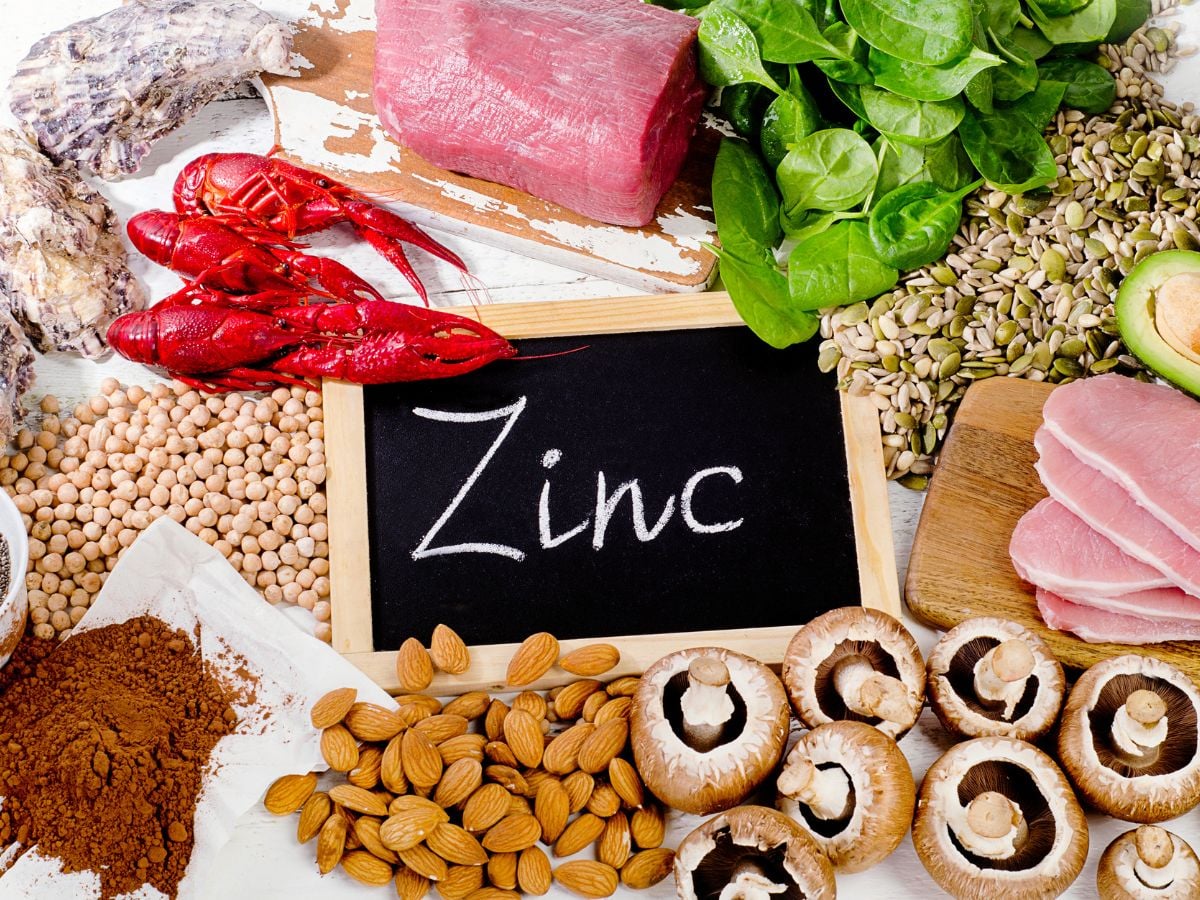
Table of contents
- What is Zinc?
- Health Benefits of Zinc
- How much zinc do you need?
- Can you take too much zinc?
- Are any foods fortified with zinc?
- List of Foods High in Zinc
- 1. Oysters
- 2. Crab
- 3. Beef
- 4. Lobster
- 5. Hemp Seeds
- 6. Turkey
- 7. Pork
- 8. Sesame Seeds
- 9. Pumpkin Seeds
- 10. Pine Nuts
- 11. Cashews
- 12. Lentils
- Ranking of Zinc-Rich Foods
- Do you need a zinc supplement?
- FAQs
What is Zinc?
Zinc is an essential mineral and micronutrient. The body cannot produce zinc; therefore, it must be consumed through the diet (1). Zinc is naturally present in many foods, such as red meat, seafood, legumes, whole grains, nuts, seeds, and dairy products, added to others, and available as a dietary supplement.
The bioavailability of zinc depends heavily on the source. While zinc is naturally occurring in animal and plant foods, zinc in animal-based foods is absorbed more readily. Plant-based foods contain antinutrients, namely phytic acid, which bind to the zinc and reduce the amount your body can absorb (2). Approximately 30% to 55% of animal-based zinc is absorbed, while 5% to 35% of plant-based zinc is absorbed (3, 4).
Health Benefits of Zinc
Zinc is involved in many aspects of cellular metabolism. It plays a vital role in the immune system, helping to fight off invading bacteria and viruses, supports protein and DNA synthesis, and aids in wound healing (5, 6). Zinc also supports proper growth from pregnancy through adolescence.
Low zinc intake can affect skin health, digestion, reproduction, and the central nervous and immune systems. Signs of zinc deficiency vary by age; however, they can include, but are not limited to, diarrhea, diminished or altered sense of taste, loss of appetite, chronic fatigue, and impaired growth (6). Albeit, zinc deficiency is rare in the US and other developed nations.
How much zinc do you need?
The current Recommended Dietary Allowance (RDA) for zinc varies by age and life stage (7):
- Birth to 6 months: 2 mg/day
- Infants 7-12 months: 3 mg/day
- Children 1-3 years: 3 mg/day
- Children 4-8 years: 5 mg/day
- Children 9–13 years: 8 mg/day
- Boys 14-18 years: 11 mg/day
- Girls 14-18 years: 9 mg/day
- Men 19+ years: 11 mg/day
- Women 19+ years: 8 mg/day
- Pregnant Teens: 12 mg/day
- Pregnant Women: 11 mg/day
- Breastfeeding Teens: 13 mg/day
- Breastfeeding Women: 12 mg/day
Can you take too much zinc?
Yes, excessive amounts of zinc, particularly from dietary supplements, can cause nausea, dizziness, headaches, gastric distress, vomiting, and loss of appetite. The tolerable upper intake level (UL) for zinc is 40 mg for adults, and it ranges from 4 to 34 mg for infants, children, and adolescents, depending on age (7).
Are any foods fortified with zinc?
Yes, certain foods are fortified with zinc, including breakfast cereal, plant-based milks, and infant formulas; however, in Canada and the United States, zinc fortification is strictly voluntary.
List of Foods High in Zinc
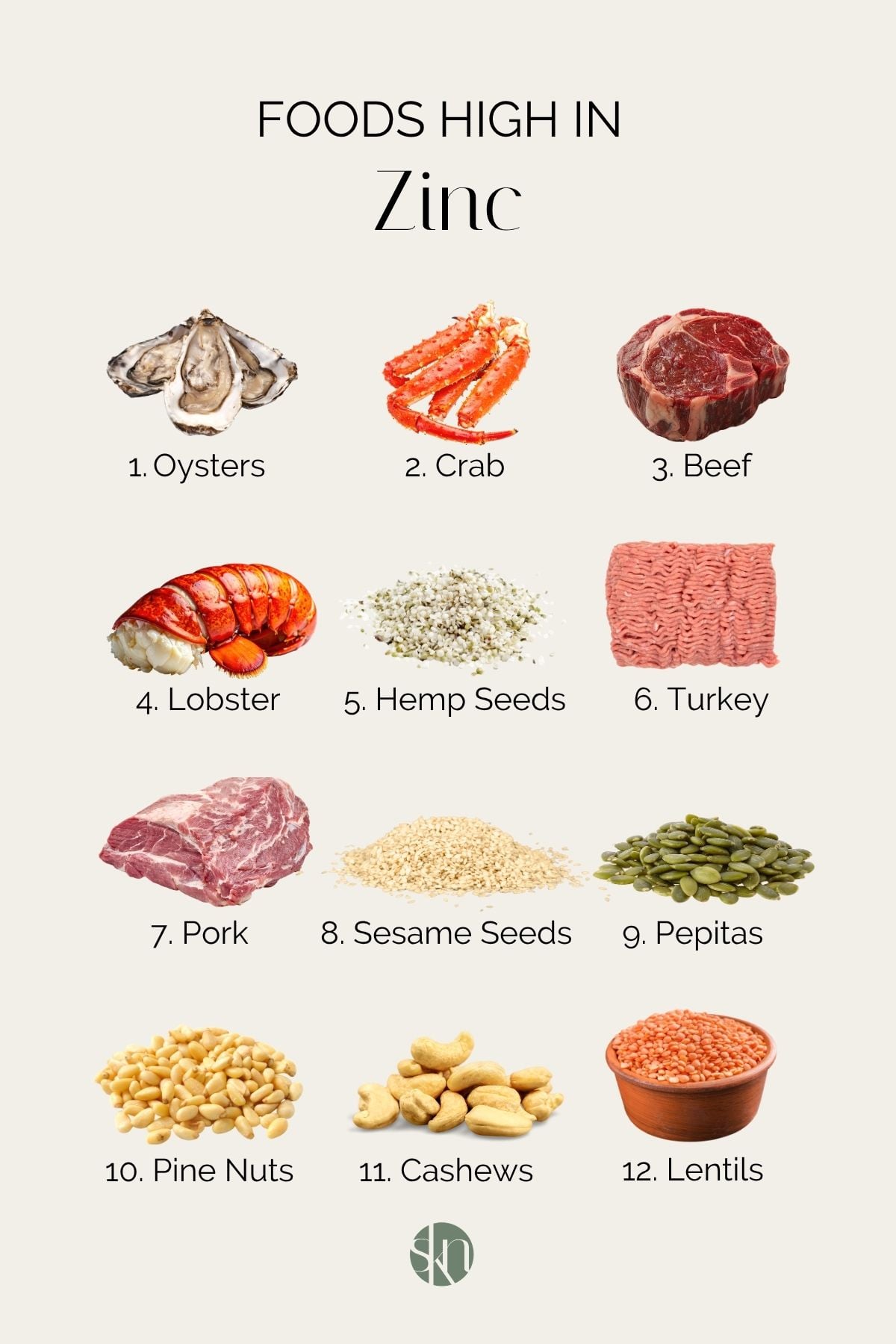
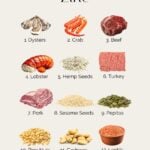
Here is a list of foods with the highest zinc content.
1. Oysters
Oysters are by far the best source of zinc. They are also a good source of protein, iron, vitamin B12, and omega-3 fats, while being low in calories. Oysters can be enjoyed raw, baked, grilled, fried, or steamed. A 3-ounce serving of Eastern oysters contains 33.42 mg of zinc (8).
2. Crab
Crab is another shellfish that is a great source of zinc. It’s also an incredibly high-protein, low-calorie food, making it great for weight loss and muscle building. Crab can be steamed, boiled, baked, or broiled, and crab meat is delicious in sushi, salads, and crab cakes. A 3-ounce serving of Alaska King crab contains 5.06 mg of zinc (9).
3. Beef
Beef is a rich source of zinc, along with other red meats such as lamb, goat, and venison. Incorporating lean cuts of beef into a balanced diet efficiently supports zinc levels and overall health. A 3-ounce serving of beef chuck roast contains 4.58 mg of zinc (10).
4. Lobster
Much like oysters and crab, lobster is another shellfish high in zinc. It’s also an exceptional source of lean protein and is rich in many essential vitamins, particularly copper, selenium, and vitamin B12. Lobster can be boiled, steamed, or poached, and works well in rolls, bisques, and risotto. A 3-ounce serving of lobster contains 3.00 mg of zinc (11).
5. Hemp Seeds
Hemp seeds are the best plant source of zinc. They are also a great source of healthy fats, and as a good source of vegetarian protein, given that they are the highest protein seed. Hemp seeds can be added to oatmeal, yogurt, salads, or blended into smoothies. A 1-ounce serving of hemp seeds contains 2.81 mg of zinc (12).
6. Turkey
Turkey is another good source of zinc. While all cuts of turkey contain zinc, cuts with darker meat, such as legs and thighs, are particularly rich in zinc. Turkey is also a lean source of protein, and a great swap for ground beef when looking for ways to cut calories. A 3-ounce serving of ground turkey contains 2.51 mg of zinc (13).
7. Pork
Along with beef, pork is another red meat that is rich in zinc. Much like turkey, the harder-working muscles with darker meat contain higher levels of zinc, particularly pork shoulder or pork butt. A 3-ounce serving of pork shoulder contains 2.30 mg of zinc (14).
8. Sesame Seeds
Along with hemp seeds, sesame seeds are another seed high in zinc. These small but mighty seeds are also a great source of healthy fats and calcium. They can be sprinkled on top of salads, stir-fries, grilled meats, or stirred into marinades or blended into tahini. A 1-ounce serving of sesame seeds contains 2.20 mg of zinc (15).
9. Pumpkin Seeds
Pumpkin seeds, also known as pepitas, are another zinc-rich seed. They are also the single best food source of magnesium and a good source of antioxidants. They are delicious raw or roasted, and can be enjoyed as a crunchy snack, sprinkled onto oatmeal, yogurt, or salad, or blended into pesto. A 1-ounce serving of pumpkin seeds contains 1.80 mg of zinc (16).
10. Pine Nuts
Pine nuts are the nut with the highest zinc content. They are also one of the highest protein nuts, making them a great source of protein for vegetarians and vegans. Pine nuts can be consumed raw or roasted, added to salads, or blended into sauces such as pesto and used in pasta or as a spread in a sandwich. A 1-ounce serving of pine nuts contains 1.62 mg of zinc (17).
11. Cashews
Along with pine nuts, cashews are another nut rich in zinc. They are also a good source of protein and healthy fats that support healthy skin. Cashews can be eaten raw or roasted as a healthy snack, added to stir-fries, or blended into creamy spreads and sauces. A 1-ounce serving of cashews contains 1.44 mg of zinc (18).
12. Lentils
Be they red, green, or brown, lentils are a good source of zinc. They are also one of the best sources of plant-based protein, one of the highest-fiber foods, and a good source of potassium. In addition to lentils, beans, and other legumes, such as chickpeas, are also rich in zinc. A 1/2-cup serving of cooked lentils contains 1.26 mg of zinc (19).
Ranking of Zinc-Rich Foods
Here is a ranking of the best sources of zinc per recommended serving size.
| Food | Serving Size | Zinc per Serving |
| Oysters | 3 ounces | 33.42 mg |
| Crab | 3 ounces | 5.06 mg |
| Beef, chuck roast | 3 ounces | 4.58 mg |
| Lobster | 3 ounces | 3.00 mg |
| Hemp Seeds | 1 ounce | 2.81 mg |
| Turkey, ground | 3 ounces | 2.51 mg |
| Pork, shoulder | 3 ounces | 2.30 mg |
| Sesame Seeds | 1 ounce | 2.20 mg |
| Pumpkin Seeds | 1 ounce | 1.80 mg |
| Pine Nuts | 1 ounce | 1.62 mg |
| Cashews | 1 ounce | 1.44 mg |
| Lentils | 1/2 cup | 1.26 mg |
| Chickpeas | 1/2 cup | 1.26 mg |
| Chicken, leg | 3 ounces | 1.25 mg |
| Sardines | 3 ounces | 1.11 mg |
| Oats | 1/2 cup | 1.10 mg |
| Milk, 2% | 1 cup | 1.05 mg |
| Cheese, cheddar | 1 ounce | 1.04 mg |
| Green Peas | 1/2 cup | 0.95 mg |
| Kidney Beans | 1/2 cup | 0.95 mg |
| Tofu, extra firm | 3 ounces | 0.91 mg |
| Almonds | 1 ounce | 0.81 mg |
| Shrimp | 3 ounces | 0.80 mg |
| Peanuts | 1 ounce | 0.79 mg |
| Yogurt, 3.25% | 3/4 cup | 0.73 mg |
| Mushrooms | 1 cup | 0.57 mg |
| Corn Flakes, Fortified | 1 cup | 8 mg |
All nutrition data is based on FoodData Central.
Do you need a zinc supplement?
Certain groups are more likely to experience zinc deficiency than others and can benefit from zinc supplementation. Individuals who follow vegetarian or vegan diets, individuals with gastrointestinal disorders or who have had bariatric surgery, and women who are pregnant or lactating may benefit from taking a zinc supplement (7).
Almost all multivitamin/mineral supplements contain zinc in the form of zinc gluconate, zinc sulfate, or zinc acetate. It is also available alone or combined with calcium, magnesium, or other ingredients in dietary supplements. That said, as with all supplements, it is best to consult with a health professional or registered dietitian to determine if supplemental zinc intake is right for you.
FAQs
Oysters have the highest zinc content per serving.
Foods that contain phytates (phytic acid) can block zinc absorption. This includes whole grains, legumes, nuts, seeds, and vegetables. Properly preparing these foods, by soaking, boiling, sprouting, and/or fermenting, can help to reduce antinutrients and improve absorption.
Consuming a varied diet of whole foods high in zinc throughout the day is the best way to ensure you’re eating enough zinc. For example, consuming a breakfast with 1/2 cup of rolled oats and 1 ounce of pumpkin seeds, a lunch with 1 cup of cooked lentils, and a dinner with 3 ounces of beef can easily provide over 10 mg of zinc.

The Bottom Line
Zinc is an essential mineral that plays an important role in many body functions, including immune function, wound healing, DNA synthesis, and cell growth. Zinc is naturally occurring in many foods, namely oysters, crab, and beef, added to fortified breakfast cereal and available in supplement form.


Leave a Review