

Vitamin B12 is an essential nutrient that supports many vital functions in the human body. It is naturally found in many foods, added to others, and available as a dietary supplement. Here is a list of foods high in vitamin B12 that you can add to your diet today.
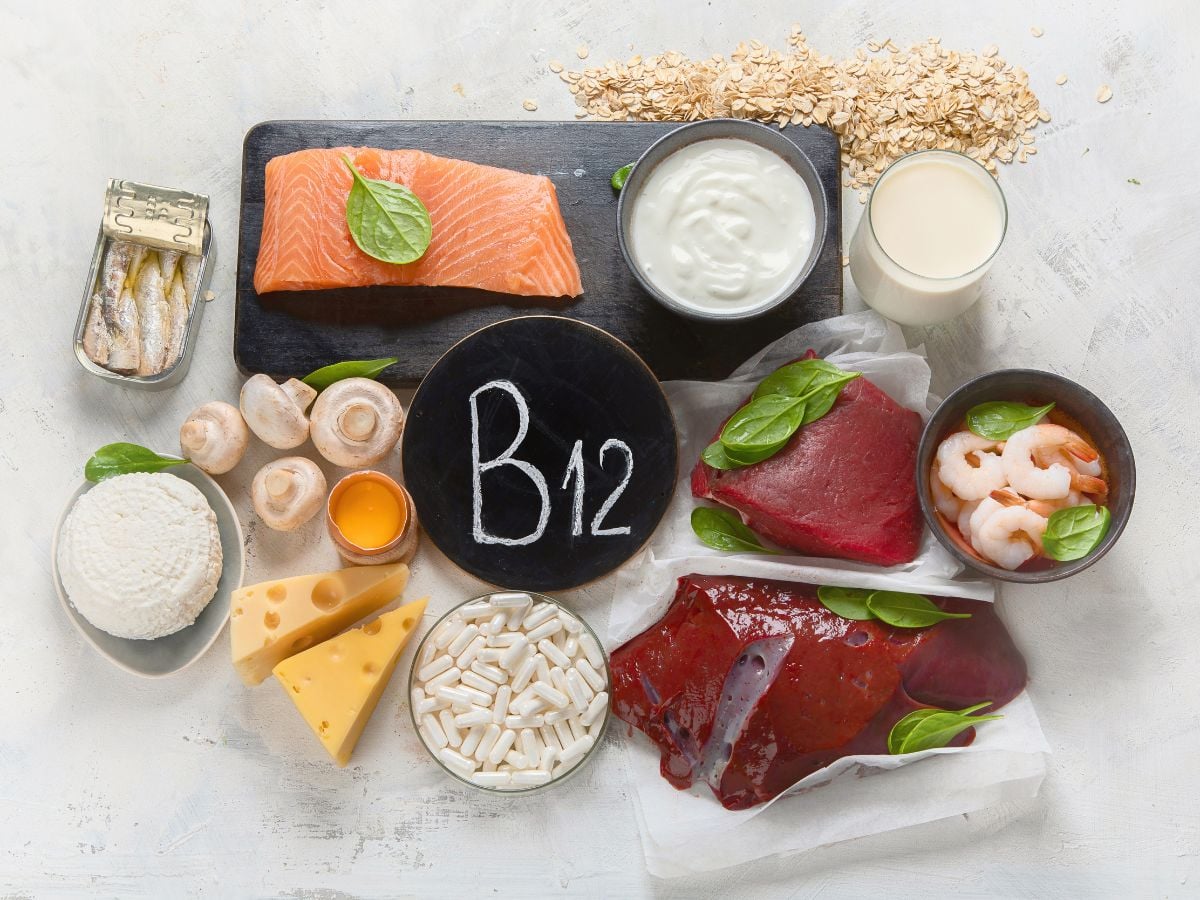
Table of contents
- What is Vitamin B12?
- Health Benefits of Vitamin B12
- How much vitamin B12 do you need?
- Can you take too much vitamin B12?
- Are any foods fortified with vitamin B12?
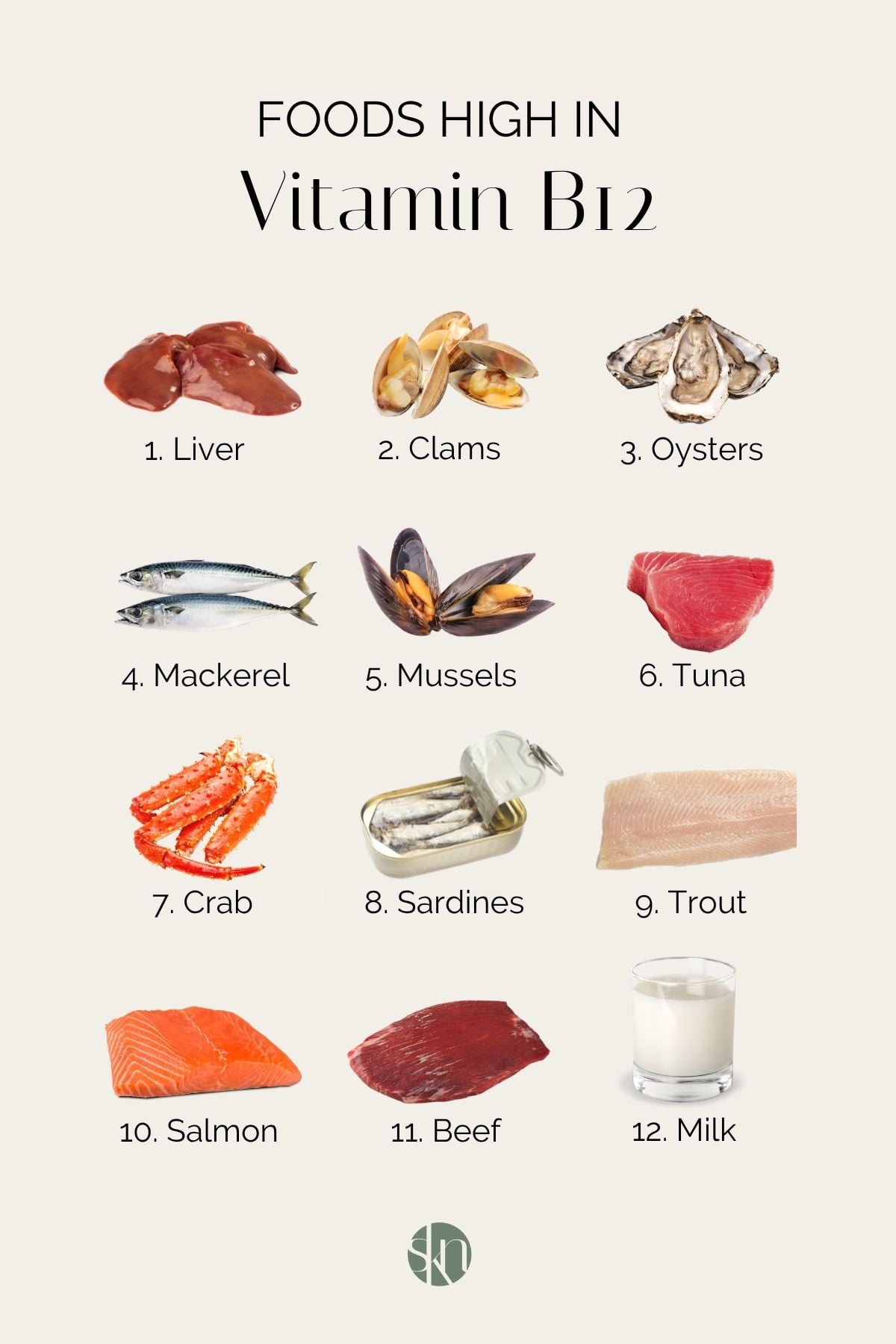
- List of Foods High in Vitamin B12
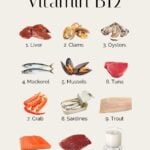
- 1. Liver
- 2. Clams
- 3. Oysters
- 4. Mackerel
- 5. Mussels
- 6. Tuna
- 7. Crab
- 8. Sardines
- 9. Trout
- 10. Salmon
- 11. Beef
- 12. Milk
- Ranking of Foods High in Vitamin B12
- Do you need a vitamin B12 supplement?
- FAQs
What is Vitamin B12?
Vitamin B12, also known as cobalamin, is a water-soluble vitamin and essential micronutrient (1). The human body cannot produce vitamin B12 on its own; therefore, it must be consumed through the diet.
Vitamin B12 is bound to protein in food and must be released before it is absorbed. It is naturally present in animal foods, namely lean meats, eggs, and dairy products, added to others, and is available as a dietary supplement. Plant foods do not contain vitamin B12, unless they are fortified.
Health Benefits of Vitamin B12
Vitamin B12 is required for the development, myelination, and function of the central nervous system, healthy red blood cell formation, and DNA synthesis (2, 3). It is also beneficial for healthy pregnancies, helping prevent major birth issues in babies and megaloblastic anemia, a blood condition that makes people tired and weak.
While vitamin B12 is present in many whole foods, deficiency is actually quite common. In fact, vitamin B12 deficiency affects between 3% and 43% of older adults, even among healthy adults with sufficient intake (4). Vitamin B12 deficiency can cause several symptoms, including fatigue, neurological changes, megaloblastic anemia, glossitis, palpitations, and low counts of white and red blood cells (5).
How much vitamin B12 do you need?
The current Recommended Dietary Allowance (RDA) for vitamin B12 varies by age and life stage (6):
- Birth to 6 months: 0.4 mcg/day
- Infants 7-12 months: 0.5 mcg/day
- Children 1-3 years: 0.9 mcg/day
- Children 4-8 years: 1.2 mcg/day
- Children 9–13 years: 1.8 mcg/day
- Teens 14-18 years: 2.4 mcg/day
- Adults 19+: 2.4 mcg/day
- Pregnant Teens & Women: 2.6 mcg/day
- Breastfeeding Teens & Women: 2.8 mcg/day
Can you take too much vitamin B12?
Vitamin B12 is generally considered to be safe at high doses and, therefore, does not have an established tolerable upper intake level.
Are any foods fortified with vitamin B12?
Yes, several processed foods are fortified with vitamin B12, including breakfast cereals, tofu, and non-dairy milks (e.g., soy milk, almond milk, oat milk, etc.). Additionally, fortified nutritional yeast – a deactivated, edible strain of yeast sold as yellow flakes or powder – also contains a substantial amount of added vitamin B12. Fortified foods ensure adequate vitamin B12 intake for vegetarians and vegans, or individuals who cannot consume foods naturally rich in it.
List of Foods High in Vitamin B12
Here is a list of the best food sources of vitamin B12.
1. Liver
Liver is the best food source of vitamin B12 and B vitamins overall. It’s also one of the most nutrient-dense organ meats, as it’s a great source of iron, copper, zinc, selenium, and vitamin A. While all forms of liver are rich in vitamin B12, beef liver is particularly concentrated, as an average serving contains more than 3,000% of the daily value. A 3-ounce serving of beef liver contains 50.4 mcg of vitamin B12 (7).
2. Clams
Clams are the seafood with the highest levels of vitamin B12. This small but mighty shellfish is also a great source of protein, iron, and potassium. In addition to being eaten baked, steamed, fried, or in chowder, their juice or broth can deliver over 500% of the recommended daily value per cup. A 3-ounce serving of clams contains 15.8 mcg of vitamin B12 (8).
3. Oysters
Oysters are another shellfish rich in vitamin B12. They’re also a great source of lean protein and healthy fats, as well as a wide range of micronutrients, including zinc and copper. A 3-ounce serving of oysters contains 13.6 mcg of vitamin B12 (9).
4. Mackerel
Mackerel is the true fish with the most vitamin B12. It’s also the best source of omega-3 fatty acids and contains lower mercury levels than larger fish like tuna, making it safer to consume. Mackerel can be prepared in many ways, as fresh mackerel can be grilled, pan-fried, or smoked, while canned mackerel can be used in salads or spreads. A 3-ounce serving of king mackerel contains 13.3 mcg of vitamin B12 (10).
5. Mussels
Mussels are another nutrient-dense seafood and a great source of vitamin B12, vitamin A, vitamin C, iron, zinc, selenium, and iodine. They are best cooked or steamed, but are also available in canned versions. A 3-ounce serving of mussels contains 10.2 mcg of vitamin B12 (11).
6. Tuna
Along with mackerel, tuna is another fish high in vitamin B12, healthy fats, and animal protein. While all types of tuna contain B12, bluefin tuna offers the highest concentration, though exact levels depend on the species, cut of the fish, and how it is prepared. A 3-ounce serving of tuna contains 8.0 mcg of vitamin B12 (12).
7. Crab
Crab meat is a nutrient-dense, high-protein, low-calorie food that is rich in vitamin B12. Crab can be enjoyed steamed, boiled, baked, or broiled, or in sushi, chowder, or salads. A 3-ounce serving of Alaskan king crab contains 7.7 mcg of vitamin B12 (13).
8. Sardines
Sardines are another rich source of vitamin B12, providing a significant portion of the recommended daily intake in a single serving. These small, oily fish are also a naturally good source of vitamin D and calcium. A 3-ounce serving of canned sardines contains 7.6 mcg of vitamin B12 (14).
9. Trout
Not only is trout a good source of vitamin B12, but it’s a good source of heart-healthy fats, protein, vitamin D, and vitamin E. While all trout contain vitamin B12, wild rainbow trout contains the highest amount, offering over 200% to 300% of the recommended daily value. A 3-ounce serving of rainbow trout contains 3.7 mcg of vitamin B12 (15).
10. Salmon
Salmon is another vitamin B12-rich food that provides a significant amount of daily needs. Along with other fatty fish, it’s also rich in healthy fats, specifically omega-3 fatty acids EPA and DHA. Both farmed and wild-caught salmon are healthy choices, and fresh, frozen, or tinned salmon are all good sources of micronutrients. A 3-ounce serving of salmon contains 2.8 mcg of vitamin B12 (16).
11. Beef
Beef is another excellent source of vitamin B12, delivering a highly absorbable concentrated dose to the human body. While all cuts of beef contain vitamin B12, lean cuts of beef generally contain the most; however, the exact amount varies by muscle, fat content, and cooking method. A 3-ounce serving of skirt steak contains 2.1 mcg of vitamin B12 (17).
12. Milk
Milk is a great source of highly bioavailable vitamin B12. In addition to a glass of milk, dairy products such as yogurt and cheese are rich in B12 and many other essential nutrients. While cow’s milk is a natural source of vitamin B12, non-dairy milks, such as almond milk and oat milk, are fortified with vitamin B12, making them a good replacement for those who cannot consume cow’s milk. A 1-cup serving of whole milk contains 1.3 mcg of vitamin B12 (18).
Ranking of Foods High in Vitamin B12
Here is a ranking of the vitamin B12 content of whole foods and fortified foods.
| Food | Serving Size | Vitamin B12 per Serving |
| Liver, beef | 3 ounces | 50.4 mcg |
| Clams | 3 ounces | 15.8 mcg |
| Oysters | 3 ounces | 13.6 mcg |
| Mackerel | 3 ounces | 13.3 mcg |
| Mussels | 3 ounces | 10.2 mcg |
| Nutritional Yeast (fortified) | 2 tablespoons | 9.4 mcg |
| Tuna, bluefin | 3 ounces | 8.0 mcg |
| Crab, king | 3 ounces | 7.7 mcg |
| Sardines | 3 ounces | 7.6 mcg |
| Breakfast Cereal (fortified) | 1 cup | 6.0 mcg |
| Trout | 3 ounces | 3.7 mcg |
| Salmon | 3 ounces | 2.8 mcg |
| Beef, skirt steak | 3 ounces | 2.1 mcg |
| Beef, ground (90/10) | 3 ounces | 1.9 mcg |
| Milk, whole | 1 cup | 1.3 mcg |
| Yogurt, Greek | 3/4 cup | 1.3 mcg |
| Eggs | 2 eggs | 1.0 mcg |
| Soy Milk (fortified) | 1 cup | 1.0 mcg |
| Cheese, Swiss | 1 ounce | 0.9 mcg |
| Chicken, thigh | 3 ounces | 0.5 mcg |
All nutrition data is based on FoodData Central.
Do you need a vitamin B12 supplement?
While most healthy adults can consume enough vitamin B12 from a balanced diet, certain individuals can benefit from supplementation. Vegetarians, vegans, and individuals following a plant-based diet are at an increased risk for deficiency, as well as older people and individuals with pernicious anemia or gastrointestinal disorders such as Crohn’s disease (6).
As with all supplements, it is best to consult with a health professional or registered dietitian to determine if supplemental vitamin B12 intake is right for you.
FAQs
Liver is the food highest in vitamin B12, followed by shellfish and oily fish.
Consuming foods high in vitamin B12 regularly is the best way to increase levels naturally.
Injections or high-dose oral supplements are the best way to increase vitamin B12 levels rapidly. That said, it is best to consult with a health professional or registered dietitian to determine the best approach for you.

The Bottom Line
Vitamin B12 is a water-soluble vitamin and essential micronutrient. It is naturally found in animal foods and added to certain processed plant foods. The best sources of vitamin B12 are beef liver, clams, oysters, mackerel, and mussels.

Leave a Review