Stephanie Kay Nutrition

Stephanie Kay Nutrition

Real Food for Real Life

  • recipes
    • all recipes
    • Breakfast
    • Lunch
    • Dinner
    • Soups & Stews
    • Salads
    • Sides
    • Snacks
  • nutrition
    • All Articles
    • Tips
    • FAQs
    • This vs. That
    • How To/Guides
    • Weight Loss
  • resources
    • 10 Days of Nutrition
    • 7-Day Meal Plan
    • Balanced Meal Guide
    • 5-Ingredient Cookbook
    • Lunch Box Cookbook
  • About
    • About Steph
    • Contact
  • recipes
    • all recipes
    • Breakfast
    • Lunch
    • Dinner
    • Soups & Stews
    • Salads
    • Sides
    • Snacks
  • nutrition
    • All Articles
    • Tips
    • FAQs
    • This vs. That
    • How To/Guides
    • Weight Loss
  • resources
    • 10 Days of Nutrition
    • 7-Day Meal Plan
    • Balanced Meal Guide
    • 5-Ingredient Cookbook
    • Lunch Box Cookbook
  • About
    • About Steph
    • Contact
  • Dinner
  • Breakfast
  • Meal Prep
  • Nutrition Tips
  • facebook
  • instagram
  • pinterest
  • youtube

Simple vs. Complex Carbohydrates

Published on September 26, 2019 by Stephanie Kay

Carbohydrates are a major nutrient component of a healthy diet, but it’s important to understand that not all carbohydrates are created equal. Although simple carbohydrates have a bad rap, both simple and complex carbohydrates can be included in a healthy diet when you know what to look for and why. So, instead of focusing solely on the type of carbohydrate, understanding how these foods are classified and how they function in the body will help you to determine if they are an ideal choice or not.

Simple vs. Complex Carbohydrates

What are Carbohydrates?

Carbohydrates are one of three primary macronutrients, in addition to protein and fat, that are found in our food. During the process of digestion, carbohydrates are broken down into sugar (glucose) which is used as a primary source of fuel for the body.

Scientifically speaking, carbohydrate molecules are made of oxygen, hydrogen, and carbon atoms, and are also known as saccharides, which means “sugar”. Depending on the number of saccharides present in the structure, carbohydrates are classified as mono- (1), di- (2), oligo- (3-20), or poly- (many) saccharides. Monosaccharides and disaccharides are considered simple carbohydrates, while oligosaccharides and polysaccharides are considered complex carbohydrates.

What are Simple Carbohydrates?

Simple carbohydrates, as the name implies, are simple structures since they contain one or two sugar molecules linked together. Monosaccharides are single sugar molecules and include glucose, fructose, and galactose and are the building blocks for other carbohydrates, while disaccharides are double sugar molecules and include sucrose, maltose, and lactose. Because simple carbohydrates are made up of shorter sugar chains, they are more quickly digested and absorbed by the body given they require less time to be broken down.

Simple carbohydrates can be identified by their sweet taste and are found in most processed foods including breakfast cereals, baked foods, and candy, and include any form of processed sugar. These forms of simple carbohydrates are highly processed, devoid of their own nutrients, and are best avoided, however, not all forms of simple carbohydrates are processed. In fact, simple carbohydrates can also be found in many whole foods including fruit, dairy, and some vegetables. The benefit of whole food sources of simple carbohydrates is that they come packed with fiber, vitamins, and minerals which help to slow the rate at which sugar is absorbed and provide nutritional value at the same time. On the contrary, processed foods made of refined carbohydrates and added sugars are devoid of fiber and nutrients and therefore the rate at which the sugar is absorbed is much greater.

What are Complex Carbohydrates?

Complex carbohydrates are made up of sugar molecules that are strung together in long, complex chains, also known as oligosaccharides and polysaccharides. Complex carbohydrates are made up of digestible, partly digestible, and indigestible starches, and for this reason, take longer for the body to break down and digest and allow for a more gradual release of energy. Whole grains, beans, lentils, and vegetables are all examples of foods that contain complex carbohydrates and, compared to simple carbohydrates, contain a much larger amount of fiber.

However, the format in which complex carbohydrates are consumed can greatly influence whether they remain an ideal choice or not. For instance, grains are a form of complex carbohydrates, but when milled into refined flour they become a form of simple carbohydrates given the fiber and nutrient-dense bran and germ are removed in the process. These forms of carbohydrates are often referred to as refined carbohydrates and include items such as cereals, bagels muffins, cookies, crackers, and pastries, just to name a few.

Simple vs. Complex Carbohydrates: Which is Better?

It is important to understand that all forms of carbohydrates are digested into monosaccharides, or simple sugars, before they’re absorbed by the body, regardless of whether the original source was a spoonful of sugar or a bowl of oatmeal.  Generally speaking, complex carbohydrates are digested at a slower rate than simple carbohydrates, given they contain a larger amount of fiber, however, that does not mean that all simple carbohydrates are a poor choice and all complex carbohydrates are a good choice. Simple carbohydrates are found in many whole foods, such as fruits and milk, and complex carbohydrates can be found in many refined foods, such as baked goods, making them a less-than-ideal choice.

So, instead of focusing solely on the type of carbohydrate, simple or complex, it is best to focus on the amount of fiber, vitamins, and mineral present, and whether the item in question is a whole food or not.

The Bottom Line

Both simple and complex carbohydrates can be consumed as part of a healthy diet when you focus on whole food such as fruits, vegetables, whole grains, beans, and lentils. These forms of carbohydrates are rich sources of fiber, vitamins, and minerals which will help to balance your blood sugar and support digestion while serving as a source of energy at the same time.

Homemade Bircher Muesli

Published on September 22, 2019 by Stephanie Kay

This recipe is a paid partnership with the Dairy Farmers of Ontario. As always, all words, thoughts, and opinions are my own. 

The word muesli is a Swiss-German variation of the German word “müs”, meaning porridge, and is a mixture of rolled oats, nuts, seeds, and fruit. Although similar to granola, muesli does not contain any added sugar, and, because it isn’t baked since there’s no sugar or oil needed to bind the ingredients, it can easily be stored in the pantry for months.

Bircher Muesli

Bircher muesli is actually a variation of muesli, invented by Dr. Bircher, that is made with the addition of grated apple and whole milk, and is essentially the original version of overnight oats. Naturally sweetened, rich in fiber, and high in protein, Bircher muesli is a great option for busy mornings when you need a healthy breakfast to get you out the door in a hurry.

Although you can truly use any type of milk you like, muesli just isn’t the same without cow’s milk. Not only does it provide a natural sweetness and creaminess to the muesli, but it’s a source of 15 essential nutrients for a healthy diet. When buying milk, be sure to look for the blue cow logo to ensure that you are buying 100% Canadian dairy. Not only does Canada have some of the highest dairy standards in the world, but Ontario Dairy Farmers are continuously improving and perfecting the craft of dairy farming to ensure Canadians are consuming the highest quality dairy products possible, making it the perfect ingredient for this homemade Bircher muesli.

Print
Bircher Muesli

Homemade Bircher Muesli

Author: Stephanie Kay

The original overnight oats, bircher muesli is a simple high-fiber breakfast idea that you can make ahead of time for a quick and easy weekday meal.

  • Author: Stephanie Kay
  • Prep Time: 5 minutes
  • Total Time: 5 minutes
  • Yield: 1 serving 1x
  • Category: Breakfast
  • Cuisine: Gluten-Free
  • Diet: Gluten Free
Print Recipe
Pin Recipe

Ingredients

  • 1/2 cup rolled oats
  • 1/4 teaspoon cinnamon
  • 2 tablespoons hazelnuts, roughly chopped
  • 2 tablespoons raisins
  • 1 apple, Granny smith, grated
  • 3/4 cup milk
  • 1–2 teaspoons honey, to serve

Instructions

  1. In a small bowl or jar, combine the oats, cinnamon, hazelnuts, and raisins, and stir to combine.
  2. Add the grated apple and milk, and stir until everything is well mixed.
  3. Transfer to the fridge and allow to sit for at least 2-3 hours, or allow to sit in the fridge overnight, this allow the oats to soften and become easier to digest.
  4. When ready to eat, serve cold with a drizzle of honey and/or an extra splash of milk.
  5. If desired, you can combine a larger batch of the rolled oats, cinnamon, hazelnuts and raisins and store it in an air-tight container or jar and simply add apple and milk when you are ready to eat.

Nutrition

  • Serving Size: 1 bowl
  • Calories: 452 calories
  • Sugar: 39 gams
  • Fat: 9 grams
  • Carbohydrates: 78 grams
  • Fiber: 11 grams
  • Protein: 14 grams

Did you make this recipe?

Share a photo and tag us — we can’t wait to see what you’ve made!


Copycat Starbucks Protein Boxes

Published on September 15, 2019 by Stephanie Kay

Whether you’re at the airport or simply looking for a quick office lunch, Starbucks protein boxes have become a popular option because they are high in protein and packed full of whole foods and, the good news is, they are just as simple to make at home. Learn how to make a Starbucks protein box with these copycat protein box recipes.

Copycat Starbucks Bistro Boxes

Starbucks Protein Box Recipes

Protein boxes, not to mention Starbucks protein boxes, have become a popular meal prep option because they are quick and easy to prepare and often require no cooking at all. Simply combine a source of carbohydrates, protein, and fat, and you’ve got yourself a well-balanced meal that you can take anywhere you need to go. I’ve already shared a ton of bistro box ideas on the blog, but because the Starbucks protein boxes are just so popular, I figured why not re-create them at home?!

Egg & Cheese Protein Box

This is undoubtedly Starbucks’ most popular protein box option, as it is packed with over 20 grams of protein and is something that works for breakfast, lunch, and dinner. The original version is served with a small piece of multi-grain muesli bread, however, if you can’t find that feel free to swap it for a slice of seedy sourdough, sprouted-grain bread, or crackers instead.

Copycat Starbucks Protein Box: Egg & Cheese

Cheese & Fruit Protein Box

A combination of three types of cheese, seedy crackers, and fresh fruit, the cheese, and fruit protein box comes loaded with healthy fats and plenty of protein. The original version calls for brie, cheddar, and gouda cheese, however, feel free to include any type of high-quality cheese you like.

Copycat Starbucks Protein Box: Cheese & Fruit

PB & J Protein Box

A childhood favorite, their PB & J protein box is both an adult and kid-friendly option. The original version calls for ranch dressing and chocolate-covered raisins so, in an effort to cut down on some refined oils and added sugar, be sure to swap the dressing for tzatziki and opt for plain raisins or almonds instead.

Copycat Starbucks Protein Box: PB & J

Although these are the official protein boxes, there are plenty of ways that you can mix and match ingredients to create any flavor you like! Simply focus on whole foods, ensure that you include a source of protein, fat, and some veggies and/or fruit, and you’ll be good to go.

More Lunch Box Ideas:

  • High-Protein Lunch Box
  • Charcuterie Bistro Boxes
  • Bistro Box Lunch Ideas
  • No-Cook Lunch Ideas
Print

Copycat Starbucks Protein Boxes

Author: Stephanie Kay

These copycat Starbucks protein box recipes are a great meal prep idea since they are high in protein and easy to transport! The egg and cheese, cheese and fruit, and PB & J protein boxes are the classic combinations but feel free to play around with the ingredients to create any combination that you like.

  • Author: Stephanie Kay
  • Prep Time: 5 minutes
  • Total Time: 5 minutes
  • Yield: 1 box 1x
  • Category: Breakfast, Mains, Snacks
  • Method: No Cook
  • Cuisine: American
Print Recipe
Pin Recipe

Ingredients

Egg & Cheese Protein Box

  • 2 eggs, hard-boiled
  • 1 ounce cheddar cheese
  • 1/2 Royal Gala apple, sliced
  • 1/2 cup red grapes
  • 2 tablespoons natural peanut butter
  • 1 slice seed bread

Cheese & Fruit Protein Box

  • 1 ounce brie cheese
  • 1 ounce cheddar cheese
  • 1 ounce gouda cheese
  • 10 crackers
  • 1/2 Granny Smith apple, sliced
  • 1/4 cup almonds and dried cranberries

PB & J Protein Box

  • 1 slice bread
  • 1 tablespoon natural peanut butter
  • 1 tablespoon jam
  • 1/2 cup cucumber, sliced
  • 1/2 cup carrots, sliced
  • 2 tablespoons tzatziki
  • 1/2 Royal Gala apple, sliced
  • 1 ounce cheddar cheese
  • 1/4 cup almonds

Instructions

  1. Combine chosen protein box ingredients in an airtight container.
  2. Serve immediately or in the fridge for up to 5 days.
  3. If using apple, be sure to cut it closer to when it will be served, or squeeze a bit of lemon on it to stop it from browning.

Nutrition

  • Serving Size: 1 protein box
  • Calories: 609 calories
  • Sugar: 23 grams
  • Fat: 37 grams
  • Carbohydrates: 44 grams
  • Fiber: 5 grams
  • Protein: 29 grams

Did you make this recipe?

Share a photo and tag us — we can’t wait to see what you’ve made!


Zucchini Fritters

Published on September 8, 2019 by Stephanie Kay

Not only are these crispy zucchini fritters incredibly easy to make, but they are packed full of veggies, and fiber and are a great option that you can use for breakfast, lunch, and dinner alike.

Zucchini Fritters

Zucchini is one of those vegetables that is essentially flavorless on its own, but when paired with the right ingredients or used in the right dish, it can take on a whole world of flavor. For this reason, zucchini is being used as a low-carb alternative to noodles, lasagna, fries, and pretty much anything else you can think of, but why not just let it shine on its own? Not only is it a versatile ingredient, but it is incredibly inexpensive and a bit of humble zucchini can go a really long way when it comes to making a healthy meal.

Crispy on the outside and tender on the inside, these little zucchini fritters are great topped with a fried egg, on top of your favorite salad, or simply eaten on their own as a simple side dish.

More Zucchini Recipes:

  • Creamy Zucchini Pasta
  • Zucchini Breakfast Cookies
  • Chocolate Zucchini Bread


Print
Zucchini Fritters

Zucchini Fritters

Author: Stephanie Kay

These crispy zucchini fritters are quick and easy to preapre, and an incredibly versatile dish that can be used for breakfast, lunch and dinner alike.

  • Author: Stephanie Kay
  • Prep Time: 10 minutes
  • Cook Time: 15 minutes
  • Total Time: 25 minutes
  • Yield: 4 servings 1x
  • Category: Sides
  • Cuisine: Gluten-Free, Vegetarian
  • Diet: Vegetarian
Print Recipe
Pin Recipe

Ingredients

  • 4 cups grated zucchini, about 2 large
  • 1 teaspoon salt
  • 2 green onions, finely sliced
  • 1 clove garlic, minced or grated
  • 1/4 cup parmesan cheese
  • 1/2 cup flour (regular or gluten-free)
  • 1/2 teaspoon baking powder
  • 1/8 teaspoon black pepper
  • 1 egg, whisked
  • 2–3 tablespoons olive oil or ghee
  • Yogurt or sour cream, to serve

Instructions

  1. Preheat oven to 200°F.
  2. Using a box grater, grate the zucchini on the diagonal in order to create long strands.
  3. In a bowl, combine the grated zucchini and 1 teaspoon salt, stir to combine, and allow to sit for at least 10 minutes to allow the zucchini to sweat and release excess water.
  4. Once complete, add the grated zucchini to a tea towel or cheesecloth and squeeze as much of the excess liquid out of the zucchini as possible. Use your muscles, the more water you can squeeze out the better texture your fritters will be!
  5. Add the strained zucchini to a bowl, add green onions, garlic, parmesan, flour, baking powder, pepper and egg, and stir to combine. (If you find the mixture very wet, add an extra sprinkle of flour until it starts to bind.)
  6. Heat olive oil or ghee in a skillet on medium-high heat, scoop 1/4 cup portion of the zucchini mixture into the pan, and gently press down so they are about 1/2″ thick.
  7. Fry each fritter for 3-4 minutes per side until golden brown, and then add it to a baking sheet and transfer to the oven to keep warm until all of the batter is complete.
  8. The zucchini fritters can be served immediately or stored in the fridge for up to 5 days.

Nutrition

  • Serving Size: 1 serving
  • Calories: 84 calories
  • Sugar: 0 grams
  • Fat: 2 grams
  • Carbohydrates: 14 grams
  • Fiber: 1 gram
  • Protein: 4 grams

Did you make this recipe?

Share a photo and tag us — we can’t wait to see what you’ve made!


Sheet Pan Shrimp Stir-Fry

Published on August 25, 2019 by Stephanie Kay

Made on a single pan, this Sheet Pan Shrimp Stir-Fry is a quick and easy weeknight dinner that you can whip together in 30 minutes or less. This recipe is packed full of protein, fiber, fresh veggies, and flavor making it a delicious meal the whole family will love.

Sheet Pan Shrimp Stir-Fry


If you thought stir-fry couldn’t get any easier, think again! Although there is certainly nothing wrong with using a wok or a pan, adding everything to a sheet pan and letting the oven do the work is so simple and foolproof, why would you not? I’ve shared a ton of sheet pan dinners on the blog, including my Greek Chicken Tray Bake, Spanish Chicken Tray Bake, and Turmeric Chicken Tray Bake, so I figured it was time to add another one to the mix.


Print

Sheet Pan Shrimp Stir-Fry

Sheet Pan Shrimp Stir-Fry

Author: Stephanie Kay

This one-pan sheet pan shrimp stir-fry is a quick and easy weeknight meal packed full of protein, veggies and healthy fats. Not to mention, it is incredibly versatile and can easily be swapped for chicken is you prefer.

  • Author: Stephanie Kay
  • Prep Time: 10 minutes
  • Cook Time: 20 minutes
  • Total Time: 30 minutes
  • Yield: 4 servings 1x
  • Category: Mains
  • Cuisine: Dairy-Free, Gluten-Free, Paleo
  • Diet: Gluten Free
Print Recipe
Pin Recipe

Ingredients

  • 20 shrimp, fresh or frozen
  • 2 bell peppers, sliced
  • 2 carrots, peeled and sliced
  • 1 head broccoli, florets removed
  • 1 cup snap peas
  • 2 tablespoons olive oil
  • 2 tablespoons tamari, soy sauce or coconut aminos
  • 1 tablespoon honey
  • 1” fresh ginger, grated
  • 2 cloves garlic, minced
  • Sesame seeds, to serve

Instructions

  1. Preheat oven to 400°F.
  2. In a small bowl, combine olive oil, tamari, honey, ginger and garlic, and whisk to combine.
  3. On a large sheet pan, add bell peppers and carrots, and cover with half of the marinade mixture. Using your hands or tongs, toss the vegetables in the marinade and then transfer to the oven to cook for 10 minutes.
  4. After 10 minutes, remove the sheet pan from the oven, add broccoli, snap peas and shrimp, cover with remaining marinade and toss to combine. Return to the oven for a final 10 minutes until shrimp is no longer opaque.
  5. Remove from the oven, sprinkle with sesame seeds and serve.

Nutrition

  • Serving Size: 1 serving
  • Calories: 295 calories
  • Sugar: 13 grams
  • Fat: 9 grams
  • Carbohydrates: 24 grams
  • Fiber: 7 grams
  • Protein: 34 grams

Did you make this recipe?

Share a photo and tag us — we can’t wait to see what you’ve made!

What is Natural Flavor Anyway?

Published on August 15, 2019 by Stephanie Kay

If you’ve read the ingredients or looked at the food label on any packaged good, you’ve undoubtedly seen the term “natural flavor”, but have you ever wondered what that actually means? Although many people assume natural flavors are simply that; the flavor from a natural source, that is not exactly the case. In fact, natural flavors and artificial flavors have a lot more in common than you may think. So, allow me to break down the research on natural flavors to help you determine if you should be consuming them or not.

What is Natural Flavour anyway?

What is natural flavor?

According to the Canadian Food Inspection Agency, natural flavors are “substances that impart flavors that have been derived from a plant or animal source”, while the FDA defines natural flavors as “the essential oil, oleoresin, essence or extractive, protein hydrolysate, distillate, or any product of roasting, heating or enzymolysis, which contains the flavoring constituents derived from a spice, fruit or fruit juice, vegetable or vegetable juice, edible yeast, herb, bark, bud, root, leaf or similar plant material, meat, seafood, poultry, eggs, dairy products, or fermentation products thereof, whose significant function in food is flavoring rather than nutritional.”

While all of that nutrition jargon may seem rather confusing, there are two key points to take away from these definitions; natural flavors must come from plant or animal sources, and natural flavors are created through some form of processing.

Natural Flavors vs. Artificial Flavors

Although one might assume that natural flavors and artificial flavors are very different that is not the case. Natural and artificial flavors are both food additives that food manufacturers can use to flavor food, however, the primary difference between the two is the source from which they are made. Both natural and artificial flavors are created through chemical processes and are manufactured in a lab by a ‘flavorist’, the only difference is the fact that artificial flavors are made from synthetic sources while natural flavors must be made from plant or animal sources.

Understandably, this difference can be confusing to consumers given how similar in nature they actually are. The difference really comes down to the origin of the molecule that was used to create the flavor; was it natural or synthetic? For instance, the same way you can make a shirt out of polyester or cotton, you can make an apple drink out of artificial apple flavor or natural apple flavor. Although the end flavor may be similar, the source used to create it is very different. Simply put, natural flavors are made from natural sources, but the format in which you are consuming them is not necessarily.

Where do natural flavors come from?

Although many natural flavors originate from the flavor they provide, not all-natural flavors are derived from their natural source. Although there are natural flavors that come directly from the corresponding source, there are hundreds of natural flavors that have been created by food chemists that are in fact from a natural source, but not of the flavor which they are creating. For example, amyl acetate is a compound distilled from bananas to create banana flavor, while natural coconut flavor is made from a compound called massoya lactone which comes from the bark of the Massoya tree grown in Malaysia, while natural vanilla flavor is sometimes made from the slightly sweet substance found in the anal secretions of beavers. Albeit all of the flavors are natural in some way, shape, or form, they may not be the natural form of the flavor they are providing.

What foods contain natural flavors?

The use of natural flavors by food manufacturers is so common that they are the fourth most common ingredient listed on food labels. Natural flavors are found in all types of food products and supplements including sauces, cereals, granola bars, herbal teas, flavored waters, juices, protein powders, and greens powders, just to name a few.

At this time, the only way to determine if a product contains natural flavor is to read the ingredients, however, the most confusing part is that we are unable to determine what the actual source of natural flavor in a product is because food manufacturers aren’t required to list these exact ingredients. Although we can assume that the flavor is from a natural source, it is impossible to determine the specific source without asking the food manufacturer directly.

So, should we eat natural flavors?

Generally speaking, there is little if any information or studies on the impact of natural flavors, and without knowing the exact source of the natural flavor in question it is certainly tough to say. However, as with most food additives, it would be safe to assume that the concern is with the dose. Consumed from time to time in small amounts I don’t see natural flavor being a large concern. As always, the foundation of any good diet is centered around whole foods, and if this is the case, a bit of natural flavor sprinkled in should not be too much of a problem.

Dark Chocolate and Cherry Energy Bites

Published on August 11, 2019 by Stephanie Kay

These no-bake energy bites with cherries and dark chocolate. are packed full of real food and natural goodness making them a healthy snack that the whole family is sure to love.

Dark Chocolate & Cherry Energy Bites


There are thousands of energy bite recipes online because they are so simple to make while being delicious and nutritious at the same time. By simply combining some nuts, dried fruit, and flavors of your choice, you can easily create a grab-and-go snack in under 10 minutes flat. I’ve actually shared some energy bite recipes on the blog before, including my Carrot Cake Energy Bites, so these dark chocolate cherry energy bites are just another flavor you can add to the mix.

Inspired by black forest cake, these energy bites are a naturally sweetened, gluten-free snack that can help to satisfy a sweet tooth in a much healthier way.


Print

Dark Chocolate & Cherry Energy Bites

Author: Stephanie Kay

Ready in under 10 minutes, these energy bites are a healthy and delicious snack that the whole family is sure to love.

  • Author: Stephanie Kay
  • Prep Time: 10 minutes
  • Cook Time: 0 minutes
  • Total Time: 10 minutes
  • Yield: 32 energy bites 1x
  • Category: Snack
  • Method: Blended
  • Cuisine: American
Print Recipe
Pin Recipe

Ingredients

  • 1 cup almonds
  • 1 cup dried dates
  • 1 cup dried cherries
  • 2 tablespoons cocoa powder
  • 1/2 cup dark chocolate chip
  • 1/2 teaspoon vanilla extract
  • 1 pinch sea salt

Instructions

  1. Place almonds in a food processor and blend until roughly ground.
  2. Add dates, cherries, cocoa powder, vanilla extract and sea salt and blend until mixture is well combined and becomes sticky.
  3. Add chocolate chips and blend for another 30 seconds, just long enough to mix them in.
  4. Seperate mixture into 1 tablespoon portions and roll into balls until all of the dough has been used.
  5. The energy bites can be eaten immediately or stored in the fridge for up to one week or the freezer for a month.

Nutrition

  • Serving Size: 1 energy bite
  • Calories: 82 calories
  • Sugar: 8 grams
  • Fat: 4 grams
  • Carbohydrates: 10 grams
  • Fiber: 2 grams
  • Protein: 2 grams

Did you make this recipe?

Share a photo and tag us — we can’t wait to see what you’ve made!


Meal Prep Glory Bowls

Published on August 4, 2019 by Stephanie Kay

Filled with crispy tofu, brown rice, colorful vegetables, and a creamy tahini dressing, these meal prep glory bowls are a well-balanced meal complete with plant-based protein, fiber, and healthy fats. Whether you’re looking to enjoy them for lunch or dinner, these glory bowls are a hearty and healthy vegetarian meal.

Meal Prep Glory Bowls

Tofu is a very versatile ingredient that can be baked, grilled, roasted, or stir-fried to create a wide variety of healthy vegetarian meals. Not to mention, tofu has a very neutral taste so it will take on the flavor of any sauce, marinade, or dressing you use making it the perfect addition to these meal prep glory bowls.

More Vegetarian Bowl Recipes:

  • Oven-Baked Falafel Bowls
  • Sweet Potato Burrito Bowls
  • Meal Prep Buddha Bowls
Print

Meal Prep Glory Bowls

Author: Stephanie Kay

These meal prep glory bowls are inspired by the original version by Whitewater Cooks and can be served hot or cold depending on your preference.

  • Author: Stephanie Kay
  • Prep Time: 10 minutes
  • Cook Time: 40 minutes
  • Total Time: 50 minutes
  • Yield: 4 servings 1x
  • Category: Mains
  • Cuisine: Dairy-Free, Gluten-Free, Vegetarian
Print Recipe
Pin Recipe

Ingredients

Bowls:

  • 350g extra-firm tofu, cut into triangles or cubes
  • 3 carrots, raw, peeled and shredded
  • 2 beets, raw, peeled and shredded
  • 1 cup brown rice, dry
  • 4 cups spinach, well packed
  • Olive oil
  • Sea salt
  • Black pepper

Dressing:

  • 1/4 cup tahini
  • 1/4 cup olive oil
  • 1/4 cup apple cider vinegar
  • 1/4 cup water
  • 2 tablespoons tamari
  • 1/2 cup nutritional yeast
  • 2 cloves garlic, grated
  • 1 pinch sea salt

Instructions

  1. In a medium pot, combine brown rice, 2 cups of water, and a pinch of salt. Bring water to a bowl, then reduce to a simmer and allow to cook for 40 minutes until all of the water has been absorbed and the rice can be fluffed with a fork.
  2. While the rice is cooking, prepare the vegetables. Peel and grate the carrots and the beets (or use pre-grated if you can find them) and set aside.
  3. In a small bowl or jar, add all of the dressing ingredients and whisk until well combined, and set aside. (Depending on the type of tahini you use you may need to add a splash of water to create the desired texture; you want the dressing to be rich and creamy, but not too thick.)
  4. Remove the tofu from the packaging, add it to a cutting board, and use a paper towel or tea towel to remove any excess moisture by pressing on it gently. The more moisture you can remove the more crispy texture you will get.
  5. Remove paper towel and slice the tofu into triangles or 1⁄2” cubes, and season with salt and pepper on all sides.
  6. Warm a generous drizzle of olive oil in a large frying pan on medium-high heat, then add cut tofu and cook for 2-3 minutes per side until crispy. Once cooked, remove from the pan and set aside.
  7. Once the rice and tofu are cooked you can assemble the bowls. Separate the cooked rice, cooked tofu, carrots, beets, and spinach evenly across four containers and portion a serving of dressing for each bowl.
  8. The bowls can be eaten immediately or stored in the fridge for up to 5 days.

Nutrition

  • Serving Size: 1 bowl
  • Calories: 581 calories
  • Sugar: 10 grams
  • Fat: 28 grams
  • Carbohydrates: 62 grams
  • Fiber: 10 grams
  • Protein: 23 grams

Did you make this recipe?

Share a photo and tag us — we can’t wait to see what you’ve made!

8 Healthy Road Trip Snacks

Published on August 1, 2019 by Stephanie Kay

So, your bags are packed and you’re ready to go, but what will you eat along the way? Although it may seem easier to pick up snacks at the gas station or stop at the nearest drive-thru, it will likely not leave you feeling your best. The good news is there are plenty of quick and easy real-food snacks that you can pack ahead of time without much effort at all. So, to help get you set up for road trip success, here are 8 healthy road trip snacks that the whole family is sure to love!

8 Healthy Road Trip Snacks

Healthy Road Trip Snacks

Looking for some healthy travel snack ideas? Here are 8 nutritious and delicious ideas that are quick and easy to prepare.

1. Veggies & Hummus

Veggies and dip is a classic combo, but hummus is a great high-protein upgrade to standard dip.  Made with chickpeas and tahini, hummus is a well-balanced snack with carbohydrates, protein, and fat, and when paired which fibrous vegetables it can help keep you full for hours to come. Although homemade hummus is really easy to make, it is also easy to find high-quality versions in grocery stores and it is available in a variety of different flavors.

2. Apple & Peanut Butter

Much like hummus, peanut butter is a source of fat and protein, which can help to balance your blood sugar and minimize cravings while on the road, and when paired with an apple it can help to satisfy sweet and salty cravings at the same time. However, if peanut butter is not your thing, feel free to opt for almond butter, cashew butter, sunflower butter, or tahini instead.

3. Energy Bites

Just as the name implies, energy bites are sure to give you the boost of energy that you need to make it to your destination. Not only can they easily be made at home, like these Carrot Cake Energy Bites, but it’s easy to find healthy store-bought versions in bite or bar form. Plus, since they are packed full of fun flavors they are sure to be kid-approved.

4. Deli Roll-Ups

Essentially a sandwich without the bun, deli roll-ups are a great way to get a serving of veggies and protein without any crumbs. Simply wrap the deli meat of your choice (be sure to read the ingredients) around some lettuce and veggies, add a dollop of mustard and/or mayo, and you’ll have a healthy road trip snack that’s ready to go.

5. DIY Trail Mix

Trail mix and mixed nuts are easy to find in grocery stores and gas stations, but they often contain vegetable oils and added sugars making them less than ideal. Fortunately, making trail mix at home is simple and cheaper to create than pre-made versions. Simply combine your favorite nuts, seeds, and dried fruit of your choice for an energy-packed mix ‘n match trail mix that is sure to satisfy.

6. Yogurt and Berries

Protein, check! Fat, check! Fibre, check! Top some high-quality yogurt with your favorite summer berries and you’ve got a quick and easy road trip snack that will keep for hours to come. If you want to go the extra step, you can also add rolled oats, granola, nuts, and/or seeds to create a hearty yogurt parfait, but sometimes just keeping it simple does the trick.

7. Popcorn

Nothing says road trip snacks like a salty treat and although chips might be the fan favorite, popcorn is a much healthier way to go! Pop some popcorn ahead of time and top it with butter and salt for a savory treat, or go the extra step and create funky flavors with a mix of herbs and spices like this dill pickle popcorn recipe.

8. Cheese & Grapes

A cheeseboard to go? Don’t mind if I do! Pair your favorite type of cheese with some grapes for a well-balanced snack with carbohydrates, protein, and fat. Alternatively, feel free to go the extra mile and whip together a complete charcuterie bistro box that is sure to have you craving a glass of wine by the time you reach your destination.

More Healthy Road Trip Snacks Recipes

Looking for more healthy road trip snack ideas  Check out the quick, easy, and healthy recipes:

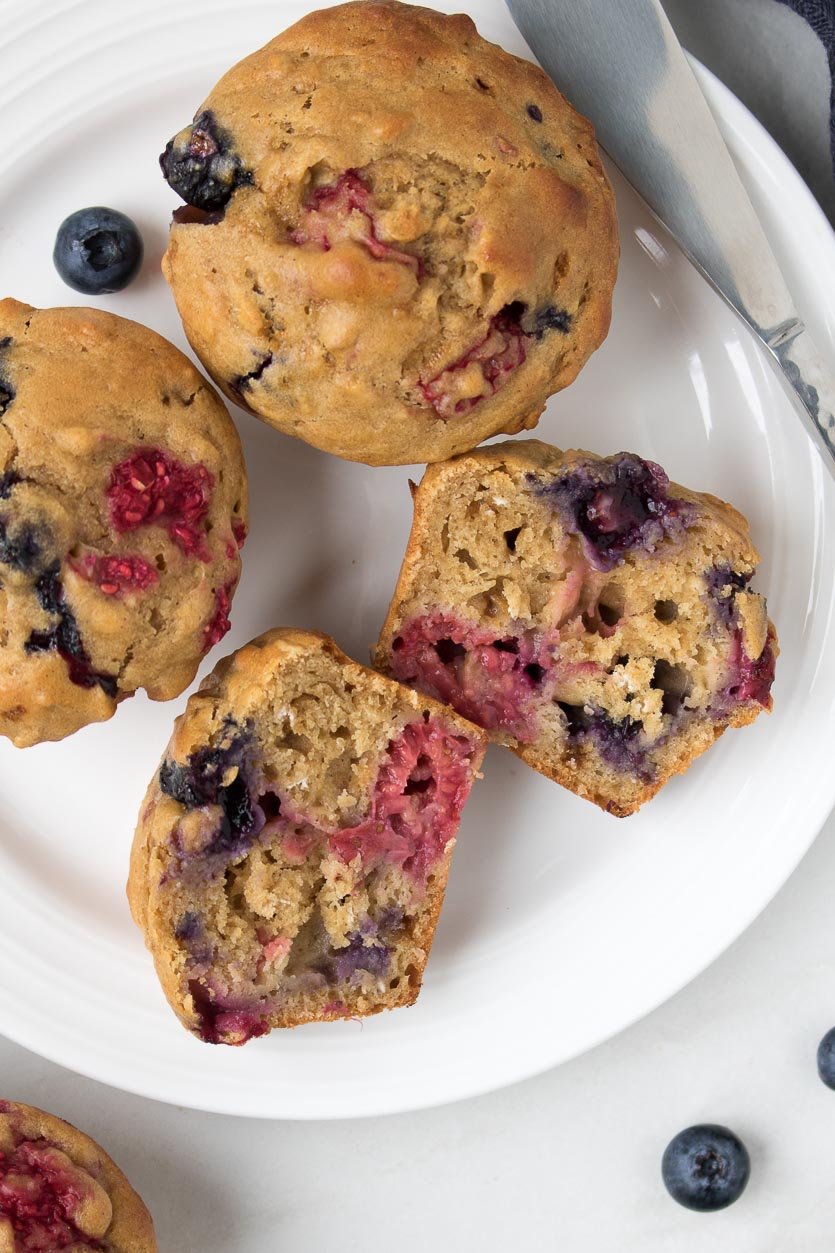
  • Mixed Berry Muffins
  • Super Seed Brittle
  • Chocolate Cherry Energy Bites
  • Dill Pickle Popcorn

All of these healthy road trip snacks are packed in stainless steel containers from DALCINI Stainless. Not only are they easy to pack, but they are easy to wash, easy to store, and help to eliminate single-use plastics and the dangerous chemicals found in plastic containers.


Pesto Potato Salad

Published on July 28, 2019 by Stephanie Kay

This pesto potato salad is a quick and easy side dish that is perfect for any summer BBQ. It can be served hot or cold and keeps really well in the fridge so you can enjoy it for breakfast, lunch, and dinner for days to come.

Pesto Potato Salad


There are essentially two ways to make this recipe; 1) as per the directions, or 2) the shortcut way, and the shortcut way is probably the way I would go myself. Although this recipe includes a scratch-made pesto, finding a good quality store-bought pesto is actually really easy, and it can save you a ton of time and money. When shopping for pesto, ensure that you read the ingredients and opt for versions made with olive oil as opposed to vegetable or canola oil whenever possible, as this will help to limit the inflammatory effects of vegetable oils while maximizing flavor. Since pesto is so versatile, it’s a great staple ingredient to keep on hand as it can be used as a condiment for meat, eggs, and vegetables or used as a simple dressing for salads.


Print

Pesto Potato Salad

Author: Stephanie Kay

Hot or cold, this pesto potato salad is a great side dish for any summer BBQ! Plus, it stores well in the fridge as leftovers for days to come.

  • Author: Stephanie Kay
  • Prep Time: 10 minutes
  • Cook Time: 15 minutes
  • Total Time: 25 minutes
  • Yield: 6 servings 1x
  • Category: Salads, Sides
  • Cuisine: Gluten-Free
  • Diet: Low Calorie
Print Recipe
Pin Recipe

Ingredients

  • 1 1/2 lbs baby potatoes
  • 1/4 cup olive oil
  • 2 cups fresh basil, loosely packed
  • 1 clove garlic
  • 2 tablespoons pine nuts
  • 2 tablespoons parmesan cheese, grated
  • Sea salt
  • Black pepper
  • 2 eggs

Instructions

  1. Bring a large pot of water to a boil, add potatoes and cook for 12-15 minutes until they are tender and can easily be pierced with a fork.
  2. In a seperate small pot, bring water to a boil, gently add eggs, and boil until cooked to your liking; 8 minutes for medium, 10 minutes for hard-boiled, or 12 minutes for extra hard-boiled.
  3. While the potatoes and the eggs are cooking, combine the olive oil, basil, garlic, pine nuts, parmesean cheese, a pinch of salt and pepper in a blender, and blend until smooth. You may need to add more oil to get the desired consistency, and season with additional salt and pepper to taste.
  4. Once the eggs have finished cooking, remove them from the pot and submerge them in a bowl of cold water to cool. Once cool to the touch, peel the eggs and then cut them into quarters.
  5. Once the potatoes are cooked, strain them and then run them under cold water to help stop the cooking process.
  6. Once potatoes have cooled slightly, cut them into bite-size pieces, halved or quartered is fine, and add them to a large bowl.
  7. Once all of the potatoes have been cut, cover the potatoes with the pesto and then toss to combine. Set aside and allow to cool. (This salad can also be served warm if you prefer.)
  8. Once you are ready to serve, top potatoes with eggs, and season with additional parmeseam cheese, salt and pepper to taste.
  9. This salad can be eaten immediately or stored in the fridge for up to 5 days.

Nutrition

  • Serving Size: 1 serving
  • Calories: 223 calories
  • Sugar: 1 grams
  • Fat: 15 grams
  • Carbohydrates: 19 grams
  • Fiber: 4 grams
  • Protein: 6 grams

Did you make this recipe?

Share a photo and tag us — we can’t wait to see what you’ve made!

Honey Mustard Salmon

Published on July 21, 2019 by Stephanie Kay

Made with minimal ingredients and ready in under 30 minutes, this honey mustard salmon is a perfect weeknight meal. Not to mention, with its sweet and sticky flavour and texture, it’s sure to be a hit with the whole family.

Honey Mustard Salmon


I’ve actually already shared a very similar recipe to this one with my curried honey mustard chicken, which happens to be one of the most popular recipes on my blog, so I figured why not do something similar with salmon?

In truth, these marinades are completely interchangeable and they will also work well on pork, turkey and white fish alike. Not only are these types of marinade great because they are made with common ingredients, but they are also a great way to introduce fish dishes to people who aren’t super keen on seafood. The combination of sweet and savoury helps to mask some of that “fishy” flavour for those who aren’t accustomed to it, and the extra sauce is the perfect addition to a side dish like rice, potatoes or veggies.

Plus, after a long day of work, there is nothing better than a quick and easy meal that is packed full of flavour and this honey mustard salmon is exactly that! Just stir the marinade ingredients together, pour them over the salmon, pop it in the oven, and sit back and relax while it does all of the work.

More Healthy Salmon Recipes:

  • Honey Ginger Grilled Salmon
  • Slow-Roasted Salmon with Fresh Herbs
  • Pistachio Crusted Salmon
Print

Honey Mustard Salmon

Author: Stephanie Kay

This baked honey mustard salmon recipe calls for Dijon mustard, however, you can truly use any type of mustard you like.

  • Author: Stephanie Kay
  • Prep Time: 5 minutes
  • Cook Time: 20 minutes
  • Total Time: 25 minutes
  • Yield: 4 servings 1x
  • Category: Mains
  • Cuisine: Dairy-Free, Gluten-Free, Paleo
  • Diet: Gluten Free
Print Recipe
Pin Recipe

Ingredients

  • 4 salmon fillets
  • 1/4 cup olive oil
  • 1/4 cup honey
  • 1/4 cup Dijon mustard
  • 2 cloves garlic, grated
  • 1/2 lemon, juiced
  • 1/4 teaspoon sea salt
  • 1/8 teaspoon black pepper

Instructions

  1. Preheat oven to 400°F.
  2. In a small bowl, combine olive oil, honey, mustard, garlic and lemon juice, whisk to combine and set aside.
  3. Add salmon fillets to a baking dish and season with salt and pepper all over.
  4. Cover salmon with honey mustard mixture, cover baking dish with alumnium foil, and transfer to the oven to bake for 20 minutes.
  5. Once salmon is cooked, remove from the oven and serve with an extra spoonful of sauce on top!

Nutrition

  • Serving Size: 1 fillet
  • Calories: 357 calories
  • Sugar: 18 grams
  • Fat: 19 grams
  • Carbohydrates: 20 grams
  • Fiber: 0 grams
  • Protein: 26 grams

Did you make this recipe?

Share a photo and tag us — we can’t wait to see what you’ve made!


The Best Types of Salt to Use

Published on July 18, 2019 by Stephanie Kay

Salt is arguably one of the most important cooking ingredients and one of the hottest debated topics in the nutrition community. Over the years, salt has been blamed for numerous health conditions, but is all salt really as dangerous as we have been led to believe? The reality is, not all salt is created equal and understanding the different types is imperative to optimizing health. With so many different varieties available it can be confusing to know which to choose and why, so let’s discuss salt, its functions, its benefits, and the different types in order to determine the best types of salt to use in your diet.

The Best Types of Salt to Use


Why We Need Salt

Salt is a crystalline substance made of sodium and chloride and is one of several dozen minerals we need to survive. The human body can’t store much salt on its own so we need to consume it through our diet in order for it to carry out many vital functions in the body. Salt is important for balancing the fluid level of the blood, regulating extracellular fluid, managing the body’s acid-alkaline balance, functions of the nervous system, adrenal system, stomach acid production, and proper nutrient absorption in the intestinal tract. In fact, we are hard-wired to crave salt to ensure that we consume adequate amounts.

Part of the confusion surrounding salt lies in the lack of differentiation in the format in which it is consumed. Although salt is necessary for optimal health, even too much of a good thing can be a bad thing, and not all forms of salt are the same. The reality is, most sodium in the standard North American diet now comes from processed foods, not the salt shaker, as roughly 70% of salt is consumed through food products off the grocery store shelf. By eating a diet rich in processed food, we are no longer able to control our salt intake and the format in which we consume it. On the contrary, when consuming a diet rich in whole foods, salt is not present in the food, and it must, therefore, be added during the cooking process. In fact, it has been shown that both high and very low intakes of salt can contribute to health concerns. So, when consuming whole foods and cooking from scratch it is important to understand the best types of salt to use in order to avoid refined versions of it.

The Best Salt to Use

Sea Salt

As the name suggests, sea salt comes from seawater, which is evaporated to make sea salt. The term sea salt is actually a broad term that incorporates various types as it can include Black, Celtic, French, or Hawaiian sea salt. Due to the different sources and production processes, sea salts are found in varying colors and textures including grey, black, fine, flaky, and coarse. For instance, fleur de sel, grey salt, and Maldon salt are the less refined result of the gradual evaporation of seawater and can take up to 5 years to make, while granular sea salt is produced by rapidly boiling ocean water in a closed vacuum. Both forms can be used in a healthy diet, although granular sea salt is best used for everyday cooking, while fleur de sel and Maldon salt provide a pleasant texture making them ideal for garnishing or finishing dishes.

Rock Salt

Rock salt comes from salt mines, from ancient lakes and seas which now lie far underground, and rock salt can come under many names. Popular forms of rock salt include Himalayan salt, pink salt, and ancient salt. The pink color of some rock salt comes from their rich iron content, and some sources have been shown to include over 84 minerals and trace elements, including calcium, magnesium, potassium, and copper. Rock salt can be made into many different formats, including fine grain, kosher, coarse, and powder salt.

Kosher Salt

Kosher salt is a coarse grain salt made from land salt mines but is less processed than table salt. Contrary to popular belief, not all kosher salt is actually certified kosher, rather it is named after the koshering process when larger-grained versions of salt were used to remove the blood from the meat. Although most kosher salt does not contain added iodine or anti-caking agents, some brands may so it is best to read the ingredients to be sure. Given it is slightly less expensive than some sea salts, kosher salt is a great option for everyday cooking.

What About Table Salt?

Regular table salt, also known as iodized salt, is the salt that you find in processed foods and on most restaurant tables. Iodized salt came to light in the 1920s when iodine deficiency was a common health problem, however, these days you can get sufficient amounts of iodine from natural sources as long as you are eating a diverse diet of whole foods. Table salt is heat processed and stripped of its natural trace minerals, and commonly contains anti-caking agents to help prevent clumping and sugar or dextrose to help stabilize the iodine. Although neither is overly harmful, there is no value in adding them to your food when you can add natural salt by itself, so avoiding table salt as much as possible is recommended.

The Bottom Line

Salt does not deserve the bad reputation it has received, and adding natural salt to whole foods can help to make dishes more palatable while supporting health at the same time. There is no need to avoid salt entirely unless otherwise specified by a health practitioner, rather, it is best to avoid table salt and processed foods that contain refined salt. As with all food, when opting for salt be sure to read the ingredients and choose options that contain 100% salt and nothing else.

Berry and Chia Yogurt Parfait

Published on July 14, 2019 by Stephanie Kay

Made with plain yogurt, chia seeds, and fresh or frozen berries of your choice, this berry and chia yogurt parfait is a quick and easy grab-and-go breakfast that you can enjoy at home, on the road, or at work any day of the week.

Berry & Chia Yogurt Parfait

Yogurt parfaits are sold in just about every coffee shop and breakfast spot, but not all yogurt parfaits are created equal. Unfortunately, more often than not, pre-made versions are made with flavored yogurts and some of the more popular options can come packed with up to 25 grams of sugar making them more of a dessert than an ideal breakfast.

The good news is that it is really easy to make a healthy homemade yogurt parfait as long as you use the right ingredients. By opting for plain, full-fat yogurt instead of flavored you can avoid unwanted ingredients and added sugars, and ensure that you are still getting the oh-so-important fat-soluble nutrients naturally found in yogurt. The yogurt aisle is truly one of the most confusing sections in the grocery store, so the more you know how to buy healthy yogurt, what to look for, and why, the easier it will be to ensure you are making a good choice.

Although most yogurt parfait recipes are made with granola, I opted to use chia seeds instead to help provide some plant-based protein, healthy fat, as well as added texture. Paired with fresh berries, a splash of vanilla, and a drizzle of honey, this naturally sweetened berry, and chia yogurt parfait recipe is a protein-packed breakfast that the whole family is sure to love.

More Berry and Yogurt Breakfast Ideas:

  • Protein Overnight Oats
  • Berry Baked Yogurt
  • Strawberry Overnight Oats
  • Strawberry Smoothie Bowl
Print
Berry & Chia Yogurt Parfait

Berry and Chia Yogurt Parfait

Author: Stephanie Kay

Ready in 5 minutes and packed with 10 grams of protein, this berry and chia yogurt parfait is a great meal prep idea for a grab-and-go breakfast.

  • Author: Stephanie Kay
  • Prep Time: 5 minutes
  • Total Time: 5 minutes
  • Yield: 1 serving 1x
  • Category: Breakfast
  • Method: No Cook
  • Cuisine: American
Print Recipe
Pin Recipe

Ingredients

  • 3/4 cup plain yogurt
  • 1 tablespoon chia seeds
  • 1 teaspoon honey
  • 1/2 teaspoon vanilla extract
  • 3/4 cup berries, fresh or frozen

Instructions

  1. In a small bowl, combine yogurt, chia seeds, honey and vanilla extract and stir until well combined.
  2. In a mason jar or container, add fresh or frozen berries to the bottom and break them up using a fork. If using frozen berries, you may need to let them thaw or zap them for 10 seconds in the microwave to soften them slightly.
  3. Top crushed berries with yogurt mixture and transfer to the fridge overnight or for at least 10 minutes. This will allow the chia seeds to soften and expand and provide a better texture.
  4. In the morning, remove from the fridge and top with extra toppings of your choice!

Notes

Want to add more protein? Use plain Greek yogurt instead of regular yogurt to increase the protein content to 21 grams per serving.

Nutrition

  • Serving Size: 1 jar
  • Calories: 266 calories
  • Sugar: 26 grams
  • Fat: 10 grams
  • Carbohydrates: 36 grams
  • Fiber: 7 grams
  • Protein: 10 grams

Did you make this recipe?

Share a photo and tag us — we can’t wait to see what you’ve made!


Strawberry Chicken Salad

Published on July 11, 2019 by Stephanie Kay

This strawberry chicken salad with balsamic dressing is exactly how summer meals should be; quick, easy, and packed full of fresh flavors! This recipe is about as straightforward as they come, but it is a good reminder that simpler is often better, especially in the summer months.

Strawberry Chicken Salad


I often find myself looking for new ways to marinate meat for the grill, but the truth is it doesn’t need to be fancy or complicated. By simply making a little extra dressing for your salad, you can use it to add a punch of flavor to meat without much effort at all. Store-bought dressings will most certainly work (be sure to opt for versions made with olive oil as opposed to vegetable oil) but, in my opinion, making dressings from scratch will always be the cheapest and most flavourful option. The key to any good salad is the dressing, so once you’ve got a few simple salad dressing recipes in your tool kit you will be able to create endless combinations for days to come.

The best part about this strawberry chicken salad is that it stores really well in the fridge so it is also a great meal prep idea! Simply grill the chicken, prepare the salad, store it in individual containers, and then drizzle it with the dressing when it’s time to eat.

Print

Balsamic Strawberry Chicken Salad

Balsamic Strawberry Chicken Salad

Author: Stephanie Kay

This strawberry chicken salad with balsamic dressing is packed with all of the fresh flavours of summer and works equally well as a quick and easy lunch or dinner.

  • Author: Stephanie Kay
  • Prep Time: 10 minutes
  • Cook Time: 20 minutes
  • Total Time: 30 minutes
  • Yield: 2 servings 1x
  • Category: Salads
  • Cuisine: American
  • Diet: Gluten Free
Print Recipe
Pin Recipe

Ingredients

  • 2 chicken breasts, boneless, skinless
  • 6 cups arugula
  • 1 cup strawberries, sliced
  • 1/4 cup red onion, thinly sliced
  • 1/4 cup almonds, roughly chopped
  • 1/4 cup goat cheese, crumbled
  • 3 tablespoons olive oil
  • 1 tablespoon balsamic vinegar
  • 1 teaspoon honey
  • 1 teaspoon Dijon mustard
  • 1/4 teaspoon sea salt, plus more for seasoning
  • 1/8 teaspoon black pepper, plus more for seasoning

Instructions

  1. In a small bowl or jar, combine the olive oil, balsamic vinegar, honey, Dijon mustard, salt and pepper, and whisk to combine.
  2. In a separate large bowl, add chicken breasts, season with a pinch of salt and pepper, cover with just less than half of the dressing mixture, and transfer to the fridge for 30 minutes. If time does not permit to marinate the chicken, simply ensure the chicken is well coated in the dressing before adding it to the grill.
  3. Heat a grill or grill pan to medium-high heat. Once warm, add chicken and grill for 12-15 minutes, flipping once, until cooked through. Once the chicken is cooked, allow to cool for 2-3 minutes, and then thinly slice.
  4. While the chicken is cooking, add arugula, strawberries, sliced onion, chopped almonds and goat cheese to a bowl, drizzle with remaining dressing and toss to combine.
  5. Top the salad with sliced chicken, and season with extra salt, pepper and goat cheese to taste.

Nutrition

  • Serving Size: 1 salad
  • Calories: 567 calories
  • Sugar: 11 grams
  • Fat: 39 grams
  • Carbohydrates: 18 grams
  • Fiber: 5 grams
  • Protein: 37 grams

Did you make this recipe?

Share a photo and tag us — we can’t wait to see what you’ve made!

BBQ Grilled Vegetables

Published on June 30, 2019 by Stephanie Kay

I’m always looking for fun new ways to use vegetables, but sometimes just keeping it simple is best, especially during the summer months. Tossed in oil and sprinkled with seasoning, grilling is a quick and easy way to cook your favorite summer veggies in just a few minutes. Not only are they delicious as a warm side dish, but they store very well in the fridge so you can easily reheat them or eat them cold in a simple salad.

BBQ Grilled Vegetables

Although this recipe calls for specific veggies, you can truly use almost any type you like, so feel free to experiment with whatever you’ve got on hand. These grilled vegetables are just another quick and easy recipe that you can add to your summer recipe repertoire!

More Grilled Vegetable Recipes:

  • Grilled Vegetable and Ricotta Sandwich


Print

BBQ Grilled Vegetables

BBQ Grilled Vegetables

Author: Stephanie Kay

The grilled vegetables in this recipe are merely a suggestion, so feel free to experiment with anything you’ve got on hand; cherry tomatoes, yellow squash, carrots and eggplant would all work equally well.

  • Author: Stephanie Kay
  • Prep Time: 5 minutes
  • Cook Time: 10 minutes
  • Total Time: 15 minutes
  • Yield: 8 cups 1x
  • Category: Sides
  • Method: Grilled
  • Cuisine: American
Print Recipe
Pin Recipe

Ingredients

  • 1 bunch asparagus, trimmed
  • 1 red bell pepper, sliced
  • 1 yellow bell pepper, sliced
  • 1 zucchini, cut into rounds
  • 1 red onion, cut into wedges
  • 1 pint mushrooms, trimmed
  • 2 tablespoons olive oil
  • 2 teaspoons Italian seasoning
  • 1/2 teaspoon garlic powder
  • 1/2 teaspoon sea salt
  • 1/4 teaspoon black pepper

Instructions

  1. Add the chopped vegetables to a large bowl or baking sheet, drizzle with oil, and sprinkle with Italian seasoning, garlic powder, salt and pepper.
  2. Using your hand or tongs, toss the vegetables in the oil and seasoning until well coated. Feel free to add more oil and seasoning if needed.
  3. Heat a grill to medium-high heat, add vegetables to the grill (working in batches if needed), and cook for 8-10 minutes, turning once, until tender and lightly charred all over. Different vegetables may take more or less time, so be sure to keep a watchful eye on them.
  4. Once cooked, remove them from the grill and season with additional salt and pepper to taste.
  5. The grilled vegetables can be served immediately or stored in an air-tight container in the fridge for up to 5 days.

Nutrition

  • Serving Size: 1 cup
  • Calories: 59 calories
  • Sugar: 2 grams
  • Fat: 4 grams
  • Carbohydrates: 6 grams
  • Fiber: 2 grams
  • Protein: 2 grams

Did you make this recipe?

Share a photo and tag us — we can’t wait to see what you’ve made!

  • Previous
  • 1
  • …
  • 37
  • 38
  • 39
  • 40
  • 41
  • …
  • 58
  • Next

Recipes

  • Dinner
  • Breakfast
  • Meal Prep
  • Snacks

Nutrition

  • FAQs
  • Tips
  • This vs. That
  • Weight Loss

Connect

  • Instagram
  • Youtube
  • About
  • Cookbooks

About Stephanie

I’m a nutritionist on a mission to change the way you look at food and teach you how to make real food work for real life in a realistic way.

Learn More

Site Credits
2023 © Stephanie Kay Nutrition | Privacy Policy
To Top