Stephanie Kay Nutrition

Stephanie Kay Nutrition

Real Food for Real Life

  • recipes
    • all recipes
    • Breakfast
    • Lunch
    • Dinner
    • Soups & Stews
    • Salads
    • Sides
    • Snacks
  • nutrition
    • All Articles
    • Tips
    • FAQs
    • This vs. That
    • How To/Guides
    • Weight Loss
  • resources
    • 10 Days of Nutrition
    • 7-Day Meal Plan
    • Balanced Meal Guide
    • 5-Ingredient Cookbook
    • Lunch Box Cookbook
  • About
    • About Steph
    • Contact
  • recipes
    • all recipes
    • Breakfast
    • Lunch
    • Dinner
    • Soups & Stews
    • Salads
    • Sides
    • Snacks
  • nutrition
    • All Articles
    • Tips
    • FAQs
    • This vs. That
    • How To/Guides
    • Weight Loss
  • resources
    • 10 Days of Nutrition
    • 7-Day Meal Plan
    • Balanced Meal Guide
    • 5-Ingredient Cookbook
    • Lunch Box Cookbook
  • About
    • About Steph
    • Contact
  • Dinner
  • Breakfast
  • Meal Prep
  • Nutrition Tips
  • facebook
  • instagram
  • pinterest
  • youtube

Almond Croissant Baked Oats

Published on April 17, 2025 by Stephanie Kay

Topped with a layer of frangipane, flaked almonds, and a dusting of powdered sugar, these almond croissant baked oats are everything you love about almond croissants and oatmeal baked into a single pan.

Slice of almond croissant baked oats on a white plate with Greek yogurt and maple syrup on top with a gold fork.

While you can never truly replicate the buttery, flaky layers in a well-crafted croissant, these baked oats are inspired by the classic almond pastry and – if I do say so myself – absolutely delicious! The layer of frangipane gives the oats the perfect amount of almond flavor, while simultaneously adding some healthy fats and fiber.

So, whether you’re looking for a tasty new breakfast idea or something to serve to guests for a holiday brunch, this almond croissant baked oatmeal recipe is the perfect addition to a morning meal.

White baking dish of almond croissant baked oats with powdered sugar on top with a beige striped tea towel, gold serving spoon, wood bowl of flaked almond, maple syrup, and coffee on the side.

Why You’ll Love Them

  • Full of Flavor – Straight out of the oven, the baked oats taste just like fresh almond croissants.
  • Full of Fiber – The combination of rolled oats and almond flour ensures each serving contains 5 grams of fiber.
  • Great for Meal Prep – These baked oats keep well in the fridge and freezer, so they are a great-make-ahead breakfast.
Ingredients for almond croissant baked oats: rolled oats, almond flour, eggs, brown sugar, white sugar, butter, almond extract, vanilla extract, milk, baking powder, salt, and flaked almonds.

Ingredients + Substitutions

  • Rolled Oats – To make the baked oats and add some complex carbohydrates. The recipe calls for rolled oats, but quick-cooking oats will also work. Steel-cut oats and instant oats are not recommended.
  • Almond Flour – To make the almond paste and add some healthy fats.
  • Almond Extract – To enhance the flavor of the almond paste.
  • Vanilla Extract – To flavor the baked oatmeal.
  • Milk – To cook the oats and add some protein. I used regular milk; however, almond milk will also work.
  • Egg – To bind the oats and almond paste and add some protein.
  • Butter – To make the paste, ensure the oats are moist, and add some fats.
  • Sugar – Some brown sugar to sweeten the baked oats and white sugar to sweeten the paste.
  • Leavening Agents – A mixture of baking powder and salt to ensure the oats are fluffy.
  • Flaked Almonds – To give the baked oats a traditional croissant look.
  • Powdered Sugar – To serve, although optional.
Glass bowl with melted butter, egg, almond flour, white sugar, and almond extract.
Glass bowl with frangipane batter.

Dietary Adaptions

To Make Them Gluten-Free: Use certified gluten-free rolled oats.

To Make Them Dairy-Free: Swap the milk for almond milk and the butter for coconut oil.

White baking dish with baked oat batter.
White baking with baked oat batter and frangipane batter on top.

Red’s Nutrition Tip

These almond croissant baked oats are slightly higher in calories than traditional baked oatmeal due to the almond flour and its high-fat content. Fats are more calorie-dense than other macronutrients, as they provide 9 calories per gram, while carbohydrates and protein provide 4 calories per gram.

If you have a goal of weight loss and are working to create a calorie deficit, you can reduce the portion size or serving size to a level that supports your goals.

Serving Suggestions

These almond baked oats are a great source of complex carbohydrates, fiber, and healthy fats. To make them a more balanced meal, serve them with an extra protein source. For example, serve them with a:

  • Topping of Greek yogurt or skyr
  • Side of scrambled eggs
  • Side of turkey sausage
  • Side of cottage cheese

You could also add a scoop of vanilla protein powder to the oat batter to increase the protein content of the oatmeal.

White plate with a slice of baked almond croissant oatmeal with powdered sugar, greek yogurt, and maple syrup on top and flaked almond on the side.

Storage + Reheating

To Refrigerate: Once baked and cooled, these baked oats can be stored in an airtight container in the fridge for up to 5 days.

To Freeze: Once cooled completely, the baked oats can be stored in the freezer for up to 3 months. To freeze the baked oatmeal whole, cover the baking dish with plastic wrap and/or aluminum foil and then place the entire baking dish in a freezer-safe bag. To freeze leftovers or individual portions, transfer the baked oatmeal into single-serving airtight containers and transfer them to the freezer.

To Reheat: To reheat the baked oats whole, cover the baking dish with aluminum foil and warm it in the oven at 350°F for 10-15 minutes. To reheat individual portions, place the portion in an oven-proof baking dish in the oven for 5-10 minutes or in the microwave in a microwave-safe dish for 1-2 minutes. To reheat the baked oats from frozen, allow it to thaw in the refrigerator or at room temperature and then reheat it in the oven or microwave as per the above directions.

Close up of a piece of baked oatmeal with almond croissant frangipane on the top with vanilla yogurt and powdered sugar.

More Baked Oats Recipes:

  • Carrot Cake Baked Oatmeal
  • Banana Bread Baked Oatmeal
  • Apple Pie Baked Oatmeal
  • Baked Steel Cut Oatmeal

Natural Sugar vs. Added Sugar: What’s the Difference?

Published on April 15, 2025 by Stephanie Kay

While most people know that too much sugar can be problematic for health, not all sugar is created equal. Here is a breakdown of natural sugar vs. added sugar, the pros and cons of each, and some tips on how to limit your added sugar intake.

Pile of fresh strawberries and a strawberry cupcake on a white background.

Table of contents

  • What’s the difference between natural sugar and added sugar?
  • Nutrition of Natural vs. Added Sugars
  • Health Benefits of Natural Sugars
  • Problem with Added Sugars
  • How much added sugar can you eat in a day?
  • How to Identify Added Sugars

What’s the difference between natural sugar and added sugar?

Natural sugars are the sugars naturally occurring in unprocessed foods. Sugar is a form of carbohydrate and includes monosaccharides (glucose, fructose, and galactose) and disaccharides (sucrose, maltose, and lactose) (1). Examples of foods with natural sugars include:

  • Fruits
  • Vegetables
  • Milk, and dairy products

Added sugars are sugars that are added during the production of processed foods, such as sucrose or corn syrup, packaged as sweeteners, such as table sugar or honey, or sugars from concentrated fruit and vegetable juices (2). Examples of added sugars include:

  • White sugar
  • Brown sugar
  • Cane sugar
  • Coconut sugar
  • High fructose corn syrup
  • Honey
  • Maple syrup
  • Agave nectar

In addition to natural and added sugar, the term “refined sugars” is commonly used. Refined sugars are sugars obtained by extracting natural sugars from foods such as sugar cane, sugar beets, or corn. They are highly processed and used to sweeten foods and beverages as added sugar.

Refined sugars are always classified as added sugars; however, added sugars are not always refined. For example, raw honey is a natural sugar and can be added to food during the production process, however, raw honey itself is not refined. Although raw honey can be refined, therefore, not all honey is 100% natural.

Infographic of natural sugar vs. added sugar.

Nutrition of Natural vs. Added Sugars

Naturally occurring sugars are naturally found in the presence of other macronutrients and micronutrients, while added sugars, particularly refined sugars, are generally void of nutrients. Here is a nutrient comparison of foods with different types of sugar (3, 4, 5, 6):

Nutrition1 banana1 cup carrots1 cup milk2 tsp sugar
Calories94 calories53 calories122 calories32 calories
Protein0.8 grams1.2 grams8.2 grams0 grams
Fat0.2 grams0.3 grams4.7 grams0 grams
Carbohydrates22.1 grams12.3 grams12.0 grams8.0 grams
Fiber1.9 grams3.6 grams0 grams0 grams
Sugar17.4 grams6.1 grams12.0 grams8.0 grams
Vitamin A1 mcg1,068 mcg203 mcg0 grams
Vitamin B60.3 mg0.2 mg0.2 mcg0 grams
Vitamin C10.7 mg7.6 mg0 grams0 grams
Calcium5.5 mg42.0 mg309 mg0 grams
Potassium394 mg410 mg390 mg0 grams
Magnesium29.7 mg15.4 mg29.4 mg0 grams

Health Benefits of Natural Sugars

There are many health benefits of consuming natural sugars from whole foods such as fruits, vegetables, and dairy. Natural sugars are a:

  • Source of energy
  • Source of fiber
  • Source of vitamins and minerals
  • Source of antioxidants

Given that natural sugars are present in whole foods and are good sources of fiber and micronutrients, they can aid in balancing blood sugar and improve satiety and weight management.

Problem with Added Sugars

While added sugars are safe to consume in moderate amounts as part of a balanced diet, excessive consumption of added sugars can contribute to various health problems. The concerns of added sugar include (7, 8, 9, 10, 11):

  • Void of fiber
  • Void of vitamins and minerals
  • Void of antioxidants
  • Contribute to weight gain and obesity
  • Increase chronic inflammation
  • Increase the risk of type 2 diabetes
  • Increase the risk of heart disease
  • Increase the risk of tooth decay

How much added sugar can you eat in a day?

The Dietary Guidelines for Americans recommends that added sugars should make up no more than 10% of total calorie intake, and ideally no more than 5% (12). For an average 2,000-calorie-a-day diet, that is roughly 200 calories, 12 teaspoons, or 48 grams of added sugars from both food and beverages.

This would include everything from fruit juices with added sugar to granola bars and sweetened coffee, for example (13, 14, 15, 16, 17, 18):

  • 1 can of soda contains 39 grams of added sugars
  • 1 cup of fruit punch contains 22 grams of added sugars
  • 1 granola bar contains 12 grams of added sugars
  • 3/4 cup vanilla yogurt contains 11 grams of added sugars
  • 1 cup of breakfast cereal contains 12 grams of added sugars
  • 1 tall caramel macchiato contains 23 grams of added sugars

Unfortunately, the average American consumes over 500 calories of sugar per day, which is 25% of the recommended daily calorie intake for women and 20% of the recommended daily calorie intake for men (19). While it’s not possible to become addicted to sugar in the same way as drugs or alcohol, it is possible to develop a strong dependence on sugar, leading to cravings and overconsumption, which can lead to serious health problems.

How to Identify Added Sugars

The best way to identify added sugars is to read food labels on food products and beverages. The nutrition facts label lists the amount of “Total Sugars” and “Added Sugars” the product contains (2). The “Total Sugars” includes all sugars present, both natural and added, while the “Added Sugars” distinguishes those that were added during the processing of the product.

The ingredients list will also display all ingredients and added sugars, listed in descending order by weight, in food and beverages. Words for added sugar include those ending in “ose”, such as fructose, sucrose, maltose, and dextrose; words with sugar in the name, such as brown sugar, cane sugar, and coconut sugar; syrups such as corn syrup, high-fructose corn syrup, and rice syrup; and other words such as agave nectar and fruit juice concentrates.

The Bottom Line

Natural sugars are found in nutrient-dense whole foods, while added sugars are sugars added to processed foods. While many foods and beverages contain sugar, including apples, sweet potatoes, and sugar-sweetened beverages, added sugars are void of nutritional value and contribute to many serious health concerns. To limit intake of added sugars, read the nutrition facts label and ingredients list on food labels.

How Much Water Should You Drink?

Published on April 13, 2025 by Stephanie Kay

Drinking water helps you stay hydrated and ensure your body can function properly, but exactly how much water should you drink? Here is a breakdown of hydration facts and some simple to help you keep your fluid intake up.

Small glass of water on a wood coaster on a wood table.

Table of contents

  • Health Benefits of Drinking Water
  • Factors that Affect Water Intake
  • How to Calculate How Much Water to Drink a Day
  • How do you know if you’re drinking enough water?
  • What Contributes to Water Intake
  • Tips to Increase Water Intake

Health Benefits of Drinking Water

Water is an essential nutrient and proper hydration is vital for optimal health. Water accounts for roughly 60% of total body weight and it plays an important role in energy, mood, performance, and body composition (1). For instance, water helps to (2, 3):

  • Move nutrients and oxygen to cells
  • Flush waste from the body
  • Regulate body temperature
  • Normalize blood pressure
  • Cushion organs
  • Protect joints
  • Maintain electrolyte balance (sodium levels)
  • Lower your risk of dehydration and heat stroke
  • Improve skin health

Factors that Affect Water Intake

Exactly how much water you should drink depends on a host of genetic and lifestyle factors, including:

  • Weight: Body size influences water intake as larger bodies will require more water than smaller bodies.
  • Genetics: Some individuals naturally sweat more than others and will, therefore, require more water to replenish lost fluids.
  • Activity Level: Individuals with manual jobs or who exercise more regularly will require more water than sedentary individuals. Water needs generally increase with the intensity and duration of exercise.
  • Climate: Temperature and humidity play a large role in water intake, as hotter and more humid environments typically require higher water intake.
  • Location: Altitude can also affect water intake as the lower oxygen levels at higher altitudes can lead to faster water loss through increased breathing and urination (4).
  • Diet: A diet higher in processed food might require more fluids than a diet rich in whole foods, as many whole foods naturally contain more water. Moreover, diets with higher carbohydrate and sodium intake can affect your hydration needs.
  • Medication: Certain medications can affect water needs.
  • Pregnancy and Breastfeeding: Women who are pregnant or breastfeeding have greater water needs.

For example, larger individuals who exercise regularly in hot conditions require more water than smaller individuals who are sedentary in cooler climates.

How to Calculate How Much Water to Drink a Day

Given that hydration needs vary greatly from person to person, there is no one-size-fits-all recommendation for water intake. While there are some general guidelines for daily fluid intake, it’s important to understand that they are simply that, guidelines.

In fact, the very popular “8×8” recommendation to drink eight 8-ounce glasses of water a day has little scientific evidence to support it, and the “1 ounce of water per pound of body weight” calculation commonly used in the bodybuilding community is merely a suggestion.

While different health bodies provide different guidelines, on average, it is suggested that the total water intake for men is 15.5 cups (3.7 liters) per day, and the total water intake for women is 11.5 cups (2.7 liters) per day (5, 6, 7). These estimates, however, include water consumed from foods and beverages.

DemographicTotal Water Intake per Day
Children 4 to 8 years old1.7 liters, or 7 cups
Males 9 to 13 years old2.4 liters, or 10 cups
Females 9 to 13 years old 2.1 liters, or 9 cups
Males 14 to 18 years old3.3 liters, or 14 cups
Females 14 to 18 years old 2.3 liters, or 10 cups
Males 19 years or older3.7 liters, or 15.5 cups
Females 19 years or older2.7 liters, or 11.5 cups
Pregnancy 18 years or older3.0 liters, or 12.5 cups
Lactation 18 years or older 3.8 liters, or 16 cups

Interestingly, data shows that many Americans are not drinking enough water. A US National Health and Nutrition Examination survey found that children and adolescents have an average daily water intake of 23 ounces (3 cups), while adults have an average daily water intake of 44 ounces (5.5 cups), missing the dietary reference intakes (8).

Infographic of a hydration chart to determine if you're drinking enough water.

How do you know if you’re drinking enough water?

Here are some questions you can ask yourself to know if you’re drinking enough water:

  • Do you feel thirsty? If you feel thirsty or have a dry mouth, you need to drink more water. Thirst is generally a sign that you’re already slightly dehydrated, while rare thirst is a sign you’re adequately hydrated.
  • What color is your urine? Urine color is a strong indicator of hydration levels. A dark yellow urine color is a sign that you’re not getting enough fluids and need to drink more water. A light yellow urine color is a sign that you are properly hydrated. The amount of urine you produce is also a sign of hydration status. If you’re not producing much urine and it’s dark in color you need to drink more water.
  • How’s your mood? Headaches, dizziness, fatigue, and weakness are all potential signs you’re dehydrated.

What Contributes to Water Intake

While water intake is generally thought of as plain drinking water, our total water intake includes drinking water, water in beverages, and water that is part of food. Approximately 80% of our daily water intake comes from beverages, while the other 20% usually comes from foods (9). Here are some examples of foods and beverages that contribute to water intake:

  • Plain Water
  • Sparkling Water
  • Milk
  • Juices
  • Coconut Water
  • Smoothies
  • Coffee and Tea
  • Sports Drinks
  • Fruits and Vegetables
  • Soups and Broths
  • Yogurt and Cottage Cheese

Although caffeinated beverages are often considered dehydrating, studies have shown that coffee, tea, soda, and diet soda are equally as hydrating as water (10). While this might be surprising, these beverages are mostly water, particularly coffee and tea, and even though sugary drinks and soda are in no way considered “healthy” beverages due to the added sugar and additives, they are also mostly water.

Based on the research, it seems only when we approach caffeine intake of 6mg/kg or over 500mg of caffeine from coffee do we see increased urine output compared to water (11).

Tips to Increase Water Intake

While most people know water is important, many are still missing their optimal daily water intake. Here are some simple tips to help you drink more water.

  1. Drink it before anything else. Before you reach for your morning coffee or smoothie, drink a large glass of water to help the body rehydrate from sleep and set the tone for the day.
  2. Carry a water bottle. Make drinking water convenient and obvious by keeping a water bottle with you throughout the day.
  3. Make it routine. Associate drinking water with specific times or daily activities to create rituals around hydration. For example, drink a glass of water before meals, on your way to the gym, or while you’re watching TV at night.
  4. Set reminders. If you struggle with drinking water, set alarms on your mobile phone throughout the day to remind yourself to grab a glass of water when you get busy.
  5. Enjoy hydrating foods. Remember that water intake comes from more than just plain water. Consuming a diet rich in hydrating foods, such as cucumber, lettuce, and watermelon, water-rich foods, such as soup, and healthier drinks, such as smoothies and hydrating cocktails, can all help to increase your water intake.

The Bottom Line

About 60% of your body is made up of water and proper hydration is essential for optimal health. How much water a person requires depends on several genetic and lifestyle factors including weight, genetics, activity level, climate, environment, and diet. On average, the total water intake is 15.5 cups (3.7 liters) per day for men and 11.5 cups (2.7 liters) per day for women and includes water from plain water, beverages, and foods.

Green Minestrone Soup

Published on April 10, 2025 by Stephanie Kay

Filled with green beans, peas, spinach, and pesto, this green minestrone soup recipe is full of green veggies and flavors. Serve it with some crusty bread for a nutritious and delicious vegetarian meal.

Close up of a cream bowl of green minestrone soup with grated parmesan cheese and fresh basil on top with a silver spoon on a beige striped tea towel and a side of crusty bread.

While I love a classic minestrone, as the seasons change, I like to bring lighter and brighter flavors into the kitchen, and this green minestrone soup is exactly that. While it has all of the concepts of a traditional minestrone – pasta, beans, and veggies – the use of green veggies, leafy greens, and fresh herbs make this soup extra vibrant and flavorful.

Plus, it’s a great way to use up leftover vegetable odds and ends, and it’s incredibly versatile. From green beans and baby spinach to asparagus and kale and celery and chard, there are so many green vegetable combinations you can use to make this flavorful green Italian soup.

Close up of a bowl of spring green minestrone soup with bread and basil leaves on the side.

Why You’ll Love It

  • Made in One Pot – This 30-minute recipe keeps prep time and cleanup to a minimum.
  • Full of Fiber – The combination of pasta, white beans, and veggies ensures this soup contains 8 grams of fiber per serving.
  • Vegetarian – This vegetarian green minestrone soup is something everyone can enjoy.
Ingredients for green minestrone soup: ditalini pasta, cannellini beans, onion, spinach, green beans, frozen peas, parmesan rind, chicken broth, lemon juice, pesto, and fresh basil.

Ingredients + Substitutions

  • Pasta – To add some carbohydrates. I used ditalini pasta, however, you can use any small pasta shape you like, such as orzo or stelline.
  • White Beans – To add some vegetarian protein and fiber. I used cannellini beans, but you can use any white beans, such as great northern beans, or use chickpeas or garbanzo beans instead.
  • Spinach – To add some leafy greens and micronutrients. The recipe calls for spinach, but kale or Swiss chard would also work well.
  • Green Beans and Peas – To add some fiber and ensure the soup is loaded with green veggies. I opted for a combination of fresh green beans and frozen peas; however, snow peas, asparagus, and broccoli would also work well.
  • Onion and Garlic – To flavor the soup. The recipe calls for garlic cloves, but you can use garlic scapes if you like, or use garlic powder if needed. See the notes section of the recipe card for details.
  • Broth – To make the soup. The recipe calls for chicken broth, but vegetable broth would also work, or you can use water if needed.
  • Parmesan Cheese – To add flavor and healthy fats to the soup. The recipe calls for a parmesan rind, as I think it provides the deepest flavor, but you can use grated parmesan cheese if needed. See the notes section of the recipe card for details.
  • Pesto – To add some more healthy fats and make the soup extra green. You can use store-bought or homemade pesto.
  • Lemon Juice – To balance the flavor and brighten the soup.
  • Olive Oil – To add some healthy fats.
  • Salt and Pepper – To season.
  • Fresh Basil – To serve, although optional.

Dietary Adaptions

To Make it Gluten-Free: Use certified gluten-free broth and gluten-free pasta.

To Make it Dairy-Free: Omit the parmesan rind and use vegan pesto.

Large pot with ditalini pasta and white beans cooking in chicken broth.
Large pot with ditalini pasta, white beans, and chicken broth, with sliced green spinach, frozen peas, and chopped spinach on top.

Red’s Nutrition Tip

This soup contains a decent amount of protein due to the combination of white beans, pasta, and parmesan cheese. Beans are one of the best sources of plant-based protein, while wheat is one of the highest protein grains, and parmesan is one of the highest protein cheeses.

Serving Suggestions

This green minestrone soup is a balanced meal with plant-based protein, carbohydrates, fiber, and healthy fats. It can be enjoyed on its own for a light yet balanced meal or paired with sides to suit your personal dietary needs. For example:

  • To add more protein, serve it with a side of charcuterie or deli meat.
  • To add more carbohydrates, serve it with a side of crusty bread.
  • To add more healthy fats, serve it with additional basil pesto and/or parmesan cheese on top.
  • To add more fiber, add some zucchini, carrots, and/or extra baby spinach.
Large pot with cooked green minestrone with a silver serving ladle.

Storage + Reheating

To Refrigerate: Allow the soup to cool completely, transfer it to an airtight container, and store it in the fridge for up to 5 days.

To Freeze: Transfer the cooled soup to an airtight container and freeze for up to 3 months.

To Reheat: To reheat from the fridge, place the soup in a pot on the stovetop on medium heat and warm for 5 minutes or until heated through. To reheat from frozen, thaw the soup overnight in the fridge and then place the soup in a pot on the stovetop on medium heat and warm for 5 minutes or until heated through. To reheat the soup in the microwave, place thawed soup in a microwave-safe bowl and warm for 1-2 minutes, with 30 additional 30-second increments as needed.

Close of up two bowls of green minestrone soup with a bowl of grated parmesan cheese and fresh basil in the background.

More Italian Soup Recipes:

  • Chicken Meatball Soup
  • Tuscan Farro Soup
  • Italian Sausage Soup
  • Turkey Noodle Soup
  • Creamy Sausage Tortellini Soup

12 Fermented Foods to Boost Digestion

Published on April 8, 2025 by Stephanie Kay

Fermented foods have been around for centuries as fermentation is one of the oldest methods of food preservation. While well known for extending the shelf life of foods, more recent research has shown that fermenting foods also provide a host of other health benefits, including probiotic bacteria. Here is a list of the best fermented foods to boost digestion and support gut health.

Small glass bowls on a wood background filled with pickles, yogurt, kimchi, sauerkraut, and apple cider vinegar.

Table of contents

  • What are fermented foods?
  • Health Benefits of Fermented Foods
  • How often should you eat fermented foods?
  • List of Fermented Foods
  • 1. Kefir
  • 2. Sauerkraut
  • 3. Tempeh
  • 4. Kimchi
  • 5. Kombucha
  • 6. Miso
  • 7. Yogurt
  • 8. Natto
  • 9. Cheese
  • 10. Fermented Vegetables
  • 11. Sourdough Bread
  • 12. Apple Cider vinegar

What are fermented foods?

Fermented foods are foods and beverages that undergo controlled microbial growth and enzymatic action through fermentation (1, 2). Fermentation is a chemical process by which beneficial bacteria, yeasts, and microorganisms break down food components, such as glucose, to create organic acids, carbon dioxide, and alcohol.

Fermented foods are some of the first processed food products consumed by humans, as fermentation is an ancient and natural method of food preservation. These byproducts produced during the fermentation process create an acidic and inhospitable environment that inhibits the growth of spoilage and pathogenic microorganisms, extending the shelf life and improving the safety of the food.

Health Benefits of Fermented Foods

While fermented foods have been around for thousands of years and were largely praised for their long shelf life and organoleptic properties (i.e. their taste and texture), recent scientific research has begun to show the positive health benefits associated with their consumption. The potential health benefits of fermented foods include (3):

  • Increased probiotic activity
  • Increased antioxidant activity
  • Increased vitamin bioavailability
  • Improved protein digestibility
  • Alleviation of lactose intolerance
  • Improvements in blood pressure
  • Anti-diabetic properties
  • Reduction of FODMAPs
  • Reduction of “antinutrients”

While many fermented foods contain probiotics, not all fermented foods do. Probiotics are tiny microorganisms, including live bacteria and yeast, that live in the gut and are beneficial for health. However, some foods undergo steps that remove the probiotics, like beer and wine, or make them inactive, like baking and canning (4, 5).

Moreover, certain fermented foods are also sources of prebiotics; a special form of indigestible plant fiber in fiber-rich carbohydrate foods which encourages the growth of probiotic bacteria. Together, prebiotics and probiotics build and maintain a healthy colony of bacteria in our gut, which supports our overall health and well-being.

How often should you eat fermented foods?

There is no recommended daily allowance for fermented foods. Consuming them daily, or multiple times per day in small amounts, as part of a well-balanced diet can help to reap their potential health benefits.

Infographic of fermented foods list.

List of Fermented Foods

While it is difficult to determine the total number of fermented foods produced worldwide, estimates suggest there are more than 5000 different kinds (6). Here is a list of some of the most well-known and popular fermented foods.

1. Kefir

Kefir is a fermented milk product and a great source of probiotics. It is made by adding kefir grains – small colonies of yeast and bacteria that resemble cauliflower or popcorn – to milk, which ferments to produce a thick and tangy beverage resembling yogurt. Kefir can be made from any animal milk, including cow’s, goat’s, or sheep’s milk, and can be consumed by drinking it on its own or adding it to smoothies, granola, parfaits, or baked goods.

2. Sauerkraut

Sauerkraut is a fermented food made of fermented cabbage and has its root in Eastern European diets. Sauerkraut is the German term for “sour cabbage” and is made by mixing fresh cabbage and salt, pressing down on the mixture, which releases water and causes fermentation. Sauerkraut is a source of probiotics and has a crunchy texture and tangy flavor and can be eaten on its own or piled onto dishes of meat and potatoes, beef stew, and eggs.

3. Tempeh

Tempeh is a traditional Indonesian food made from fermented soy beans pressed into a cake-like form. While similar to tofu, tempeh has a firmer texture and nuttier flavor and is one best sources of plant-based protein. Tempeh is a good source of probiotics and the fermentation process used to make it lowers the amount of phytic acid present in the soy beans, making its nutrients easier to digest and absorb (7, 8). Tempeh can be baked, steamed, roasted, or sautéed into stir-fry dishes.

4. Kimchi

Kimchi is a traditional Korean side dish made of salted and fermented vegetables. Although the most well-known version of kimchi is made from salted napa cabbage and spices, there are hundreds of varieties. Kimchi is primarily a probiotic food; however, certain varieties may also contain prebiotic fiber depending on the ingredients.

Kimchi is typically found in the refrigerated section of the grocery store near pickles and sauerkraut, and can be added to dishes of meat, rice bowls, ramen, or bibimbap, but can also be eaten on its own.

5. Kombucha

Kombucha is a fermented tea beverage. Thought to have originated in China, kombucha is made by fermenting sugary tea with SCOBY; an acronym for Symbiotic Culture of Bacteria and Yeast, to create a fizzy, slightly tart, and mostly non-alcoholic beverage. The fermentation process of kombucha results in the presence of lactic acid bacteria, making it a good source of probiotics (9).

Thanks to its rising popularity, kombucha is now easily found at most large grocery store chains in a variety of different flavors, however, it’s important to read the label as some varieties can be high in added sugar (10).

6. Miso

Miso is a Japanese seasoning that is made by fermenting soy beans with salt and a fungus called kōji that’s been cultivated from rice or soybeans (11). Over weeks, sometimes years, the enzymes in the kōji work to break down the structure of the beans to create different probiotic-rich varieties of miso such as white, yellow, red, and brown.

With its salty, earthy, and slightly funky flavor, miso can be used as a condiment and flavoring in broths, marinades, salad dressings, or seasoning for fish and meats.

7. Yogurt

Yogurt is one of the most well-known fermented foods as it is common in many cuisines around the world. It is made from cultured milk, specifically through a fermentation process with lactic acid bacteria, and is present in Greek yogurt, skyr, and plain yogurt. Yogurt is traditionally made from dairy milk, however, can also be made from non-dairy milk, such as coconut milk, to create non-dairy yogurt.

While all yogurt contains contain bacterial cultures, not all bacterial cultures will have a probiotic effect. To know if yogurt contains probiotics, look for labels that explicitly mention “live and active cultures” or list specific probiotic strains.

8. Natto

Natto is also a traditional Japanese dish made of fermented soybeans, has a slimy, sticky, and stringy texture, and contains a bacterial strain called Bacillus subtilis (12). Although less common in North American cuisine, natto is commonly paired with rice as a breakfast dish, but because of its strong flavor and texture, it is a bit more of an acquired taste.

9. Cheese

Cheese has a long history of being a fermented dairy product and the fermentation process has been used to create a range of unique flavors. While all milk starts at about the same pH, and most cheeses finish at a similar pH, the rate of acidification, or how fast the pH drops, is vital for creating different types of cheese (13). While all cheeses are fermented, not all cheeses contain probiotics. Similar to yogurt, in order to be considered one of the probiotic foods, cheese must contain live and active cultures as an ingredient.

10. Fermented Vegetables

In the same way, cabbage is fermented for sauerkraut and kimchi, other vegetables can be made into fermented foods. Cucumbers, radishes, carrots, cauliflower, and peppers can all be fermented, preserved, and turned into good sources of probiotics.

That said, it’s important not to confuse fermenting with pickling, as pickled vegetables do not undergo a fermentation process. Pickling uses an acidic brine, such as vinegar, while fermentation relies on the natural bacteria in the food to produce lactic acid. For a vegetable to be fermented and contain probiotics, it must be mixed in a solution of salt and water to naturally produce lactic acid bacteria.

11. Sourdough Bread

Sourdough bread is a popular fermented food and an ancient breadmaking technique. The process of making sourdough relies on a “starter”; a mixture of flour and water fermented by naturally occurring wild yeasts and lactic acid bacteria. The wild yeast consumes the natural sugars in the flour and produces carbon dioxide, which helps to leaven the dough, and the lactic acid contributes to its unique sour flavor.

While sourdough bread does not contain probiotics, as the bacteria do not survive the baking process, the natural fermentation process reduces antinutrients found in the grains and improves the overall digestibility of bread (7, 8).

12. Apple Cider vinegar

Apple cider vinegar is a fermented food made from apple juice. It is made via a two-step fermentation process which converts apple juice into vinegar; apples are crushed, juice, and fermented by yeast to convert the sugars into alcohol, and then acetic acid-forming converts the alcohol into acetic acid to produce apple cider vinegar (14).

Many foods, including grapes, oranges, maple syrup, and honey, can be used to produce vinegar, however, the compounds in apples give apple cider vinegar a particularly sweet and crisp flavor. Apple cider vinegar, also known as ACV, can be used in coleslaw, salad dressings, marinades, or to pickle vegetables.

The Bottom Line

Fermented foods are foods and beverages that have undergone controlled microbial growth and enzymatic action. The fermentation process has been shown to increase the health benefits of foods by producing probiotic bacteria, increasing antioxidants, and improving vitamin availability in certain foods. The most popular traditional fermented foods include kefir, sauerkraut, tempeh, kimchi, kombucha, miso, yogurt, fermented vegetables, natto, sourdough bread, cheese, and apple cider vinegar.

Ground Beef Stir Fry

Published on April 3, 2025 by Stephanie Kay

Made with a homemade stir-fry sauce and ready in 30 minutes, this ground beef stir fry recipe is perfect for a quick and easy weeknight dinner. Plus, it’s super versatile, so you can use any fresh or frozen veggies you like.

Two plates of ground beed stir fry on top of white rice with sesame seeds and green onions sprinkled on top with chopsticks.

If the aisle of stir fry sauces has got you stumped for a healthy choice, you’re certainly not alone. While there are lots of good store-bought stir fry sauces – and reading the ingredients can help you figure this out – it’s so easy to make at home, and you can save a lot of money in the process!

With some pantry staples, you can easily create a homemade sauce that is nutritious and delicious. Plus, you can make a double or triple batch and store it in the fridge for a couple of weeks until you’re ready to turn a humble pound of ground beef into tasty ground beef stir fry.

Close up of a white plate with white rice and ground beef stir fry on a white background.

Why You’ll Love It

  • Quick and Easy – Ready in 30 minutes, this ground beef stir fry is perfect for a weeknight dinner.
  • Made in One Pan – This easy recipe keeps prep time and cleanup to a minimum.
  • High in Protein – Made with extra-lean ground beef, these bowls have over 30 grams of protein per serving.
  • Versatile – This stir-fry is great for a fridge clean out dinner as you can use any frozen or fresh veggies you like.
  • Keeps Well – Leftovers keep well in the fridge and freezer, making it a great meal prep idea.
Ingredients for ground beef stir fry: white rice, extra lean ground beef, green onions, red bell pepper, broccoli florets, garlic, ginger, soy sauce, chili paste, sesame oil, rice vinegar, brown sugar, and sesame seeds.

Ingredients + Substitutions

  • Ground Beef – To add some animal protein, you can use regular, lean, or extra-lean ground beef. While the recipe is designed for ground beef, but it works equally well with ground pork, ground turkey, or ground chicken.
  • White Rice – To add some carbohydrates. The recipe calls for white rice, but you can use brown rice or cauliflower rice if preferred, or serve the stir fry over ramen noodles instead.
  • Vegetables – To add some fiber and micronutrients. The recipe calls for bell pepper, snap peas, and broccoli, but green beans, mushrooms, green cabbage, bok choy, or water chestnuts would also work well. I opted to use fresh vegetables, but you can use frozen vegetables if needed; see the notes section of the recipe card for details.
  • Soy Sauce – To add some saltiness and make the homemade sauce. I use regular soy sauce, but low-sodium soy sauce will work just as well.
  • Sesame Oil – You can use regular or toasted sesame oil, or use olive oil instead.
  • Rice Vinegar – To balance the flavors of the stir-fry sauce.
  • Chili Paste – To add some spice. The recipe calls for chili sauce, but gochujang, sambal, and sriracha all work well, or you can use red pepper flakes instead.
  • Brown Sugar – To add a hint of sweetness to the sauce. You can swap it for maple syrup or brown sugar if you like.
  • Garlic and Ginger – To flavor the sauce. The recipe calls for fresh ginger and garlic, but you can use ground ginger and garlic powder if needed. See the notes section of the recipe card for details.
  • Green Onions – To flavor the beef and serve, although optional.
  • Sesame Seeds – To serve, although optional.

Dietary Adaptions

To Make it Gluten-Free: Swap the soy sauce for tamari or coconut aminos.

To Make it Dairy-Free: No adaptations are needed; this recipe is dairy-free.

Pan with cooked ground beef with green onions.
Pan with stir-fried vegetables.

Red’s Nutrition Tip

Using extra-lean beef in this recipe helps to increase the protein content while keeping the calorie content to a minimum due to the limited fat. Using low calorie, high protein foods is particularly helpful for people on a weight loss journey trying to create a calorie deficit.

Serving Suggestions

When served with rice, this ground beef stir fry is a balanced meal with protein, carbohydrates, fiber, and fats. That said, you can easily adapt it to meet your personal dietary needs. For example:

  • To make it lower in fat, drain any excess fat from the pan before adding the veggies, or swap the ground beef for ground turkey or ground chicken.
  • To make it low carb, swap the rice for cauliflower rice.
  • To make it higher in fiber, swap the white rice for brown rice.
  • To make it low sodium, use low-sodium soy sauce.
Pan with ground beef stir fry with a green tea towel with sesame seeds, soy sauce, and green onions on the side on a white background.

Storage + Reheating

To Refrigerate: Allow the ground beef stir-fry and rice to cool completely, then add them to containers, combined or separately, and store them in the refrigerator for up to 4 days.

To Freeze: Once cooled completely, transfer the stir fry and rice to airtight containers, combined or separately, and store them in the freezer for up to 3 months.

To Reheat: Once thawed, reheat rice and beef stir-fry in the microwave for 2-3 minutes or until warm.

Two plates of easy ground beef stir fry with homemade stir fry sauce on a white background with wood chopsticks and sesame seeds in a wooden bowl.

More Ground Beef Recipes:

  • Firecracker Ground Beef Meal Prep Bowls
  • Korean Crispy Beef Bowls
  • Tex-Mex Ground Beef Skillet
  • Teriyaki Beef Bowls
  • Burger Bowls with Special Sauce
  • Korean Beef Meal Prep Bowls

Discretionary Calories 101: What are They?

Published on April 1, 2025 by Stephanie Kay

Most people know what calories are, but have you heard of the term “discretionary calories”? These non-essential calories are the “fun” calories we can, and should, enjoy in our diet. So, here is everything you need to know about discretionary calorie allowance: what they are and how many you should eat.

Cappuccino in a white mug with an almond croissant and small pastry on a white plate on a white table outdoors.

Table of contents

  • What are discretionary calories?
  • Examples of Discretionary Calories
  • How to Calculate Discretionary Calories
  • How often should you consume discretionary calories?
  • How to Minimize Discretionary Calories Consumed
    • 1. Prioritize whole foods.
    • 2. Read food labels.
    • 3. Create balanced meals.
    • 4. Don’t label foods as “good” or “bad”.
    • 5. Take time to indulge.

What are discretionary calories?

Discretionary calories are the “extra” calories in your diet after your daily needs for essential nutrients are met. The term “discretionary calorie allowance” was specifically defined by the USDA in the 2005 dietary guidelines to represent the margin of calories remaining when recommended nutrient intakes are met through a predominance of nutrient-dense foods (1).

Often referred to as “empty calories”, discretionary calories are the calories from added sugars, solid fats, and alcohol that can be included in your calorie budget once macronutrient and micronutrient needs have been met. Macronutrients are nutrients the body needs in larger amounts, including protein, carbohydrates, and fats, which give the body energy, repair tissues, and regulate bodily processes, and micronutrients are nutrients the body needs in smaller amounts, including vitamins and minerals, to ensure growth and cell function.

Discretionary calories should represent no more than 10-20% of calorie intake, while the other 80-90% of calorie intake should come from unprocessed and minimally processed whole foods (1). For example, on a 2,000-calorie-a-day diet, 1,600 to 1,800 calories (80-90%) should be consumed from essential calories from nutrient-rich foods, while the remaining 200-400 calories (10-20%) can be consumed from discretionary calories from foods with added sugar, fat, or alcohol.

Infographic on discretionary calories with examples.

Examples of Discretionary Calories

Here is a list of examples of discretionary calories with added sugars, solid fats, or alcohol.

  • Dairy products with added sugars, such as flavored yogurt, chocolate milk, ice cream, pudding, etc.
  • Fruits with added sugars, such as canned fruit, jam, jelly, etc.
  • Grain products with added sugars and/or fats, such as cereals, granola bars, crackers, etc.
  • Baked goods with added sugars and/or fats, such as cakes, cookies, pies, etc.
  • Processed meats with added fat, such as hot dogs, luncheon meat, etc.
  • Foods with added sugar, such as candy, chocolate, syrup, etc.
  • Beverages with added sugars, fruit juices, soft drinks, iced tea, lemonade, etc.
  • Alcoholic beverages, such as wine, beer, spirits, cocktails, etc.

The best way to identify discretionary calories is to read food labels carefully. While many food products can offer misleading claims and health benefits, the ingredients list is the only way to determine what the product contains and if it contains added sugars or solid fats.

For example, a brand of granola bars may claim to be “Made with Whole Grains” and be “High in Fiber”; however, if the ingredients do not list whole grains in the first couple of ingredients or it contains copious amounts of added sugar, they would be classified as discretionary calories, not a nutrient-dense food choice.

How to Calculate Discretionary Calories

To determine your discretionary calorie allowance, you must first determine your total daily caloric needs. Your total daily calorie needs, or target calorie intake, are based on your metabolism, which is influenced by your age, sex, height, weight, activity level, and goals.

Your recommended discretionary calorie allowance can be calculated as follows:

  1. Use a TDEE calculator to determine your estimated daily calorie needs.
  2. Adjust your daily calorie needs to support your personal health goals. For example:
    • For general health, use your estimated daily calorie needs.
    • For weight loss, decrease your daily calorie needs to create a calorie deficit.
    • For weight gain, increase your daily calorie needs to create a calorie surplus.
  3. Multiply your daily calorie needs by 0.1 and 0.2 to determine the range of your discretionary calorie allowance.

The table below shows the discretionary calorie allowance that can be accommodated for various recommended daily calorie intakes.

Total Daily Calorie IntakeEssential CaloriesDiscretionary Calories
1,200 calories960-1,180 calories120-240 calories
1,500 calories1,200-1,350 calories150-300 calories
1,800 calories1,440-1,620 calories180-360 calories
2,000 calories1,600-1,800 calories200-400 calories
2,200 calories1,760-1,980 calories220-440 calories
2,500 calories2,000-2,250 calories250-500 calories
2,800 calories2,420-2,520 calories280-560 calories
3,000 calories2,400-2,700 calories300-600 calories
3,200 calories2,560-2,880 calories320-640 calories
3,500 calories2,800-3,150 calories350-700 calories

How often should you consume discretionary calories?

While discretionary calories should be consumed occasionally and in moderate amounts, the exact frequency at which they are consumed is best determined by the individual.

Given that the discretionary calorie allowance is a percentage of total calorie intake, it can be divided across meals, days, weeks, or months. For instance, discretionary calories can be consumed as a small treat or indulgence each day, used for larger “cheat meals” during the week, or applied during a week of vacation during a month.

Exactly how someone chooses to consume these empty-calorie foods depends largely on personal preference. While research has shown that “planned hedonic deviations” increase the motivation to pursue goals and adhere to a healthy diet, approaches can vary (2). The “best” frequency for consuming discretionary calories is one that you enjoy and that helps you maintain a balanced diet the large majority of the time.

How to Minimize Discretionary Calories Consumed

Here are some tips to help maximize your consumption of nutrient-dense food and minimize your consumption of discretionary calories.

1. Prioritize whole foods.

By prioritizing whole foods, you can help to ensure you are consuming nutrient-dense foods. Whole foods are considered unprocessed or minimally processed foods and include fresh fruit, vegetables, whole grains, beans, lentils, nuts, seeds, eggs, dairy, poultry, meat, and seafood. These foods are generally low-calorie density foods; however, they are rich in essential nutrients, which are crucial for optimal health.

2. Read food labels.

By reading food labels, particularly the list of ingredients, you can determine whether the food product contains any added sugars or solid fats to be considered discretionary calories and to what extent. Ingredient lists on food labels are listed in descending order by weight, including added water, with the ingredient present in the largest amount listed first and the ingredient present in the smallest amount listed last.

3. Create balanced meals.

Eating balanced meals with a source of protein, carbohydrate, fiber, and fat can help to ensure you are consuming the majority of your calories from nutrient-dense foods. Focusing on consuming all three macronutrients at breakfast, lunch, and dinner, most of the time, allows for a small amount of discretionary calories to be consumed during the day as snacks or “treats”.

4. Don’t label foods as “good” or “bad”.

The dichotomizing of foods as “good” or “bad” creates an unnecessary morality around found choices and, for certain individuals, can promote unhealthy or binge eating behaviors, making minimizing discretionary calories more difficult. It’s important to understand that all foods fit in a healthy diet – whole foods and processed foods – and, rather, it is their ratio of consumption that is vital for optimal health.

5. Take time to indulge.

Balance cannot exist without periods of imbalance, which is why discretionary calories and essential calories are both required in a healthful diet. It is important to enjoy treats and cheat meals as they provide pleasure and joy, allow for cultural experiences and connection, and provide a psychological release during periods of dieting. And while indulgence is important, the practice of mindful eating can help to remind us to honor our body and hunger cues in the process.

The Bottom Line

Discretionary calories are the “extra” calories in your diet after your daily needs for essential nutrients are met and are typically found in foods with added sugars, solid fats, and/or alcohol. Discretionary calories should represent no more than 10-20% of an individual’s total calorie intake, while the other 80-90% of calorie intake should come from nutrient-dense whole foods. Examples of discretionary calories include candy, cakes, cookies, chips, chocolate, hot dogs, soft drinks, beer, and wine.

Greek Potato Chicken Tzatziki Bowls

Published on March 27, 2025 by Stephanie Kay

These Greek-inspired potato and chicken tzatziki bowls are an easy dinner recipe the whole family will love. Loaded with lemon potatoes, grilled chicken thighs, tzatziki sauce, and crumbled feta cheese, every bite is full of flavor.

Close up of two Greek potato chicken tzatziki bowls with a side of pita bread and fresh mint on a white background.

If you know me, you know I love a good bowl meal. Be it my spread, bread, and veg bowls or my sheet pan halloumi bowls, I love a dinner that is quick to prepare, high in protein, full of flavor, and serves perfectly in a bowl, and these chicken tzatziki bowls are exactly that!

These Greek chicken bowls are inspired by all of my favorite Greek flavors and textures. While they may not be traditional, they are a quick and easy meal that you can make together on a busy weeknight when you want (or need) dinner on the table in a hurry. And, to make things even more fun for the family, you can serve the buffet DIY style and allow everyone to assemble their bowl just the way they like it.

Two chicken tzatziki bowls on a white background with lemon wedges, fresh mint, black pepper, and pita bread on a white background.

Why You’ll Love Them

  • Full of Flavor – With a combination of creamy tzatziki sauce, salty feta cheese, lemony potatoes, and marinated chicken, these bowls are packed full of Greek flavors.
  • High in Protein – With over 35 grams of protein per serving, these bowls are sure to be filling.
  • Keeps Well – These bowls keep well in the fridge and freezer, making them a delicious and healthy meal prep idea.
Ingredients chicken tzatziki bowls: yellow potatoes, chicken thighs, lemon, olive oil, oregano, garlic, kalamata olive, red onion, cucumber, grape tomatoes, leafy greens.

Ingredients + Substitutions

  • Chicken – To add some protein. The recipe calls for boneless chicken thighs, but you can use boneless, skinless chicken breasts if preferred. See the notes section of the recipe card for details.
  • Potatoes – To add some carbohydrates. I used yellow potatoes, but any type of potato will work.
  • Tzatziki – To add some more protein, healthy fats, and flavor. You can use store-bought tzatziki sauce or make homemade tzatziki with plain Greek yogurt, cucumber, garlic, lemon, dill, and parsley.
  • Garlic – To make the Greek marinade for the potatoes and chicken. The recipe calls for garlic cloves, but garlic powder will work just as well. See the notes section of the recipe card for details.
  • Oregano – To flavor the chicken and potatoes. The recipe calls for dried oregano, but fresh oregano will work just as well. See the notes section of the recipe card for details.
  • Paprika – To add a bit of spice to the lemon potatoes, although optional.
  • Veggies – A combination of leafy greens, cucumber, tomatoes, and red onion to make a simple salad for the bowls and add fiber and micronutrients.
  • Olives – To add some healthy fats. The recipe calls for kalamata olives, but any olives will work, or you can omit them completely.
  • Olive Oil – To add some more healthy fats and marinate and cook the chicken and potatoes.
  • Lemon Juice – To make the potato and chicken marinade. I used fresh lemon juice, but you can use bottled lemon juice or red wine vinegar if needed.
  • Fresh Herbs – A sprinkle of fresh dill and fresh parsley to finish the bowls, although optional.
  • Salt and Pepper – To season.

Dietary Adaptions

To Make it Gluten-Free: No adaptations are needed, this recipe is gluten-free.

To Make it Dairy-Free: Use coconut yogurt or dairy-free tzatziki sauce and omit the feta cheese.

Sheet pan with parchment paper with roasted lemon potato wedges.

Red’s Nutrition Tip

These Greek chicken tzatziki bowls are a hearty, healthy, and filling meal, thanks to the combination of potatoes and chicken. Not only is protein incredibly satiating, particularly low-calorie, high protein foods such as chicken thighs, but white potatoes are considered one of the most filling foods.

Serving Suggestions

These Greek chicken bowls are a balanced meal with protein, carbohydrates, fiber, and fats. That said, they can easily be adapted to suit your personal calorie or macro needs. For example:

  • To add more protein, add an additional 1/2 pound of chicken thighs to the recipe.
  • To make it low carb, swap the potatoes for cauliflower rice.
  • To make it lower in fat, swap the chicken thighs for chicken breasts, cut the olive oil in half, and/or use tzatziki sauce made with fat-free yogurt.
  • To make them more filling, serve them with a side of pita bread.
Cast iron skillet with seared Greek chicken thighs.

Storage + Reheating

To Refrigerate: Allow the chicken and potatoes to cool completely, then add them to an airtight container and store them in the refrigerator for up to 4 days. The veggies and tzatziki sauce can be stored in separate airtight containers in the refrigerator for up to 5 days.

To Freeze: Once cooled, you can freeze cooked chicken and potatoes by adding them to an airtight container and storing them in the freezer for up to 3 months. Freezing the veggies and tzatziki sauce is not recommended.

To Reheat: Once thawed, the chicken and potatoes can be reheated in the oven in a baking dish at 300°F for 10-15 minutes or reheated in the microwave for 2-3 minutes or until warm.

Tzatziki chicken bowl with greek potato wedges, leafy greens, tomatoes, cucumber, and feta cheese.

More Greek Chicken Recipes:

  • Greek Chicken Casserole
  • Greek Chicken Gyros
  • Greek Chicken Tray Bake
  • Greek Chicken Pasta
  • Chicken Shawarma Bowls
  • Lemon Roasted Chicken and Potatoes

Tzatziki

Published on March 23, 2025 by Stephanie Kay

Learn how to make homemade tzatziki sauce with this quick and easy recipe. Ready in 10 minutes, it’s the perfect condiment for any Mediterranean meal.

Close up of a small bowl of homemade tzatziki sauce with olive oil and dill on top with a serving spoon on a plate with pita bread.

While it’s easy to find tzatziki in most grocery stores, it’s so easy and inexpensive to make at home. With a handful of ingredients, you can create a rich and creamy cucumber yogurt dip that works well as a snack or a tasty sauce for grilled meats and salads. Not to mention, it keeps well in the fridge, so you can enjoy it for days and weeks to come.

So, if you’ve been looking to try tzatziki, give this easy tzatziki sauce recipe a try, I’m confident you’re going to love it.

Ingredients for homemade tzatziki sauce: Greek yogurt, English cucumber, garlic, lemon, olive oil, fresh mint, fresh dill, salt, and black pepper.

Ingredients + Substitutions

  • Greek Yogurt – Tzatziki is made with plain Greek yogurt; however, you can use whole milk, 2%, or low-fat yogurt. While traditional tzatziki sauce is made with strained yogurt, you can use Greek yogurt, regular yogurt, or sour cream if needed.
  • Cucumber – I prefer English cucumbers, as they have fewer and smaller seeds, but any style of cucumber will work.
  • Garlic – To flavor the tzatziki sauce, feel free to add more if you like it garlicky.
  • Lemon Juice – To add some acidity and balance the flavors. I think fresh lemon juice works best, but concentrate will also work.
  • Olive Oil – To ensure the tzatziki sauce is creamy, you can use regular or extra virgin olive oil.
  • Fresh Herbs – The recipe calls for a mixture of fresh dill and mint, however, you can also use parsley and/or dried herbs if needed. See the notes section of the recipe card for details.
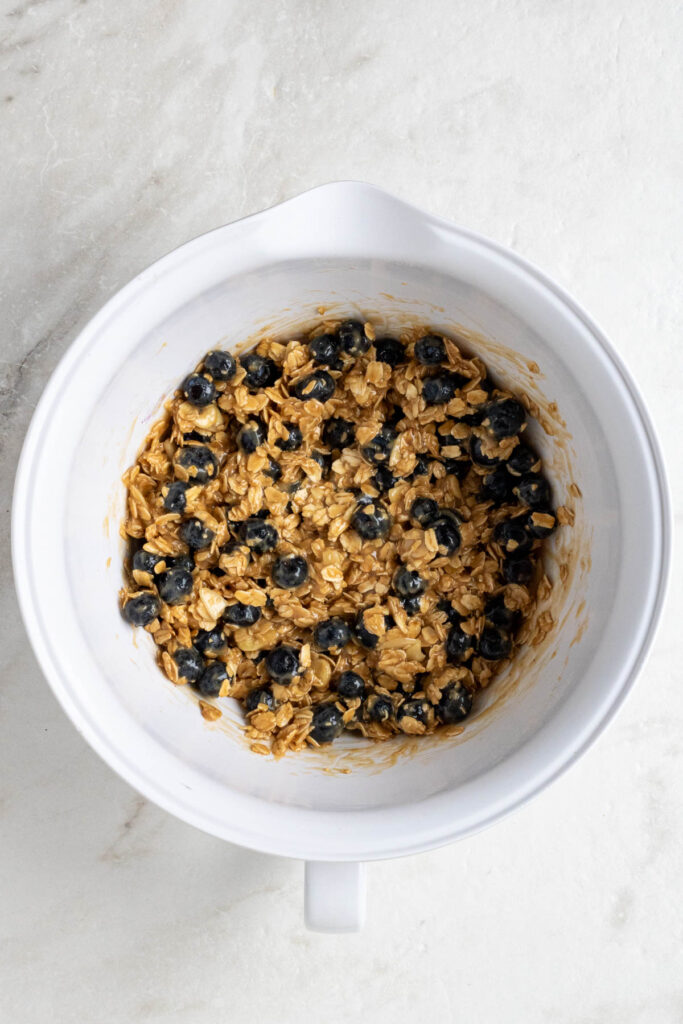
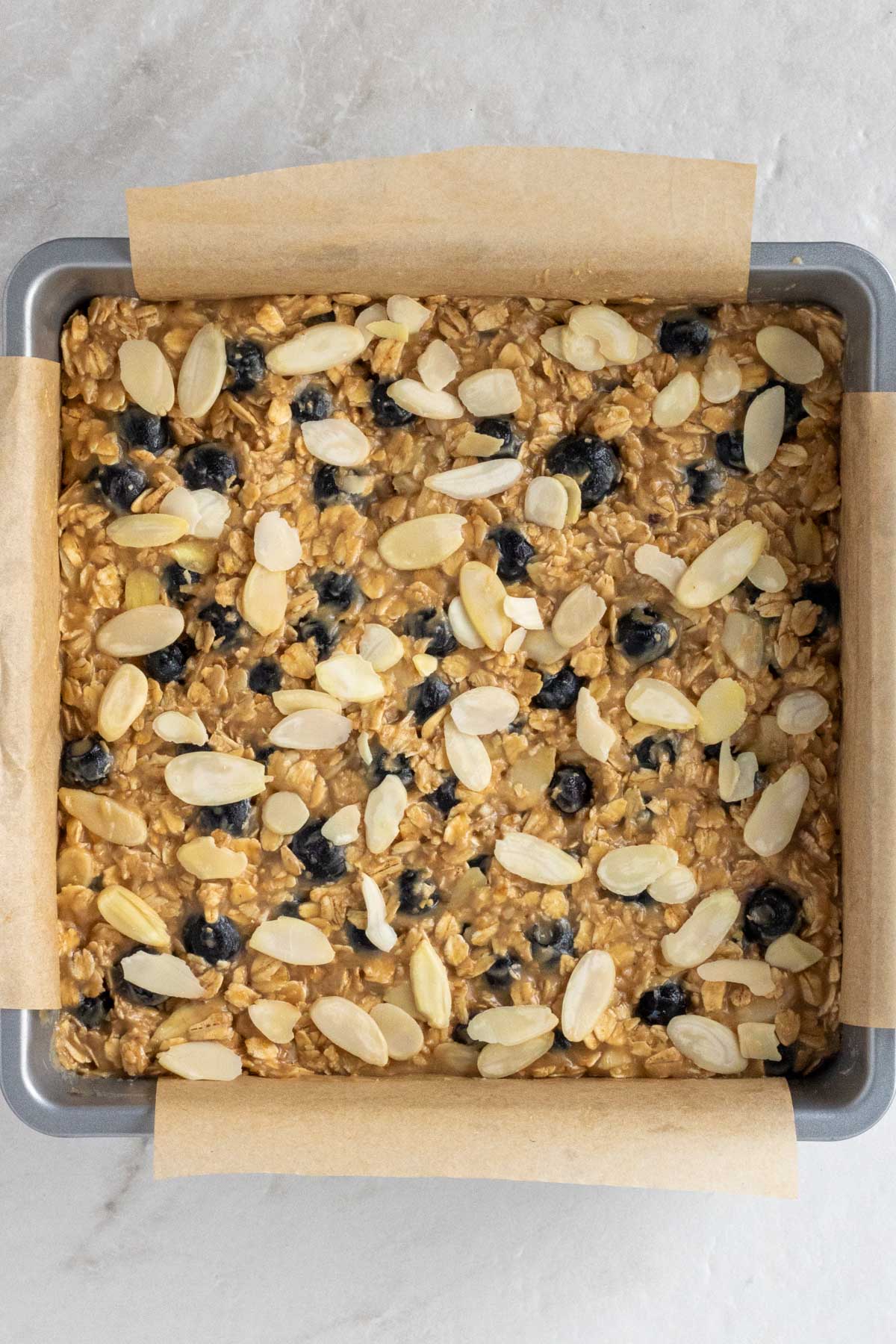
Glass bowl with Greek yogurt, shredded cucumber, grated cucumber, olive oil, lemon juice, chopped dill, chopped mint, salt, and black pepper.

Dietary Adaptions

To Make it Gluten-Free: No adaptations are needed; tzatziki sauce is gluten-free.

To Make it Dairy-Free: Swap the Greek yogurt for coconut yogurt.

Glass bowl with creamy cucumber yogurt dip.

Red’s Nutrition Tip

While most people don’t consider it, homemade tzatziki sauce is a great source of protein. Not only is Greek yogurt high in protein, but when made with fat-free yogurt, it’s one of the best high-protein, low-calorie foods.

Serving Suggestions

Tzatziki can be used as a dip, sauce, condiment, or dressing. Some of my favorite ways to use tzatziki are:

  • Served with pita bread
  • Served with fresh veggie
  • Spread into sandwiches
  • Spread into gyros
  • Dolloped onto salads
  • As a dip for falafels
  • As a condiment for grilled meats
  • As a salad dressing
Platter with pita chips with tzatziki with lemon wedges and fresh mint on the side on a white background.
Storage

Homemade tzatziki sauce can be stored in an airtight container in the fridge for up to 2 weeks.
Recipes with Tzatziki Sauce:

  • Greek Chicken Gyros
  • Greek Chicken Kebabs
  • Mediterranean Quinoa Bowls
  • Greek Turkey Meatballs with Orzo

Sweet Potato and Sausage Frittata

Published on March 20, 2025 by Stephanie Kay

This sweet potato and sausage frittata is a hearty meal packed full of protein and veggies. It’s filled with roasted sweet potatoes, ground sausage, and spinach and is incredibly easy to make.

Plate with two slices of sweet potato and sausages frittata with a glass of orange juice, parsley, and crusty bread in the background.

I’ve said it before, and I’ll say it again: eggs are a highly underrated ingredient. Not only are they incredibly nutritious, containing vitamin D, A, and E, choline, iron, and folate, but they are versatile and work for any meal of the day.

While they are commonly thought of as a “breakfast food” in North America, the truth is there is no such thing as breakfast food. Food is food, and there are no rules about when you can eat it. So, whether you need a new make-ahead breakfast or an easy dinner idea, this sweet potato and sausage frittata recipe is absolutely delicious and a little something to take your egg recipes to the next level.

SKillet with sweet potato and sausage frittata with salt, parsley, and bread on the side with a plate with gold fork and knife and a tea towel.

Why You’ll Love It

  • High in Protein – The combination of eggs and sausage gives this frittata over 20 grams of protein per serving.
  • Keeps Well – This sausage and sweet potato frittata is a great meal prep idea as it keeps in the fridge for days.
  • Versatile – This recipe works well for breakfast, brunch, lunch, or dinner.
Ingredients for sausage sweet potato frittata: pork sausage, sweet potatoes, onion, spinach, eggs, milk, salt, and pepper.

Ingredients + Substitutions

  • Sausage – To add some animal protein. I used pork breakfast sausage, but you can use Italian sausage or chicken sausage if preferred.
  • Sweet Potatoes – To add some complex carbohydrates. The recipe calls for sweet potatoes, but white potatoes will also work.
  • Spinach – To add some veggies and fiber. The recipe calls for fresh spinach, but you can use frozen spinach if needed; see the notes section of the recipe card for details.
  • Onion – To add some flavor. The recipe calls for a whole onion, but you can use onion powder if needed; see the notes section of the recipe card for details.
  • Eggs – To add some more protein and healthy fats. I opted to use whole eggs, but you can use egg whites if preferred; see the notes section of the recipe card for details.
  • Milk – To make the egg mixture and add some protein.
  • Salt and Pepper – To season.
Sheet pan with parchment paper with raw diced sweet potatoes on top.
Sheet pan with parchment paper with roasted sweet potatoes on top.

Dietary Adaptions

To Make it Gluten-Free: Use certified gluten-free sausages.

To Make it Dairy-Free: Swap the milk for unsweetened almond milk.

Skillet with sautéed onion, browned sausage, diced sweet potatoes, and wilted spinach.
Skillet with onion, sausage, sweet potatoes, and spinach covered in an egg mixture.

Red’s Nutrition Tip

While I opted to use sweet potatoes in this frittata, you can certainly use white potatoes if preferred. In fact, sweet potatoes and white potatoes are much more nutritionally similar than people think, and white potatoes are one of the most filling foods.

Serving Suggestions

This sausage and sweet potato frittata is a good source of protein and fat. To make it a more balanced meal, I recommended serving it with a source of carbohydrates, such as bread. Moreover, you can adapt the recipe to meet your personal calorie or macro needs. For example:

  • To make it higher in protein, add an additional 1/2 pound of sausage to the recipe.
  • To add some carbohydrates, serve it with a side of crusty bread or breakfast potatoes.
  • To add fiber, add some veggies, such as zucchini and mushrooms, along with the spinach.
  • To make it lower in fat, swap the pork sausage for chicken sausage.
  • To add fat, add some shredded cheese to the egg mixture.
  • To add flavor, add a dash of hot sauce to the egg mixture.
Close up of a skilelt with sausage and sweet potato frittata with a slice on a spatula on top.

Storage + Reheating

To Refrigerate: Allow the frittata to cool completely, cover the dish with aluminum foil or plastic wrap, or transfer the leftover pieces to an airtight container and store them in the refrigerator for up to 4 days.

To Freeze: Allow the sausage sweet potato frittata to cool completely, then transfer slices to an airtight container and store them in the freezer for up to 3 months.

To Reheat: To reheat whole, allow the sweet potato and sausage frittata to thaw completely or reheat directly from the fridge, uncovered, by baking in the oven at 350°F for 15-20 minutes or until heated through. Individual pieces can be reheated in an oven-proof dish in the oven at 350°F for 5-10 minutes or in a microwave-safe container in the microwave for 1-2 minutes.

Close up of two slices of sweet potato and sausage frittata on a white plate with gold utensils with a small glass of orange juice and parsley in the background.

More Frittata Recipes:

  • Ham and Cheese Frittata
  • Summer Squash Frittata

12 Foods High in Calcium

Published on March 18, 2025 by Stephanie Kay

Calcium is the most abundant mineral in the body, and it’s vitally important to strengthen bones and enhance optimal health. Here is a list of the foods high in calcium that you can add to your diet today to ensure you are reaching your recommended daily intake.

Milks, cheeses, almonds, broccoli, beans, spinach, and squash on a grey tea towel and cutting board on a dark background.

Table of contents

  • What is Calcium?
  • Benefits of Calcium
  • How much calcium do you need?
  • Can you take too much calcium?
  • List of Foods High in Calcium
  • 1. Sardines
  • 2. Kefir
  • 3. Milk
  • 4. Yogurt
  • 5. Cheese
  • 6. Tofu
  • 7. White Beans
  • 8. Tahini
  • 9. Blackstrap Molasses
  • 10. Edamame
  • 11. Collard Greens
  • 12. Okra
  • Ranking of Calcium Foods per Serving
  • What foods are fortified with calcium?
  • Should you take calcium supplements?
  • FAQs

What is Calcium?

Calcium is a mineral and one of the many micronutrients required for optimal health. It is the most abundant mineral in the body and is considered a macromineral due to the relatively large amounts required in the diet. Calcium is naturally found in certain foods, added to others, and available as a dietary supplement.

Benefits of Calcium

Calcium is important for strong bones and teeth, as it gives them structure and hardness, and aids with normal muscle function, nerve function, hormone secretion, and blood clotting (1). Adequate calcium intake throughout life is also seen as a precautionary benefit as it helps mitigate the risk of developing osteoporosis during the aging process.

At birth, an infant’s body contains 20 to 30 grams of calcium, almost all of which is in the skeleton. This level rises quickly after birth, reaching about 1,200 grams in women and 1,400 grams in men by adulthood (1, 2). While these levels remain constant in men, they begin to decline in women as a result of increases in bone remodeling due to decreased estrogen production at the start of menopause, making calcium intake more important for perimenopausal and postmenopausal women.

Moreover, the body requires vitamin D for calcium absorption, and, therefore, the consumption of vitamin D-rich foods is important to ensure you are reaping the benefits of calcium-rich foods.

How much calcium do you need?

The current Recommended Dietary Allowance (RDA) for calcium varies by age and life stage (3):

  • Birth to 6 months: 200 mg/day
  • Infants 7-12 months: 260 mg/day
  • Children 1-3 years: 700 mg/day
  • Children 4-8 years: 1,000 mg/day
  • Children 9-13 years: 1,300 mg/day
  • Teens 14-18 years: 1,300 mg/day
  • Adults 19–50 years: 1,000 mg/day
  • Adults 51–70 years: 1,200 mg/day
  • Adults >70 years: 1,200 mg/day
  • Pregnant and breastfeeding teens: 1,300 mg/day
  • Pregnant and breastfeeding women: 1,000 mg/day

The RDA refers to the total calcium intake from whole foods, fortified foods, and calcium supplements. Unfortunately, many Americans and Canadians fail to reach the recommended intake for calcium, particularly children and teens aged 4 to 18 years and adults aged 50 years and older living in poverty (3, 4).

Can you take too much calcium?

The tolerable upper intake level (UL) of calcium is 2,500 mg/day for adults ages 19 to 50, and 2,000 mg/day for adults ages 51 and over (5). Taking high doses of calcium can lead to stomach pain, constipation, and diarrhea.

While excessive calcium levels are rare in the general population, individuals with severely elevated calcium levels may experience poor muscle tone, poor kidney function, low phosphate levels, nausea, weight loss, extreme tiredness, frequent need to urinate, abnormal heart rhythms, and a high risk of death from heart disease (3).

Infographic of foods high in calcium.

List of Foods High in Calcium

Here is a list of the top unfortified, whole foods high in calcium:

1. Sardines

Sardines are one of the best calcium-rich foods, providing about a third of the recommended daily amount for adults. They provide more calcium than other fish, thanks to their small, soft, and edible bones. Along with other fatty fish, such as anchovies, trout, canned salmon, and clams, sardines are a great source of healthy fats and protein. In addition to being high in calcium, sardines are also one of the best food sources of vitamin D, which is essential for calcium absorption. A 3-ounce serving of sardines with bones contains 324 mg of calcium (6).

2. Kefir

Kefir is a fermented dairy product made from milk and kefir grains with a texture similar to yogurt. It’s a great source of calcium, protein, and probiotic bacteria found in fermented foods. Kefir can be consumed as a beverage, added to smoothies, poured over granola, or used in place of buttermilk in baked goods such as pancakes and muffins. A 1-cup serving of plain, low-fat kefir contains 316 mg of calcium (7).

3. Milk

Dairy milk is one of the most well-known sources of calcium. Be it non-fat, 1%, 2%, whole, or chocolate, a single cup of cow’s milk contains up to 30% of the recommended dietary allowance of calcium. Unlike non-dairy milk, such as almond milk, which is fortified, cow’s milk naturally contains calcium, along with lots of protein, vitamins, and minerals. Milk can be consumed on its own by the glass, added to oatmeal or granola, used in smoothies and soups, or added to pasta and casseroles for a creamy texture. A 1-cup serving of whole milk contains 306 mg of calcium (8).

4. Yogurt

Given that it’s made from milk, yogurt is another good source of calcium and provides up to 39% of the recommended daily intake of calcium. In addition to calcium, yogurt is a good source of probiotics, protein, healthy fats, and natural sugars. Be it regular yogurt or Greek yogurt, this calcium-packed dairy product can be eaten on its own, added to pancakes, oatmeal, or granola, made into dips, used in dressings and marinades, or as a topping for your favorite soup, chili, or stew. A 1-cup serving of plain, whole-milk yogurt contains 299 mg of calcium (9).

5. Cheese

Cheese is another dairy product that is high in calcium. While all cheeses contain calcium, hard cheeses such as parmesan, cheddar, Swiss, Edam, Gouda, and Gruyere are particularly good sources of calcium, along with cottage cheese and ricotta. These also happen to be some of the highest-protein cheeses. A 1-ounce serving of parmesan cheese contains 250 mg of calcium, and a 1-cup serving of 2% cottage cheese contains 251 mg of calcium (10, 11).

6. Tofu

Tofu is the best plant-based calcium source. Tofu is made from soybeans, which are rich in calcium and contain 175 mg of calcium per 1-cup serving, plant-based protein, and fiber. Although tofu naturally contains calcium, some manufacturers will add calcium to their tofu. Be it silken, soft, or firm, tofu works well in everything from smoothies and sauces to stir-fries and salads. A 3-ounce serving of tofu contains 240 mg of calcium (12).

7. White Beans

While all beans contain calcium, white beans are particularly calcium-rich foods. White beans, such as Great Northern beans and navy beans, contain close to 20% of the recommended daily intake of calcium per serving. Not to mention, white beans are one of the best high-fiber foods and great sources of vegetarian protein. Beans can be added to soups and stews, used in pasta sauce and dips, or served cold in salads. A 1-cup serving of canned white beans contains 191 mg of calcium (13).

8. Tahini

Tahini, a paste made from sesame seeds, is one of the best plant-based sources of calcium. Sesame seeds have antioxidant and anti-inflammatory benefits, are low in saturated fat, and are one of the highest protein seeds. Tahini is a primary ingredient in hummus and can also be used to make tahini dressing, sauces, spreads, and desserts. A 2-tablespoon serving of tahini contains 128 mg of calcium (14).

9. Blackstrap Molasses

Blackstrap molasses is a surprisingly nutritious food. This thick, dark syrup is a byproduct of the processing of crystallized sugar from sugar cane or sugar beets, specifically the third or final boiling stage. Compared to regular or lighter molasses, blackstrap molasses is very bitter; however, it’s extra rich in calcium, iron, magnesium, and other micronutrients. Blackstrap molasses is a great addition to cookies, baked goods, stews, marinades, and BBQ sauces. A 1-tablespoon serving of blackstrap molasses contains 100 mg of calcium (15).

10. Edamame

Edamame, or green soybeans, is another plant protein rich in calcium. Once cooked, these edible green pods can be eaten warm or cold and work well as appetizers, in sushi bowls and salads, or on their own as a simple snack. A 1-cup serving of edamame contains 98 mg of calcium (16).

11. Collard Greens

While many leafy greens contain calcium, collard greens are the richest source. However, it’s important to note that collard greens, along with spinach and kale, have a high oxalate content, which binds to calcium and makes it difficult for our bodies to use (17, 18). As a result, the absorption of calcium in spinach is only 5%, whereas it is much higher, at 27%, for milk (19). For this reason, the calcium found in leafy greens is less bioavailable than that found in other calcium-rich foods, such as dairy products. Collard greens are best cooked before eating and can be sauteed as a side dish or cooked into soups and stew. A 1-cup serving of chopped collard greens contains 84 mg of calcium (20).

12. Okra

While fruits and vegetables are particularly well-known for boosting bone health, okra is an exception, as it’s a good source of calcium. This green, tube-like fruit has a mild, grassy flavor and works well as a thickening agent in soups and stews. A 1-cup serving of okra contains 82 mg of calcium (18).

Ranking of Calcium Foods per Serving

FoodServing SizeCalcium per Serving
Almond Milk (fortified)1 cup393 mg
Oat Milk (fortified)1 cup369 mg
Sardines3 ounces324 mg
Kefir1 cup316 mg
Milk (3.25%, plain)1 cup306 mg
Yogurt (3.25%, plain)1 cup299 mg
Rice Milk (fortified)1 cup288 mg
Soy Milk (fortified)1 cup252 mg
Cottage Cheese (2%)1 cup251 mg
Parmesan Cheese1 ounce250 mg
Tofu (extra-firm)3 ounce240 mg
Cheddar Cheese1 ounce199 mg
White Beans 1 cup191 mg
Soy Beans1 cup176 mg
Tahini2 tablespoons128 mg
Anchovies3 ounces125 mg
Blackstrap Molasses1 tablespoon100 mg
Edamame 1 cup98 mg
Collard Greens 1 cup84 mg
Okra1 cup82 mg
Figs (dried)2 fruits81 mg
Chickpeas1 cup80 mg
Almonds1 ounce76 mg
Bok Choy1 cup74 mg
Orange1 fruit65 mg
Trout3 ounces57 mg
Clams3 ounces55 mg
Kale1 cup53 mg
Acorn Squash1 cup46 mg
Broccoli Rabe1 cup43 mg
Black Eyed Peas1 cup36 mg
Arugula1 cup32 mg
Spinach1 cup30 mg
Orange Juice1 cup22 mg
Grapefruit Juice1 cup22 mg
Salmon3 ounces10 mg

All nutrition data is based on FoodData Central.

What foods are fortified with calcium?

While calcium is naturally present in many whole foods, it’s also added to certain processed foods via a fortification process, such as:

  • Non-dairy beverages, such as almond milk, rice milk, and oat milk
  • Juices, such as orange juice and grapefruit juice
  • Breakfast cereals and prepared oatmeal
  • Soy products, such as soy milk and tofu

The top fortified foods with the highest calcium content per serving are (22):

  • 1 cup of almond milk contains 393 mg of calcium
  • 1 cup of oat milk contains 369 mg of calcium
  • 1 cup of rice milk contains 288 mg of calcium
  • 1 cup of soy milk contains 252 mg of calcium
  • 1 cup of breakfast cereal contains 151 mg of calcium

Should you take calcium supplements?

As with most nutrients, calcium supplementation is unnecessary if the diet is sufficient in calcium. For individuals who struggle to meet the recommended calcium intake, supplementation can be beneficial, however, excessive intakes of calcium do not promote greater benefits to health.

There are two main forms of supplemental calcium: calcium carbonate and calcium citrate. Calcium carbonate is absorbed best when taken with food, while calcium citrate is well absorbed on an empty or a full stomach. Individuals with low stomach acid typically absorb calcium citrate more easily than calcium carbonate (3).

As with all supplements, it is best to consult with a health professional or registered dietician to determine the type and amount of calcium supplement that is best for you.

FAQs

What is the food highest in calcium?

Sardines, kefir, and milk are the top 3 foods highest in calcium content.

What non-dairy food is the highest in calcium?

Tofu is the best plant-based source of calcium.

How can I get 1000 mg of calcium a day?

A diet rich in calcium-rich whole foods is the best way to increase calcium intake naturally. For example, consuming 1 cup of yogurt, 3 ounces of tofu, 1 cup of white beans, 1 ounce of cheddar cheese, and 1 ounce of almonds throughout the day provides 1,005 mg of calcium.

The Bottom Line

Calcium is an important mineral that supports strong bones, nerve function, muscle function, and overall health. Calcium is found in certain whole foods, added to some processed foods, and can be consumed through supplements to prevent calcium deficiency. The best sources of calcium are sardines, dairy products, tofu, white beans, tahini, blackstrap molasses, edamame, collard greens, and okra.

Carrot Ginger Coconut Soup

Published on March 13, 2025 by Stephanie Kay

Made in one pot and ready in under an hour, this carrot ginger coconut soup is a flavorful and heart-warming dish that is perfect for a cold day. Serve it with a sprinkle of cilantro and a side of crusty bread for a simple lunch.

Two bowls of carrot ginger coconut soup with a drizzle of coconut milk and chopped cilantro on top with a side of bread and cilantro on a white background.

If you like curry, you’re going to love this recipe. Filled with spicy ginger and creamy coconut milk, this curry-inspired carrot ginger coconut soup is full of flavor and has a rich and creamy texture.

Not only is it easy to make, but it keeps incredibly well in the fridge and freezer. So, whether you’re making it for lunch, as a meal prep idea, for a potluck, or you’re storing leftovers, this ginger carrot soup combines simple ingredients to make a delicious meal.

Close up of bowl of ginger carrot soup in a speckled beige bowl with an antique silver spoon.

Why You’ll Love It

  • Made in One Pot – This recipe keeps prep time and cleanup to a minimum.
  • Full of Fiber – With over 7 grams of fiber per bowl, this carrot soup is a great source of fiber.
  • Full of Healthy Fats – To combination of coconut milk and olive oil fills this recipe with healthy fats.
Ingredients for carrot ginger coconut soup: carrots, ginger root, garlic cloves, turmeric, coconut milk, and vegetable broth.

Ingredients + Substitutions

  • Carrots – To add some veggies and fiber.
  • Ginger – To flavor the soup. The recipe calls for ginger root, as I think it provides better flavor, but you can use ginger powder if preferred. See the notes section of the recipe card for details.
  • Coconut Milk – To add some healthy fats and give the soup a creamy texture. I used full-fat coconut milk, but you can use light coconut milk if preferred.
  • Onion + Garlic – To build the base of the soup, you can use a white or yellow onion. I used a whole onion and garlic cloves, but you can use onion powder or garlic powder if needed, see the notes section of the recipe card for details.
  • Turmeric – To add some flavor and anti-inflammatory properties. I opted for ground turmeric, but you can use curry powder instead.
  • Lime Juice – To brighten and balance the flavors of the soup.
  • Vegetable Broth – To build more flavor. The recipe calls for vegetable broth to make the recipe vegetarian, but you can use chicken broth or vegetable stock and water if preferred.
  • Olive Oil – To sauté the veggies and add some more healthy fats.
  • Salt and Pepper – To season.
  • Cilantro – To serve, although optional.
Pot with sautéed onion, chopped carrots, ginger, garlic, ground turmeric, salt, and black pepper.
Pot oven with onions, carrots, ginger, spices, vegetable broth, and coconut milk.

Dietary Adaptions

To Make it Gluten-Free: Use certified gluten-free vegetable broth or water.

To Make it Dairy-Free: No adaptations are needed, this recipe is dairy-free.

Blender with cooked carrots and ginger in coconut milk broth.
Blender with puréed carrot ginger soup with coconut milk.

Red’s Nutrition Tip

Not only is this soup a great source of fiber, but it’s also a great source of prebiotics; a form of indigestible plant fiber that encourages the growth of the friendly bacteria in our gut. Both onions and garlic are both great prebiotic foods.

Serving Suggestions

This carrot ginger coconut soup is a good source of fiber and healthy fats. To make it a more balanced meal, you can serve it with some bread and cheese or a turkey or chicken sandwich for some additional protein. You can also adapt the recipe to suit your personal calorie or macro needs, for example:

  • To add some plant protein and fiber, add 1/2 cup of red lentils to the soup with the carrots.
  • To make the soup lower in fat, use light coconut milk.
  • To add more healthy fats, top the soup with pumpkin seeds or hemp seeds.
  • To make it spicy, add 1/2 teaspoon of red pepper flakes or a small minced chili.
Large pot of ginger coconut carrot soup with a wooden spoon and a tea towel on the side with cilantro, lime wedges, coconut milk, and black pepper on the side on a white background.

Storage + Reheating

To Refrigerate: Allow the carrot ginger coconut soup to cool completely, then transfer to airtight containers and store in the refrigerator for up to 5 days.

To Freeze: Transfer the cooled carrot soup to airtight containers and store it in the freezer for up to 3 months.

To Reheat: The soup can be reheated in a pot on the stovetop on medium heat for 5 minutes or until warm, or in the microwave for 1-2 minutes. If using frozen leftovers, allow the soup to thaw completely before reheating.

Two bowls of ginger carrot soup with a side of cilantro, lime wedges, and crusty bread.

More Carrot Soup Recipes:

  • Carrot Parsnip Soup
  • Roasted Carrot and Apple Soup
  • Moroccan Carrot Soup

Fresh vs. Frozen Fruit and Vegetables: Which Are Healthier?

Published on March 11, 2025 by Stephanie Kay

If you’re confused as to whether fresh or frozen produce is healthier, you’re not alone. This is a popular debate in the health community; however, the nutritional differences are not as stark as you may think. Here is everything you need to know about fresh vs. frozen fruits and vegetables.

Fresh fruit and frozen fruit with blueberries, raspberries, and blackberries.

Table of contents

  • What’s the difference between fresh and frozen fruits and vegetables?
  • The Science of Freezing Foods
  • Factors that Affect the Nutritional Value of Fruits and Vegetables
  • Fresh vs. Frozen Blueberries
    • Calories
    • Carbohydrates
    • Sugar
    • Fiber
    • Protein
    • Fat
    • Vitamins + Minerals
  • Fresh vs. Frozen Broccoli
    • Calories
    • Carbohydrates
    • Sugar
    • Fiber
    • Protein
    • Fat
    • Vitamins + Minerals
  • Pros + Cons of Frozen Produce
  • So, are fresh or frozen fruits and vegetables healthier?

What’s the difference between fresh and frozen fruits and vegetables?

Fresh fruits and vegetables have been picked or produced recently and have not been processed through freezing, canning, or preserving, nor have they spoiled in any way, while frozen fruits and vegetables have been processed by reducing their temperature to below freezing.

Fresh fruit and vegetables come to be “fresh” in two ways: vine-ripened or postharvest-ripened (1). While smaller farms may allow their produce to grow to peak ripeness (i.e. vine-ripened) to be sold at farm stands or farmers’ markets, larger farms may pick their produce before fully ripe and allow it to ripen fully during transport to grocery stores.

Frozen fruits and vegetables are considered forms of minimally processed food. While this is often considered a bad thing, the freezing process is simply a form of food preservation that helps to extend shelf life and, in many cases, preserve the nutritional value of the food.

In general, frozen fruits and vegetables are typically vine-ripened, picked at peak freshness, undergo minimal processing, and immediately frozen.

The Science of Freezing Foods

Freezing is a simple and low-cost method of preserving food. Like other methods of food preservation, such as drying, pickling, and fermenting, freezing food increases access to seasonal produce; however, unlike other methods, it can be done without the addition of sugar, salt, or bacteria.

Once harvested, fresh fruits and vegetables continue to undergo chemical changes that can cause spoilage and deterioration of the produce and its micronutrients. Fresh produce contains enzymes that cause color, flavor, and nutritional value to change over time, however, they can be inactivated through freezing and other processing to ensure they have a much longer shelf life.

For instance, blanching vegetables before freezing can help deactivate enzymes and destroy microorganisms on their surface, which can lead to spoilage and possible foodborne illness, while soaking fruit in diluted vinegar solutions or adding ascorbic acid (vitamin C) can prevent browning (2, 3). Moreover, keeping frozen fruits and vegetables in airtight containers can help to reduce air exposure and prevent them from developing rancid oxidative flavors and freezer burn.

Although blanching can leach out minerals and break down some vitamins, namely water-soluble vitamin C and B vitamins, studies have shown that postharvest-ripened produce and blanched frozen produce have a very similar nutrient value (4).

Factors that Affect the Nutritional Value of Fruits and Vegetables

The vitamin and mineral content of fruits and vegetables is not static. Rather, it depends on a multitude of factors, including:

  • Genetic makeup of the crop species
  • Climatic circumstances
  • Soil quality and microbe diversity
  • Ripeness of the plant at harvesting
  • Level of processing and freezing method
  • Cooking and preparation method

While preservation methods are a major concern of the nutritional value of fruits and vegetables, much of it depends on the soil quality in which they are grown. Soil micronutrients are important for plant growth, as plants require a proper balance of all the essential nutrients for normal growth and optimum yield (5, 6).

Therefore, not only can the nutrient value of fruits and vegetables vary between fresh and frozen versions, but it can vary significantly between fresh versions and frozen versions themselves. While you might expect vine-ripened produce to be more nutritious, and it often is, some plants can synthesize macronutrients and micronutrients during postharvest ripening (7). Several studies have shown that postharvest-ripened produce is nutritionally equivalent to vine-ripened produce in many cases (1).

In addition to fresh and frozen, canned fruits and vegetables are typically vine-ripened but undergo more processing than frozen produce. Not only is blanching common for canned vegetables, but canned fruits contain added sugar in the form of syrup, salt, and sometimes other additives.

Fruits and veggies are a great source of fiber and micronutrients. Here is a nutrition comparison of fresh vs. frozen fruits.

Fresh vs. Frozen Blueberries

Here is a nutrition comparison of fresh vs. frozen blueberries (8, 9).

Nutrition per 100 gramsFresh BlueberriesFrozen Blueberries
Calories57 calories51 calories
Carbohydrates14.5 grams12.2 grams
Fiber2.4 grams2.7 grams
Sugar9.9 grams8.5 grams
Protein0.7 grams0.4 grams
Fat0.3 grams0.6 grams
Vitamin C9.7 mg2.5 mg

Calories

Fresh blueberries contain slightly more calories than frozen blueberries; however, the difference is minimal. A 100-gram serving of fresh blueberries contains 57 calories, while a 100-gram serving of frozen blueberries contains 51 calories.

Carbohydrates

Fresh blueberries contain slightly more carbohydrates than frozen blueberries. A 100-gram serving of fresh blueberries contains 14.5 grams of carbohydrates, while a 100-gram serving of frozen blueberries contains 12.2 grams of carbohydrates.

Sugar

Fresh and frozen blueberries contain almost the same amount of sugar. A 100-gram serving of fresh blueberries contains 9.96 grams of sugar, while a 100-gram serving of frozen blueberries contains 8.45 grams of sugar.

Fiber

Fresh and frozen blueberries contain almost the same amount of fiber. A 100-gram serving of fresh blueberries contains 2.4 grams of fiber, while a 100-gram serving of frozen blueberries contains 2.7 grams of fiber.

Protein

Fresh blueberries contain slightly more protein than frozen blueberries, however, neither is a significant source of protein. A 100-gram serving of fresh blueberries contains 0.74 grams of protein, while a 100-gram serving of frozen blueberries contains 0.42 grams of protein.

Fat

Frozen blueberries contain slightly more fat than fresh blueberries, however, neither is a significant source of fat. A 100-gram serving of fresh blueberries contains 0.33 grams of fat, while a 100-gram serving of frozen blueberries contains 0.64 grams of fat.

Vitamins + Minerals

Fresh and frozen berries contain similar levels of vitamin A, vitamin E, manganese, copper, and folate; however, fresh berries contain more vitamin C than frozen berries. A 100-gram serving of fresh blueberries contains 9.7 mg of vitamin C, while a 100-gram serving of frozen blueberries contains 2.5 mg of vitamin C.

Fruits and veggies are a great source of fiber and micronutrients. Here is a nutrition comparison of fresh vs. frozen vegetables.

Fresh vs. Frozen Broccoli

Here is a nutrition comparison of fresh vs. frozen broccoli (10, 11).

Nutrition per 100 gramsFresh BroccoliFrozen Broccoli
Calories34 calories26 claories
Carbohydrates6.6 grams4.8 grams
Fiber2.6 grams3.0 grams
Sugar1.7 grams1.4 grams
Protein2.8 grams2.8 grams
Fat0.4 grams0.3 grams
Vitamin C89.2 mg56.4 mg

Calories

Fresh broccoli contains slightly more calories than frozen broccoli, however, the difference is minimal. A 100-gram serving of fresh broccoli contains 34 calories, while a 100-gram serving of frozen broccoli contains 26 calories.

Carbohydrates

Fresh broccoli contains slightly more carbohydrates than frozen broccoli. A 100-gram serving of fresh broccoli contains 6.64 grams of carbohydrates, while a 100-gram serving of frozen broccoli contains 4.78 grams of carbohydrates

Sugar

Fresh and frozen broccoli contain almost the same amount of sugar. A 100-gram serving of fresh broccoli contains 1.7 grams of sugar, while a 100-gram serving of frozen broccoli contains 1.35 grams of sugar.

Fiber

Fresh and frozen broccoli contain almost the same amount of fiber. A 100-gram serving of fresh broccoli contains 2.6 grams of sugar, while a 100-gram serving of frozen broccoli contains 3.0 grams of sugar.

Protein

Fresh and frozen broccoli contain the same amount of protein; neither are a significant source of protein. A 100-gram serving of fresh broccoli contains 2.82 grams of protein, while a 100-gram serving of frozen broccoli contains 2.81 grams of protein.

Fat

Fresh broccoli contains slightly more fat than frozen broccoli; neither are a significant source of fat. A 100-gram serving of fresh broccoli contains 0.4 grams of fat, while a 100-gram serving of frozen broccoli contains 0.3 grams of fat.

Vitamins + Minerals

Fresh and frozen vegetables contain similar levels of vitamin A, vitamin E, manganese, copper, and folate; however, fresh veggies contain more vitamin C than frozen veggies. A 100-gram serving of fresh broccoli contains 89.2 mg of vitamin C, while a 100-gram serving of frozen broccoli contains 56.4 mg of vitamin C.

Pros + Cons of Frozen Produce

If you’re confused as to whether or not you should buy frozen produce, here is a list of the benefits and drawbacks of frozen fruits and vegetables versus fresh varieties:

Benefits of frozen fruits and vegetables:

  • Longer shelf life
  • Less food waste
  • Less expensive
  • Very convenient
  • Reduced risk of food poisoning
  • Good source of nutrients and fiber

Drawbacks of frozen fruits and vegetables:

  • May contain less vitamin C
  • May contain added salt or seasonings
  • Reduced flavor
  • Reduced texture

So, are fresh or frozen fruits and vegetables healthier?

Frozen fruits and vegetables are just as healthy as fresh and provide numerous health benefits. Freezing is merely a method of food preservation, and freezing fruits and vegetables helps to extend their shelf life and reduce food waste. While some vitamins and minerals may be reduced in the freezing process, namely vitamin C, fresh and frozen produce contain similar calories, carbohydrates, fiber, sugar, and micronutrients. Overall, the cooking method has a much greater effect on the nutritional content and bioavailability of fruits and vegetables (12).

When buying frozen fruits and vegetables, be sure to read the label and review the ingredients list to ensure you are choosing options without additives and preservatives.

The Bottom Line

The micronutrient content of fresh and frozen produce depends on the soil in which it was grown, the ripeness of the plant at harvesting, the level of processing, the freezing method, and the preparation method. The nutritional difference between fresh and frozen fruits is so minimal that they are unlikely to affect your health substantially. So, instead of stressing over whether fresh or frozen fruits and vegetables are better, simply focus on adding more to your diet.

Ricotta and Vegetable Lasagna

Published on March 8, 2025 by Stephanie Kay

This recipe is seriously the best vegetable lasagna! Packed with veggies and filled with spinach and ricotta cheese, this easy vegetable lasagna recipe makes enough servings for a family dinner with plenty of leftovers for lunch.

Casserole dish with ricotta and vegetable lasagna sliced into pieces with parmesan cheese, basil, tea towel, spatula, plate and fork on the side.

I know the thought of meatless lasagna might leave some people skeptical, but I assure you this easy vegetable lasagna is a satisfying dish even meat lovers will approve of. The combination of veggies gives this lasagna a hearty texture, while the spinach ricotta filling adds a ton of flavor, and the layers of shredded cheese give it that ooey-gooey pull-apart cheesiness that only the best lasagna has.

Whether you’re whipping up a weekend dinner, prepping something for a potluck, or just looking for something different for meal prep, this veggie lasagna is a great addition to your healthy recipe repertoire.

White plate with a slice of spinach ricotta and vegetable lasagna with parmesan cheese and fresh basil on top with a gold spoon.

Why You’ll Love It

  • Vegetarian – This vegetarian lasagna is something the whole family can enjoy and can easily be adapted to suit additional dietary needs.
  • High in Fiber – With 6 grams of fiber per serving, this lasagna is a healthy and filling meal.
  • High in Protein – The combination of cheeses ensures this veggie lasagna contains 20 grams of vegetarian protein per slice.
  • Keeps Well – This vegetable lasagna keeps well in the fridge and freezer, making it a great meal prep idea for lunch or dinner.
Ingredients with for veggie lasagna: zucchini, red bell pepper, mushrooms, onion, garlic, crushed tomatoes, lasagna noodles, ricotta cheese, frozen spinach, mozzarella cheese, parmesan cheese, egg, oregano, nutmeg, salt, and pepper.

Ingredients + Substitutions

  • Vegetables – A combination of zucchini, bell pepper, mushrooms, and onion to fill the lasagna with veggies and fiber. Carrots, yellow squash, eggplant, and/or broccoli would also work well.
  • Tomatoes – To make the tomato sauce. The recipe calls for crushed tomatoes, but marinara sauce or passata will also work.
  • Ricotta Cheese – To add some protein and make a creamy filling. You can use whole milk or skim ricotta cheese, or use whole milk or low-fat cottage cheese instead. See the notes section of the recipe card for details.
  • Spinach – To add some greens and fiber to the ricotta filling. The recipe calls for frozen spinach, but you can use fresh spinach if needed. See the notes section of the recipe for details.
  • Herbs + Spices – A combination of oregano, red pepper flakes, nutmeg, and fresh basil to flavor the lasagna.
  • Egg – To bind the spinach ricotta filling and add a boost of protein.
  • Lasagna Noodles – To add some complex carbohydrates and layer the lasagna. The recipe calls for no-boil noodles but you can use regular lasagna noodles if preferred. See the notes section of the recipe card for details.
  • Mozzarella Cheese – To add some more protein and healthy fats and top the lasagna. You can use low or high-moisture mozzarella.
  • Salt and Pepper – To season.
  • Parmesan cheese – To serve, although optional.
  • Fresh Basil – To serve, although optional.
Large pot with sautéed onion, zucchini, red bell pepper, mushrooms, garlic, oregano, red pepper flakes, salt, and black pepper.
Large of vegetable tomato sauce.

Dietary Adaptions

To Make it Gluten-Free: Use gluten-free noodles.

To Make it Dairy-Free: Use dairy-free ricotta, parmesan, and mozzarella.

Glass bowl with ricotta cheese, frozen spinach, parmesan cheese, egg, nutmeg, salt, and pepper.
Glass bowl with spinach ricotta filling.

Red’s Nutrition Tip

You can use white or whole wheat pasta noodles for this veggie lasagna recipe. I opted for regular noodles, as I prefer the flavor and texture, but if you want to add a bit more fiber, you can certainly use whole wheat if you like.

Baking dish with a layer of lasagna noodles and vegetable tomato sauce on top.
Baking dish with two layers lasagna noodles with vegetable marinara sauce in between.

Serving Suggestions

This vegetable lasagna recipe is a well-balanced meal, complete with protein, carbohydrates, fiber, and healthy fats. It can be enjoyed on its own or adapted to suit your calorie or macro needs:

  • To make it lower in fat, use low-fat ricotta cheese and part-skim shredded cheese.
  • To make it higher in fiber, use whole-wheat lasagna noodles and/or serve with a side of green salad.
  • To make it higher in protein, add a pound of cooked ground beef, chicken, turkey, or crumbled tofu to tomato sauce.
  • To make it more filling, serve the lasagna with a side of crusty bread and/or a side salad.
Baking dish with spinach ricotta filling.
Baking dish with spinach ricotta filling and lasagna noodles on top.

Storage + Reheating

To Refrigerate: Allow the lasagna to cool completely, then cover the baking dish with aluminum foil or transfer it to an airtight container, and store leftovers in the fridge for up to 5 days.

To Freeze: To freeze whole, allow the vegetable lasagna to cool completely, then cover the baking dish with plastic wrap and aluminum foil, place it in a freezer-safe bag, and place it in the freezer. To freeze leftovers, transfer the leftovers to an airtight container and place them in the freezer for up to 3 months.

To Reheat: From the fridge, transfer the whole veggie lasagna, covered, to the oven at 350°F for 20-30 minutes until heated through and bubbling. Individual portions can be reheated in an oven-safe casserole dish at 350°F for 10-15 minutes or in a microwave-safe dish in the microwave for 2-3 minutes. If frozen, allow the lasagna to thaw completely and then reheat at 350°F for 20-30 minutes or until heated through. To reheat from frozen, cover the baking dish with foil and warm it in the oven at 350°F for 40-50 minutes until heated through.

Baking dish more veggie tomato sauce.
Baking dish more veggie tomato sauce and shredded mozzarella cheese on top.

Other Vegetable Pasta Recipes:

  • Zucchini Lasagna
  • Spinach Ricotta Pasta
  • Creamy Zucchini Pasta
  • Beet Pasta
  • Tomato Cottage Cheese Pasta
  • Green Goddess Pasta
Close up of vegetarian lasagna in a white casserole dish.

Chicken Fajita Meal Prep Bowls

Published on March 6, 2025 by Stephanie Kay

Ready in 30 minutes and filled with over 30 grams of protein per serving, these chicken fajita meal prep bowls are quick, easy, and healthy make-ahead meals that work well for lunch or dinner.

Four glass containers of chicken fajita meal prep bowls.

If you’re stuck in a lunch rut, these chicken fajita meal prep bowls are just the recipe for you. They turn basic ingredients into a flavorful, yet quick-to-make dish, that is packed full of protein and fiber.

The combination of seasoned chicken, fluffy rice, and sautéed bell peppers is everything you love about fajitas turned inside out. And, the best part is, they are super versatile, as you can mix up the spices and toppings based on what you have available. From sour cream to salsa to guacamole, the toppings for the fajita bowls are endless, and they keep well in the fridge and freezer so you can enjoy them for weeks to come.

Close up of meal prep chicken fajita bowls in glass meal prep containers.

Why You’ll Love Them

  • Quick and Easy – These chicken fajita bowls are ready in 30 minutes making them perfect for a quick meal prep.
  • High in Protein – With over 30 grams of protein per bowl, this is a protein-packed meal.
  • Full of Flavor – The addition of fajita seasoning, avocado, cilantro, and lime juice ensures each bite satisfies your taste buds.
Ingredients for meal prep chicken fajita bowls: chicken breasts, white rice, bell peppers, red onion, fajita seasoning, avocados, cilantro, and limes.

Ingredients + Substitutions

  • Chicken Breast – To add some animal protein. The recipe calls for chicken breasts, but you can use chicken thighs if preferred.
  • Rice – To add some complex carbohydrates. The recipe calls for white rice, but brown rice works just as well.
  • Bell Peppers – To add some veggies to the bowls. I opted for a combination of green, yellow, and red bell peppers; however, any colors will work.
  • Red Onion – To add some more flavor and color. The recipe calls for a red onion, but a white onion will also work.
  • Spices – A combination of chili powder, paprika, cumin, garlic powder, cayenne pepper, and salt to season the chicken strips. If you don’t have all of the spices, you can use store-bought fajita seasoning instead, see the notes section of the recipe card for details.
  • Olive Oil – To add some healthy fats and cook the chicken strips and veggies.
  • Avocado – To add some more healthy fats. The recipe calls for sliced avocado but you could add fresh guacamole instead.
  • Cilantro – To add some freshness.
  • Lime – To brighten up the dish and stop the avocado from browning.
Bowl with chicken strips with chili powder, paprika, cumin, garlic powder, cayenne pepper, and salt on top.
Bowl with chicken strips coated in fajita seasoning.

Dietary Adaptions

To Make them Gluten-Free: No adaptations are needed, this recipe is gluten-free.

To Make them Dairy-Free: No adaptations are needed, this recipe is dairy-free.

Cast-iron skillet with cooked fajita chicken strips.
Cast-iron skillet with sautéed sliced bell pepper slices.

Red’s Nutrition Tip

I opted to use chicken breasts in these fajita meal prep bowls, however, you can use boneless chicken thighs if preferred. Not only do they contain more flavor, but the nutritional values of chicken breasts and chicken thighs are much closer than most people think.

Serving Suggestions

These chicken fajita bowls are full of protein, carbohydrates, and healthy fats and can be enjoyed on their own as a balanced meal. If you wanted to make them a bit heartier, you could increase the fiber content or add some more flavor, for instance:

  • To make them higher in protein, add an additional 1/2 pound of chicken breasts to the recipe.
  • To make them low carb, swap the white rice for cauliflower rice.
  • To add more fiber, swap the white rice for brown rice and/or add some black beans to the bowls.
  • To make them lower in fat, swap the olive oil for a bit of cooking spray and omit the avocado.
  • To add more flavor, add a dollop of sour cream and/or some Pico de Gallo.
Three chicken fajita meal prep bowls with a fork and tea towel and a side of cilantro and lime wedges.

Storage + Reheating

To Refrigerate: Once cooked, allow the chicken fajita meal prep bowls to cool completely, then cover them with a lid and store them in the fridge for up to 4 days. Only add the avocado and lime wedges when you are ready to eat.

To Freeze: Once the bowls have cooled completely, cover them with a lid and store them in the freezer for up to 3 months. Only add the avocado and lime wedges when you are ready to eat.

To Reheat: You can reheat fajita chicken bowls in the microwave for 2-3 minutes or until warm. If using frozen bowls, remove them from the freezer and allow them to thaw overnight in the fridge before reheating.

Close up of fajita meal prep bowls.

More Chicken Meal Prep Bowls:

  • Sticky Chicken Meal Prep Bowls
  • Buffalo Chicken Meal Prep Bowls
  • Blackened Chicken and Sweet Potato Meal Prep Bowls
  • Chicken Salad Meal Prep Bowls
  • Green Goddess Cobb Salad
  • Southwest Chicken Meal Prep Bowls
  • Previous
  • 1
  • …
  • 6
  • 7
  • 8
  • 9
  • 10
  • …
  • 58
  • Next
Stephanie Kay Nutrition

Hey, I’m Stephanie

– AKA RED –

I’m a nutritionist on a mission to change the way you look at food and teach you how to make real food work for real life in a realistic way.

Get to Know Me

Want A 7-Day Meal Plan?

Download my free 7-day meal plan, complete with a grocery list, for a week’s worth of easy healthy recipes that make real food work for real life.

    • facebook
    • instagram
    • pinterest

    Shop My Cookbooks

    My eCookbooks are filled with quick and easy real food recipes to help make eating well a breeze so you can crush your goals.

    Learn More

    Recipes

    • Dinner
    • Breakfast
    • Meal Prep
    • Snacks

    Nutrition

    • FAQs
    • Tips
    • This vs. That
    • Weight Loss

    Connect

    • Instagram
    • Youtube
    • About
    • Cookbooks

    About Stephanie

    I’m a nutritionist on a mission to change the way you look at food and teach you how to make real food work for real life in a realistic way.

    Learn More

    Site Credits
    2023 © Stephanie Kay Nutrition | Privacy Policy
    To Top