Stephanie Kay Nutrition

Stephanie Kay Nutrition

Real Food for Real Life

  • recipes
    • all recipes
    • Breakfast
    • Lunch
    • Dinner
    • Soups & Stews
    • Salads
    • Sides
    • Snacks
  • nutrition
    • All Articles
    • Tips
    • FAQs
    • This vs. That
    • How To/Guides
    • Weight Loss
  • resources
    • 10 Days of Nutrition
    • 7-Day Meal Plan
    • Balanced Meal Guide
    • 5-Ingredient Cookbook
    • Lunch Box Cookbook
  • About
    • About Steph
    • Contact
  • recipes
    • all recipes
    • Breakfast
    • Lunch
    • Dinner
    • Soups & Stews
    • Salads
    • Sides
    • Snacks
  • nutrition
    • All Articles
    • Tips
    • FAQs
    • This vs. That
    • How To/Guides
    • Weight Loss
  • resources
    • 10 Days of Nutrition
    • 7-Day Meal Plan
    • Balanced Meal Guide
    • 5-Ingredient Cookbook
    • Lunch Box Cookbook
  • About
    • About Steph
    • Contact
  • Dinner
  • Breakfast
  • Meal Prep
  • Nutrition Tips
  • facebook
  • instagram
  • pinterest
  • youtube

Healthy Fats: A Complete Guide

Published on June 10, 2025 by Stephanie Kay

Confused about healthy fats and unhealthy fats? You’re not alone. Fats come in many different shapes, sizes, and forms, and are an integral part of a healthy diet. Here is everything you need to know about healthy fats and the best sources to include in your diet.

Olive oil, almonds, avocado, salmon, hazelnuts, and cashews on a white wood background.

Table of contents

  • Types of Dietary Fats
  • Saturated Fats
  • Unsaturated Fats
    • Monounsaturated Fats
    • Polyunsaturated Fats
  • Health Benefits of Dietary Fats
  • How much fat should you eat?
  • What are “healthy” fats?
  • Foods High in Healthy Fats
  • What are “unhealthy” fats?
  • FAQs

Types of Dietary Fats

Dietary fats are a macronutrient found in animal and plant foods. Also known as dietary lipids, they are part of a broad class of compounds that include triglycerides, phospholipids, sterols, and waxes. Dietary fat provides 9 calories per gram and is considered an essential nutrient for survival and, therefore, must be obtained from food.

There are 2 primary types of dietary fat: saturated fat and unsaturated fat (1). Fats are classified by their bond structure, specifically the number of double bonds in their carbon chains. All fats contain a mixture of saturated and unsaturated fats, however, they are classified by the fat type they contain the most.

Infographic of types of dietary fats.

Saturated Fats

Saturated fats (SFAs) contain no double bonds between their carbon atoms, as the chain is “saturated” with hydrogens, which results in a very straight structure with molecules packed together very tightly (1). For this reason, saturated fats are generally solid at room temperature, which makes them great cooking fats, given that they are not prone to damage by heat. Saturated fats can be found in long-chain, medium-chain, and short-chain forms, all of which play different roles in the human body, including energy, hormone production, and cell membrane structure (2).

Sources of saturated fat include:

  • Cheese
  • Butter
  • Fatty meats
  • Cream
  • Lard
  • Palm oil
  • Coconut oil

Saturated fats have a long history of vilification for being “unhealthy” fats. After research conducted in the 1950s, which suggested saturated fats were to blame for cardiovascular disease, saturated fats became known as “bad” fats and unsaturated fats as “good” fats. This caused major health organizations to suggest individuals replace saturated fats with polyunsaturated fats in the diet, by swapping fatty meats for lean meats, and led to the rise of low-fat and fat-free products in grocery stores, such as non-fat yogurt and low-fat muffins.

Unfortunately, this research was largely based on weak evidence from limited research that lacked context (3, 4). As research has progressed, it has become increasingly evident that it is necessary to consider the food source of the fat (i.e., whole food vs. processed food) and the overall dietary context rather than simply focusing on the type of fat consumed (i.e., overall healthy and balanced diet vs. diet high in processed foods and deep-fried foods) (5).

Moreover, more recent meta-analysis studies have not found any independent association between saturated fats and heart disease or reported a significant increase in heart disease mortality or total mortality (6).

Unsaturated Fats

Unsaturated fats contain one or more double bonds and can be broken down into two sub-categories: monounsaturated fats and polyunsaturated fats. Depending on their bond structure, unsaturated fats have one (mono-) or more (poly-) double bonds in the chain of carbons (1). Given that not all of the carbons have hydrogens connected to them, this puts a “kink” in the chain, which leaves unsaturated fats liquid at room temperature.

Monounsaturated Fats

Monounsaturated fats (MUFAs) have a single double bond in their structure. There are many types of monounsaturated fats found in our food, with oleic acid being one of the most common (1).

Similar to saturated fats, monounsaturated fats help to form the structural fats of the human body and are considered healthy. Monounsaturated fats are commonly known as “good” fats because they have been shown to have beneficial effects on cardiovascular disease risk markers by low-density lipoprotein (LDL), also known as “bad” cholesterol (7, 8).

Sources of monounsaturated fat include:

  • Olive oil
  • Olives
  • Avocados
  • Nuts (peanuts, hazelnuts, cashews, and almonds, etc.)

Polyunsaturated Fats

Unlike saturated and monounsaturated fats, polyunsaturated fats (PUFAs) have multiple double bonds in their structure (1). For this reason, polyunsaturated fats are the most susceptible to oxidative damage from light, heat, and air, especially in high-heat cooking.

There are two major types of polyunsaturated fats: omega-3 fatty acids and omega-6 fatty acids. Essential fatty acids (EFAs) are essential because the body cannot produce them, so they must be obtained from food. Omega-3 fatty acids are particularly important for their anti-inflammatory properties, benefits on cardiovascular health and the immune system, and are most efficiently derived from marine-based oils (9, 10).

Sources of polyunsaturated fat include:

  • Fatty fish
  • Seeds (flax seeds, chia seeds, sesame seeds, sunflower seeds, etc.)
  • Nuts (walnuts, Brazil nuts, etc.)
  • Vegetable oil and seed oils (canola oil, soybean oil, corn oil, etc.)

Vegetable oils, particularly seed oils, have come under great scrutiny due to their high content of omega-6 fatty acids. While omega-6 fatty acids are essential, a high intake of seed oils can increase the ratio of omega-6/omega-3 fatty acids, potentially increasing inflammation. A lower ratio of omega-6/omega-3 fatty acids is more desirable in reducing the risk of many chronic diseases (11).

While the consumption of vegetable oils and seed oils is generally considered safe, when consumed in large amounts as part of a diet high in processed foods, particularly in a calorie surplus, they may be cause for concern.

Health Benefits of Dietary Fats

Dietary fat plays several important physiological roles in the human body, including contributing to energy balance, the metabolism of fat-soluble vitamins A, D, E, and K, cell membrane function, maintenance of structure and integrity of the brain and nervous system, and hormone synthesis (12).

How much fat should you eat?

For a balanced diet, fat should make up 20-35% of total daily calorie intake (13). For instance, for a 2,000-calorie diet, 400-700 calories should come from fat, which equates to 44-78 grams of dietary fat.

While individuals can benefit from an intake above 35%, a lower fat intake has been linked with lower testosterone in men and hormone imbalance and infertility in women (14, 15). Moreover, essential fatty acids linoleic acid (LA) and alpha-linoleic acid (ALA) are widely available in Western diets, specifically inoleic acid, deficiency is possible when fat intakes are chronically below 10% of total calorie intake (16).

Currently, the Dietary Guidelines for Americans recommends limiting saturated fat intake to no more than 10% of daily calories, which is echoed by governing health bodies internationally.

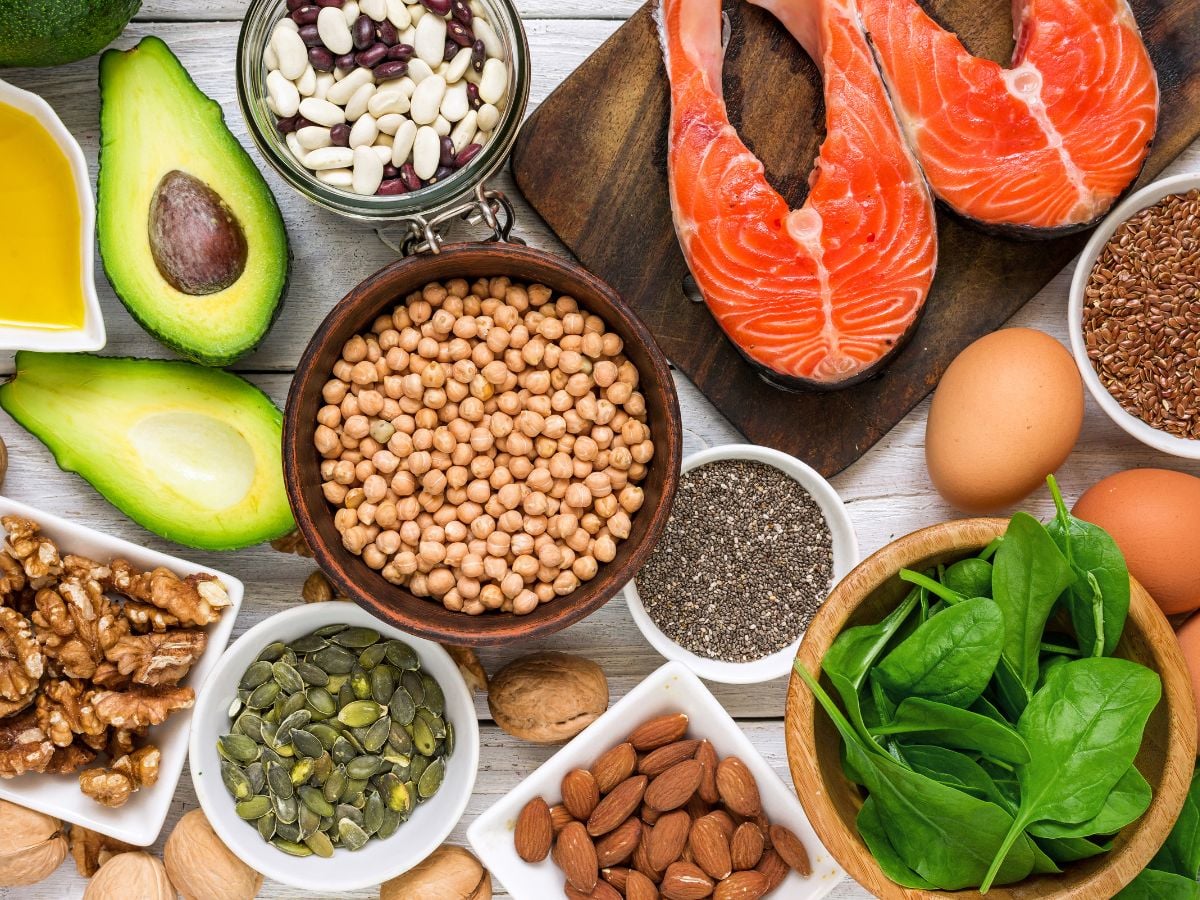
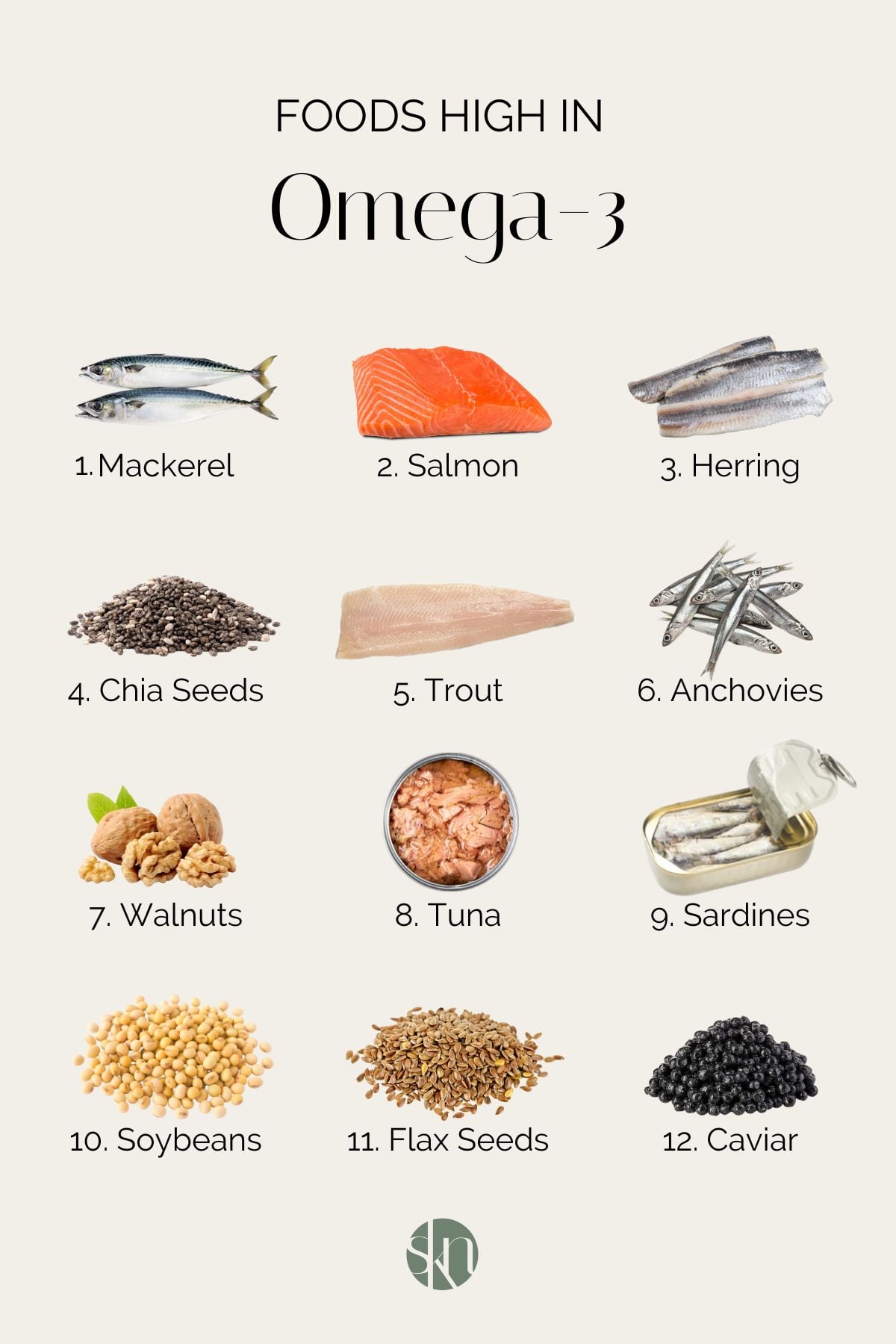
Infographic of list of foods with healthy fats.

What are “healthy” fats?

Put simply, healthy fats are fats found in whole foods. All natural dietary fats, including saturated, monounsaturated, and polyunsaturated fats, are essential to the human body and play vital roles.

Foods High in Healthy Fats

Here is a list of foods high in healthy fats:

  • Nuts
  • Seeds
  • Avocados
  • Olives
  • Eggs
  • Oily fish
  • Milk
  • Yogurt
  • Meat
  • Tofu

What are “unhealthy” fats?

Trans fats, also known as trans fatty acids (TFAs), are generally considered unhealthy fats. While trans fats naturally occur in foods from ruminant animals, such as red meat and dairy products, industrial trans fats were spawned from the demonization of saturated fats as the food industry looked to create alternatives to foods high in saturated fats, such as butter.

Trans fats were created to engineer vegetable oils, which are low in saturated and high in monounsaturated and polyunsaturated fats, to have better spreadability and a longer shelf life through hydrogenation. Hydrogenation is a chemical process that adds hydrogen to the unsaturated bonds on the fatty acid chains to turn an unsaturated fat into a saturated fat, to produce a solid fat and increase its melting point (17).

Industrial trans fats have been linked to adverse health outcomes such as systemic inflammation, endothelial dysfunction, arrhythmia, and insulin resistance (18). While naturally occurring trans fats, found in meat and dairy products from ruminant animals, have neutral health effects in moderate amounts, industrially derived trans fats, derived from vegetable oils, have a more adverse impact on blood lipids (19, 20).

The primary sources of industrial trans fats in the American diet are margarines, vegetable shortenings, and processed baked goods.

Overall, limiting unhealthy fats such as industrial trans fats and excessive saturated fats, by replacing saturated fats from rich cuts of meat with lean meats, can help to ensure you’re consuming a healthier and more balanced diet overall.

FAQs

What are the healthiest fats to eat?

The healthiest fats are found in whole, unprocessed foods such as nuts, seeds, avocados, olives, eggs, oily fish, milk, yogurt, meat, and tofu.

Do healthy fats fill you up?

Yes, healthy fats can help to fill you up, however, they are not the most filling foods. It is best to pair fats with a source of protein and fiber to help balance blood sugar, slow digestion, and increase satiety.

Are healthy fats good for weight loss?

Yes, healthy fats can help to support weight loss. Healthy fats from whole foods such as nuts, seeds, avocados, and olives can help to increase satisfaction and satiety. It is best to consume healthy fats as part of balanced meals in a calorie deficit for optimal weight loss results.

Are healthy fats good for weight gain?

Yes, healthy fats are beneficial for healthy weight gain as they can help to contribute to a calorie surplus while providing micronutrients.

The Bottom Line

Healthy fats are fats from whole, unprocessed foods and include saturated fats, monounsaturated fats, and polyunsaturated fats. Healthy fats can be found in nuts, seeds, avocados, olives, eggs, oily fish, milk, yogurt, meat, and tofu. For optimal health, fats should make up 20-35% of total daily calorie intake, with saturated fat intake making up no more than 10%.

Peanut Tofu Noodles

Published on June 5, 2025 by Stephanie Kay

Ready in 30 minutes and packed full of vegetarian protein, these peanut tofu noodles are a satisfying meal perfect for a healthy weeknight dinner. The combination of crispy tofu, creamy peanut sauce, and crunchy veggies ensures every bite is full of flavor.

Bowl of peanut tofu noodles with chopped peanuts and green onions on top on a wood plate with wood chopsticks and a tea towel on the side.

I don’t mean to be dramatic, but these spicy peanut noodles with tofu are so tasty, I’m confident they can turn a tofu-skeptic into a tofu-lover. The combination of sweet and salty flavors and tender and crunchy textures hits every taste bud.

Plus, this peanut sauce recipe is super versatile and can be used on other noodle or stir-fry recipes if desired. In fact, you can make a double or triple batch of the sauce and store it in an airtight container or jar in the fridge or freezer for days to come.

Close up of a pan of spicy peanut noodles with crispy tofu with chopped spring onions and crushed peanuts on top wit a side of fresh cilantro, sesame seeds, lime wedges.

Why You’ll Love It

  • Quick and Easy – This 30-minute recipe is perfect for a weeknight meal.
  • Full of Fiber – The combination of tofu and veggies gives these peanut tofu noodles 6 grams of fiber per serving.
  • Vegetarian – These spicy peanut noodles with tofu are full of plant-based ingredients, making them a healthy dish everyone can enjoy.
Block of tofu on a cutting bowl with rice noodles and small bowls of peanut butter, soy sauce, chili paste, sesame oil, honey, lime, corn starch, carrots, bell pepper, bok choy, spring onion, garlic, and fresh ginger.

Ingredients + Substitutions

  • Tofu – To add some plant-based protein to this creamy peanut noodles recipe. The recipe calls for extra firm tofu; however, firm and medium tofu will also work, but silken tofu is not recommended.
  • Rice Noodles – I opted to use brown rice noodles, but soba noodles, udon noodles, and ramen noodles will also work well.
  • Peanut Butter – To flavor the peanut sauce and add some protein and fat. You can use crunchy or creamy peanut butter.
  • Soy Sauce – To flavor the peanut sauce. I used regular soy sauce, but you can use low-sodium soy sauce if preferred.
  • Chili Paste – To add some spice to the peanut sauce, although it’s optional. You can use chili garlic sauce, gochujang, sambal, or sriracha, or add some red pepper flakes instead.
  • Sesame Oil – To add some healthy fats and cook the tofu. Peanut oil, coconut oil, and olive oil will also work.
  • Honey – To add a hint of sweetness to the peanut sauce, maple syrup and brown sugar will also work.
  • Lime Juice – To balance the acidity in the peanut sauce, rice vinegar will also work well.
  • Corn Starch – Although optional, it helps to make the crispy tofu. Potato flour, tapioca flour, and arrowroot powder will also work.
  • Veggies – A combination of green onions, carrots, bell pepper, and bok choy to add some fiber and micronutrients. That said, you can use any crunchy veggies you like; broccoli florets, snap peas, snow peas, cabbage, baby corn, and water chestnuts would all work well. You can also use frozen veggies, see the notes section of the recipe card for details.
  • Garlic and Ginger – To flavor the sauce. I used fresh ginger and garlic, but you can use ground ginger and garlic powder if preferred. See the notes section of the recipe card for details.
  • Peanuts – To add a crunchy topping, although optional.
  • Cilantro – To add some freshness, although optional.
Glass bowl of tofu cubes with corn starch.

Dietary Adaptions

To Make it Gluten-Free: Swap the soy sauce for gluten-free soy sauce, tamari, or coconut aminos.

To Make it Dairy-Free: No adaptations are needed; this recipe is dairy-free.

Cast-iron pan with cooked tofu cubes.
Cast-iron pan with stir-fried carrots, bell peppers, and bok choy.

Red’s Nutrition Tip

I recommended using natural peanut butter for these peanut tofu noodles. Not only is it lower in sugar than conventional peanut butter, but it’s free of added sugar and does not contain added vegetable oil. While sometimes thought of as an “unhealthy choice”, peanut butter is a good source of fat, protein, and fiber, and the nutritional content of peanut butter and almond butter is more similar than most people think.

Serving Suggestion

These creamy peanut noodles with tofu are a well-balanced meal complete with vegetarian protien, carbohydrates, fiber, and fats. It can be enjoyed as is or adapted to suit your personal calorie or macro needs, for example:

  • To make it higher in protein, add an extra 1/2 block of firm tofu.
  • To make them lower in fat, use low-fat peanut butter.
  • To make them higher in fiber, add extra veggies.
  • To make it lower carb, swap the rice noodles for zucchini noodles.
Pan with tofu peanut noodles recipe with a side of spring onion, sesame seeds, and chopped cilantro.

Storage + Reheating

To Refrigerate: Allow to completely, then transfer the peanut tofu noodles to an airtight container and store them in the fridge for up to 5 days.

To Freeze: Place the cooled peanut tofu noodles in an airtight container and store them in the freezer for up to 3 months.

To Reheat: To reheat on the stovetop, add the peanut tofu noodles to a pan with two tablespoons of water (this helps to rehydrate the noodles) and cook on medium heat, tossing the noodles frequently and gently, until warmed through. To reheat the noodles in the microwave, place the noodles in a microwave-safe container with 2 tablespoons of water and heat for 1-minute increments, tossing the noodles in between, for a total of 2-3 minutes. If frozen, allow to thaw completely before reheating.

Close up veggie tofu noodles with peanut sauce and chopped peanuts on top with wood chopsticks.

More Tofu and Noodle Recipes:

  • Tofu Noodle Stir Fry
  • Spicy Peanut Chicken Noodles

9 Common Calorie Counting Mistakes

Published on June 3, 2025 by Stephanie Kay

Counting calories is a popular diet strategy for weight loss. Unfortunately, many people unknowingly miscalculate their calorie intake and, in turn, eat more calories than they think. Here are the most common calorie counting mistakes and some suggestions on what to do instead.

Small white bowl will rolled oats on a kitchen scale on a wood table.

Whether your goal is to gain weight, lose weight, or maintain weight, tracking calories or macros helps to track your food intake to ensure you are consuming the right amount of food to reach your goals. For weight loss, tracking calories can help to ensure you stay in a calorie deficit, and for weight gain, tracking calories can help to ensure you stay in a calorie surplus.

While research has shown that calorie counting is not completely accurate, as some food labels have shown a 20% variance in declared values, tracking calories can help to mitigate further discrepancies (1). Counting calories can help to provide a more accurate framework for calorie intake and make achieving goals like weight loss and weight gain much easier.

That said, it’s important to ensure that you are counting calories correctly and as precisely as possible to mitigate further variance. Unfortunately, many people regularly make mistakes when counting calories, fortunately, they can easily be corrected to ensure they can reach their goals more effectively.

Infographic with list of most common calorie counting mistakes.

The Most Common Calorie Counting Mistakes

Here are the most common mistakes people make when counting calories for weight loss.

1. Not measuring portions.

The most common mistake people make when counting calories is not measuring their food. Weighing your food intake is crucial for calorie counting, as it is the only way to know exactly how much you are eating. In fact, it’s impossible to accurately track your calorie intake without weighing the food you eat.

Unfortunately, many people fail to weigh their portion sizes and estimate how much they are eating, which merely results in an estimated calorie intake, not an accurate one. To avoid errors in calorie counting, you must weigh or measure every portion of food and beverage you consume.

2. Measuring by volume, not weight.

Not only is it important to measure your food, but how you measure it impacts the accuracy of your calorie counting. Measuring food by weight, be it in grams or ounces, is far more accurate than measuring by volume, be it cups or tablespoons. Weight measurements are more accurate than volume measurements because weight measurements are less susceptible to variations in how tightly packed or shaped ingredients are.

For example, one tablespoon of peanut butter officially weighs 15 grams and provides 95 calories, however, a tablespoon of peanut butter can easily be filled up to 40 grams, which provides 252 calories (2). Moreover, using a 1-cup measuring cup to measure cooked rice can result in serving sizes from 180 to 225 grams, which range from 169 calories to 218 calories (3, 4).

For the most accurate calorie counting, it’s best to use a kitchen scale and measure and track portions of food and beverages to the nearest gram.

3. Not tracking cooking oils.

Tracking cooking oils is essential for accurate calorie counting, as they are the most calorie-dense foods, and it is one of the best tips for cutting calories. Unfortunately, many people don’t track or underestimate the amount of oil used in their meals, potentially skewing their calorie counting by hundreds of calories per day. 

While dietary fats are important for optimal health, they are high in calories, as fats provide 9 calories per gram, compared to protein and carbohydrates, which provide 4 calories per gram. Be it a drizzle of olive oil, a knob of butter, or a bit of cooking spray, tracking cooking oils is essential for accurate calorie counting.

4. Not tracking liquid calories.

Much like cooking oils, you can easily minimize your weight loss progress by ignoring liquid calories. Liquid calories from beverages such as juices, sodas, milk, smoothies, flavored coffees, and alcohol all contribute to total calorie intake. Even many “healthy” beverages are high in added sugar and, in turn, high in calories, which can add up quickly and significantly throw off a calorie target if not accounted for.

Be it a green juice, a vanilla latte, or a glass of wine, be sure to track all beverages and liquid calories, ideally by weight, for the most accurate calorie counting.

5. Not tracking condiments.

Tracking condiments is essential for an accurate calorie count. Although certain condiments contain zero or few calories, such as mustard, vinegars, and certain hot sauces, some condiments are high in calories, such as ketchup, BBQ sauce, tartar sauce, salad dressing, and mayonnaise.

For instance, a 2-tablespoon serving of ketchup, BBQ sauce, and ranch dressing contains 40, 53, and 129 calories, respectively, and, if untracked, can contribute to a total of 222 unaccounted calories in a day (5, 6, 7). For this reason, tracking condiments is essential for a precise calories count.

6. Ignoring bites and licks.

Whether it’s a handful of almonds as you walk through the kitchen, a slice of cheese while you make a sandwich, or a bite of your kids’ snack, small nibbles, bites, and licks of unaccounted food can easily add up throughout the day and cause you to eat more calories than you’ve tracked.

Research has shown that people often underreport their calorie intake by an average of 47%, and the mindless eating of unreported foods is a major contributor to this (8). While there is certainly nothing wrong with enjoying small bites and snacks, practicing mindful eating and tracking them can help to ensure you’re reaching your goals faster and not making this common calorie-counting mistake.

7. Tracking by meal, not ingredient.

To ensure calorie tracking is accurate, food should be tracked by individual ingredient, not meal type. Instead of selecting “lasagna”, “grilled cheese”, or “chicken tacos” from a calorie-counting app database, it’s best to input the individual weight and ingredients of the dish (e.g., 92 grams bread, 47 grams cheddar cheese, and 31 grams butter) for the most accurate calorie reading.

Because these meals are recipes, the ingredients of the dish and the amount used can vary widely from one recipe to the next. While this can be more difficult for restaurant meals, for homemade recipes, it’s best to measure and weigh each ingredient individually, input it as a meal, and measure each serving for the most accurate calorie reading.

8. Underestimating restaurant meals.

Restaurant meals are far more calorie-dense than homemade meals, and underestimating them is a common mistake people make when tracking their food. The average restaurant meal in the US contains around 1,205 calories, which accounts for 60% of the recommended daily calorie intake for adult females and 48% of the recommended daily calorie intake for average adult males (9, 10).

Restaurants tend to use more oil, butter, and fats in their food preparation, which quickly increases the calorie content of a single meal. Therefore, when dining out, it’s best to overestimate the calorie content of meals and refer to the nutrition information provided by restaurants whenever possible.

9. Not tracking consistently.

Consistency is key to calorie counting, particularly for goals of weight loss and weight maintenance. Not only does it help individuals reduce and maintain their mean calorie intake level, but it’s associated with the formation of stronger, healthy eating habits, which promote the maintenance of reduced energy intake and weight loss over time (11).

Moreover, tracking of both “good” days and “bad” days can help individuals gain a better understanding of their eating habits, track progress, and improve mindful and intuitive eating behaviors over time.

The Bottom Line

Ensuring your calorie intake is accurate is essential for success in reaching your weight loss goals. The most common calorie-counting mistakes include not weighing food, not tracking cooking oils, condiments, and liquid calories, not tracking nibbles, licks, and bites, underestimating the calorie content of restaurant meals, and not tracking consistently.

Korean Beef Meal Prep Bowls

Published on May 29, 2025 by Stephanie Kay

Filled with marinated beef, fluffy rice, stir-fried vegetables, and covered in a spicy sauce, these bibimbap-inspired Korean beef meal prep bowls are packed full of protein and flavor. Whip them up on the weekend and enjoy healthy lunches all week long.

Close up of a glass container of a Korean beef meal prep bowl with sesame seeds and sliced green onion with bibimbap gochujang sauce on a white background.

Bibimbap is a popular Korean dish with a mixture of vegetables, meat, cooked rice, and/or a fried egg, topped with a spicy sauce. The term “bibimbap” translates to “mixed rice”, as “bibim” means mixed and “bap” means rice. It’s an incredibly versatile dish as you can create endless varieties with different combinations of ingredients.

While these Korean beef meal prep bowls are certainly not a traditional bibimbap recipe, they are inspired by it, and they are absolutely delicious! In fact, they’re so tasty, they may be something the entire family can agree on.

Korean Beef Meal Prep Bowls in glass containers with sliced green onion, soy sauce, bibimbap sauce, kimchi, sliced zucchini, and sesame seeds with chopsticks.

Why You’ll Love Them

  • High in Protein – With over 30 grams of protein per serving, these bowls are a muscle-building meal.
  • Full of Flavor – The marinated beef mixture and spicy sauce ensure each bite is full of flavor.
  • Keep Well – These Korean beef bowls keep well in the fridge and freezer, making them a great meal prep idea.
Collection of ingredients on a white background including: sirloin steak, sesame oil, rice vinegar, brown sugar, soy sauce, gochujang, garlic, white rice, zucchini, bean sprouts, carrots, spinach, and mushrooms.

Ingredients + Substitutions

  • Beef – To add some protein. The recipe calls for a sirloin steak; however, a flank steak would also work well. You can also use ground beef if preferred; lean or extra lean ground beef would work best. See the notes section of the recipe card for details.
  • Rice – To add some complex carbohydrates. The recipe calls for white rice, such as jasmine rice, but brown rice will also work well.
  • Vegetables – To add some fiber and micronutrients. The recipe calls for a combination of carrots, zucchini, mushrooms, bean sprouts, and spinach; however, it can easily be adapted to use your favorite veggies. Sliced cucumbers, shredded cabbage, and radishes would all work very well.
  • Garlic – To flavor the beef and sauce. The recipe calls for garlic cloves, but garlic powder will also work well. See the notes section of the recipe card for details.
  • Soy Sauce – To add some saltiness. You can use regular or low-sodium soy sauce.
  • Gochujang Sauce – To add some heat to the sauce. The recipe calls for gochujang, but sriracha or another red chili paste would also work well.
  • Sesame Oil – To add some healthy fats and flavor.
  • Brown Sugar – To add some sweetness to the beef marinade and sauce. Honey will also work well.
  • Rice Vinegar – To add some acidity to the beef marinade and sauce.
  • Sesame Seeds – For topping, although optional.
  • Green Onions – For topping, although optional.
Marinated sliced steak in a glass bowl.
Marinated and cooked sliced steak in cast-iron skillet.

Dietary Adaptions

To Make it Gluten-Free: Swap the soy sauce for gluten-free tamari or coconut aminos.

To Make it Dairy-Free: No adaptations are needed; this recipe is dairy-free.

Four glass meal prep containers with Korean beef bowls.

Red’s Nutrition Tip

While sometimes thought of as “unhealthy”, steak, particularly lean cut of steak, is a great low-calorie, high-protein food and a great source of micronutrients. In fact, beef is a great source of iron, magnesium, vitamin B12, zinc, and selenium (1).

Serving Suggestions

The Korean beef meal prep bowls are a balanced meal idea with lots of protein, carbohydrates, fiber, and fats. That said, you can easily adapt them to suit your personal calorie or macro needs. For example:

  • To add more protein, serve them with a fried egg on top.
  • To make them low carb, swap the rice for cauliflower rice.
  • To make them higher in fiber, swap the white rice for brown rice and/or add some broccoli, green peas, shredded cabbage, or other veggies.
  • To add more flavor, add some ground ginger to the beef mixture and/or top the bowls with a Korean fermented food such as kimchi.
Four Korean beef meal prep bowls with gochujang sauce, green onions, and chopsticks.

Storage + Reheating

To Refrigerate: Once cooked, allow the firecracker beef bowls to cool completely, then cover them with a lid and store them in the fridge for up to 4 days.

To Freeze: Once the bowls have cooled completely, cover them with a lid and store them in the freezer for up to 3 months.

To Reheat: You can reheat firecracker beef meal prep bowls in the microwave for 2-3 minutes or until warm. If using frozen bowls, remove them from the freezer and allow them to thaw overnight in the fridge before reheating.

More Korean Bowls:

  • Korean Ground Turkey Rice Bowls
  • Crispy Beef Bowls
  • Firecracker Beef Bowls
  • Teriyaki Beef Bowls
  • Spicy Gochujang Chicken Bowls

15 Foods High in Vitamin C

Published on May 27, 2025 by Stephanie Kay

Vitamin C is an essential nutrient that protects the body against many chronic diseases. It is primarily found in fruits and vegetables and is vital for overall health and well-being. Here is a list of the top foods high in vitamin C so you can increase your dietary intake.

Mixture of colorful fruits and vegetables on a white background.

Table of contents

  • What is vitamin C?
  • Benefits of Vitamin C
  • How much vitamin C do you need?
  • Can you take too much vitamin C?
  • List of Foods High in Vitamin C
  • 1. Guava
  • 2. Blackcurrants
  • 3. Bell Peppers
  • 4. Brussels Sprouts
  • 5. Kale
  • 6. Broccoli
  • 7. Papayas
  • 8. Snow Peas
  • 9. Strawberries
  • 10. Oranges
  • 11. Kiwis
  • 12. Red Cabbage
  • 13. Lemons
  • 14. Grapefruit
  • 15. Limes
  • Ranking of Vitamin C Foods
  • What foods are fortified with vitamin C?
  • Should you take vitamin C supplements?
  • FAQs

What is vitamin C?

Vitamin C, also known as ascorbic acid, is a water-soluble vitamin and an essential micronutrient. Vitamin C is naturally present in many whole foods, added to others, and found in supplement form. Humans are unable to synthesize vitamin C, therefore, it must be obtained through food sources or dietary supplements (1).

Benefits of Vitamin C

Vitamin C functions as a powerful antioxidant, is important for immune system function, and is required for collagen production (1, 2). Collagen is the most abundant type of protein in the body and plays a vital role in wound healing and skin health, and the antioxidant effects of vitamin C protect cells from damage caused by free radicals. Vitamin C also improves the absorption of nonheme iron, the form of iron present in plant-based foods (3).

An insufficient intake of vitamin C can lead to various health problems, including scurvy, which can be seen by general weakness, fatigue, irritability, and joint pain, and can lead to bleeding gums, loosened teeth, and bleeding under the skin (4).

How much vitamin C do you need?

The current Recommended Dietary Allowance (RDA) for vitamin C varies by age and life stage (5):

  • Birth to 6 months: 40 mg/day
  • Infants 7-12 months: 50 mg/day
  • Children 1-3 years: 15 mg/day
  • Children 4-8 years: 25 mg/day
  • Children 9-13 years: 45 mg/day
  • Teens 14–18 years (boys): 75 mg/day
  • Teens 14–18 years (girls): 65 mg/day
  • Adults (men): 90 mg/day
  • Adults (women): 75 mg/day
  • Pregnant (teens): 80 mg/day
  • Pregnant (women): 85 mg/day
  • Breastfeeding (teens): 115 mg/day
  • Breastfeeding (women): 120 mg/day

The RDAs for vitamin C are based on its known physiological and antioxidant functions in white blood cells and are much higher than the amount required for protection from deficiency (5).

While most Americans meet their daily RDA for vitamin C, certain populations may not. This includes individuals who smoke or are exposed to secondhand smoke, individuals who eat a very limited variety of food, and individuals with medical conditions such as malabsorption, kidney disease, and cancer (6).

Note: For the purpose of the article, an RDA of 90 mg was used to calculate the percentage intake.

Can you take too much vitamin C?

Taking too much vitamin C can cause nausea, diarrhea, and stomach cramps, however, these symptoms will dissipate when you decrease consumption. The tolerable upper intake level (UL) for vitamin C is 2,000 milligrams (2 grams) per day for adults (5).

Infographic of foods high in vitamin C.

List of Foods High in Vitamin C

Vitamin C is primarily found in fruits and vegetables. Here is a list of the best vitamin C-rich foods.

1. Guava

Guava is a tropical fruit and one of the best sources of vitamin C. The different varieties of guava vary in size and color, with yellow or light green skin and white, pink, or red flesh. They can be eaten whole, peeled, or sliced, and they have a sweet and tangy flavor. A 1-fruit serving of guava (55 grams) contains 125 mg of vitamin C (7).

2. Blackcurrants

Blackcurrants, also known as black currants or cassis, are another great source of vitamin C. These small, dark purple, almost black berries have a tangy and tart flavor and are commonly used in jams, preserves, and syrups. Black currants are a great source of antioxidants and have been shown to have anti-inflammatory and antimicrobial effects (8). A 1-cup serving of blackcurrants (112 grams) contains 203 mg of vitamin C (9).

3. Bell Peppers

Also known as capsicum, bell peppers are rich in vitamin C. While all colors of bell pepper contain vitamin C, orange bell pepper contains the most. Other forms of peppers, such as red and green chili peppers, are also good sources of vitamin C. Bell peppers can be eaten raw, grilled, roasted, sautéed, or added to chili, soups, pasta, or stuffed peppers. A medium-sized orange bell pepper (119 grams) contains 188 mg of vitamin C (10).

4. Brussels Sprouts

Brussels sprouts are the vegetable with the highest vitamin C content. A member of the cabbage family, this cruciferous vegetable is a great source of dietary fiber, vitamin C, vitamin K, and antioxidants. Brussels sprouts can be boiled, steamed, roasted, fried, or shredded and added to coleslaw and salads. A 1-cup serving of raw Brussels sprouts (88 grams) contains 126 mg of vitamin C (11).

5. Kale

Kale is a cruciferous vegetable and the leafy green with the most vitamin C. Be it curly, baby, or Lacinato, kale is rich in micronutrients, including vitamin K, and powerful antioxidants. Kale can be eaten raw in salads, sautéed as a side dish, or cooked into soups, stews, and casseroles. While cooking slightly reduces kale’s vitamin C content, it makes it less bitter and more palatable (12). A 1-cup serving of raw kale (20.6 grams) contains 19 mg of vitamin C (13).

6. Broccoli

Broccoli is another cruciferous vegetable that is rich in vitamin C. This nutrient-rich vegetable is full of essential vitamins, minerals, fiber, and other bioactive compounds, which have been shown to support overall health and wellness, including cancer prevention and reduced inflammation (15). Broccoli can be blanched, steamed, sautéed, grilled, or roasted, and works well in stir-fries and salads. A 1-cup serving of chopped broccoli (91 grams) contains 81 mg of vitamin C (16).

7. Papayas

Papaya is a green tropical fruit with a soft, fleshy orange interior filled with black seeds, and is a good source of vitamin C. Research has shown that papaya may have health benefits beyond its vitamin C content, including potent antioxidant properties and antimicrobial properties that aid in wound recovery (17). Moreover, papaya extract has been shown to work as a natural digestive aid to improve digestion. A 1-cup serving of diced papaya (145 grams) contains 88 mg of vitamin C (18).

8. Snow Peas

Snow peas are a good source of vitamin C, providing roughly 66% of the recommended daily intake per serving. These edible pods are also good sources of fiber and can be steamed or sautéed into stir-fries. A 1-cup serving of chopped snow peas (98 grams) contains 59 mg of vitamin C (19).

9. Strawberries

Strawberries are rich in vitamin C and are one of the best anti-inflammatory foods. These sweet little red fruits contain anthocyanins, flavonols, and phenolic acids, which modulate pro-inflammatory markers, antioxidant enzymes, and signaling pathways (20, 21). While frozen berries contain slightly less vitamin C than fresh berries, all forms of strawberries are good sources of micronutrients and contribute to the recommended daily intake. A 1-cup serving of sliced strawberries (166 grams) contains 99 mg of vitamin C (22).

10. Oranges

Citrus fruits are well-known for being good sources of vitamin C, and oranges are one of the best. Oranges, as well as fresh orange juice, are rich in antioxidants, relatively low in sugar, and are some of the most hydrating foods. A 1-fruit serving of orange (140 grams) contains 83 mg of vitamin C (23).

11. Kiwis

Kiwis provide several nutrients, including vitamin C, potassium, copper, vitamin K, folate, and dietary fiber. Notably, kiwis contain one-third soluble and two-thirds insoluble fiber, which help regulate blood sugar, lower cholesterol, aid digestion, and prevent constipation (24). A 2-fruit serving of kiwis (148 grams) contains 87 mg of vitamin C (25).

12. Red Cabbage

Cabbage is another cruciferous vegetable that is high in vitamin C. Red cabbage contains roughly 57% of the recommended daily intake per serving and is also a good source of prebiotic fiber. Cabbage can be eaten raw in coleslaw or salads, sautéed into stir-fries, cooked into soups, or fermented into sauekraut. A 1-cup serving of chopped cabbage (89 grams) contains 51 mg of vitamin C (26).

13. Lemons

Along with oranges, lemons are another citrus fruit high in vitamin C. Lemon juice specifically is a good source of vitamin C, as a 1/4 cup serving of lemon juice contains 25 mg of vitamin C, roughly 28% of the recommended daily intake (27). Lemons can be eaten whole, used in dressings, sauces, and marinades, or added to water or homemade sports drinks. A 1-fruit serving of raw lemon without the peel (84 grams) contains 45 mg of vitamin C (28).

14. Grapefruit

Grapefruits are also high in vitamin C. This low-calorie, low-sugar fruit has also been shown to support immune function, prevent insulin resistance, prevent diabetes, and decrease the risk of kidney stones (29, 30, 31). A 1/2-cup serving of raw grapefruit (123 grams) contains 46 mg of vitamin C (32).

15. Limes

Much like lemons, limes contain a good amount of vitamin C. Limes can be eaten raw or added to beverages, while lime juice can be used in sauces, dressings, marinades, and smoothies. A 1-fruit serving of raw lime (67 grams) contains 20 mg of vitamin C (33).

Ranking of Vitamin C Foods

FoodVitamin C per 100 grams
Guava228 mg
Blackcurrants181 mg
Bell Peppers158 mg
Brussels Sprouts143 mg
Kale 93 mg
Broccoli89 mg
Papayas61 mg
Snow Peas60 mg
Strawberries60 mg
Oranges59 mg
Kiwis59 mg
Red Cabbage57 mg
Lemons53 mg
Grapefruits37 mg
Limes29 mg
Spinach27 mg
Potatoes20 mg
Tomatoes18 mg
Cantaloup11 mg

All nutrition data is based on FoodData Central.

What foods are fortified with vitamin C?

Some foods and beverages are fortified with vitamin C. Fortification is a process by which vitamins, minerals, and amino acids are added to foods to provide consumers with sufficient but not excessive amounts of certain nutrients (34). Certain breakfast cereals, dehydrated potatoes, fruit juices, infant formulas, and meal replacements are fortified with vitamin C.

To determine if a processed food is fortified with vitamin C, read the nutrition facts label and the ingredient list.

Should you take vitamin C supplements?

While most people meet the RDA for vitamin C, supplementation may be beneficial for certain individuals. Research has shown that the mean intakes of vitamin C are 105.2 mg per day for adult males and 83.6 mg per day for adult females, meeting the currently established RDA for most nonsmoking adults (35). Individuals who regularly smoke, eat a limited diet, or those at risk for deficiency may benefit from vitamin C supplements.

Vitamin C can be taken as an isolated supplement or as part of a multivitamin supplement. The vitamin C in supplements is found in the form of ascorbic acid, which has equivalent bioavailability to that of naturally occurring ascorbic acid in foods (36, 37).

It’s important to speak with a medical professional or registered dietitian before taking vitamin C supplements, particularly during pregnancy or while breastfeeding.

FAQs

Which food is highest in vitamin C?

Guava, blackcurrants, and bell peppers are the top 3 vitamin C-containing foods.

How can I get 100% of vitamin C daily?

To obtain 100% of the recommended daily intake of vitamin C, focus on consuming a wide variety of fruits and vegetables, particularly those high in vitamin C, such as papayas, strawberries, oranges, Brussels sprouts, kale, and broccoli.

Which 3 fruits are highest in vitamin C?

Guava, blackcurrants, and papayas are the fruits with the most vitamin C.

What drink is high in vitamin C?

Orange juice, grapefruit juice, tomato juice, and blackcurrant syrup in water are the drinks with the most vitamin C.

The Bottom Line

Vitamin C is an essential water-soluble vitamin found in food sources and dietary supplements. Foods rich in vitamin C include guava, blackcurrants, bell peppers, Brussels sprouts, kale, broccoli, papayas, snow peas, strawberries, and oranges. Regularly eating fruits and vegetables is the best way to ensure you’re consuming enough vitamin C.

Quinoa Edamame Salad

Published on May 22, 2025 by Stephanie Kay

This Asian-inspired quinoa edamame salad is a quick, easy, and colorful salad that works equally well as a main course or a side dish. Covered in a sesame ginger dressing, this salad is full of fiber and flavor in every bite.

Large white bowl with quinoa edamame salad with a silver serving spoon with a jar of ginger sesame dressing on the sie with a bowl of chopped cilantro and sesame seeds on a white background.

If you’ve been around here for a while, you’ll know I love a make-ahead salad. By combining whole grains, legumes, and hearty veggies, you can easily make a delicious and nutritious salad that lasts in the fridge for multiple days, so you can enjoy it for easy grab-and-go meals, and this easy edamame quinoa salad recipe is exactly that.

Close up of edamame quinoa salad with ginger sesame dressing and cilantro in the background.

Why You’ll Love It

  • Keeps Well – This edamame quinoa salad keeps well in the fridge for days, making it a great meal prep salad.
  • High in Fiber – The combination of quinoa, edamame, and veggies gives this salad 5 grams of fiber per serving.
  • Full of Vegetarian Protein – The combination of edamame and quinoa ensures this salad has 8 grams of plant-based protein per serving.
Jar of sesame ginger dressing with bowls of raw quinoa, cilantro, shredded carrots, shredded cabbage, sliced green onion, frozen edamame, sesame seeds, and a red bell pepper.

Ingredients + Substitutions

  • Quinoa – To add some plant-based protein to the salad. You can use white quinoa, red quinoa, or tri-color quinoa blend.
  • Edamame – To add some more plant-based protein and fiber. You can use whole frozen edamame beans or shell edamame pods if preferred.
  • Veggies – A combination of red pepper, carrots, red cabbage, green onion, and cilantro to add some fiber and micronutrients. English cucumber and green cabbage would also work well.
  • Sesame Oil – To flavor the salad dressing and add some healthy fats. You can use regular or toasted sesame oil.
  • Olive Oil – To add more oil without overpowering the sesame flavor of the dressing.
  • Rice Vinegar – To balance the acidity of the dressing, lime juice will also work.
  • Soy Sauce – To add some saltiness to the dressing. You can use regular or low-sodium soy sauce.
  • Honey – To add a hint of sweetness to the dressing, maple syrup will also work.
  • Ginger – To give the dressing a ginger flavor. I recommended using fresh ginger for the best results, but ginger powder will also work. See the notes section of the recipe card for details.
  • Garlic – To flavor the dressing. The recipe calls for garlic cloves, but garlic powder will also work. See the notes section of the recipe card for details.
  • Sesame Seeds – To serve, although optional. You can use black, white, or toasted sesame seeds.
Small jar of sesame ginger dressing with a small silver spoon and striped white and grey tea towel on a white background.

Dietary Adaptions

To Make it Gluten-Free: Swap the soy sauce for gluten-free tamari or coconut aminos.

To Make it Dairy-Free: No adaptations are needed; this recipe is dairy-free.

Large white mixing bowl of cooked quinoa.
Large white mixing bowl of cooked quinoa, shredded carrots, shredded cabbage, diced red bell pepper, edamame, cilantro, and green onion.

Red’s Nutrition Tip

Unlike animal protien, plant protein sources are not complete proteins as they either do not contain all amino acids or do not contain them in optimal ratios. Fortunately, by combining plant proteins and/or eating a wide variety of sources, you can ensure you’re eating an optimal amount. Combining quinoa and edamame in this salad makes it a more complete vegetarian protein source.

Serving Suggestion

This quinoa edamame salad is a good source of carbohydrates, fiber, and healthy fats, with a moderate amount of protein. To make it a more balanced meal, I recommend adding an additional source of protein to the salad, such as:

  • Grilled Tofu Skewers
  • Cilantro Lime Chicken
  • Honey Mustard Chicken Thighs
  • Grilled Steak
Large bowl of edamame quinoa salad on a white background.

Storage

To Refrigerate: Once dressed, this quinoa edamame salad can be stored in an airtight container in the fridge for up to 4 days.

To Meal Prep: If making this quinoa edamame salad ahead of time, prepare the salad and sesame ginger dressing and store them in separate airtight containers. When you are ready to eat, cover the salad with dressing and toss to combine.

Serving of edamame quinoa salad in a white bowl with a serving spoon and sesame oil dressing in the background.

More Quinoa Salad Recipes:

  • Lentil and Quinoa Salad
  • Asian Quinoa Salad
  • Chickpea and Quinoa Salad

Turkey Taco Skillet

Published on May 14, 2025 by Stephanie Kay

Ready in 30 minutes, this easy turkey taco skillet is packed full of protein and flavor. Serve it with a side of tortilla chips or rice for a healthy and family-friendly weeknight dinner.

Ground turkey taco skillet with sliced avocado, chopped cilantro, shredded cheese, and sliced green onion on top with a side of lime wedges, tortilla chips, a tea towel, and serving spoon on a white background.

Turn Taco Tuesday inside out with this easy turkey taco skillet recipe. It’s everything you love about turkey tacos made in a single pan and can be enjoyed on its own as a low-carb meal or wrapped in corn tortillas for a full taco experience.

And the best part is, leftovers keep incredibly well, so you can enjoy them for lunches and dinners for days to come. When you’re ready to eat, serve it up with sour cream, salsa, or guacamole for a Tex-Mex-inspired meal prep idea.

Close up of a turkey taco skillet in a cast-iron pan with a serving spoon with tortilla chips in the background.

Why You’ll Love It

  • Made in One Pan – This one-pan ground turkey taco skillet keeps prep and cleanup to a minimum.
  • Quick and Easy – This recipe is ready in 30 minutes, making it a great healthy weeknight dinner idea.
  • High in Protein – The combination of ground turkey, black beans, and cheese ensures each serving contains almost 40 grams of protein.
  • High in Fiber – The combination of black beans, corn, and veggies gives this ground turkey skillet 12 grams of fiber per serving.
White plate with ground turkey with a yellow onion, bell peppers, and small bowls of diced tomatoes, black beans, frozen corn, taco seasoning, and shredded Mexican cheese.

Ingredients + Substitutions

  • Ground Turkey – To add some protein. You can use regular, lean, or extra-lean ground turkey, or swap it for ground chicken or ground beef instead.
  • Onion + Bell Peppers – To add some veggies. The recipe calls for a red and green bell pepper, but you can use any colors you like.
  • Tomatoes – To add some more veggies. I used diced tomatoes, but crushed or diced fire-roasted will also work.
  • Black Beans – To add some plant-based protein and fiber. The recipe calls for black beans, but pinto beans would also work well.
  • Corn – To add some more fiber and carbohydrate. The recipe calls for frozen corn, but canned corn will also work.
  • Taco Seasoning – A mixture of chili powder, smoked paprika, garlic powder, cumin, and salt to season the taco skillet. If preferred, you can use a ready-made taco seasoning; see the notes section of the recipe card for details.
  • Cheese – To add some healthy fats and a cheesy-pull-apart topping.
Cast-iron skillet with cooked ground turkey, onion, and bell pepper.
Cast-iron skillet with cooked ground turkey, onion, bell pepper, and taco seasoning.

Dietary Adaptions

To Make it Dairy-Free: Omit the shredded cheese or use dairy-free cheese.

To Make it Gluten-Free: No adaptations are needed; this recipe is gluten-free.

Cast-iron skillet with cooked taco ground turkey mixture, black beans, diced tomatoes, and frozen corn.
Cast-iron skillet with cooked turkey taco filling.

Red’s Nutrition Tip

This turkey taco skillet is a great recipe for a weight loss goal. The use of ground turkey as a high-protein, low-calorie food helps to ensure the dish is filling while being low in fat, making it easier to enjoy delicious food and maintain a calorie deficit.

Serving Suggestions

This turkey taco skillet is a great source of protein, fiber, and fats. While it can be eaten on its own, serving it with a source of carbohydrates will make it a more filling and balanced meal. Plus, it can easily be adapted to suit your personal calorie or macro needs, for example:

  • To add some complex carbohydrates, serve it with some white rice, brown rice, corn tortillas, or tortilla chips.
  • To add some healthy fat, top it with some sour cream, sliced avocado, or guacamole.
  • To add some flavor, top it with some salsa, hot sauce, pickled red onions, or chopped cilantro.
  • To keep it low carb, serve it on top of some cauliflower rice or green salad.
Close up of a cast-iron pan with turkey taco mixture with melted cheese on top and cilantro on top.

Storage + Reheating

To Refrigerate: Allow any leftover turkey taco skillet to cool completely and then transfer it to an airtight container and store it in the fridge for up to 5 days.

To Freeze: Once cooled completely, leftover ground turkey taco skillet can be stored in an airtight container in the freezer for up to 3 months.

To Reheat: Allow leftovers to thaw, then reheat them in the oven at 350°F for 10-20 minutes or in the microwave for 2-3 minutes.

Serving of turkey taco skillet on a dark plate with tortilla chips and a fork.

More Ground Turkey Recipes:

  • Butternut Squash Turkey Chili
  • Turkey Pumpkin Chili
  • Ground Turkey Pasta Bake
  • Korean Ground Turkey Rice Bowls
  • Spinach Feta Turkey Burgers

12 Ways to Eat Less Sugar

Published on May 13, 2025 by Stephanie Kay

While most people know added sugar can be problematic for health, many Americans still consume too much. Here are some simple tips to eat less sugar that you can implement today.

Bakery-style mixed berry muffins and double chocolate muffins in a wood basket with a tea towel.

Table of contents

  • How much sugar is too much sugar?
  • How To Eat Less Sugar
  • 1. Prioritize whole foods.
  • 2. Read food labels.
  • 3. Be mindful of “healthy” processed foods.
  • 4. Learn the code words for sugar.
  • 5. Eat a savory breakfast.
  • 6. Limit sugary drinks.
  • 7. Reach for high-protein snacks.
  • 8. Reduce sugar in recipes.
  • 9. Make dressings and sauces.
  • 10. Practice portion control.
  • 11. Manage hydration, sleep, and stress.
  • 12. Enjoy your treats out of the house.

How much sugar is too much sugar?

The Dietary Guidelines for Americans recommends that added sugars should make up no more than 10% of total calorie intake, and ideally no more than 5% (1). For an average 2,000-calorie-a-day diet, that is roughly 200 calories, 12 teaspoons, or 48 grams of added sugars from both food and beverages.

This recommendation is specific to added sugar and does not include natural sugar. Added sugars are refined sugars added to processed foods such as cane sugar, white sugar, brown sugar, and corn syrup, while natural sugars are those naturally occurring in whole, unprocessed foods, including fruits, vegetables, and milk.

Natural sugars are a healthier choice than added sugars, given that they are naturally present alongside complex carbohydrates, protein, fats, fiber, micronutrients, and antioxidants, while added sugars are void of nutrients and are, therefore, often referred to as “empty calories”.

Although both natural and added sugars can be included in a healthy diet, in excess, the consumption of added sugar has been shown to contribute to various health problems, including weight gain, obesity, chronic inflammation, type 2 diabetes, heart disease, and tooth decay (2, 3, 4, 5, 6). Therefore, limiting the consumption of added sugar is vital for optimal health.

Infographic on how to eat less sugar.

How To Eat Less Sugar

Here are some simple tips and healthy eating habits that can help minimize your added sugar intake without avoiding it altogether.

1. Prioritize whole foods.

One of the simplest ways to eat less sugar is to prioritize the consumption of whole foods. By eating and cooking unprocessed or minimally processed foods, such as fruits, vegetables, whole grains, legumes, nuts, seeds, milk, poultry, seafood, and meat, you can easily reduce the sugar in your diet without much effort.

Not only are whole foods void of added sugar, but they are rich in vitamins and minerals, and can easily be used to create well-balanced meals with protein, carbohydrates, fiber, and fats.

2. Read food labels.

While prioritizing whole foods is an important strategy for reducing sugar intake, for most, it’s unrealistic to only eat unprocessed foods. Therefore, when opting for packaged foods, it’s important to read labels to determine if and how much added sugar the item contains.

The nutrition facts label on packaged foods will list the “Total Sugars” content and the “Added Sugars” content. “Total Sugars” includes all sugars present, both natural and added, while “Added Sugars” only accounts for those added during the processing of the product (7). Whenever possible, opt for items with little or no added sugar.

3. Be mindful of “healthy” processed foods.

Food labels and food marketing can be confusing. Attractive packaging, buzzwords, and label claims such as “natural”, “low calorie”, and “gluten-free” included by food manufacturers often lead consumers to believe that products are more nutritious than they are.

For instance, a “whole grain” granola bar may still contain a lot of added sugar, and a “low sugar” cereal may still include a long list of unhealthy additives and preservatives. For this reason, it’s important to read the nutrition labels on all products to review the ingredients and added sugar content, even those that have been presented as a “healthier” option.

4. Learn the code words for sugar.

Although added sugar is often clearly labelled as “sugar” or “table sugar” on food labels, it is also found under many different names. Words ending in -ose, such as glucose and dextrose, corn syrup, high fructose corn syrup, agave nectar, evaporated cane juice, and fruit juice concentrate, are all forms of added sugar.

By gaining a better understanding of the code words for sugar, you can more easily identify added sugar in ingredient lists and reduce your overall sugar intake.

5. Eat a savory breakfast.

Americans consume more added sugar at breakfast than at lunch or dinner (8). While drinks, desserts, and snacks are the primary sources of added sugar in the standard American diet, breakfast is a secondary contributor thanks to the popular consumption of breakfast cereals, pancakes, waffles, and sweetened yogurts (9).

By opting for a savory breakfast, such as eggs, omelets, tofu scramble, cottage cheese bowls, or avocado toast, you can reduce your daily sugar intake from the first meal of the day.

6. Limit sugary drinks.

Sugar-sweetened beverages are the leading contributors to added sugar consumption in the American diet. According to research, 63% of adults aged 18 or older drink sugar-sweetened beverages once daily or more (10). This accounts for 145 calories per day from sugary drinks alone.

By limiting your intake of flavored coffees, soft drinks, energy drinks, sports drinks, and fruit juice with added sugar, and opting for sugar-free beverages such as water, sparkling water, unsweetened tea and coffee, you can help to reduce your intake of added sugars.

7. Reach for high-protein snacks.

Many prepared snack foods, even “healthy” ones, are high in added sugar. While most people recognize that cookies, muffins, and brownies contain sugar, many brands of granola bars and protein bars also contain significant amounts of added sugar. Moreover, sugary snacks are some of the most hyper-palatable foods, making them very easy to overeat, leading to an increased sugar intake.

Not only are high-protein snacks generally lower in sugar than sugary snacks, particularly whole foods ones, but they are also more filling foods, especially when paired with a source of fiber. Snacks such as Greek yogurt and blueberries, cottage cheese and raspberries, beef jerky and carrots, boiled eggs and almonds are high-protein and high-fiber snacks you can enjoy to eat less sugar.

8. Reduce sugar in recipes.

When cooking or baking, look for ways to reduce the amount of sugar in the recipe. While this is not always necessary, as indulgence is an important part of a healthy diet, if you frequently consume baked goods, the total sugar content consumed can quickly add up.

If the recipe allows, you can swap refined sugar for natural sweeteners to further reduce the sugar content of a recipe. For example, you can use unsweetened applesauce or mashed bananas, which contain fiber and micronutrients, to replace some of the sugar and fat in cookies and muffins.

9. Make dressings and sauces.

Many commercially prepared sauces and dressings contain added sugars. Items such as spaghetti sauce, BBQ sauce, ketchup, and salad dressing often contain added sugar and, when collectively and frequently consumed, can significantly contribute to added sugar intake.

While you can certainly read labels and opt for brands and flavors without added sugar, these items are also very easy to make at home and can save you a lot of money in the process.

10. Practice portion control.

Although often overlooked, portion control is key to reducing sugar intake. By simply monitoring the portion size of the sugary foods you eat, you can drastically reduce your overall sugar intake. The objective is not to avoid them completely, but to enjoy them in moderate amounts as “discretionary calories” in the context of an otherwise healthy and balanced diet.

11. Manage hydration, sleep, and stress.

Drinking enough water can help reduce sugar cravings and help you eat less sugar. While sugar cravings are completely normal, and it’s ok to eat sugar occasionally, limiting total intake is important. Glucose is the body’s primary energy source, the fuel for our cells, and water is critical in its creation. While exactly how much water you need will vary from one person to the next, staying hydrated is another way you can help to minimize your sugar intake.

Moreover, lack of sleep and stress can cause people to eat more sugar. Lack of sleep increases the hunger-stimulating hormone ghrelin, decreases the appetite-suppressing hormone leptin, and decreases insulin sensitivity, often causing people to crave sweets and reach for sugary foods, while stress releases cortisol, which stimulates ghrelin production, which enhances appetite (11, 12, 13).

Practicing good sleep hygiene techniques, such as by going to bed at the same time every night, sleeping in a dark and cool room, avoiding digital devices at least 1 hour before bed, avoiding caffeine in the afternoon and evening, and exercising regularly, and practicing mindful eating to mitigate stress eating, are incredibly helpful to eating less sugar.

12. Enjoy your treats out of the house.

Your environment has a major impact on your eating habits, and keeping sugary foods out of the house can be a helpful strategy to eat less sugar. While some people have no issue with having sweet treats nearby, for some, it can amplify the “food noise” and make eating less sugar more difficult. If that’s the case, keeping sweet foods out of the house and only treating yourself when you’re at a cafe, bakery, or restaurant can be a beneficial strategy in reducing sugar intake.

The Bottom Line

While sugar can be included in a healthy diet, most Americans consume too much sugar. A diet high in added sugar is associated with an increased risk of many health conditions and diseases. To eat less sugar, prioritize whole foods, read labels, learn sugar code words, eat a savory breakfast, limit sugar drinks, eat high-protein snacks, reduce sugar in recipes, make your dressings and sauces, practice portion control, drink water, get good sleep, and manage stress.

Maple Nut and Seed Granola

Published on May 10, 2025 by Stephanie Kay

Made with rolled oats, pecans, pumpkin seeds, and naturally sweetened with real maple syrup, this maple granola recipe is the perfect balance of sweet, salty, and crunchy. And the best part is, it’s super easy to make!

Large baking sheet with parchment paper with maple granola with nuts and seeds with a large gold serving spoon.

When I began my healthy eating journey, granola was one of the first things I learned to make. Not only is it a great swap for processed cereal, but it’s incredibly versatile. Once you get the basics down, you can mix and match any ingredients you have on hand to make your own granola recipe.

This delicious maple nut and seed granola is made with whole grain oats, nuts, and seeds. This kid-friendly recipe is easy to make and a family-friendly breakfast or snack everyone can enjoy.

Small grey bowl with Greek yogurt, maple granola, and fresh strawberries and blueberries.

Why You’ll Love It

  • Quick and Easy – Made on a single sheet pan, this maple granola is easy to make and requires minimal cleanup.
  • Great for Snacks – Granola works equally well for on-the-go breakfasts and family-friendly snacks.
  • Keeps Well – Granola keeps well in the pantry, fridge, and freezer, so you can make a double or triple batch and enjoy it for weeks and months to come.
Bowls of rolled oats, pecans, sunflower seeds, coconut oil, maple syrup, vanilla, cinnamon, and salt on a white background.

Ingredients + Substitutions

  • Rolled Oats – To make the granola and add some complex carbohydrates. For the best results, use old-fashioned rolled oats. If needed, quick-cooking oats will work, however, instant oats and steel-cut oats are not recommended.
  • Pecans – To add some healthy fats and a bit of protein. You can use whole pecans, pecan halves, or chopped pecans, walnuts will also work well.
  • Pumpkin Seeds – To add some more healthy fats and a bit more protein, sunflower seeds would also work well.
  • Maple Syrup – To naturally sweeten the maple granola and add the flavor. For the best results, be sure to use real maple syrup.
  • Coconut Oil – To add some healthy fats and toast the granola. The recipe calls for coconut oil, but olive oil will also work.
  • Vanilla Extract – To add some flavor.
  • Cinnamon – To add more flavor, although optional. You can swap it for other warm spices such as nutmeg and/or ginger.
  • Salt – To balance the sweetness with a bit of salt.

While I didn’t include any in my recipe, once cooked, you can add some dried fruit, such as dried tart cherries, dried cranberries, dried blueberries, raisins, or dates, to make the granola extra tasty and sweet.

Large white mixing bowl with rolled oats, pecans, sunflower seeds, cinnamon, and salt.
Large white mixing bowl with rolled oats, pecans, sunflower seeds, cinnamon, salt, melted coconut oil, maple syrup, and vanilla extract.

Dietary Adaptions

To Make it Gluten-Free: Use certified gluten-free rolled oats.

To Make it Dairy-Free: No adaptations are needed; this recipe is dairy-free.

Large baking sheet with parchment paper with rolled oats, pecans, sunflower seeds, cinnamon, salt, melted coconut oil, maple syrup, and vanilla extract.

Red’s Nutrition Tip

The combination of high-protein nuts and high-protein seeds in this maple granola recipe helps to boost the overall protein content of a dish that is typically high in carbohydrates and fats. Moreover, most granola is typically made with highly refined added sugar, so making it with maple syrup helps to add a small boost of micronutrients at the same time.

Serving Suggestions

This maple granola with nuts and seeds is a great source of carbohydrates, fiber, and healthy fats. To make it a more balanced meal, I suggest serving it with a source of protein, such as:

  • Greek yogurt
  • Skyr
  • Milk
  • Cottage cheese
  • Smoothie
  • Protein shake

To add more fiber, you can also serve the granola with some fresh fruit or dried fruit.

Close up of a baking sheet with parchment paper with maple pecan granola.

Storage

To Store: Once completely cool, transfer the maple granola to an airtight container or glass jar and store it in the pantry or a dark, cool place for up to 2 weeks.

To Freeze: Once completely cool, transfer the maple granola to an airtight container and store it in the freezer for up to 3 months. Allow to thaw for 5-10 minutes before eating.

More Homemade Granola Recipes:

  • Healthy Homemade Granola
  • Vanilla Almond Granola
  • Apple Cinnamon Granola
  • Pumpkin Granola
  • No-Bake Granola Bars

Lemon Roasted Chicken and Potatoes

Published on May 8, 2025 by Stephanie Kay

Made on one pan with minimal ingredients, this lemon roasted chicken and potatoes is a quick, easy, and healthy recipe that serves a crowd. Plus, it’s high in protein, and leftovers keep well in the fridge and freezer!

Sheet pan of lemon roasted chicken and potatoes with chopped parsley on top and a tea towel on the side.

One-pan meals are one of my go-to dinner options when I want to minimize effort without compromising flavor. Just add some protein and carbs to a sheet pan, cover in a tasty sauce, pop it in the oven, and – voilà – you’ve got yourself a delicious meal!

Fortunately, this lemon-roasted chicken and potatoes recipe is absolutely delicious and does exactly that. It’s easy to make and quick enough for a weeknight dinner that the whole family can enjoy.

Close up of a sheet pan with parchment paper with roasted chicken thighs and potatoes with lemon slices and parsley on top.

Why You’ll Love It

  • Made on One Pan – This one pan meal keeps prep and cleanup to a minimum.
  • High in Protein – With over 30 grams of protein per serving, it’s a healthy and filling meal.
  • Full of Flavor – The simple combination of ingredients packs a ton of flavor in every bite.
  • Serves a Crowd – This lemon roasted chicken and potatoes is a great meal idea for a large group, as you can easily double or triple the recipe without much effort.
Ingredients on a white background; plate of chicken thighs, white potatoes, olive oil, lemons, garlic, dried oregano, and smoked paprika.

Ingredients + Substitutions

  • Chicken – To add some protein. The recipe calls for bone-in chicken thighs, as I think they provide the best flavor, but you can use boneless chicken thighs, or chicken breast is preferred. See the notes section of the recipe card for details.
  • Potatoes – To add some complex carbohydrates. While you can use any type of potato, I think Yukon gold potatoes or yellow potatoes work best.
  • Lemons – To flavor the chicken and potatoes. The recipe calls for whole lemons, but you can use bottled lemon juice if preferred. See the notes section of the recipe card for details.
  • Olive Oil – To add some healthy fats and make the marinade.
  • Garlic – To flavor the marinade. The recipe calls for garlic cloves, but you can use garlic powder if preferred. See the notes section of the recipe card for details.
  • Oregano – To flavor the potatoes. The recipe calls for dried oregano, but you can use fresh oregano if preferred. See the notes section of the recipe card for details.
  • Paprika – To flavor the chicken thighs. I used smoked paprika, but sweet paprika will also work.
  • Salt and Pepper – To season.
  • Parsley – To serve, although optional.
Glass bowl with olive oil, lemon juice, minced garlic, dried oregano, salt, black pepper, and sliced potatoes.
Glass bowl with olive oil, lemon juice, minced garlic, dried oregano, paprika, salt, black pepper, and bone-in chicken thighs.

Dietary Adaptions

To Make it Gluten-Free: No adaptations are needed; this recipe is gluten-free.

To Make it Dairy-Free: No adaptations are needed; this recipe is dairy-free.

Sheet pan with roasted potato wedges and roasted bone-in chicken thighs.

Red’s Nutrition Tip

For this Greek lemon chicken and potatoes recipe, I opted to use bone-in chicken thighs because I think they have better flavor, but you can use boneless chicken thighs or chicken breasts if preferred. Although chicken thighs are thought to be a less healthy cut of chicken, the nutritional value of chicken breasts and chicken thighs is very similar.

Serving Suggestions

This lemon garlic chicken and potatoes recipe is a good source of protein, carbohydrates, and fats. To make it a more balanced meal, I would suggest serving it with some vegetables to increase the fiber content, such as:

  • Green beans
  • Broccoli
  • Asparagus
  • Brussels sprouts
  • Green salad
Close up of a sheet pan with lemon garlic chicken thighs and lemon potatoes.

Storage + Reheating

To Refrigerate: Allow the chicken and potatoes to cool completely, then add them to an airtight container and store them in the refrigerator for up to 4 days.

To Freeze: Once cooled, you can freeze cooked chicken and potatoes by adding them to an airtight container and storing them in the freezer for up to 3 months.

To Reheat: Once thawed, the chicken and potatoes can be reheated in the oven in a baking dish at 300°F for 10-15 minutes or reheated in the microwave for 2-3 minutes or until warm.

Grey bowl of lemon roasted chicken thighs and potatoes with gren beans, lemon slices and parsley on a white background.

More One-Pan Dinner Recipes:

  • Sheet Pan Greek Chicken and Potatoes
  • Sheet Pan Chicken and Broccoli
  • Sheet Pan Bruschetta Chicken
  • Sheet Pan Turmeric Chicken

Reverse Dieting 101: How Does it Work?

Published on May 6, 2025 by Stephanie Kay

Reverse dieting is a diet strategy commonly used in the bodybuilding community and is used to prevent weight regain after a weight loss period, but does it actually work? Here is everything you need to know about a reverse diet.

Two glass meal prep containers with brown rice and shredded chicken topped with cilantro and lime wedges on a white background.

Table of contents

  • What is reverse dieting?
  • Benefits of Reverse Dieting
    • 1. Minimized Fat Gain
    • 2. Improved Muscle Gain
    • 3. Increased Energy Output
    • 4. Improved Hormone Levels
    • 5. Improved Mood
    • 6. Reduced Hunger
  • Who should reverse diet?
  • How to Reverse Diet
    • 1. Select your tracking method.
    • 2. Gradually increase calorie intake.
    • 3. Be patient and consistent.

What is reverse dieting?

Reverse dieting is a process that involves slowly and strategically increasing calorie intake after a period of prolonged calorie restriction or dieting (1). The goal of “reverse dieting” is to maintain weight loss, prevent weight gain, and potentially boost metabolism by increasing calorie intake in an incremental manner.

When dieting, your body may experience metabolic adaptation: a natural survival mechanism that helps to ensure the body has enough energy to perform essential functions and survive in times of food scarcity or famine. In a calorie deficit, particularly when extreme or done for prolonged periods, the body will reduce energy expenditure to conserve calories by slowing metabolism (2). As you lose weight, your body will repeatedly adapt to a lower calorie deficit, which becomes your maintenance calorie intake.

When you reverse diet, the opposite is true. By repeatedly increasing your daily calorie intake with a small calorie surplus, your body will adapt to reverse the adaptations that occurred during the calorie deficit, to create a new and higher maintenance calorie intake (3, 4).

Unlike a “bulking” or weight gain phase, where the goal is to eat in a calorie surplus to gain weight and/or muscle, a reverse diet aims to increase calorie intake while minimizing weight gain.

Infographic on reverse dieting 101: what is it and how does it work.

Benefits of Reverse Dieting

While there is currently limited scientific evidence to fully support all of the claims, reverse dieting proponents suggest the primary benefits include:

1. Minimized Fat Gain

By increasing calorie intake in a gradual step-by-step manner, you can help minimize fat gain by adding a small calorie surplus that is at or near your new maintenance level. Weight loss primes the body for fat regain as a protective mechanism to prevent starvation, since body fat is a form of stored energy.

Although fat regain is essential for hormonal health in certain individuals, such as competitive bodybuilders and physique competitors who are extremely lean, the average person who has worked hard to reduce body fat to healthy levels from a high body mass index (BMI) or obesity would benefit from minimizing rapid weight regain (5, 6).

2. Improved Muscle Gain

The small, controlled, incremental calorie surplus implemented during a reverse diet supports muscle growth. While a calorie surplus can lead to weight gain, as you eat more calories than you expend, when done strategically, the weight gain is more likely to come from increased muscle mass than body fat.

Unlike fat gain, which can happen quickly by a binge of surplus calories, gaining muscle is a slow process that requires a lot of time and effort (7). By following a consistent resistance training program during a reverse diet, along with adequate protein intake, you can help to ensure any weight gain comes from muscle growth.

3. Increased Energy Output

Increasing calorie intake increases energy levels and calorie output. During a calorie deficit, when you eat fewer calories than you expend, metabolism and energy levels decrease. Given that reverse dieting slowly reintroduces calories, individuals may benefit from a boost in metabolism and a specific increase in non-exercise activity thermogenesis (NEAT) through movement like fidgeting, housework, and walking.

4. Improved Hormone Levels

The fat loss that comes with dieting brings a cascade of hormonal changes, particularly when in a calorie deficit for prolonged periods. As body fat declines, leptin, testosterone, and thyroid hormones decrease, and ghrelin increases, altering metabolic rate, hunger cues, and energy levels (8, 9, 10).

In some cases, the process of reverse dieting provides a much-needed metabolic “boost” thanks to the calorie increase to maintenance level after a deficit, and reflects higher levels of hormones, such as thyroid hormone, leptin, and testosterone.

5. Improved Mood

Not only can strict dieting lead to decreased energy levels, but it can also cause mood disturbances. The hormone disturbances and nutrient deficiencies caused by extremely restrictive dieting have been shown to cause irritability, anxiety, and even depression in some cases (11). Reverse dieting can help to improve mood by providing more energy and balancing feel-good hormones such as serotonin and dopamine.

6. Reduced Hunger

Not only does the increase in calorie intake provide the body with more energy during a reverse diet, but it also helps to balance the hunger hormones that control your hunger cues. Leptin, produced by fat cells, signals fullness, and ghrelin stimulates hunger.

As calorie intake decreases while dieting, reduced leptin levels and increased ghrelin levels can make it increasingly difficult to avoid overeating, as heightened hunger signals can drive extreme overeating (8). Therefore, following an extremely restrictive diet, reverse dieting can help to restore these hunger hormones to balance. 

Who should reverse diet?

Reverse dieting can work for:

  • Individuals who utilize drastic diets to get “cut” to extremely low body fat percentages for competitions, such as bodybuilders, fitness competitors, and bikini contestants.
  • Individuals who are wrapping up an intentional weight loss phase with a drastically low maintenance calorie intake.
  • Individuals who are chronic yo-yo dieters and bounce from an extremely restrictive diet with a low-calorie intake to a free-for-all diet with a binge-level calorie intake.

While reverse dieting has its benefits, it’s important to note that it’s not for everyone. Tracking calorie intake, be it for a weight loss diet or a reverse diet, has pros and cons that need to be considered before embarking on the process.

Individuals with a history of disordered eating, anxiety around food, or mental health issues should avoid reverse dieting or strongly consider its potentially harmful implications. Moreover, reverse dieting is not well suited for individuals who have no interest in weighing and measuring food and tracking calories.

Infographic with 3 steps on how to reverse diet.

How to Reverse Diet

Here are the 3 steps to reverse dieting:

1. Select your tracking method.

Calorie tracking and macro tracking are the preferred tracking methods for reverse dieting. Compared to other dieting approaches, such as hand portion sizes, they allow for more precise tracking as they require the weighing and measuring of food intake.

While both methods work, macro counting is generally considered more precise than calorie counting as it considers calorie intake and macronutrient balance, while calorie counting only accounts for calories. Macro counting is ideal for individuals looking to maintain or build muscle during the reverse dieting process while minimizing fat gain, as there is a stronger emphasis on protein intake.

2. Gradually increase calorie intake.

Beginning with the calorie intake used during the weight loss phase, raise your calorie intake to help with hunger levels in the first 1-2 weeks, roughly 200-300 calories from carbohydrates and fat. During this time, monitor your hunger levels, energy levels, and body weight changes, ignoring daily weight fluctuations, while paying attention to weekly changes.

Once completed, assuming no major increases in weight, continue gradually increasing your calorie intake by 50-100 calories per week for 4-10 weeks until you’ve reached maintenance calories (i.e., how many calories you need to maintain your current weight). You’ll know you’ve reached your new maintenance calorie intake once the scale stabilizes to weight maintenance, and additional increases in calories cause the number on the scale to increase or body composition to alter negatively.

3. Be patient and consistent.

During a reverse diet, you must be patient and consistent. The process of reverse dieting is slow, long, and cannot be rushed. It is the small, strategic, and incremental calorie increases that help to ensure you reap the benefits of reverse dieting.

Moreover, for successful weight maintenance, the process of reverse dieting must be implemented through sustainable habits and behaviors. Practicing healthy eating habits, intuitive eating, and mindful eating during a reverse diet can help ensure you promote long-term health.

The Bottom Line

Reverse dieting involves gradually increasing your calories after a period of calorie restriction to establish a new maintenance calorie level. While there is limited scientific evidence, reverse dieting proponents suggest it can help to minimize fat regain, increase metabolism, and improve energy and mood. If you are unsure, it is best to work with a registered dietitian to determine if reverse dieting is a good approach for you and your goals.

Mexican Stuffed Peppers

Published on May 1, 2025 by Stephanie Kay

Filled with ground beef, rice, and black beans, these Mexican stuffed peppers are a delicious and protein-packed meal the whole family can enjoy. Plus, they keep well in the fridge and freezer, making them a great meal prep idea!

White baking dish filled with Mexican stuffed peppers covered in shredded cheese and topped with sour cream and cilantro.

If you’re looking for a fun, new, family-friendly dinner idea, this Mexican stuffed peppers recipe is for you. Not only are they easy to make, but they are a great way to use leftover rice, and they are very versatile.

Once you’ve got the basics down, you can mix and match the ingredients to use whatever ingredients on hand. Any ground meat, type of rice, style of beans, and taco seasoning will work well to create cheesy, tender, and flavorful stuffed Mexican peppers.

Close up of Mexican stuffed peppers in a white baking dish with sour cream, avocado, and cilantro on top.

Why You’ll Love Them

  • High in Protein – The combination of ground beef and rice ensures each serving contains over 40 grams of protein.
  • Full of Flavor – The stuffed peppers are full of Mexican-inspired flavors.
  • Great for Meal Prep – These stuffed peppers keep well in the fridge and freezer, making them a great make-ahead meal idea.
Ingredients for Mexican stuffed peppers: bell peppers, ground beef, onion, garlic, cooked rice, black beans, tomatoes, taco seasoning, and shredded cheese.

Ingredients + Substitutions

  • Bell Peppers – To add some veggies and create the base of the stuffed peppers. You can use any color of bell pepper, including red, yellow, orange, or green bell peppers, or use large poblano peppers instead.
  • Ground Beef – To add some protein. I used extra-lean ground beef, but you can use any type of ground beef, or swap it for ground turkey or chicken if preferred.
  • Onion and Garlic – To flavor the beef and rice filling. The recipe calls for a whole onion and garlic cloves, but you can use onion powder and garlic powder if preferred. See the notes section of the recipe card for details.
  • Rice – To make add some complex carbohydrates and add some moisture to the filling. The recipe calls for white rice, but you can use brown rice if preferred. See the notes section of the recipe card for details.
  • Black Beans – To add plant-based protein and fiber. The recipe calls for black beans, but kidney beans would also work well.
  • Tomatoes – To add some more veggies and ensure the filling is thick. The recipe calls for a can of crushed tomatoes, but plain diced tomatoes, fire-roasted tomatoes, or tomato sauce would also work well.
  • Spices – A mixture of chili powder, paprika, cumin, oregano, and salt to season the stuffed tacos. You can also use taco seasoning if preferred. See the notes section of the recipe card for details.
  • Cheese – To add some more protein and healthy fats, and add a cheesy topping to the stuffed peppers. The recipe calls for Monterey Jack cheese, but cheddar or Pepper Jack cheese would also work well.
  • Olive Oil – To add some healthy fats.
Pan with cooked ground beef, onion, garlic, and taco seasoning.
Pan with ground beef and rice filling.

Dietary Adaptions

To Make them Gluten-Free: No adaptations are needed; this recipe is gluten-free.

To Make them Dairy-Free: Omit the cheese or use a non-dairy cheese.

White baking dish with halved bell peppers.
White baking dish with halved bell peppers stuffed with beef and rice filling.

Red’s Nutrition Tip

By using extra lean ground beef in this recipe, you can easily control the calorie content of the stuffed peppers without forgoing flavor. Lean meats, such as lean ground beef, ground chicken, and ground turkey, are great high-protein, low-calorie foods and a great way to increase the protein content of a recipe without overly increasing the calorie content. This is particularly helpful when you are trying to eat in a calorie deficit.

Serving Suggestions

This recipe is a balanced meal with protein, carbohydrates, fiber, and healthy fats. These Mexican stuffed peppers can be enjoyed as a complete meal or adapted or served with a side dish to suit your personal calorie or macro needs. For example:

  • To make them higher in protein, swap the black beans for additional ground beef.
  • To make them lower in fat, swap the ground beef for ground turkey or chicken.
  • To make them low carb, swap the rice for cauliflower rice.
  • To make them higher in fiber, serve them with steamed broccoli or a side salad.
  • To make them more filling, serve them with a side of cooked rice and/or vegetables.
  • To add flavor, serve them with sour cream, guacamole, avocado slices, salsa, hot sauce, and/or fresh cilantro.

You can also try my stuffed pepper soup and stuffed pepper casserole recipes for some different takes on stuffed peppers.

Close up of baking dish with stuffed Mexican peppers with sour cream, guacamole, and cilantro on top.

Storage + Reheating

To Refrigerate: Allow the stuffed peppers to cool completely, then transfer them to an airtight container and store them in the fridge for up to 4 days.

To Freeze: Once cooled, place the Mexican stuffed peppers in an airtight container and store them in the freezer for up to 3 months.

To Reheat: Once thawed, the stuffed peppers can be reheated in the oven for 2-3 minutes or in the oven at 350°F for 10 minutes.
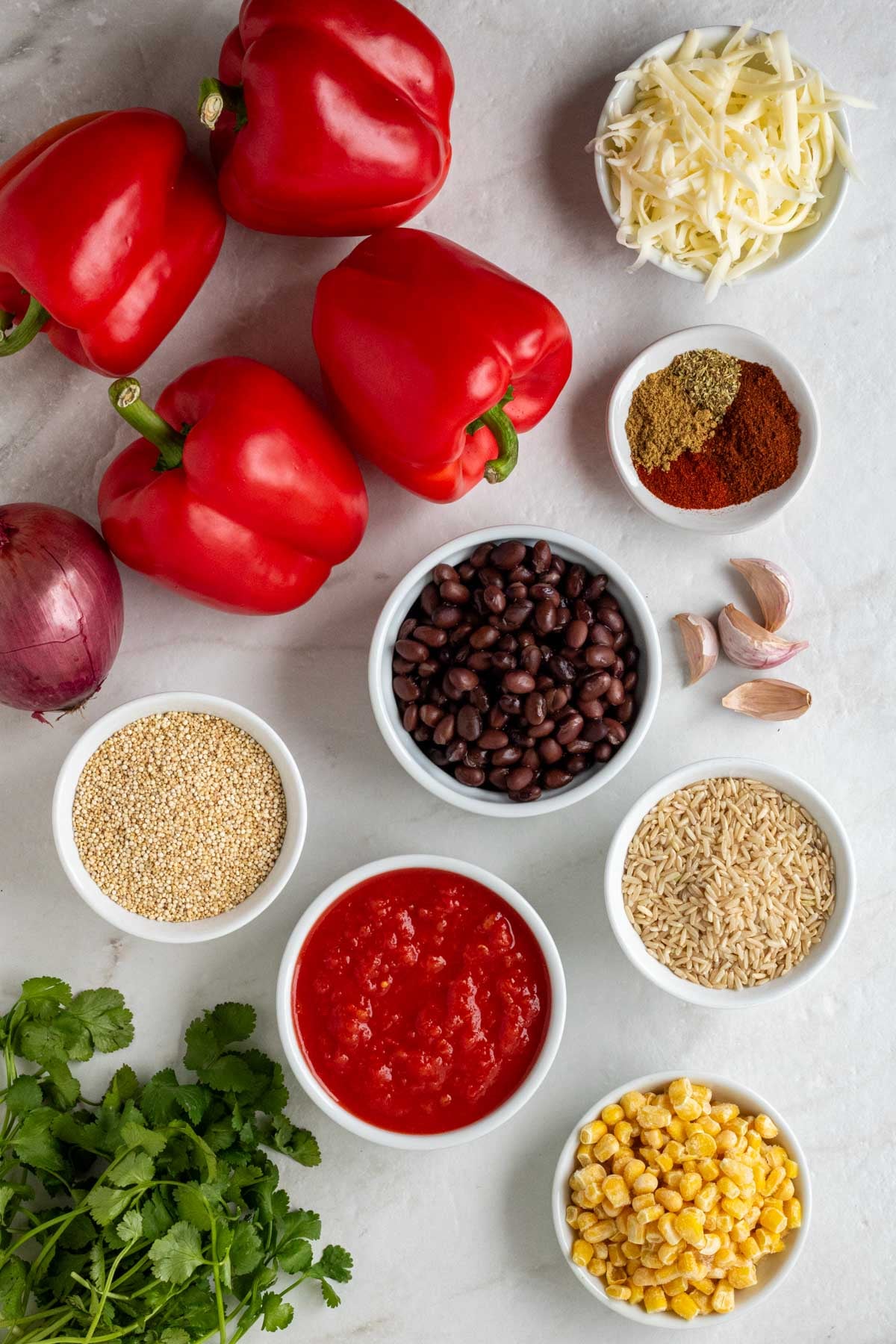
Plate with two Mexican stuffed peppers topped with sour cream, guacamole, and chopped cilantro with a fork and tea towel.

More Mexican-Inspired Recipes:

  • Mexican Shredded Beef Tacos
  • Mexican Corn Chicken Soup
  • Turkey Taco Skillet
  • Mexican Vegetarian Stuffed Peppers

How to Improve Digestion

Published on April 29, 2025 by Stephanie Kay

Although digestive problems such as gas, bloating, and constipation are common, they are not normal. A healthy digestive system is crucial to our physical and mental health, and digestive symptoms should not be ignored. So, here are 12 simple tips you can start today to improve digestion.

Paper cutout of the digestive system on a wood cutting board with romaine lettuce, grapes, avocados, cabbage, cucumber, and leeks on the side.

Table of contents

  • Understanding the Digestive System
  • 12 Tips to Improve Digestion
  • 1. Prioritize whole foods.
  • 2. Eat adequate fiber.
  • 3. Eat healthy fats.
  • 4. Chew thoroughly.
  • 5. Stay hydrated.
  • 6. Exercise regularly.
  • 7. Eat probiotic foods.
  • 8. Practice mindful eating.
  • 9. Use natural digestive aids.
  • 10. Monitor trigger foods.
  • 11. Limit alcohol and avoid smoking.
  • 12. Seek support.

Understanding the Digestive System

The digestive system is a group of organs that work together to break down and absorb the macronutrients (carbohydrates, proteins, and fats) and micronutrients (vitamins and minerals) in the food we eat (1). This system includes the gastrointestinal (GI) tract, a long, twisting tube that runs mouth to the anus and includes the mouth, esophagus, stomach, small intestine, and large intestine, as well as accessory organs like the liver, pancreas, and gallbladder.

The digestive system mechanically and chemically breaks down food into substances for absorption into the bloodstream. Mechanical digestion primarily occurs in the mouth (teeth, tongue) and stomach (churning), where food is broken down into smaller particles to more efficiently undergo chemical digestion, minimally in the mouth (saliva, enzymes), a little in the stomach (hydrochloric acid, pepsin) and primarily in the small intestine (enzymes, bile).

In a healthy digestive system, individuals will experience regular bowel movements, with food passing through the gastrointestinal tract within 14 to 58 hours, with a healthy level of gas and bloating, and in the absence of pain or discomfort (2). A well-functioning digestive system will allow for efficient nutrient absorption, ensuring the body receives the necessary building blocks for energy, growth, and repair.

While it’s normal to experience digestive symptoms from time to time, such as upset stomach, gas, heartburn, constipation, or diarrhea, the regular occurrence of these symptoms can be a sign of poor digestive health. Unfortunately, poor digestion can lead to a variety of health issues, including nutrient deficiencies, poor blood sugar regulation, fatigue, weight loss, and weight gain.

Fortunately, there are some simple eating habits and lifestyle factors that you can implement into your regular everyday life that can help to improve your digestion and support your overall health.

Infographic with tips on how to improve digestion.

12 Tips to Improve Digestion

Here are some of the best tips on how to improve digestion and gut health naturally.

1. Prioritize whole foods.

The food we eat has a major impact on our digestion and gut health, as our gut microbiome, the ecosystem of microbes that live in our intestines, is significantly impacted by the foods we consume (3). A healthy gut microbiome supports overall health, helping to boost immunity, reduce inflammation, and improve physical and mental health.

A diet high in processed foods, particularly ultra-processed foods, can negatively impact the microbiome by reducing bacterial diversity, increasing inflammation, and causing intestinal permeability (4). These changes can lead to digestive changes such as gas, bloating, abdominal pain, constipation, or more serious digestive issues or health concerns. Conversely, a diet rich in whole foods and high in fiber can help to improve gut health, promote good digestion, and support overall health.

2. Eat adequate fiber.

Dietary fiber is crucial for good digestion as it helps feed beneficial gut bacteria and contributes to the balance of the gut microbiome. Insoluble fiber helps to add bulk to stool and promote regular bowel movements, while soluble fiber plays a crucial role in maintaining a healthy gut microbiome by acting as a food source for gut bacteria (5, 6). A high-fiber diet has been consistently shown to increase the microbiome alpha diversity and short-chain fatty acids (SCFAs)-producing bacteria in the human gut (7).

Consuming high-fiber foods, such as beans, lentils, whole grains, fruits, and vegetables, at all meals can help to ensure you’re reaching the recommended daily fiber intake of 14 grams of fiber for every 1,000 calories, which equates to roughly 25 grams of fiber per day for women and 38 grams of fiber per day for men (8).

3. Eat healthy fats.

Healthy fats are beneficial for digestion as they stimulate the production of bile from the gallbladder, which helps with the digestion of fats and fat-soluble vitamins A, D, E, and K (9). These vitamins play crucial roles in vital bodily functions such as vision, bone health, immune function, and blood clotting. There is also growing evidence that the consumption of healthy fats helps to maintain the integrity of the lining of the gut, known as the intestinal barrier, and reduce inflammation (10).

Regularly incorporating foods rich in healthy fats into meals, such as fatty fish, olive oil, avocado, nuts, and seeds, can help ensure you’re eating adequate healthy fats. For a balanced diet, aim to consume 20-35% of total calories from healthy fats, along with 10-35% from protein and 45-65% from carbohydrates (11).

4. Chew thoroughly.

While often overlooked, chewing is the first step in the digestive process. Also known as mastication, chewing is a crucial part of mechanical digestion as it helps to physically break down food into smaller pieces before chemical digestion (1). Thoroughly chewing food increases the surface area to allow saliva and digestive enzymes to degrade the molecular structure of the ingested food compounds into a form that is absorbable into the bloodstream.

Moreover, research shows that thoroughly chewing may decrease excessive food intake, possibly by altering the gut hormone response, and reduce self-reported hunger and overeating, which can lead to additional digestive symptoms (12).

5. Stay hydrated.

Drinking plenty of water is essential for good digestion. Water helps to break down foods, stimulate stomach acid, transport nutrients to cells, and facilitate the movement of food through the digestive tract. Water works with insoluble fiber to soften stool and make it easier to pass, and works with soluble fiber to create a gel-like substance that slows down digestion and increases nutrient absorption.

While exactly how much water you need depends on a host of genetic and lifestyle factors, on average, it is suggested that the total water intake for men is 15.5 cups (3.7 liters) per day, and the total water intake for women is 11.5 cups (2.7 liters) per day. These estimates include water consumed from foods and beverages.

6. Exercise regularly.

Regular movement can significantly improve digestion. Physical activity helps support digestion by stimulating peristalsis, the contraction and relaxation of longitudinal and circular muscles throughout the digestive tract (13). This involuntary wave-like motion propels food as it is digested from the pharynx, where it’s ingested, through the digestive tract until it reaches the anus where it is expelled.

Not only does exercise stimulate gut mobility through peristalsis, but it increases blood flow to organs and stimulates the digestive tract, helping it work more effectively. For improved digestion, aim for at least 30 minutes of moderate to high-intensity exercise per day, such as walking, running, biking, swimming, or dancing.

7. Eat probiotic foods.

Probiotic foods are excellent for gut health and digestion. Probiotics are living microorganisms, including bacteria and yeast, that are found within the body’s gut microbiome and are beneficial for health, given that 70-80% of immune cells are present in the gut (14). Probiotics are naturally found in fermented foods, many of which contain live, beneficial bacteria, like yogurt, kefir, kimchi, sauerkraut, and kombucha.

In addition to probiotic foods, a form of indigestible fiber found in plant foods, known as prebiotic fiber, encourages the growth of beneficial bacteria in the gut. Consuming prebiotic foods, such as bananas, barley, garlic, and legumes, can help to further improve digestive health.

8. Practice mindful eating.

Mindful eating is an approach to eating that focuses an individual’s attention and sensual awareness on their food and eating experience (15). The practice of mindful eating can encourage good digestion by encouraging slower, more deliberate eating habits that require you to honor your body’s natural hunger and fullness cues.

By taking the time to plate your meal, sit down, chew food thoroughly, and put your fork down in between bites, you can promote better digestion. Research has found that not only does eating slowly benefit gut health, but it also leads to better enjoyment of food and a decrease in energy intake (16, 17).

9. Use natural digestive aids.

Certain foods contain digestive enzymes that can help improve digestion naturally. Foods such as papaya, pineapple, ginger, and honey have all been shown to support digestion. More specifically, papaya contains papain and pineapples are rich in bromelain, which help to break down and digest proteins, while ginger has been shown to ease digestive symptoms, and raw honey contains prebiotics which nourish gut bacteria (18, 19, 20). Along with probiotics, regularly consuming natural digestive aids can help improve gut health.

10. Monitor trigger foods.

Certain foods trigger digestive discomfort or symptoms in some individuals. While these exact foods will vary from one person to the next, and some individuals may not be sensitive at all, slowing down and paying attention to how different foods make you feel is vital to improving digestion.

For example, certain individuals cannot digest lactose and, therefore, cannot consume dairy products with digestive problems, while others may experience diarrhea, constipation, or other symptoms after consuming gluten, greasy fried foods, spicy foods, acidic foods, and citrus fruits. It’s also important to note that an individual does not need to be allergic to a food to cause a reaction; both food intolerances and food sensitivities can contribute to poor digestion and gut health.

11. Limit alcohol and avoid smoking.

Lifestyle factors such as drinking alcohol and smoking cigarettes can have a major impact on digestion. Alcohol interferes with gastric acid secretion and with the activity of the muscles surrounding the stomach and may impair the muscle movement in the small and large intestines, which can inhibit the absorption of nutrients and impair digestion (21). When consumed regularly and excessively, alcohol can significantly alter the gut microbiome, increase inflammation, reduce nutrient absorption, and worsen gut health and overall well-being.

12. Seek support.

If you’ve tried all of the above and are still dealing with regular and ongoing digestive symptoms, it’s best to work with a registered dietitian or certified health professional to determine a treatment that is best for you. Serious digestive issues such as IBD (inflammatory bowel disease), IBS (irritable bowel syndrome), and GERD (gastroesophageal reflux disease) may require a personalized dietary treatment plan and certain medications.

The Bottom Line

Good digestive health is crucial for overall health and well-being. While many people experience digestive symptoms, they are not “normal” and should not be overlooked. Fortunately, small diet and lifestyle factors such as prioritizing whole foods, eating more fiber, eating healthy fats, staying hydrated, chewing thoroughly, eating slowly, and exercising regularly can help to improve digestion naturally.

Sausage and Rapini Pasta

Published on April 24, 2025 by Stephanie Kay

Ready in 30 minutes and packed full of protein, this sausage and rapini pasta is a quick, easy, and healthy recipe that is perfect for a weeknight meal.

Close up of a white bowl with sausage and rapini pasta freshly grated parmesan cheese on top with a gold fork and a wood cutting board and glass of water in the background.

Rapini, also known as broccoli rabe, is a cruciferous green vegetable common in Mediterranean cuisine. The leaves, stems, and buds are all edible, and they can be sautéed, steamed, boiled, or baked. While it has a slightly bitter taste, the cooking process helps to reduce it, and it pairs well with salty and savory ingredients like in this sausage and rapini pasta recipe.

This classic and traditional Italian dish is particularly popular in the Puglia region, and it’s absolutely delicious. Plus, it’s quick and easy enough to work for a simple dinner, yet fancy and flavorful enough to please a crowd for a weekend dinner party.

Two bowls of sausage and broccoli rabe pasta with a fork, tea towel, glass of water, and red pepper flakes on the side.

Why You’ll Love It

  • Quick and Easy – Ready in 30 minutes, this sausage and broccoli rabe pasta is perfect for a weeknight dinner.
  • High in Protein – The combination of sausage and parmesan ensures this pasta dish contains 24 grams of protein per serving.
  • Full of Fiber – The combination of pasta and rapini gives this recipe 3 grams of fiber per serving.
Ingredients for sausage and rapini pasta: orecchiette pasta, spicy Italian sausage, rapini, grated parmesan cheese, garlic, and crushed red pepper flakes.

Ingredients + Substitutions

  • Pasta – To add some complex carbohydrates. The recipe calls for short-cut pasta, such as orecchiette pasta, because I think the size pairs best with the sausage and rapini, but any pasta will work.
  • Sausage – To add some protein. I opted to use pork sausage, specifically hot Italian sausage, but sweet Italian sausage, chicken sausage, or turkey sausage would also work well.
  • Rapini – To add some fiber. If you can’t find rapini, you can use broccolini, mustard greens, or broccoli florets instead.
  • Parmesan – To add some healthy fats and flavor to the pasta. Be sure to use freshly grated Parmesan cheese; pre-grated Parmesan cheese will not add the same flavor or texture. Pecorino cheese would also work well.
  • Garlic – To flavor the pasta. The recipe calls for garlic cloves, but garlic powder will also work. See the notes section of the recipe card for details.
  • Red Pepper Flakes – To add a bit of heat to the pasta, although optional.
  • Olive Oil – To add some healthy fats and cook the sausage and garlic. You can use regular or extra virgin olive oil, or use another neutral cooking oil or butter if needed.
  • Salt and Pepper – To season.

Dietary Adaptions

To Make it Gluten-Free: Use certified gluten-free pasta.

To Make it Dairy-Free: Omit the parmesan cheese or use a dairy-free cheese alternative.

Large cast iron pan with rapini sausage pasta with a small wood bowl of pecorino cheese on the side.

Red’s Nutrition Tip

While the recipe calls for regular pasta, you can use whole wheat pasta if preferred. Not only will it add extra fiber, but whole wheat pasta contains slightly more micronutrients and has a lower glycemic index than white pasta. Check out my article on white pasta vs. whole wheat pasta for more details.

Serving Suggestions

This sausage and rapini pasta is a balanced meal with protein, carbohydrates, fiber, and fats. It can be consumed on its own as a filling meal or adapted and served with a side to suit your personal calorie or macro needs, for example:

  • To make it lower in fat, swap the pork sausages for chicken or turkey sausages.
  • To make it higher in protein, add an additional 1/2 pound of sausage and top the pasta with some extra Parmesan cheese.
  • To make it higher in fiber, swap the regular pasta for whole wheat pasta and add more rapini.
  • To make it low carb, use a low-carb pasta alternative.
  • To make it more filling, serve the pasta with a side of crusty bread and/or a green salad.
Sausage and broccoli rabe pasta in a white bowl.

Storage + Reheating

To Refrigerate: Allow the pasta to cool completely, transfer it to an airtight container, and store it in the fridge for up to 5 days.
To Freeze: Once cooled, transfer the pasta to an airtight container and store it in the freezer for up to 3 months.
To Reheat: Allow the pasta to thaw completely before reheating. To reheat the pasta on the stovetop, place the pasta in a pan on medium heat with 1-2 tablespoons of water, stirring gently, until the water has been absorbed and the pasta is warmed through. To reheat the pasta in the microwave, place the pasta in a microwave-safe container with 1-2 tablespoons of water and reheat for 2-3 minutes, stirring every minute or so, until the water has been absorbed and the pasta is warmed through.

Close up of rapini and sausage pasta in a bowl with a gold fork.

More Pasta Recipes:

  • Chicken Pesto Pasta
  • Sausage and Peppers Pasta

18 Anti-Inflammatory Foods

Published on April 22, 2025 by Stephanie Kay

Research has shown that certain foods can help reduce chronic inflammatory markers thanks to the anti-inflammatory compounds and nutrients they contain. Here is a list of some of the best anti-inflammatory foods you can add to your diet today.

Blueberries, almonds, dark chocolate, garlic, cocoa powder, olive oil, avocado, tomatoes, and salmon on a white cutting board with a beige tea towel.

What are anti-inflammatory foods?

Anti-inflammatory foods are foods that contain compounds or nutrients that have been shown to reduce inflammation in the body. Inflammation is the body’s response to protect itself against injury, infection, or foreign bodies such as bacteria and viruses (1). This natural alarm system recognizes and removes harmful stimuli and begins the healing process.

Unlike acute inflammation, which is a response to an illness or injury and is sudden or temporary, chronic inflammation is a form of low-grade inflammation that persists long after the trigger to the initial inflammatory response is gone (1, 2). Chronic inflammation is a contributing factor to the pathology of many chronic diseases, including cancer, autoimmunity, cardiovascular disease, arthritis and joint diseases, and metabolic disorders.

Diet has the potential to be both a source and a solution for chronic inflammation. While no individual food inherently causes or impedes inflammation, certain processed foods and processed meats can promote inflammation, while the compounds and nutrients in other foods have been shown to reduce inflammatory markers. Examples of anti-inflammatory compounds and anti-inflammatory nutrients include:

  • Omega-3 Fatty Acids: These healthy fats, particularly EPA and DHA, have been shown to help moderate inflammation in the body and help reduce the risk and symptoms of metabolic syndrome and heart disease (3, 4, 5, 6).
  • Antioxidants: These compounds help to delay or prevent the oxidation caused by free radicals, which can cause inflammation (7). Antioxidants such as vitamin C, vitamin E, beta-carotene, and selenium can help to neutralize these harmful free radicals.
  • Polyphenols: These naturally occurring plant compounds have been shown to reduce inflammation by modulating several inflammation-associated cell signaling pathways (8, 9).
  • Fiber: A high fiber diet may help to reduce inflammation by promoting gut health, and higher fiber intakes have been associated with lower inflammation (10).
  • Probiotics: Certain strains of probiotic bacteria, Lactobacillus and Bifidobacterium, have been shown to improve immune responses and potentially alleviate inflammatory conditions (11, 12).

Certain healthy foods, also known as whole foods, such as fish, whole grains, nuts, seeds, fruits, and vegetables, contain higher levels of compounds with anti-inflammatory effects and are, therefore, often referred to as “anti-inflammatory foods”.

Infographic with list of the best anti-inflammatory foods.

List of Anti-Inflammatory Foods

Here is a list of some of the best anti-inflammatory foods you can add to your diet.

1. Curcumin

Curcumin is the primary bioactive substance in turmeric and has been shown to have powerful anti-inflammatory properties. Supplementation of curcumin has consistently lowered markers of inflammation and demonstrated the ability to increase the amount of antioxidants that the body produces (13).

Research has shown that curcumin can help with small to moderate improvements in the symptoms of depression, moderate to large improvements in pain and function in osteoarthritis, and shows promise for treating a type of inflammatory bowel disease called ulcerative colitis (14, 15, 16).

2. Ginger

Ginger is the root of the Zingiber officinale plant and has been used in traditional Chinese medicine and Ayurveda for thousands of years. Dosages of 1 to 3 grams are commonly used as a preventative treatment for nausea, morning sickness, and motion sickness (17).

Some studies have shown ginger to have a small positive effect on inflammation for osteoarthritis, high cholesterol, muscle recovery, athletic performance, and metabolic health (18, 19, 20, 21).

3. Fatty Fish

Fatty fish, such as salmon, mackerel, tuna, sardines, and anchovies, are good sources of omega-3 fatty acids EPA and DHA, which are well-known for their anti-inflammatory properties. EPA specifically has been shown to stabilize cell membranes and inhibit lipid oxidation, which can help improve cell signaling and reduce inflammation (22).

In addition to eating fish, evidence suggests that fish oil supplementation may benefit certain chronic inflammatory conditions such as systemic lupus erythematosus and rheumatoid arthritis (23).

4. Olive Oil

Olive oil is a staple in the Mediterranean diet and is one of the best sources of healthy fats. Olive oil, particularly extra virgin olive oil, possesses anti-inflammatory properties due to its high content of monounsaturated fatty acids and antioxidants. The consumption of olive oil has been associated with a lower risk of cardiovascular disease, reduced blood pressure, improved insulin sensitivity, and a lower risk of all-cause mortality (24).

5. Berries

Berries such as blueberries, raspberries, strawberries, and blackberries contain anti-inflammatory compounds that have been shown to fight inflammation. More specifically, berries contain anthocyanins, flavonols, and phenolic acids, which occur in different concentrations depending on the berry type, that modulate pro-inflammatory markers, antioxidant enzymes, and signaling pathways (25, 26).

Moreover, berries are also a great source of fiber and vitamin C, which further contributes to their anti-inflammatory benefits.

6. Beets

Beets are a rich source of betalains: natural, water-soluble pigments responsible for their color with strong antioxidant and anti-inflammatory properties (27). Beets are also rich in naturally occurring nitrates, which have been shown to reduce inflammation by removing harmful compounds from your bloodstream.

In human research to date, beetroot and beetroot juice supplementation have been reported to reduce blood pressure, reduce inflammation, and avert oxidative stress (27). Moreover, several studies have found beetroot supplementation to enhance athletic performance by diminishing the muscular fatigue associated with high-intensity exercise effort (28).

7. Citrus Fruit

Citrus fruits such as oranges are great sources of vitamin C and flavonoids, which are known to have anti-inflammatory capabilities due to their ability to combat oxidative stress and support immune responses (29).

One medium orange contains the recommended close to the recommended daily intake of vitamin C for most adults, and some studies suggest that drinking 100% orange juice may reduce levels of inflammatory markers like C-reactive protein (CRP) and Interleukin-6 (IL-6) (30, 31).

8. Leafy Green Vegetables

Leafy green vegetables such as spinach, kale, and collard greens are rich in antioxidants such as vitamins C, A, and K. These antioxidants protect against cell damage caused by free radicals and reduce inflammatory markers linked to many diseases. Leafy greens are also great sources of fiber, which promotes gut health and can help improve digestion.

9. Tomatoes

Tomatoes can be eaten as part of an anti-inflammatory diet as they are rich in lycopene, a powerful antioxidant with anti-inflammatory properties. Lycopene has been shown to offer numerous health benefits, including potential protection against heart disease and certain forms of cancer (32).

To get the most lycopene from tomatoes, it is best to consume them cooked and with a healthy fat such as olive oil, since lycopene is a carotenoid which are fat-soluble (33).

10. Broccoli

Broccoli is an anti-inflammatory food since it is a rich source of anti-inflammatory compounds, sulforaphane and quercetin. Studies have shown that sulforaphane can inhibit the production of inflammatory substances and reduce inflammatory markers, while quercetin is a potent antioxidant flavonoid that can modulate several signaling pathways involved in inflammation (34).

Moreover, research has shown that a high consumption of cruciferous vegetables, such as broccoli, Brussels sprouts, cabbage, cauliflower, arugula, radish, and watercress, is associated with a reduced risk of total and cardiovascular disease mortality and cancer (35, 36, 37).

11. Walnuts

Walnuts are a great source of alpha-linolenic acid (ALA), an omega-3 fatty acid well known for its anti-inflammatory effects. They also contain anti-inflammatory compounds in the form of including polyphenols, which help to protect against oxidative stress and inflammation.

Walnuts may also help to reduce inflammation by supporting beneficial gut bacteria due to their fiber content and a subgroup of polyphenols known as ellagitannins, which are converted by gut bacteria into metabolites called urolithins, and may further protect against inflammation (38).

12. Pineapple

Pineapples contain bromelain, a proteolytic enzyme with anti-inflammatory properties. Supplementation of bromelain has been shown to reduce nasal inflammation, benefit the immune system, and protect the body from cancer (39).

Some studies have also found that bromelain may aid with osteoarthritis, rheumatoid arthritis, muscle recovery, and knee pain (40).

13. Cherries

Cherries, particularly tart cherries, are well known for their beneficial effects on inflammatory markers as they are a rich source of polyphenols and vitamin C, which have antioxidant and anti-inflammatory properties. Research has clearly shown that the consumption of cherries decreases markers for oxidative stress, inflammation, and blood pressure (41).

The supplementation of tart cherry has also been shown to reduce exercise-induced muscle soreness, improve recovery from both prolonged aerobic and resistance exercise, and as well as promote a more rapid return to baseline levels of muscular strength and power (42).

14. Green Tea

Green tea, such as matcha, contains compounds known as epigallocatechin-3-gallate (EGCG), which have been shown to have anti-inflammatory properties (43). Compared to other varieties of tea, such as black and oolong, green tea is made from unfermented leaves, which contain high levels of antioxidants.

Research has found that consuming green tea is associated with a reduced risk for heart disease, Alzheimer’s disease, cancer, and other chronic diseases (44, 45, 46).

15. Cacao

Cacao has been linked to reduced inflammation thanks to its rich content of antioxidants and flavonoids. Not to be confused with cocoa, cacao is the raw material harvested from the cacao tree used to make chocolate, and contains more health benefits than cocoa, given that it undergoes less processing.

Supplementing cacao extract or eating dark chocolate is linked to better blood flow and improved insulin sensitivity (47). The health benefits of cacao are generally only observed in the raw materials or dark chocolate, with at least 70% cacao content; however, more high-quality studies on chocolate are needed.

16. Apples

An apple a day may, in fact, help to keep the doctor away as apples are good sources of anti-inflammatory compounds, such as quercetin and fiber (48). Apple skin is a particularly rich source of quercetin, which provides its pigment and helps protect the body against damage caused by free radicals.

17. Fermented Foods

Many fermented foods are such as kefir, kimchi, sauerkraut, and fermented teas such as kombucha, are great sources of beneficial bacteria known as probiotics which have been shown to support gut health and reduce inflammation (49, 50). The traditional foods have been shown to enhance the immune system, improve gastrointestinal health, and lower the risk of developing various inflammatory diseases.

18. Garlic

Garlic contains several sulfur-containing phytochemicals (i.e., allicin, diallyl disulfide, diallyl trisulfide, and S-allylmercaptocysteine) that have been shown to have anti-inflammatory properties. Research has shown that the supplementation of garlic can lower circulating markers of oxidative stress, reduce inflammation, reduce total cholesterol levels, and improve other measures of cardiovascular health (51).

The Bottom Line

Anti-inflammatory foods are foods that contain anti-inflammatory compounds or nutrients that have been shown to reduce inflammation in the body, such as antioxidants, omega-3 fatty acids, polyphenols, and fiber. Some of the best anti-inflammatory foods are curcumin, ginger, fatty fish, olive oil, and berries.

  • Previous
  • 1
  • …
  • 5
  • 6
  • 7
  • 8
  • 9
  • …
  • 58
  • Next
Stephanie Kay Nutrition

Hey, I’m Stephanie

– AKA RED –

I’m a nutritionist on a mission to change the way you look at food and teach you how to make real food work for real life in a realistic way.

Get to Know Me

Want A 7-Day Meal Plan?

Download my free 7-day meal plan, complete with a grocery list, for a week’s worth of easy healthy recipes that make real food work for real life.

    • facebook
    • instagram
    • pinterest

    Shop My Cookbooks

    My eCookbooks are filled with quick and easy real food recipes to help make eating well a breeze so you can crush your goals.

    Learn More

    Recipes

    • Dinner
    • Breakfast
    • Meal Prep
    • Snacks

    Nutrition

    • FAQs
    • Tips
    • This vs. That
    • Weight Loss

    Connect

    • Instagram
    • Youtube
    • About
    • Cookbooks

    About Stephanie

    I’m a nutritionist on a mission to change the way you look at food and teach you how to make real food work for real life in a realistic way.

    Learn More

    Site Credits
    2023 © Stephanie Kay Nutrition | Privacy Policy
    To Top