Stephanie Kay Nutrition

Stephanie Kay Nutrition

Real Food for Real Life

  • recipes
    • all recipes
    • Breakfast
    • Lunch
    • Dinner
    • Soups & Stews
    • Salads
    • Sides
    • Snacks
  • nutrition
    • All Articles
    • Tips
    • FAQs
    • This vs. That
    • How To/Guides
    • Weight Loss
  • resources
    • 10 Days of Nutrition
    • 7-Day Meal Plan
    • Balanced Meal Guide
    • 5-Ingredient Cookbook
    • Lunch Box Cookbook
  • About
    • About Steph
    • Contact
  • recipes
    • all recipes
    • Breakfast
    • Lunch
    • Dinner
    • Soups & Stews
    • Salads
    • Sides
    • Snacks
  • nutrition
    • All Articles
    • Tips
    • FAQs
    • This vs. That
    • How To/Guides
    • Weight Loss
  • resources
    • 10 Days of Nutrition
    • 7-Day Meal Plan
    • Balanced Meal Guide
    • 5-Ingredient Cookbook
    • Lunch Box Cookbook
  • About
    • About Steph
    • Contact
  • Dinner
  • Breakfast
  • Meal Prep
  • Nutrition Tips
  • facebook
  • instagram
  • pinterest
  • youtube

Almond Flour vs. All-Purpose Flour: Which is Healthier?

Published on September 2, 2025 by Stephanie Kay

Almond flour is often suggested as a healthier alternative to regular flour, but is that true? Here is a nutrition breakdown and comparison of almond flour vs. all-purpose flour, so you can make the best choice for your diet and health goals.

Close up of almond flour with whole almonds and all-purpose flour with wheat spikes.

Table of contents

  • What’s the difference between almond flour and all-purpose flour?
  • Almond Flour vs. All-purpose Flour: Nutrition
  • Calories
  • Protein
  • Fat
  • Carbohydrates
  • Fiber
  • Sugar
  • Vitamins and Minerals
  • Other Factors to Consider
    • Dietary Needs
    • Structure
    • Shelf Life
  • Can you substitute almond flour for all-purpose flour in recipes?
  • So, is almond flour healthier than all-purpose flour?

What’s the difference between almond flour and all-purpose flour?

Almond flour and all-purpose flour differ in their sources, production methods, nutrient profiles, and uses.

Almond flour is made from finely ground almonds. It is made by blanching whole, raw almonds in boiling water to remove their skin and then grinding them into a fine powder. Almond flour is naturally gluten-free and offers a subtle nutty flavor and tender, moist, but dense texture.

All-purpose flour is made from refined wheat kernels. Often referred to as “regular flour”, it is made by removing the bran and germ of wheat kernels to leave only the endosperm, and then grinding it into a fine powder. All-purpose flour is a highly versatile flour that can be used as a thickening agent or to create a soft, light, and fluffy texture in baked goods.

Type of FlourAlmond FlourAll-Purpose Flour
SourceAlmondsWheat
Production MethodMade by grinding blanched almonds into a fine powderMade by grinding the endosperm of wheat kernels into a fine powder
TasteNutty, slightly sweetMild, neutral
Baking TextureTender, moist, and denseSoft, light, and fluffy
Gluten ContentGluten-freeContains gluten
Infographic of the nutrition of almond flour vs. all-purpose flour.

Almond Flour vs. All-purpose Flour: Nutrition

Here is a nutrition comparison of calorie, macronutrient, and micronutrient content of 100 grams of almond flour vs. all-purpose flour (1, 2, 3, 4).

Nutrition per 100 gramsAlmond FlourAll-Purpose Flour
Calories622 calories359 calories
Protein26.2 grams13.1 grams
Fat50.2 grams1.5 grams
Carbohydrates16.2 grams73.2 grams
Fiber9.3 grams3.0 grams
Sugar4.0 grams0.0 grams

Calories

Almond flour contains significantly more calories than all-purpose flour. A 100-gram serving of almond flour contains 622 calories, while a 100-gram serving of all-purpose flour contains 359 calories.

Protein

Almond flour contains twice as much protein as all-purpose flour. A 100-gram serving of almond flour contains 26.2 grams of protein, while a 100-gram serving of all-purpose flour contains 13.1 grams of protein.

Fat

Almond flour contains a lot more fat than all-purpose flour. A 100-gram serving of almond flour contains 50.2 grams of fat, while a 100-gram serving of all-purpose flour contains 1.5 grams of fat.

Almond flour is a good source of healthy fats, with a content of roughly 80% monounsaturated fats and limited saturated fat (5). The high fat content of almond flour is also what makes it high in calories, as fats are the highest-calorie macronutrient, providing 9 calories per gram, compared to the 4 calories per gram from protein and carbohydrates (6).

Carbohydrates

Almond flour is much lower in carbohydrates than all-purpose flour. A 100-gram serving of almond flour contains 16.2 grams of carbohydrates, while a 100-gram serving of all-purpose flour contains 73.2 grams of carbohydrates.

This is largely because almonds are primarily a source of fat, while wheat kernels are primarily a source of complex carbohydrates.

Fiber

Almond flour contains more fiber than all-purpose flour. A 100-gram serving of almond flour contains 9.3 grams of fiber, while a 100-gram serving of all-purpose flour contains 3.0 grams of fiber.

Both almond flour and all-purpose flour contain a mix of soluble and insoluble fiber. Although the exact ratio can vary, almond flour contains insoluble fiber, with a smaller amount of soluble fiber, while all-purpose flour contains a significantly higher proportion of insoluble fiber compared to soluble fiber.

Sugar

Almond flour contains more sugar than all-purpose flour. A 100-gram serving of almond flour contains 4.0 grams of sugar, while a 100-gram serving of all-purpose flour contains 0 grams of sugar. The sugar content in almond flour is from natural sugars, not added sugars.

Vitamins and Minerals

Both almond flour and all-purpose flour are good sources of micronutrients. Almond flour is a good source of vitamin E, magnesium, manganese, copper, and zinc, while all-purpose flour is a good source of thiamin, selenium, and folate.

In the United States and Canada, almost all-purpose flour is enriched and fortified with B vitamins, thiamin, riboflavin, niacin, and folic acid, and iron to increase its nutritional content (7, 8).

Other Factors to Consider

In addition to nutritional benefits, here are some other factors to consider between almond flour and all-purpose flour.

Dietary Needs

Almond flour is naturally gluten-free, making it a great flour alternative for individuals with celiac disease or gluten intolerance, along with oat flour, coconut flour, and rice flour. Its low-carb and high-fat content also makes it a good option for those following a low-carb diet, or a grain-free diet such as the paleo diet or keto diet.

While all-purpose flour naturally contains gluten, it may be a better option for individuals with nut allergies.

Structure

Although almond flour’s lack of gluten makes it more accessible for dietary needs, it does affect the structure of baked goods. Without gluten’s binding power, gluten-free flours like almond flour generally result in denser and crumblier muffins, cakes, and cookies compared to all-purpose flour.

Conversely, all-purpose flour contains gluten, which creates well-structured, light, and airy baked goods. All-purpose flour is made from a combination of high-protein (hard wheat) and low-protein (soft wheat) flour, which creates a more versatile flour that can be used in everything from bread to muffins and pizza crust.

All-purpose flour has a moderate protein content of about 10-12% (9). Flours with a high protein content offer more gluten development, which creates more extensibility and elasticity in the dough and are great for bread, while flours with lower protein content create softer and more tender baked goods.

Shelf Life

Due to its high-fat content, almond flour has a shorter shelf life than all-purpose flour. Opened almond flour can last for several months in an airtight container in the pantry or up to 6 months in the refrigerator. Opened all-purpose flour can last 6-8 months in an airtight container in the pantry or up to 12 months in the refrigerator.

Can you substitute almond flour for all-purpose flour in recipes?

While almond flour can be used as a substitution for all-purpose flour in most recipes, it cannot always be used in a 1-to-1 ratio. Due to its lack of gluten and higher fat content, almond flour must be combined with other ingredients to avoid a greasy, dense, and/or chewy texture.

The exact method to substitute almond flour will vary by recipe, as you may need to combine almond flour with other gluten-free flours, baking powder, and/or additional binding agents, such as xanthan gum, guar gum, and psyllium husk.

So, is almond flour healthier than all-purpose flour?

Overall, both almond flour and all-purpose flour are healthy options and provide many health benefits. The “best” option comes down to the individual’s preferences, dietary needs, and health goals. Almond flour is higher in protein and fiber and lower in carbohydrates, while all-purpose flour is lower in calories and lower in fat.

Almond flour is a better option for individuals who need to eat gluten-free, but all-purpose flour may be a more practical option for those seeking a lower-calorie option to support a calorie deficit or maintain weight loss.

The Bottom Line

Almond flour is a gluten-free flour made from ground, blanched almonds, and all-purpose flour is a refined wheat flour. Almond flour is higher in calories, fat, protein, and fiber and lower in carbohydrates, while all-purpose flour is lower in calories and sugar. Both are good sources of vitamins and minerals and can be included in a healthy and balanced diet.

Greek Chicken Burgers

Published on August 28, 2025 by Stephanie Kay

Filled with feta cheese and sun-dried tomatoes, and topped with tzatziki sauce, these Greek chicken burgers are bursting with Mediterranean flavor. Serve them on hamburger buns or on top of salad for a healthy summer meal.

Two Greek chicken burgers with tzatziki, lettuce, sliced tomato, sliced red onion, and crumbled feta cheese on a white cutting board with lemon roasted potatoes in the background.

Chicken burgers have a reputation for being dense and dry, and, quite frankly, most of them are. Ground chicken, especially when made with leaner cuts, is low in fat and therefore tends to dry out quickly when grilled, resulting in a meatball-like texture.

Fortunately, by adding some ingredients rich in healthy fats, like feta cheese and olive oil, you can create more tender and juicy chicken burgers, and that’s exactly what this Greek chicken burger recipe does. Plus, the addition of the Greek flavors to these chicken burgers ensures they are absolutely delicious.

Close up Greek chicken burger on a brioche bun with toppings and a bowl tzatziki in the background on a white cutting board.

Why You’ll Love Them

  • High in Protein – These burger patties contain 22 grams of protein each.
  • Low in Fat – The use of ground chicken ensures these Greek burgers are low in calories.
  • Full of Flavor – The combination of oregano, feta, and sun-dried tomatoes fills the burger with Greek flavors.
  • Good for Meal Prep – These Greek chicken burgers keep well in the fridge and freezer, making them a good meal prep idea.
Ground chicken on a white plate with dried oregano, salt, tomato, red onion, bowls of feta cheese, tzatziki sauce, and sun-dried tomatoes on the side with a plate of brioche buns and leafy lettuce on a plate on a white background.

Ingredients + Instructions

  • Chicken – To add some animal protein. You can use ground chicken breast meat or thigh meat, or a mixture of both, or you can use ground turkey instead.
  • Feta Cheese – To add some more protein and flavor to the burger patties.
  • Sun-Dried Tomatoes – To further flavor the burger patties and add some micronutrients. If using sun-dried tomatoes packed in oil, drain them to remove any excess oil.
  • Onion and Garlic – To flavor the chicken burger patties. The recipe calls for a red onion and garlic cloves, but you can use onion powder or garlic powder if preferred. See the notes section of the recipe card for details.
  • Greek Yogurt – To make the tzatziki sauce. You can use regular or Greek yogurt. While the recipe calls for you to make homemade tzatziki, you can use store-bought tzatziki if preferred.
  • Cucumber – To make the tzatziki.
  • Lemon Juice – To balance the acidity in the tzatziki. You can use fresh lemon juice or bottled lemon juice.
  • Herbs – A mixture of dried herbs and fresh herbs to flavor the burgers and tzatziki.
  • Salt and Pepper – To season the burgers.
  • Buns – I think brioche buns work best, but any hamburger buns will work.
  • Toppings – The recipe calls for crisp lettuce, sliced tomato, and red onion, but you can use any toppings you like. Roasted red peppers and spinach would also work nicely.

Dietary Adaptions

To Make them Gluten-Free: Use gluten-free buns.

To Make them Dairy-Free: Omit the feta cheese and yogurt, or swap them for non-dairy versions.

Glass bowl of ground chicken, minced red onion, minced garlic, diced sun-dried tomatoes, crumbled feta cheese, dried oregano, salt, and pepper on a white background.
Raw chicken burger patties on a white plate on a white background.

Red’s Nutrition Tip

Ground chicken is one of the best high-protein, low-calorie foods. Because it’s low in fat, chicken burgers are a great way to enjoy burgers while eating in a calorie deficit or maintaining weight loss.

Serving Suggestions

These Greek chicken burgers are high in protein, moderate in fat, and low in carbs. You can easily make them a balanced meal by serving them on a hamburger bun to add a source of complex carbohydrates and fiber. The recipe can also be adapted to suit your personal dietary needs, for example:

  • To make them low-carb, use low-carb buns or lettuce wraps instead.
  • To make them lower in fat, use fat-free feta cheese and 0% Greek yogurt.
  • To make them higher in fiber, serve the chicken burgers with a side salad.
Cooked Greek turkey burger on a plate on a cutting board with a bun with toppings and roasted lemon garlic potatoes on the side.

Storage + Reheating

To Refrigerate: Once cooked and cooled, the chicken burgers can be stored in an airtight container in the fridge for up to 4 days. The tzatziki sauce can be stored in a separate airtight container in the refrigerator for up to 2 weeks.

To Freeze: You can freeze the raw chicken burger patties by placing them on a baking sheet in the freezer for 30 minutes, then wrapping the chicken patties individually in plastic wrap, and then storing the wrapped patties in a plastic bag or airtight container for up to 3 months. Once cooled, cooked chicken burger patties can be wrapped individually in plastic wrap and then stored in a plastic bag or an airtight container for up to 3 months.

To Reheat: You can reheat cooked Greek chicken burger patties in the oven at 350℉ for 7 to 10 minutes, flipping halfway through, or until the center of the patty is hot. Alternatively, you can reheat the chicken burgers in an air fryer at 350℉ for 2-3 minutes or in the microwave for 1-2 minutes. If using frozen cooked burger patties, be sure to thaw them before reheating.

Close up of Greek ground chicken burger on a white cutting board.

More Healthy Burger Recipes:

  • Jalapeno Lime Chicken Burgers
  • Cajun Chicken Burgers
  • Spinach Feta Turkey Burgers
  • Easy Black Bean Burgers
  • Salmon Burgers
  • Shrimp Burgers

12 Signs You’re Not Eating Enough

Published on August 26, 2025 by Stephanie Kay

Not only can undereating leave you fatigued with food cravings, but a lack of calories can lead to poor nutrition and a host of more serious health conditions. Here are the top signs you’re not eating enough.

Tiny white bowl of garden salad with a silver fork and knife on the side on a rustic wood background.

Table of contents

  • What defines undereating?
  • Risks of Undereating
  • Signs You’re Not Eating Enough
  • 1. You have very low energy.
  • 2. You’re unintentionally losing weight.
  • 3. You’re getting sick more often.
  • 4. You’re experiencing hair loss.
  • 5. You have irregular menstrual cycles.
  • 6. You’re experiencing mood changes.
  • 9. You feel cold all the time.
  • 10. You’re not sleeping well.
  • 11. You’re performance has decreased.
  • 12. Your body is slow to recover.

With overeating and obesity being so prevalent in North America, undereating is often overlooked; however, it has just as consequential, if not more, adverse health effects.

In the same way that it is possible to eat too much food, it’s possible to not eat enough food. Not only do we require enough calories (energy) to thrive, but we also require adequate nourishment from protein, carbohydrates, fats, vitamins, and minerals to function optimally.

What defines undereating?

Undereating is defined as insufficient food intake that may lead to weight loss or failure to thrive (1).

More specifically, it is consuming fewer calories than the body needs to maintain calorie balance for weight maintenance, which leads to an inadequate intake of macronutrients and micronutrients to support optimal health.

While short-term strategic undereating, commonly known as “dieting”, is required for weight loss and is safe for individuals of a healthy weight, unintentional or extreme undereating can have many unintended negative side effects and, in some cases, is cause for serious concern.

Risks of Undereating

The primary risk of undereating is becoming underweight, which is typically measured by body mass index (BMI). BMI is calculated by a mathematical formula using weight and height, and a person is considered underweight if they have a BMI of 18.5 or under (2).

Being underweight puts individuals at greater risk for (3):

  • malnutrition
  • osteoporosis and bone fractures
  • chronic fatigue
  • weakened immune system
  • irregular menstrual cycles
  • fertility issues
  • growth and developmental issues, especially in children

While BMI does provide broad data for estimating body fat percentage at a population level, it does have limitations at the individual level, particularly with athletes, pregnant and breastfeeding women.

Infographic of signs you're not eating enough.

Signs You’re Not Eating Enough

Here are the top 12 signs you’re not eating enough food.

1. You have very low energy.

Fatigue is one of the first signs you’re not eating enough. While there are many reasons you might experience fatigue, constant, chronic fatigue might be a sign of undereating.

Given that the calories we consume from food are the body’s primary source of energy (glucose), not enough food, particularly from carbohydrates, can cause energy levels to remain low.

While exactly how many calories a person needs will vary widely by individual, based on age, sex, height, weight, activity level, and goals, however, on average, adult females require 2,000 calories per day and adult males require 2,500 calories per day (4).

2. You’re unintentionally losing weight.

Significant, rapid, and unintentional weight loss is a key sign that you’re not eating enough. Weight loss occurs when your calorie intake does not meet your calorie expenditure and can result in weight loss from fat, muscle mass, and bone.

Although undereating is required for intentional weight loss through the creation of a calorie deficit, and is perfectly safe when done for short periods at a small to moderate level, dramatically reducing calorie intake for extended periods may lead to more serious health conditions.

Monitoring body weight using a scale, body measurements, clothes fitting, and/or photos are good ways to ensure you’re maintaining a healthy weight range.

3. You’re getting sick more often.

Experiencing frequent illness is another sign that you may not be eating enough. An adequate intake of micronutrients, particularly vitamin A, vitamin C, vitamin D, vitamin E, selenium, and zinc, is essential for maintaining a healthy and robust immune system that can fight off infections (5).

Consuming a balanced diet of whole foods that meets your daily calorie needs is the best way to ensure you’re consuming the nutrients required to keep your body healthy.

4. You’re experiencing hair loss.

While the effects of undereating vary from one person to the next, hair loss, dry skin, and brittle nails are all signs you may not be eating enough. An inadequate intake of calories that leads to a deficiency of vitamin A and D, biotin, and iron has been correlated with hair loss and hair thinning (6, 7).

5. You have irregular menstrual cycles.

Irregular menstrual cycles or amenorrhea (the absence of menstruation) may be an indication that you’re underweight and not eating enough (8). Although women can experience cycle changes and miss their periods for several reasons, they can also occur when you’re undereating and body fat is too low.

Not eating enough can cause hormonal changes and lead to hormonal imbalances that shift energy away from non-essential functions. Moreover, a low intake of healthy fats and essential fatty acids can disrupt hormonal balance, which can lead to changes in menstruation (9).

6. You’re experiencing mood changes.

Mood is badly affected by not eating enough. Not only can low blood sugar (hypoglycemia) cause irritability, anxiety, and even confusion, but significant undereating can cause more significant mental health issues, such as feelings of depression (10).

If you regularly find yourself “hangry” (becoming angry because you are feeling hungry) or experience frequent mood swings, you may be undereating or not eating adequately balanced meals.

7. You’re experiencing infertility.

Not eating enough, whether it is due to undereating or an eating disorder, can contribute to fertility issues. When the body doesn’t receive adequate nourishment, it will prioritize essential functions like breathing and heart function over non-essential functions.

Not eating enough can cause hormonal changes in women and men, which can lead to irregular menstrual cycles, ovulation problems, and reduced sperm quality (11).

8. You have constant cravings.

While cravings are completely normal, constant cravings or constantly thinking about food may be a sign you’re not eating enough. Undereating calories or overly restricting foods may cause the body to seek energy, which can come in the form of cravings (12).

Since the body’s primary energy source is glucose, a form of sugar, cravings for sugar and carbohydrates may be a good indication that you are undereating.

9. You feel cold all the time.

When your body doesn’t get enough calories, it will decrease its core temperature to conserve energy (13). The more you reduce calories, the more the body may experience metabolic adaptation, and the more it adjusts to the lower caloric intake or a colder environment by reducing heat production (14).

Moreover, the leaner you are and the less body fat you have, the more likely you are to feel cold since body fat and muscle mass help to insulate the body (15).

10. You’re not sleeping well.

Not eating enough can disrupt sleep patterns and lead to both difficulties falling asleep and poor sleep quality (16). A deficiency in calories can cause low blood sugar, which can cause you to wake up in the middle of the night, and nutrient deficiencies can disrupt sleep-wake hormones and lead to insomnia.

11. You’re performance has decreased.

A decline in athletic performance is another sign you may not be eating enough. Whether you’re running, lifting weights, or playing a sport, adequately fueling the body, especially pre-workout, is essential for hitting targets, accomplishing personal bests, and winning games.

While it’s important to consider other factors like sleep, stress, and hydration, if you’re experiencing a decrease in speed, strength, or endurance, it may be a sign you’re undereating calories or macros for your goals.

12. Your body is slow to recover.

Not eating enough can significantly impair recovery from exercise and injury. Carbohydrates and protein play an important role in muscle recovery, and undereating can cause a decreased consumption of them, especially if you’re not monitoring your macro intake.

If you’re experiencing prolonged muscle soreness, stiffness, or you need more time in between workouts, it may be a sign you’re not eating enough, especially post-workout.

The Bottom Line

Consuming fewer calories than your body needs can lead to malnutrition and, in turn, failure to thrive. The top signs you’re not eating enough are extreme fatigue, unintentional weight loss, weakened immune system, hair loss, irregular periods, mood swings, infertility, cravings, feeling cold, poor sleep, decreased athletic performance, and poor muscle recovery.

Grilled Corn and Zucchini Salad

Published on August 21, 2025 by Stephanie Kay

Savory, salty, and sweet, this grilled corn and zucchini salad is filled with all of the flavors of summer. Serve it with grilled chicken, steak, or tofu for a delicious and nutritious dinner.

White bowl of grilled corn and zucchini salad with a gold serving spoon with a jar of salad dressing, and a bowl of crumbled feta, fresh cilantro, and lime wedges with a tea towel on a white background.

Fresh corn is my favorite thing to eat during the summer months. Whether it’s boiled and covered in butter or grilled and added to a salad, its sweet flavor and juicy texture is absolutely delicious.

This charred corn and grilled zucchini salad is a great way to enjoy summer corn and use up all of that excess zucchini. (Oh boy, does it ever stop growing?!) Just add them to the grill, make a quick dressing, and transform these humble summer veggies into a simple yet tasty side dish.

Close up of a bowl of corn and zucchini salad with grey and white striped tea towel and a bowl of feta cheese in the background.

Why You’ll Love It

  • Fresh and Seasonal – The combination of fresh corn and zucchini salad makes this the perfect summer salad.
  • Easy to Make – With a little grilling and chopping, this salad is ready in no time.
  • Great for Crowds – This zucchini corn salad can easily be doubled or tripled for a potluck or BBQ.
Ears of fresh corn, zucchini, cilantro, red onion, lime, garlic cloves, feta, and olive oil on a white background.

Ingredients + Substitutions

  • Corn – To add some carbohydrates and fiber. The recipe calls for fresh sweet corn, as I think it provides the best flavor and texture, but you can use frozen corn or canned corn if needed. See the notes section of the recipe card for details.
  • Zucchini – To add some veggies and micronutrients.
  • Red Onion – To add some color and crunch. The recipe calls for red onion, but green onion will also work well.
  • Feta cheese – To add some vegetarian protein, healthy fats, and a salty bite, crumbly goat cheese would also work well.
  • Cilantro – To add some micronutrients and freshness. The recipe calls for cilantro, as I think it provides the best flavors, but any fresh herbs, such as fresh basil, arugula, or parsley, will work well.
  • Olive Oil – To add some healthy fats and make the salad dressing, avocado oil will also work well.
  • Lime Juice – To balance the acidity of the salad dressing, lemon juice will also work.
  • Salt and Pepper – To season.
Four grilled corn ears in a cast-iron grill pan on a white background.
Four slices of zucchini in a cast-iron grill pan on a white background.

Dietary Adaptions

To Make it Dairy-Free: Omit the feta cheese.

To Make it Gluten-Free: No adaptations are needed; this recipe is gluten-free.

Large white mixing bowl with grilled corn kernels, diced grilled zucchini, diced red onion, crumbled feta, and chopped cilantro.
Tossed grilled corn and zucchini, red onion, feta, and cilantro in a large white mixing bowl.

Red’s Nutrition Tip

zucchini and corn salad

high-protein grains, high-fiber food

Serving Suggestions

This corn and zucchini salad is a great source of carbohydrates, fiber, and healthy fats. It makes a wonderful side dish; however, to make it a more balanced meal, I recommend serving it with a source of protein, such as:

  • Honey Lime Chicken Skewers
  • Cilantro Lime Chicken
  • Grilled Tofu Skewers
  • Steak Kabobs with Cilantro Sauce

You can also easily adapt this salad to suit your personal calorie or macros needs, for instance:

  • To add more veggies, add some cherry tomatoes, bell peppers, and/or arugula.
  • To add more carbs, add some cooked pasta and turn it into a pasta salad.
  • To add more healthy fat, add more feta cheese and/or diced avocado.
Close up of a bowl of grilled zucchini corn salad with a gold spoon on a white background.

Storage

To Refrigerate: This corn zucchini salad can be stored in an airtight container in the fridge for up to 5 days.

To Freeze: This salad cannot be frozen.

More Corn and Zucchini Recipes:

  • Corn and Avocado Salad
  • Mexican Street Corn Salad
  • Creamy Zucchini Pasta
  • Zucchini Breakfast Cookies

Antioxidants 101: What Are They?

Published on August 19, 2025 by Stephanie Kay

Antioxidants play a crucial role in maintaining optimal health and disease prevention, but what exactly are they? And where can we find them? Here is everything you need to know about antioxidants.

Big bowl of fresh strawberries, with smaller bowls of frozen berries, poppy seeds, rolled oats, raspberries, grapes, blueberries, peanuts, with half an orange and grapefruit on the side on a light pink background.

Table of contents

  • What are antioxidants?
  • What causes free radicals?
  • Types of Antioxidants
  • Health Benefits of Antioxidants
  • Foods High in Antioxidants
  • Should you take antioxidant supplements?
  • FAQs

What are antioxidants?

Antioxidants are substances that protect cells from damage caused by free radicals in the body (1).

Free radicals are unstable molecules that can cause damage to cells and tissues. These molecules have an unpaired electron, which makes them highly reactive and eager to seek out electrons from other molecules to steal, leading to a chain reaction of instability (2).

Although free radicals are a natural byproduct of cell metabolism, and some are beneficial and even necessary for certain bodily functions, they can build up in cells and cause damage to other molecules, such as DNA, lipids, and proteins (3). An excessive chronic amount of free radicals in the body causes a condition called oxidative stress, which may damage cells and lead to an increased risk of cancer and other chronic diseases.

Infographic of the type of antioxidants and their benefits.

What causes free radicals?

Free radicals are generated from endogenous or exogenous sources (3).

Endogenous free radicals are naturally produced during normal metabolic processes, such as excessive exercise, immune cell activation, infection, inflammation, mental stress, and aging. Exogenous free radicals are generated from environmental factors, such as air pollution, cigarette smoke, alcohol, heavy metals, industrial solvents, radiation, drugs, and certain medications.

The human body has several mechanisms to counteract oxidative stress with antioxidants, which are either naturally produced by the body or externally supplied through foods and/or supplements.

Types of Antioxidants

An “antioxidant” is not a specific substance, but rather a descriptor of compounds that inhibit oxidation. There are thousands of different types of antioxidants, each with various shapes, sizes, and chemical configurations.

Antioxidants can be broadly categorized into three main groups: vitamins, minerals, and phytochemicals (3, 4).

  • Vitamins: Vitamin C, vitamin E, and beta-carotene (a precursor to vitamin A).
  • Minerals: Selenium, zinc, copper, and manganese.
  • Phytochemicals: Polyphenols, flavonoids, carotenoids, tannins, triterpenoids, steroids, saponins, alkaloids, and organosulfur compounds.

Antioxidants are both natural and manufactured substances. The body produces some antioxidants, they are naturally occurring in whole foods, and can be synthesized into dietary supplements.

Health Benefits of Antioxidants

The primary health benefits of antioxidants are their ability to neutralize free radicals and reduce oxidative stress. Research suggests that this protection may prevent chronic diseases and some cancers.

Each antioxidant has its own unique chemical behaviors and interacts with free radicals in a specific way, and, therefore, no single antioxidant can do the work of all antioxidant vitamins, minerals, and phytochemicals.

For instance, the antioxidant lycopene has been linked to a reduced risk of developing prostate cancer and type 2 diabetes, while lutein has been linked to a lower incidence of eye lens degeneration and associated vision loss in the elderly, and flavonoids have been shown to reduce the risk of heart disease and other chronic illnesses (5, 6, 7).

For this reason, a diverse intake of antioxidants from whole foods can help to ensure comprehensive protection and optimal health benefits. Moreover, foods rich in antioxidants are typically also high in fiber, full of vitamins and minerals, and low in saturated fat, which provides further health benefits.

Infographic of antioxidants food list.

Foods High in Antioxidants

Antioxidants exist widely in fruits, vegetables, cereal grains, edible macrofungi, microalgae, and medicinal plants (4). These foods are generally rich in antioxidant minerals, vitamins, and phytochemicals.

One study tested the antioxidant content of over 3,100 foods to determine that spices and herbs are the most antioxidant-rich products, while berries, fruits, nuts, chocolate, and vegetables constitute common foods and beverages with high antioxidant values (8).

According to another study, the top 15 whole foods highest in antioxidants are (9):

  1. Walnuts
  2. Pecans
  3. Chocolate
  4. Artichokes
  5. Blackberries
  6. Cranberries
  7. Raspberries
  8. Strawberries
  9. Blueberries
  10. Cabbage
  11. Prunes
  12. Cherries
  13. Peppers
  14. Pistachios
  15. Plums

Should you take antioxidant supplements?

While a diet rich in antioxidants, particularly from whole foods, may reduce the risk of many diseases, there is limited evidence to suggest that high doses of supplemental antioxidants have additional benefits.

Known as the “antioxidant paradox”, research has shown that antioxidants given at large doses don’t always yield the expected preventative or therapeutic benefits, and can even be harmful in some cases (9). This contrasts with the expectation that antioxidants are beneficial for reducing oxidative damage.

For example, intakes of vitamin C below the recommended daily allowance are associated with increased free-radical damage to DNA, but, paradoxically, so is supplementation with high-dose vitamin C (10).

Overall, the evidence suggests that antioxidants are more effective when obtained from whole foods, rather than from supplement form. However, low-dose vitamin and mineral supplements may be beneficial for specific situations. It is best to work with a registered dietitian to determine what supplements are best for you, especially individuals with cancer or undergoing cancer treatment, Alzheimer’s disease, and cardiovascular disease.

FAQs

What are antioxidants good for?

Antioxidants help to protect the body by counteracting cell damage caused by harmful free radicals.

What is the most powerful antioxidant?

All antioxidants play unique and beneficial roles in the body and are required for optimal health. No antioxidant is more beneficial than another.

Which food is high in antioxidants?

Fruits, vegetables, whole grains, nuts, seeds, fungi, algae, herbs, and spices are rich in antioxidants.

The Bottom Line

Antioxidants protect the body by counteracting cell damage caused by harmful free radicals. While there are thousands of types of antioxidants, which all play unique roles in the body, the most common groups are vitamins (vitamin C, vitamin E, and beta carotene), minerals (selenium, zinc, copper, and manganese), and phytochemicals (polyphenols, flavonoids, carotenoids, tannins, triterpenoids, steroids, saponins, alkaloids, and organosulfur compounds). A whole food diet full of fresh fruits, vegetables, whole grains, nuts, seeds, herbs, and spices is the best way to ensure you’re consuming an antioxidant-rich diet.

Southwest Chicken Meal Prep Bowls

Published on August 14, 2025 by Stephanie Kay

Filled with seasoned chicken, cilantro lime rice, and tender veggies, these Southwest chicken meal prep bowls are a nutritious and delicious make-ahead meal idea. Whip them up on a weekend and enjoy healthy meals all week long.

Four Southwest chicken meal prep bowls in glass containers on a white background.

Southwestern cuisine is a unique cooking style from the Southwestern United States, which includes New Mexico, Arizona, Colorado, Utah, and Nevada, that blends native American, Hispanic, and Anglo influences. It’s known for bold flavors, an emphasis on chili peppers, and the use of the “three sisters”: corn, beans, and squash.

While this Southwest chicken bowl recipe is not traditional, it’s inspired by the Southwest’s use of spices and ingredients, but done quickly and easily to help keep meal prep a breeze. And, while these bowls are designed for meal prep, they work just as well as a family-friendly weeknight dinner.

Close up of three Southwest chicken bowls in a glass meal prep container with sliced avocado, lime wedges, and chopped cilantro on top.

Why You’ll Love Them

  • High in Protein – The combination of chicken and black beans ensures these bowls contain 40 grams of protein.
  • High in Fiber – Each bowl is packed with filling foods and contains over 10 grams of fiber.
  • Full of Flavor – The combination of spices ensures these Southwest chicken bowls are packed full of flavor in every bite.
  • Keep Well – These bowls keep well in the fridge and freezer, making them a great meal prep idea for healthy lunches and dinners.
Two raw chicken breasts on a white plate with a bowl of white rice, black beans, frozen corn, Southwest spices, garlic cloves, red onion, red bell pepper, lime, and fresh cilantro.

Ingredients + Substitutions

  • Chicken – To add some protein to the bowls. The recipe calls for skinless chicken breasts, but chicken thighs will work just as well. See the notes section of the recipe card for details.
  • Rice – To add some complex carbohydrates to the bowls. The recipe calls for white rice, but brown rice will also work. See the notes section of the recipe card for details.
  • Black Beans – To add some fiber and make a warm Southwest-inspired salad for the bowls. I used canned black beans to cut down on prep time, but you can cook your own black beans if preferred.
  • Corn – To add some more fiber. The recipe calls for frozen corn, but canned corn will also work well. See the notes section of the recipe card for details.
  • Bell Pepper – To add some veggies and micronutrients to the bowls. The recipe calls for a red bell pepper, but an orange, yellow, or green bell pepper will also work.
  • Red Onion – To add some color and prebiotic fiber to the bowls.
  • Spices – A mixture of chili powder, cumin, paprika, garlic, and salt to season the chicken. If preferred, you can use a store-bought fajita or taco seasoning, and swap the fresh garlic for garlic powder. See the notes section of the recipe card for details.
  • Lime – To make the cilantro lime rice. The recipe calls for fresh lime juice, but you can use jarred lime juice if preferred.
  • Cilantro – To make the cilantro lime rice.
  • Avocado – To add some healthy fats and a creamy texture to the bowls, although optional.
  • Sour Cream – To add some more healthy fats and flavor to the bowls, although optional. Greek yogurt would also work well.

Dietary Adaptions

To Make them Gluten-Free: No adaptations are needed; the bowls are gluten-free.

To Make them Dairy-Free: Omit the sour cream.

Two chicken breasts marinating in Southwest spices in a glass bowl.
Two cooked Southwest chicken breasts in a cast-iron skillet.

Red’s Nutrition Tip

chicken breasts vs thighs, low in saturated fat

Serving Suggestions

These Southwest chicken rice bowls are a balanced meal complete with protein, carbohydrates, fiber, and fats. However, they can easily be adapted to suit your personal calorie or macro needs, for example:

  • To make them higher in protein, add an additional 1/2 pound of chicken breasts to the recipe, along with appropriate seasoning.
  • To make them lower in fat, use half the amount of olive oil and omit the avocado.
  • To make them low carb, swap the recipe for cauliflower rice.
  • To add more flavor and texture, top the bowls with some shredded cheese, salsa, hot sauce, sliced green onion, and/or crushed tortilla chips.
Glass meal prep container with rice, chicken, veggies with a sliced Southwest chicken, avocado, sour cream, cilantro lime rice, lime wedges, and a corn, black bean, and red pepper salad on the side on a white background.

Storage + Reheating

To Refrigerate: Once cooked, allow the Southwest chicken meal prep bowls to cool completely, then cover them with a lid and store them in the fridge for up to 4 days. Only add the avocado, sour cream, and lime wedges when you are ready to eat.

To Freeze: Once the bowls have cooled completely, cover them with a lid and store them in the freezer for up to 3 months. Only add the avocado, sour cream, and lime wedges when you are ready to eat.

To Reheat: You can reheat Southwest chicken bowls in the microwave for 2-3 minutes or until warm. If using frozen bowls, remove them from the freezer and allow them to thaw overnight in the fridge before reheating.

Close up of a Southwest chicken bowl in a glass container on a white background.

More Chicken Meal Prep Bowls:

  • Blackened Chicken and Sweet Potato Meal Prep Bowls
  • Chicken Fajita Meal Prep Bowls
  • Buffalo Chicken Meal Prep Bowls
  • Sticky Chicken Meal Prep Bowls

How Much Sodium Should You Have a Day?

Published on August 12, 2025 by Stephanie Kay

Sodium is an essential nutrient, but how much sodium should you have a day? Discover the daily sodium intake for optimal health and a list of high-sodium foods to avoid.

Close up of a nutrition facts label focusing on sodium content.

Table of contents

  • What is sodium?
  • Role of Sodium in the Body
  • How much sodium do we need per day?
  • Risks of Too Much Sodium
  • What foods contain sodium?
  • Guide to Sodium on Food Labels

What is sodium?

Sodium is a mineral, electrolyte, and an essential micronutrient, as it plays many critical roles in the human body. It is essential for bodily functions, and humans cannot survive without it; however, consuming excessive amounts can be detrimental to health.

Although the words “sodium” and “salt” are often used interchangeably, they are not the same thing. Salt is a crystal-like compound that is abundant in nature, known as sodium chloride (NaCl), while sodium (Na) is a component of salt.

Role of Sodium in the Body

Sodium plays several vital roles in the human body, including the (1, 2):

  • Maintenance of normal cellular homeostasis
  • Regulation of fluid and electrolyte balance
  • Regulation of blood pressure
  • Regulation of extracellular fluid volume
  • Regulation of nerve and muscle function
  • Nutrient absorption and transport across cell membranes
Infographic on how much sodium should you have a day.

How much sodium do we need per day?

The recommended daily intake of sodium is 2,300 mg per day for adults and children 14 years and older, which equates to roughly 1 teaspoon of table salt (3). For children under age 14, recommended limits are even lower.

The American Heart Association suggests consuming even less sodium, a recommended 1,500 mg per day, for individuals who have serious health conditions or are at greater risk for them based on age, family history, and/or lifestyle factors, such as smoking, poor nutrition, physical inactivity, and excessive alcohol use.

Certain individuals may benefit from an increased sodium intake or at least not restricting intake. These include athletes who engage in intense exercise for prolonged periods, particularly in hot conditions, or individuals with specific medical conditions (4, 5).

Unfortunately, the average American consumes 3,400 mg of sodium per day, which puts them at greater risk for a wide range of serious health concerns (6).

Risks of Too Much Sodium

Consuming too much sodium can lead to high blood pressure, which is a major risk factor for heart disease and stroke. A high-sodium diet may put you at greater risk for (7):

  • Enlarged heart muscle
  • Headaches
  • Kidney disease
  • Osteoporosis
  • Stroke
  • Heart failure
  • High blood pressure
  • Kidney stones
  • Stomach cancer

What foods contain sodium?

Both whole and processed foods contain sodium. Sodium is naturally found in many whole foods, including fruits, vegetables, dairy products, meat, and seafood, and added to minimally and ultra-processed foods, such as canned goods, deli meats, and salty snacks.

Most whole foods have a very low sodium content and are, therefore, often considered “sodium-free”. Generally speaking, the more processed a food is, the more sodium it contains, as it’s commonly added as a preservative to extend shelf life and enhance flavor.

Here is a comparison of the sodium content of a whole tomato, canned tomato paste, tomato ketchup, and condensed tomato soup (8, 9, 10, 11):

Sodium vs. ProcessingRipe TomatoCanned Tomato PasteHeinz Tomato KetchupCampbell’s Tomato Soup
Serving Size1 tomato2 tablespoons1 tablespoon1/2 cup
Sodium Content1.5 mg18 mg160 mg480 mg

Over 70% of sodium consumption in the standard American diet comes from commercially packaged and prepared foods, including those prepared at restaurants, rather than from added salt in home cooking or the salt shaker at the table (6).

The top sources of sodium in the American diet are (12):

  1. Pizza
  2. Breads, rolls, and buns
  3. Cold cuts and cured meats
  4. Soups
  5. Burritos and tacos
  6. Savory snacks (e.g., chips, crackers, popcorn)
  7. Poultry (excluding nuggets and tenders)
  8. Cheese (including cottage and ricotta)
  9. Pasta mixed dishes (excluding macaroni and cheese)
  10. Burgers
  11. Meat mixed dishes
  12. Cookies, brownies, and cakes
  13. Bacon, frankfurters, and sausages (excluding sandwiches)
  14. Canned vegetables (excluding white potatoes)
  15. Chicken nuggets and tenders

In addition to everyday foods, sodium is added to condiments to enhance flavor, improve texture, and increase shelf life. Examples include (13):

  • Dips
  • Ketchup
  • Soy sauce
  • BBQ sauce
  • Teriyaki sauce
  • Cocktail sauce
  • Worcestershire sauce
  • Salad dressings
  • Pre-made gravy

Guide to Sodium on Food Labels

Reading food labels is the best way to determine if a prepared or processed food product is high in sodium. The nutrition facts label on a food product indicates the sodium content in milligrams (mg) per serving and as a percentage of the Daily Value (%DV).

As a general guideline, 5% DV or less of sodium per serving is considered low, and 20% DV or more of sodium per serving is considered high.

In addition to the nutrition facts label, food manufacturers can add claims to the front of the package of foods and beverages. Common claims include “low sodium” and “reduced sodium”, and are defined as such (14, 15):

Free of Sodium Less than 5 mg of sodium per serving
Low in Sodium 140 mg of sodium or less per serving
Reduced SodiumAt least 25% less sodium than the regular product
Light in Sodium or Lightly SaltedAt least 50% less sodium than the regular product
No Added Sodium or SaltNo sodium or salt is added during processing

Consuming low-sodium or reduced-sodium processed foods can help reduce sodium intake.

The Bottom Line

Salt is a mineral, electrolyte, and essential nutrient. The daily value of sodium is 2,300 mg per day for adults and children 14 years and older. Limiting sodium, particularly from processed foods, can ensure you’re not consuming too much sodium, which can put you at risk for high blood pressure, heart disease, and stroke.

Blueberry Baked Oatmeal Bars

Published on August 7, 2025 by Stephanie Kay

A cross between a British flapjack and baked oatmeal, these blueberry baked oatmeal bars are perfect for quick and easy on-the-go breakfasts or healthy snacks.

Three blueberry baked oatmeal bars stacked on a white plate with a glass of milk in the background and fresh blueberries on the side on a white background.

I shared a similar recipe several years ago, but wanted to share an updated version that is easier, tastier, and more nutritionally balanced. Not only am I a better nutritionist, but I’m a better baker, and I want my recipes to reflect this.

These blueberry baked oatmeal bars are hearty, crumbly, and absolutely delicious. They are full of fruit and fiber, and kid-approved, making them something the whole family can enjoy. Plus, they freeze very well, so you can make a double or triple batch and store leftovers for busy days and weeks to come.

Close up of blueberry baked oatmeal bars on a white background.

Why You’ll Love Them

  • Source of Fiber – The combination of rolled oats and blueberries gives each bar over 3 grams of fiber.
  • Handheld – These bars work well as a healthy grab-and-go breakfast for busy mornings.
  • Keep Well – These blueberry baked oatmeal bars keep well in the fridge and freezer, making them a great breakfast meal prep idea.
Milk, honey, all-purpose flour, vanilla extract, rolled oats, slivered almonds, brown sugar, and fresh blueberries in a bowl with a stick of butter on the side on a white background.

Ingredients + Substitutions

  • Oats – To make the bars and add some complex carbohydrates and fiber. You can use old-fashioned oats or rolled oats; however, instant oats and quick oats are not recommended.
  • Blueberries – To add some natural sweetness, fiber, and micronutrients. You can use fresh or frozen blueberries; see the notes section of the recipe card for details.
  • Almonds – To add some healthy fats and nutty flavor. The recipe calls for slivered almonds, but any chopped nuts will work.
  • Flour – To ensure the bars are hearty and dense. The recipe calls for all-purpose flour, but you can use gluten-free flour if needed. See the notes section of the recipe card for details.
  • Brown Sugar – To sweeten the bars and create a moist and chewy texture.
  • Honey – To sweeten the bars and add some flavor. Maple syrup will also work well.
  • Butter – To add some fats and give the bars good structure.
  • Milk – To add a bit of protein and moisture to the bars. I used cow’s milk, but you can use almond milk or another non-dairy milk if preferred.
  • Vanilla Extract – To flavor the bars.
  • Baking Powder – To add some airiness to the bars.
  • Salt – To season.
White mixing bowl of oat mixture with fresh blueberries on a white background.
White mixing bowl with blueberry oatmeal batter on a white background.

Dietary Adaptions

To Make them Gluten-Free: Use certified gluten-free oats and swap the all-purpose flour for 1:1 gluten-free flour.

To Make them Dairy-Free: Swap the butter for coconut oil and the milk for almond milk.

Raw blueberry baked oatmeal batter in a silver baking pan with parchment paper on a white background.

Red’s Nutrition Tip

Although I used fresh blueberries in these baked oatmeal bars; you can use frozen berries if desired. In fact, fresh fruit and frozen fruit have very similar nutritional values and, in some cases, frozen fruit retains more vitamin C as it’s harvested at peak ripeness and flash-frozen, which helps preserve nutrient content.

Serving Suggestions

These blueberry baked oatmeal bars are a good source of carbohydrates, fat, and fiber. They work well as a healthy snack; however, if you want to enjoy them as a balanced meal, I’d suggest serving them with a source of protein, such as:

  • Greek yogurt
  • Skyr
  • Cottage cheese
  • Hard-boiled eggs
  • Almond butter
  • Peanut butter
Blueberry baked oats in a silver baking pan with parchment paper on a white serving platter with a bowl of fresh blueberries and slivered almonds on the side with a blue striped tea towel silver baking pan with parchment paper on a white background..

Storage

To Refrigerate: Once cooled and sliced, the bars can be stored in an airtight container in the fridge for up to 5 days.

To Freeze: Once cooled, wrap the bars individually and store them in an airtight container in the freezer for up to 3 months.

Sliced blueberry baked oat bars with slivered almonds on top and fresh blueberries on the side on a white serving board.

More Baked Oatmeal Recipes:

  • Mixed Berry Baked Oatmeal
  • Pumpkin Baked Oatmeal
  • Apple Pie Baked Oatmeal
  • Carrot Cake Baked Oatmeal

Soluble vs. Insoluble Fiber: What’s the Difference?

Published on August 5, 2025 by Stephanie Kay

Dietary fiber is a form of carbohydrate and comes in different forms. Discover the difference between soluble and insoluble fiber, their health benefits, and the best whole food sources you can add to your diet today.

Display of broccoli, oats, lettuce, orange, bell pepper, whole wheat bread, brown rice pasta, kidney beans, green beans, quinoa, cherry tomatoes, sunflower seeds, apple, walnuts, avocado, and carrots on a dark cutting board on a light grey background with a grey tea towel.

Table of contents

  • What’s the difference between soluble and insoluble fiber?
  • Benefits of Soluble Fiber
  • Benefits of Insoluble Fiber
  • Soluble vs. Insoluble Fiber Foods
  • Do fiber supplements contain soluble or insoluble fiber?
  • How much fiber do you need?

What’s the difference between soluble and insoluble fiber?

Dietary fiber is composed of indigestible carbohydrates found in plants. While other types of carbohydrates are broken down into glucose, some fiber is broken down by bacteria in the colon, but most passes through the digestive system whole and remains largely intact through the stomach, small intestine, and large intestine.

There are two types of dietary fiber: soluble fiber and insoluble fiber (1, 2).

Soluble fiber is generated from the inner flesh of plants and is water-soluble. It produces a sticky gel in the intestines, where bacteria ferment it into gases and by-products such as short-chain fatty acids (SCFAs). Soluble fibers include beta glucans, mucilage, pectin, and gum.

Insoluble fiber is derived from the outer skin of plants and does not dissolve in water. For this reason, it passes through the digestive tract undigested and is less prone to fermentation. Insoluble fibers include cellulose, hemicellulose, and lignin.

While a high fiber diet has been shown to provide significant health benefits, both types of fiber offer unique benefits.

Benefits of Soluble Fiber

Soluble fiber provides many health benefits primarily due to its ability to dissolve in water and create a gel-like substance, including (1):

  • Supporting the growth of the gut microbiome
  • Slowing digestion
  • Reducing LDL “bad” cholesterol
  • Regulating blood glucose levels

Benefits of Insoluble Fiber

Insoluble fiber provides several health benefits thanks to its non-digestibility, including (1):

  • Increasing stool bulk
  • Promoting laxation
  • Improving digestive regularity
Infographic of soluble vs. insoluble fiber.

Soluble vs. Insoluble Fiber Foods

Most plant foods contain a combination of soluble and insoluble fibers; however, the proportions vary. Soluble fiber is primarily found in fruit (but not the skin), vegetables, and pulses, while insoluble fiber is primarily found in the outer shell of seeds, grains, fruits, and vegetables.

Here is a list of the best sources of soluble fiber and insoluble fiber (3, 4, 5, 6).

Soluble FiberInsoluble Fiber
Beans
Brussels sprouts
Winter squash
Parsnips
Oranges
Apricots
Avocados
Sweet potatoes
Oats (Oat bran)
Green peas
Broccoli
Carrots
Turnips
Apples
Barley
Wheat bran
Kale
Lentils
Almonds
Pears
Beans
Chickpeas
Sesame seeds
Walnuts
Quinoa
Potatoes
Raspberries
Soybeans
Sweet potato
Flax seeds

Do fiber supplements contain soluble or insoluble fiber?

Fiber supplements contain soluble fiber, insoluble fiber, or a combination of both. Fiber supplements can augment a low-fiber diet or be used as a temporary aid for relief from digestive upset.

Unlike dietary fibers, which are naturally found in whole foods, fiber supplements are made from isolated fibers or synthetic nondigestible carbohydrates. While often made of functional fibers, which consist of isolated, nondigestible carbohydrates that have beneficial physiological effects in humans, not all fiber supplements contain functional fibers (7). In fact, many commercial fiber supplements do not have clinically significant evidence of benefit to support their use (8).

Fiber supplements can be found in liquid, powder, capsule, tablet, and gummy form, with active ingredients from psyllium, wheat dextrin, inulin, methylcellulose, and/or guar gum (5, 9).

While fiber supplements can be beneficial, it is best to prioritize dietary fiber from whole foods as opposed to supplements, as foods contain important vitamins, minerals, and antioxidants required for optimal health. Moreover, increased fiber consumption, particularly from fiber supplements, may elicit undesirable gastrointestinal effects, depending on the type of fiber and quantity consumed.

If you think you could benefit from a fiber supplement, it is best to work with a registered dietitian to determine the best type and appropriate dosage for your personal goals.

How much fiber do you need?

The current dietary guidelines recommend 14 grams of fiber per 1,000 calories consumed, which works out to roughly 25 grams of fiber for an adult female and 38 grams of fiber for an adult male (10). This includes dietary fiber from all food sources and fiber supplements, and includes insoluble and soluble fiber.

Most Americans consume only half the recommended levels of fiber per day, roughly 15 grams per day, and are more likely to be deficient in soluble fiber (2).

Eating more high-fiber foods is the best way to increase fiber intake, while eating more fruits and vegetables can help to increase intake of soluble fiber.

The Bottom Line

Soluble fiber is water-soluble and aids in the growth of the gut microbiome, helps to lower cholesterol, and improves blood sugar regulation. Insoluble fiber does not dissolve in water and improves stool bulk, laxation, and regularity. Soluble fiber is primarily found in oats, barley, fruits, peas, beans, and other legumes, while insoluble fiber is primarily found in potatoes, whole grains, vegetables, nuts, and seeds.

Avocado Egg Salad

Published on July 31, 2025 by Stephanie Kay

Filled with creamy avocado and fresh herbs, this avocado egg salad recipe turns a classic egg salad into a healthy meal in minutes. Serve it in a sandwich, with lettuce wraps, or on top of a green salad for a healthy lunch.

White bowl of avocado egg salad with a silver spoon on a white background with lemon wedges and whole grain bread in the background.

Egg salad is a classic lunch idea that has been served in lunchboxes and on lunch tables for decades. While there is nothing particularly unhealthy about a traditional egg salad, as traditional, homemade mayonnaise is loaded with healthy fats, swapping mayonnaise for ripe avocado adds a boost of fiber and micronutrients to the classic dish.

This easy avocado egg salad recipe works well for breakfast, lunch, or a simple dinner, and keeps well in the fridge for several days, so you can make it as a healthy meal prep idea. Just store it in an airtight container and serve it with toasted bread or crackers for a quick and easy meal.

Stacked and sliced avocado egg salad sandwich with lettuce with a toothpick on a white plate with fresh dill and lemon wedges on the side on a white background.

Why You’ll Love It

  • Quick and Easy – Ready in 15 minutes or less, this recipe is great for a quick lunch.
  • High in Protein – This avocado egg salad contains 16 grams of protein per serving, making it a filling meal idea.
  • Full of Healthy Fats – The combination of eggs, avocado, and yogurt ensures this recipe is full of healthy fats and flavor.
Two ripe avocados, hard-boiled eggs, Greek yogurt, red onion, fresh dill, fresh parsley, and lemon.

Ingredients + Substitutions

  • Eggs – To add some protein and make the egg salad. You can boil your own eggs or use store-bought hard-boiled eggs if desired.
  • Avocado – To ensure the egg salad is rich and creamy, while adding lots of healthy fats and fiber.
  • Red Onion – To add some color and crunch. If preferred, you can use white or green onions instead.
  • Greek Yogurt – To make the avocado egg salad extra creamy, mayonnaise or sour cream will also work.
  • Lemon Juice – To stop the avocados from turning brown. I used fresh lemon juice, but jarred lemon juice, lime juice, or red wine vinegar will also work.
  • Fresh Herbs – To add some greens and freshness. I used a combination of fresh parsley and dill, but fresh chives would also work well.
  • Salt and Pepper – To season.

Dietary Adaptions

To Make it Dairy-Free: Swap the Greek yogurt for mayonnaise or non-dairy yogurt.

To Make it Gluten-Free: No adaptations are needed; this recipe is gluten-free.

Glass bowl with chopped hard-boiled eggs, diced red onion, smashed avocado, Greek yogurt, and fresh herbs.
Glass bowl with avocado and egg salad.

Red’s Nutrition Tip

This avocado egg salad is loaded with healthy fats from the hard-boiled eggs, avocados, and Greek yogurt. Eggs are a good source of saturated, monounsaturated, and polyunsaturated fats, while yogurt is a good source of saturated and monounsaturated fats, and avocado is a good source of monounsaturated fats.

Overhead of a white bowl of avocado egg salad on a white cutting board with a serving spoon with whole grain bread, lemon slices, salt, and lettuce on the side.

Serving Suggestions

This avocado egg salad is a good source of protein, fats, and fiber. To make it a balanced meal, serve it on sourdough, whole wheat bread, or a bagel. You can also adapt it to suit your personal calorie or macro needs, for example:

  • To make it higher in protein, add 2 additional hard-boiled eggs to the salad.
  • To make it low carb, serve the avocado egg salad with lettuce wraps or on top of a green salad.
  • To make it lower in fat, omit the egg yolks from the hard-boiled eggs.
  • To add flavor, add some chopped pickles to the salad.
Close up of a bowl of creamy avocado egg salad.

Storage

The salad can be stored in an airtight container or in a bowl, covered tightly with plastic wrap, in the fridge for 3-4 days. If storing it for several days, add extra lemon juice to stop the avocados from oxidizing and browning.

More Avocado Salad Recipes:

  • Avocado Tuna Salad
  • Avocado Corn Salad
  • Southwest Quinoa Salad

Street Corn Chicken Rice Bowls

Published on July 24, 2025 by Stephanie Kay

Loaded with fluffy rice, grilled chicken, and street corn salad, these street corn chicken rice bowls are a delicious and flavor-packed summer meal. They make a great weeknight dinner or healthy meal prep idea.

Close up of street corn chicken rice bowls with fresh cilantro and feta on top with a lime wedge on top with a gold fork of a gingham beige tea towel on a white background.

To me, summer meals are all about simplicity and fresh flavors, and these street corn chicken rice bowls are exactly that. On a warm summer night, there is nothing like a cob of fresh corn, and this recipe takes this humble ingredient to the next level with minimal effort.

Whether you’re cooking for two, a family, or a crowd, these bowls are a great dinner idea because you can prepare the rice and street salad ahead of time, pre-marinate the chicken, and chuck it on the grill when you’re ready to eat. Plus, people can build their bowls with whatever fillings and toppings they choose to get them just the way they like.

Close up two Mexican street corn chicken rice bowls on a white background with fresh cilantro and crumbed cheese in the background.

Why You’ll Love Them

  • High in Protein – With over 35 grams of protein per bowl, these bowls are a hearty and filling meal.
  • Full of Fiber – The use of fresh corn gives these bowls 3 grams of fiber per serving.
  • Full of Flavor – These bowls are filled with Mexican-inspired flavor.
Chicken breasts on a white plate with small bowls of mayonnaise and crumbled cheese with avocado, red onion, jalapeno, limes, garlic cloves, cumin, paprika, corn ears, rice, and fresh cilantro on a white background.

Ingredients + Substitutions

  • Chicken – To add some protein to the bowls. The recipe calls for boneless, skinless chicken breasts, but chicken thighs will also work. See the notes section of the recipe card for details.
  • Rice – To make the bowls and add some complex carbohydrates. The recipe calls for white rice, but brown rice will also work. See the notes section of the recipe card for details.
  • Corn – To make street corn salad and add some more complex carbohydrates and fiber to the bowls. The recipe calls for ears of corn, but frozen corn and canned corn will also work. See the notes section of the recipe card for details.
  • Cotija Cheese – To add some saltiness to the street corn salad. Cotija is a traditional Mexican cheese, but feta cheese, Parmesan, or Queso Fresco will also work.
  • Red Onion – To add some crunch and color to the salad.
  • Jalapeño – To add a bit of heat to the salad, although optional.
  • Cilantro – To add some greens and freshness to the salad and bowls.
  • Spices – A mixture of smoked paprika, ground cumin, and garlic to season the chicken and flavor the salad.
  • Mayonnaise – To make the creamy dressing for the street corn salad. If you want to reduce the fat and calorie content, you can use regular or Greek yogurt instead. See the notes section of the recipe card for details.
  • Lime – To marinate the chicken and make the salad dressing. I used fresh lime juice, but bottled lime juice or lemon juice will also work.
  • Olive Oil – To marinate the chicken breasts and grill the corn.
  • Salt and Pepper – To season.

Dietary Adaptions

To Make them Gluten-Free: No adaptations are needed; this recipe is gluten-free.

To Make them Dairy-Free: Omit the cotija cheese.

White bowls with grilled corn kernels, diced red onion, diced jalapeno, chopped cilantro, and crumbled cheese on a white background.
White bowl with street corn salad on a white background.

Red’s Nutrition Tip

Although corn is often considered a vegetable, it’s actually a grain, and one of the highest protein grains. It’s also a good source of both soluble and insoluble fiber, and a high fiber food, making it a delicious and nutritious addition to these street corn chicken rice bowls

Serving Suggestions

These street corn chicken rice bowls are a balanced meal with protein, carbohydrates, fiber, and healthy fats. That said, they can easily be adapted to suit your calorie or macro needs, for example:

  • To make them higher in protein, add an additional 1/2 pound of chicken breasts to the recipe.
  • To make them lower in fat, swap the mayonnaise for non-fat Greek yogurt.
  • To make the lower in carbs, swap the white rice for cauliflower rice.
  • To make them higher in fiber, serve the bowls with additional fresh or grilled vegetables.
Two bowls filled with cooked rice, street corn salad, and grilled chicken with crumbled cheese, cilantro, and lime wedgest on the side on a tea towel with gold utensils and a glass of sparkling water on a white background.

Storage + Reheating

To Refrigerate: Once cooled, the grilled chicken and rice can be stored together or in separate airtight containers in the fridge for up to 4 days. The street corn salad can be stored in a seperate airtight container for up to 4 days.

To Freeze: Once cooled, the grilled chicken and rice can be stored together or in separate airtight containers in the freezer for up to 3 months. The street corn salad cannot be frozen.

To Reheat: Once thawed, the grilled chicken rice can be reheated in the microwave for 2-3 minutes or until warm. The street corn salad can be added to the bowls once reheated.

Close up a street corn chicken and rice bowl.

More Chicken Corn Recipes:

  • Avocado Corn Salad
  • Mexican Street Corn Salad
  • Mexican Corn Chicken Soup
  • Black Bean and Corn Salad
  • Southwest Quinoa Salad

The Best Cooking Oils and Fats

Published on July 22, 2025 by Stephanie Kay

Confused as to whether you should be using olive or canola oil? You’re not alone. Understanding what oils and fats to use and for what can be perplexing. So here is a breakdown of the best cooking oils and fats you can start using today.

Bottles of cooking oils on grocery store shelves.

Table of contents

  • Understanding Fats and Cooking Oils
  • Processing of Oils
  • Unrefined vs. Refined Oils
  • What is smoke point and does it matter?
  • Smoke Point of Oils and Fats
  • List of the Best Cooking Oils and Fats
  • 1. Olive Oil
  • 2. Butter
  • 3. Avocado Oil
  • 4. Ghee
  • 5. Coconut Oil
  • 6. Peanut Oil
  • 7. Tallow
  • 8. Sesame Oil
  • 9. Lard
  • What cooking oils should you avoid?

Understanding Fats and Cooking Oils

Fat is a macronutrient that comes in various forms and is found in plant and animal foods. Dietary fats are made up of glycerol and fatty acids, which can be saturated or unsaturated depending on their bond structure (1).

  • Saturated Fats: Contain no double bonds in their structure, as the chain is “saturated” with hydrogens. They are generally solid at room temperature and are less prone to damage by heat. Saturated fats are primarily found in animal fats, but are also found in some plant oils.
  • Monounsaturated Fats: Contain a single double bond in their structure. They are liquid at room temperature, are generally considered stable, and are more resistant to oxidation compared to polyunsaturated fats. Monounsaturated fats are primarily found in plant oils, but are found in some animal fats as well.
  • Polyunsaturated Fats: Contain multiple double bonds in their structure. They are liquid at room temperature, are the least stable, and are, therefore, the most susceptible to oxidative damage from light, heat, and air. Polyunsaturated fats are primarily found in plant oils.

It’s essential to note that all cooking oils and fats contain a mixture of saturated and unsaturated fats; however, they are classified by the type of fat they contain the most. All dietary fats, including saturated, monounsaturated, and polyunsaturated fats, are considered healthy fats as they all play vital roles in the body and are essential for optimal human health.

Processing of Oils

All cooking oils and fats are considered processed foods; however, their level of processing differs based on their production method. The two extraction methods used to produce edible oils are mechanical extraction and solvent extraction (2).

  • Mechanical extraction relies on physical force, like pressing, to separate components and extract oil. The primary types of mechanical extraction are screw presses, hydraulic presses, and centrifuges.
  • Solvent extraction, also known as chemical extraction, uses a liquid solvent to dissolve and separate the desired substance. Solvent extraction is considered more efficient and is commonly used for commercial and commodity oils.

Compared to solvent extraction, mechanical extraction is a more natural form of processing. It mitigates the risk of potential solvent contamination and helps retain more of the nutritional value of the oil, in large part due to the ability to control temperature (3, 4).

Physical processes like pressing and grinding can be done at lower temperatures, or even at ambient temperatures, which allows for a higher oil quality and more nutrients. Moreover, oils extracted by mechanical processing do not require refining, while oils extracted by solvent processing must be refined to be edible.

Unrefined vs. Refined Oils

Refined oils undergo more processing than unrefined oils. Unrefined oils do not undergo any additional processing once extracted, outside of filtration, while refined oils undergo additional processing, including degumming, neutralization, bleaching, deodorization, dewaxing, and/or winterization (5, 6).

Unrefined oils are sometimes referred to as “virgin”, particularly with olive oil and coconut oil. The term virgin refers to an unrefined oil extracted from olives or coconuts using only mechanical means, without the use of heat or chemicals (7).

While refined oils undergo more processing, they offer several advantages, including longer shelf life and higher smoke point.

What is smoke point and does it matter?

The smoke point of an oil or fat is the temperature at which it produces visible smoke. More specifically, it is when organic matter in the oil, such as phenols, proteins, or fatty acids, reaches its ignition temperature and starts burning (8).

Cooking with an oil at its smoke point will result in off flavors in the food and cause oxidative damage to the oil itself. Unrefined unsaturated fats are more susceptible to oxidative damage at lower temperatures than saturated fats, and will be subject to damage well below the oil’s smoke point (9). The more saturated or refined an oil is, the higher the temperature it can withstand before damage is caused.

Generally speaking, saturated fats have a high smoke point, monounsaturated fats have a moderate smoke point, while polyunsaturated fats have a low smoke point. However, monounsaturated and polyunsaturated oils that have been refined have higher smoke points than their unrefined versions. Oils with higher smoke points are considered better for higher heat cooking.

Infographic of the smoke point of cooking oils.

Smoke Point of Oils and Fats

The smoke point of oils and fats is classified by temperature and grouped into high, medium, and low heat cooking.

  • High Heat: 400°F (204°C) to 600°F (316°C), best for deep frying, stir frying, and searing
  • Medium Heat: 300°F (149°C) and 400°F (204°C), best for baking, pan frying, and sautéing
  • Low Heat: 185°F (85°C) and 300°F (149°C), best for simmering, stewing, and slow cooking
  • No Heat: Best for salad dressings and finishing

Here is a chart of the smoke point of common cooking oils and fats, in Fahrenheit (°F) and Celsius (°C), as well as their primary fat source, and ideal cooking use (10, 11, 12).

OilSmoke PointCooking UseMain Fat Type
Avocado oil (refined)520°F (271°C)High heatMonounsaturated
Avocado oil (unrefined)350°F (177°C)Medium heatMonounsaturated
Canola oil 400°F (204°C)High heatMonounsaturated
Coconut oil (refined)400°F (204°C)High heatSaturated
Coconut oil (unrefined)350°F (177°C)Medium heatSaturated
Corn oil450°F (232°C)High heatPolyunsaturated
Flax seed oil225°F (107°C)No heatPolyunsaturated
Grapeseed oil390°F (199°C)High heatPolyunsaturated
Hemp oil330°F (166°C)Low heatPolyunsaturated
Olive oil (light)450°F (232°C)High heatMonounsaturated
Olive oil (virgin)420°F (216°C)High heatMonounsaturated
Olive oil (extra virgin)350°F (177°C)Medium heatMonounsaturated
Peanut oil (refined)450°F (232°C)High heatMonounsaturated
Peanut oil (unrefined)320°F (160°C)Medium heatMonounsaturated
Rice bran oil 450°F (232°C)High heatMonounsaturated
Safflower oil450°F (232°C)High heatPolyunsaturated
Sesame oil (refined)410°F (210°C)High heatPolyunsaturated
Sesame oil (unrefined)350°F (177°C)Medium heatPolyunsaturated
Soybean oil450°F (232°C)High heatPolyunsaturated
Sunflower oil (refined)450°F (232°C)High heatPolyunsaturated
Sunflower oil (unrefined)225°F (107°C)Low heatPolyunsaturated
Vegetable oil 400°F (204°C)High heatPolyunsaturated
FatSmoke PointCooking UseMain Fat Type
Butter350°F (177°C)Medium heatSaturated
Duck fat 375°F (191°C)Medium-high heatSaturated
Ghee (Clarified butter)450°F (232°C)High heatSaturated
Lard (Pork fat)370°F (188°C)Medium-high heatSaturated
Schmaltz (Chicken fat)375°F (191°C)Medium-high heatSaturated
Tallow400°F (204°C)High heatSaturated
Vegetable shortening360°F (182°C)Medium heatSaturated
Infographic of the best cooking oils and fats.

List of the Best Cooking Oils and Fats

Here is a list of the best cooking oils and fats based on accessibility, usability, price point, smoke point, and nutritional value, in no particular order.

1. Olive Oil

Olive oil is arguably the best vegetable oil; it’s easy to find, highly versatile, and full of healthy fats. It’s a good source of monounsaturated fatty acids, particularly oleic acid, which are commonly known as “heart-healthy fats” and have been shown to help improve cholesterol profiles by lowering LDL cholesterol (13, 14, 15).

Olive oil is available in various forms, including light or refined olive oil, virgin olive oil, and extra-virgin olive oil, and can be used in high, medium, and low-heat cooking. Light olive oil has a higher smoke point and is, therefore, more ideal for sautéing, roasting, and grilling, while extra-virgin olive oil is best used for dips, salads, and dressings.

2. Butter

Butter is primarily a source of saturated fat and, therefore, a good cooking fat. While historically demonized, butter is in fact a minimally processed food and a good source of vitamins A, D, E, and K2, and its milk solids contribute to its flavor and richness (16).

Butter has a higher water content than other cooking fats and oils, which causes it to burn at lower temperatures. Due to its lower smoke point, butter is not ideal for high-heat cooking and is best used for baking, sautéing, and pan-frying. Both salted and unsalted butter can be used for cooking; the choice comes down to preference.

3. Avocado Oil

Extracted from the pulp of the avocado fruit, avocado oil is a good cooking oil and a great source of healthy fats (17). Not only does it have the highest smoke point of all plant oils, but it’s a neutral oil, which makes it ideal for all forms of cooking.

There are two main types of avocado oil: unrefined (virgin) and refined. Refined avocado oil can reach a smoke point over 500°F, making it ideal for frying, searing, roasting, and grilling, while virgin avocado oil has a smoke point of 350°F, similar to extra-virgin olive oil, making it good for marinades, dressing, and drizzling.

4. Ghee

Ghee is a form of clarified butter and a good cooking fat. It’s made from butter that has been simmered and strained to remove all water and milk solids, resulting in a rich, concentrated butterfat. Much like butter, it’s primarily a source of saturated fat and vitamins A, D, E, and K2 (18).

Ghee has a high smoke point, making it good for high-heat cooking. It’s good for frying, sautéing, and roasting, and is a key ingredient in many traditional South Asian dishes like dals, curries, and baked goods.

5. Coconut Oil

Coconut oil is roughly 90% saturated fat, making it an ideal oil for heating and cooking (19). Compared to many other plant oils, coconut is very stable and good for high-heat cooking. It’s also a rich source of medium-chain triglycerides (MCTs), which are known for potential health benefits, including weight loss and management, improved cognitive performance, and providing a quick energy source (20).

Refined coconut oil has a higher smoke point and more neutral flavor than virgin coconut oil, which has a more coconut flavor. It can be used for frying, stir-frying, and used in baking as a 1:1 ratio substitute for butter in vegan and vegetarian recipes.

6. Peanut Oil

Peanut oil is a vegetable oil derived from peanuts and is a good cooking oil. It’s commonly used in South American and Asian cuisine for frying and deep frying, but can also be used for baking and dressing, and is a good source of vitamin E (21).

Because peanuts are technically a legume, peanut oil is much more stable and has a higher smoke point than other nut oils. Refined peanut oil has a smoke point of 450°F and is better for high-heat cooking than unrefined peanut oil, which has a smoke point of 320°F.

7. Tallow

Tallow is rendered beef fat, but can also be made from mutton, and is rich in saturated fats, making it good for cooking. It has a creamy-white or light-yellow color, is solid at room temperature, and is a good source of fat-soluble vitamins A, D, E, and K (22).

Beef tallow has a rich, savory flavor and a high smoke point, making it ideal for frying, searing, and sautéing. It also has several non-cooking uses and is commonly used in candles, soaps, and topical skincare.

8. Sesame Oil

Sesame oil is a flavorful seed oil that is particularly good for medium-heat cooking. There are two main types of sesame oil: untoasted (or light) and toasted (or dark). Light sesame oil is made from raw sesame seeds, while toasted sesame oil is made from toasted sesame seeds. All sesame oil is rich in healthy monounsaturated fats and is a good source of antioxidants (23).

Seed oils are a form of vegetable cooking oil extracted from seeds of the plants, as opposed to fruits or pulp. A common concern with seed oils is their high content of polyunsaturated fatty acids (PUFAs), namely omega-6 fatty acids, and their potential link to inflammation. However, when consumed in moderation in an otherwise healthy diet rich in omega-3 fatty acids, their consumption is not of concern (24, 25, 26).

With its nutty flavor, sesame oil works particularly well in stir-fries and Asian-inspired dishes. Like other oils, sesame oil can be found in refined and unrefined forms, and refined sesame oil is better for higher heat cooking.

9. Lard

Lard, also known as pork fat, is a versatile and flavorful cooking fat that can be used in a variety of ways. It is made by heating the fat at a low temperature until it liquefies and separates from the remaining tissues to remove impurities. Lard, particularly that from pastured pigs, is a good source of vitamin D (27, 28).

Lard has a medium-high smoke point and works well for everything from frying to baking. Also, like tallow, lard is used in non-cooking techniques such as candle making and skincare.

What cooking oils should you avoid?

Trans fats, also known as trans fatty acids (TFAs), are generally considered unhealthy fats. While trans fats naturally occur in foods from ruminant animals, industrially produced artificial trans fats have been linked to adverse health outcomes, including systemic inflammation, endothelial dysfunction, arrhythmia, and insulin resistance (29).

Artificial trans fats are found in partially hydrogenated oils and are produced through a process known as hydrogenation (30). This chemical process adds hydrogen to the unsaturated bonds on the fatty acid chains to turn an unsaturated fat into a saturated fat, produce a solid fat, and increase its melting point.

The primary sources of artificial trans fats from cooking oils in the American diet are margarines and vegetable shortenings, and are best limited or avoided.

The Bottom Line

Healthy cooking oils have a moderate to high smoke point, are stable at high heat, and include olive oil, butter, avocado oil, ghee, peanut oil, tallow, sesame oil, and lard. These oils and fats are best for cooking food and/or dressing dishes.

Broccoli and Chickpea Salad

Published on July 17, 2025 by Stephanie Kay

Filled with crunchy veggies and covered in a creamy dressing, this broccoli and chickpea salad is a hearty and delicious dish. Serve it as a side to grilled chicken for a quick dinner, or whip it up as an easy meal prep idea for healthy lunches.

Large bowl of broccoli and chickpea salad with a silver serving spoon and a green tea towel on a white background with small bowls of almonds, feta cheese, and raisins on the side.

Growing up, my mom always made broccoli salad. It was one of her go-to summer salad recipes, and she’d often make a large batch and keep it in the fridge to pull together quick and easy meals. In turn, it’s become one of my favorite summer meals, and this crunchy broccoli and chickpea salad is my higher-protein twist on a classic broccoli salad recipe.

The combination of crunchy veggies, sweet raisins, salty almonds, and creamy salad dressing gives this salad the perfect balance of textures and flavors. Plus, adding chickpeas adds a much-needed boost of vegetarian protein to the salad, while increasing the fiber content at the same time.

Close up of a beige bowl broccoli chickpea salad with a serving spoon with a small bowl of raisins in the background.

Why You’ll Love It

  • Quick and Easy – This no-cook broccoli and chickpea salad is ready in under 20 minutes.
  • High in Fiber – The combination of chickpeas and broccoli gives this salad over 9 grams of fiber per serving.
  • Great for a Crowd – This recipe can easily be doubled or tripled and keeps well in the fridge, making it a great make-ahead salad.
Head of broccoli, red onion, and bowls of creamy dressing, almonds, chickpeas, raisins, feta cheese, fresh herbs, and shredded carrots on a white background.

Ingredients + Substitutions

  • Broccoli – To add some veggies and fiber to the salad. The recipe calls for raw broccoli, as I think it provides a nice crunch, but you can use cooked or blanched broccoli if preferred.
  • Chickpeas – Also known as garbanzo beans, chickpeas add a plant-based protein source. I used canned chickpeas to save prep time; however, you can use raw chickpeas if preferred. See the notes section of the recipe card for details.
  • Carrots – To add some more veggies, color, and fiber.
  • Fresh Herbs – To add some brightness and freshness. I used a mixture of fresh parsley and fresh basil, but any tender fresh herbs will work well.
  • Red Onion – To add some crunch and color. I opted for red onion, but green onion would also work. See the notes section of the recipe card for details.
  • Raisins – To add a hint of sweetness. I used Thompson raisins, but sultanas, golden raisins, or chopped dates would also work well.
  • Almonds – To add some crunch and healthy fats. You can use raw, roasted, or sliced almonds; sunflower seeds would also work well.
  • Feta Cheese – To add some more protein and saltiness.
  • Mayonnaise – To add some healthy fats and make the dressing.
  • Greek Yogurt – To enhance the creaminess of the dressing without adding too much fat. The recipe calls for Greek yogurt, as I find it thicker and richer, but plain regular yogurt will also work.
  • Dijon Mustard – To flavor the dressing.
  • Lemon Juice – To balance the acidity of the dressing, apple cider vinegar or red wine vinegar will also work.
  • Garlic – To flavor the dressing, garlic powder will also work. See the notes section of the recipe card for details.
  • Salt and Pepper – To season.

Dietary Adaptions

To Make it Gluten-Free: No adaptations are needed; this recipe is gluten-free.

To Make it Dairy-Free: Omit the feta cheese.

Large white mixing bowls with chickpeas, shredded carrots, broccoli florets, diced red onion, raisins, and chopped almonds.
Large white bowl with chickpeas, broccoli, shredded carrots, diced red onion, raisins, and almonds tossed in creamy dressing with crumbled feta on top.

Red’s Nutrition Tip

The combination of chickpeas and broccoli, two of the highest fiber foods, ensures this broccoli and chickpea salad is high in soluble and insoluble fiber, making it a hearty and filling dish.

Serving Suggestions

The chickpea broccoli salad is a great source of carbohydrates, fats, and fiber, with a moderate amount of protein. To make it a more balanced meal, I would suggest serving it with an additional source of plant or animal protein, such as:

  • Lemon Garlic Grilled Chicken Thigh
  • Cilantro Lime Chicken Thighs
  • Grilled Tofu Skewers
  • Grilled Steak
  • Hard-Boiled Eggs
Close up of a beige bowl of broccoli and chickpea salad with a serving spoon and lemon wedges on the side.

Storage

Any leftover salad can be stored in an airtight container in the fridge for up to 5 days.

More Chickpea Salad Recipes:

  • Quinoa Chickpea Salad
  • Curried Couscous Chickpea Salad
  • Mediterranean Chickpea Salad

12 Foods High in Magnesium

Published on July 15, 2025 by Stephanie Kay

Magnesium is an important mineral for optimal health and plays a vital role in the body. Here is a list of foods high in magnesium to help increase your dietary magnesium intake.

Bowl of yogurt with pumpkin seeds and chia seeds, bowl of beans and almonds, bowl of spinach, bowl of swiss chard, bowl oats, bowl of flax seeds, banana, dark chocolate, and avocados on a blue background.

Table of contents

  • What is magnesium?
  • Benefits of Magnesium
  • How much magnesium do you need?
  • Can you take too much magnesium?
  • List of Foods High in Magnesium
  • 1. Pumpkin Seeds
  • 2. Black Beans
  • 3. Quinoa
  • 4. Flax Seeds
  • 5. Brazil Nuts
  • 6. Edamame
  • 7. Chia Seeds
  • 8. Buckwheat
  • 9. Chickpeas
  • 10. Artichokes
  • 11. Almonds
  • 12. Dark Chocolate
  • Ranking of Magnesium Foods per Serving
  • Should you take magnesium supplements?
  • FAQs

What is magnesium?

Magnesium is a mineral and an essential micronutrient required for overall health and well-being. It is abundant in the body, naturally present in many foods, added to others, and can also be found in supplement form.

Magnesium is primarily stored in bones, roughly 50% – 60%, while the remainder is found in soft tissues and muscles, with less than 1% found in blood serum, of which levels are kept under tight control (1). Magnesium plays a role in over than 300 enzyme systems that play a critical role in biochemical reactions in the body.

Benefits of Magnesium

Magnesium is required for numerous bodily functions, including muscle and nerve function, blood glucose control, blood pressure regulation, protein synthesis, and bone and DNA production (2). It also aids in energy production and plays an important role in the active transport of calcium and potassium ions across cell membranes, which is essential to nerve conduction and muscle contraction (3).

How much magnesium do you need?

The current Recommended Dietary Allowance (RDA) for vitamin D varies by age and sex (1):

  • Birth to 6 months: 30 mg/day
  • Infants 7-12 months: 75 mg/day
  • Children 1-3 years: 80 mg/day
  • Children 4-8 years: 130 mg/day
  • Children 9-13 years: 240 mg/day
  • Boys 14-18 years: 410 mg/day
  • Girls 14-18 years: 360 mg/day
  • Men 19-30 years: 400 mg/day
  • Women 19-30 years: 310 mg/day
  • Men 31-50 years: 420 mg/day
  • Women 31-50 years: 320 mg/day
  • Men >51 years: 420 mg/day
  • Women >51 years: 320 mg/day
  • Pregnant women: 360-400 mg/day
  • Lactating women: 310-360 mg/day

The RDA reflects the average daily intake required to meet the nutrient requirements for healthy individuals and refers to the total intake from foods, beverages, and supplements. Unfortunately, dietary surveys in the United States consistently show that many people consume less than the RDA of magnesium, particularly teenage girls, teenage boys, and men over the age of 70 (4).

Can you take too much magnesium?

Magnesium from food is not harmful and does not need to be limited in healthy individuals, as the kidneys can get rid of any excess magnesium in the urine. However, high doses of magnesium from dietary supplements and medications can pose health risks and should, therefore, not be consumed above the upper limit.

The tolerable upper intake level (UL) for magnesium supplements is (4):

  • Birth to 12 months: Not Established
  • Children 1-3 years: 65 mg/day
  • Children 4-8 years: 110 mg/day
  • Children 9-18 years: 350 mg/day
  • Adults >19 years: 350 mg/day
Infographic of foods high in magnesium.

List of Foods High in Magnesium

Magnesium is widely available in plant and animal foods. Here is a list of the most magnesium-rich foods.

1. Pumpkin Seeds

Pumpkin seeds are one of the best sources of magnesium. Compared gram for gram, pumpkin seeds contain more magnesium than any other plant or animal food. In addition to magnesium, pumpkin seeds are also a great source of zinc, iron, potassium, healthy fats, and are one of the highest-protein seeds. A 1-ounce serving of raw pumpkin seeds contains 142 mg of magnesium (5).

2. Black Beans

All beans are a good source of magnesium; however, black beans are particularly rich in magnesium. Black beans provide roughly 38% of the recommended daily intake for adult women and 29% for adult men per cup. Moreover, beans are a great source of plant-based protein and one of the best sources of dietary fiber. A 1-cup (172 grams) serving of cooked black beans contains 120 mg of magnesium (6).

3. Quinoa

Quinoa is rich in magnesium and contains more than all other whole grains. It’s also naturally gluten-free, high in fiber, and one of the highest protein grains. Although considered an ancient grain, quinoa is technically a seed and is classified as a pseudocereal. A 1-cup (185 grams) serving of cooked quinoa contains 118 mg of magnesium (7).

4. Flax Seeds

Along with pumpkin seeds, flax seeds are also a good source of magnesium. Be they brown, yellow, or golden, flax seeds are also a great source of healthy fats, particularly omega-3 fatty acids, and have been shown the improve digestion. A 1-ounce serving of raw flaxseed contains 111 mg of magnesium (8).

5. Brazil Nuts

Not only are Brazil nuts a great source of magnesium, but they are also one of the highest protein nuts and a significant source of selenium. Just one Brazil nut provides 175% of the recommended daily intake of selenium. A 1-ounce serving of raw, blanched Brazil nuts contains 107 mg of magnesium (9).

6. Edamame

Edamame, or young soybeans, is one of the best sources of magnesium. Soy is one of the few complete vegetarian protein sources to contain all essential amino acids, making it a great way to increase your protein intake, and a great source of calcium. A 1-cup (155 grams) serving of frozen, prepared edamame contains 99 mg of magnesium (10).

7. Chia Seeds

Be they black or white, these tiny seeds offer a range of health benefits due to their rich nutritional profile. Chia seeds are a good source of magnesium, manganese, phosphorus, copper, selenium, iron, calcium, omega-3 fatty acids, and one of the best sources of fiber. A 1-ounce serving of raw, dry chia seeds contains 92 mg of magnesium (11).

8. Buckwheat

Much like quinoa, buckwheat is a gluten-free pseudocereal that is rich in magnesium. These small, dark brown or black triangular seeds are also a good source of fiber, making them beneficial for blood sugar control and cardiovascular disease. Buckwheat can be cooked whole like rice or quinoa, added to soups and stews, or made into porridge. A 1-cup (168 grams) serving of cooked buckwheat groats contains 86 mg of magnesium (12).

9. Chickpeas

Chickpeas, also known as garbanzo beans, are a good source of magnesium, containing 27% of the recommended daily intake for adult women and 19% for adult men in one cup. Like other legumes, such as beans and lentils, chickpeas have a low glycemic index and are a great source of fiber and vegetarian protein. Their vast nutritional profile makes them helpful for balancing blood sugar and improving digestion. A 1-cup (164 grams) serving of cooked buckwheat groats contains 79 mg of magnesium (13).

10. Artichokes

While considered a vegetable, artichokes are an edible flower bud and a good source of magnesium. They are also low in calories, high in fiber, and a rich source of vitamins, minerals, and antioxidants. Research suggests they may help to lower cholesterol, improve heart health, and aid in digestion (14, 15). One medium artichoke (128 grams) contains 77 mg of magnesium (16).

11. Almonds

While many nuts contain magnesium, almonds are particularly rich in magnesium, along with Brazil nuts. They are also one of the highest protein nuts, after peanuts, and a good source of healthy fats, fiber, vitamin E, and other essential minerals. A 1-ounce serving of raw, whole almonds contains 73 mg of magnesium (19).

12. Dark Chocolate

Surprisingly, dark chocolate is a great source of magnesium, containing % of the recommended daily intake for adult women and % for adult men in one serving. Cacao and cocoa beans are a source of many essential minerals, including iron, potassium, calcium, zinc, copper, and manganese, and trace minerals, including selenium, manganese, and chromium. A 1-ounce serving of 70-85% dark chocolate contains 65 mg of magnesium (20).

Ranking of Magnesium Foods per Serving

FoodServing SizeMagnesium per Serving
Pumpkin Seeds1 ounce142 mg
Black Beans (cooked)1 cup120 mg
Quinoa (cooked)1 cup118 mg
Flax Seeds1 ounce111 mg
Brazil Nuts1 ounce107 mg
Edamame (prepared)1 cup99 mg
Chia Seeds1 ounce92 mg
Buckwheat (cooked)1 cup86 mg
Pinto Beans (cooked)1 cup86 mg
Lima Beans (cooked)1 cup81 mg
Kidney Beans (cooked)1 cup80 mg
Chickpeas (cooked)1 cup79 mg
Aritchoke1 medium77 mg
Almonds1 ounce73 mg
Cashews1 ounce71 mg
Dark Chocolate1 ounce65 mg
Mackerel3 ounces65 mg
Oats1/2 cup57 mg
Soy Milk1 cup54 mg
Peanuts1 ounce51 mg
Whole Wheat Bread2 slices49 mg
Potato1 medium49 mg
Tuna3 ounces43 mg
Banana1 medium32 mg
Spinach (raw)1 cup28 mg
Avocado1/2 fruit25 mg
Salmon3 ounces22 mg
Halibut3 ounces22 mg
Yogurt (Whole Milk)3/4 cup19 mg
Collards1 cup18 mg
Raisins1/4 cup11 mg
Kale1 cup7 mg

All nutrition data is based on FoodData Central.

Should you take magnesium supplements?

Magnesium supplements are available in various formats, including magnesium oxide, magnesium citrate, and magnesium chloride. Magnesium is available in isolated mineral supplements or as part of a multivitamin.

Magnesium deficiency can occur; however, certain groups are at a greater risk than others. Individuals with gastrointestinal diseases, including Crohn’s disease and celiac disease, type 2 diabetes, and chronic alcoholism are more likely to experience magnesium depletion (3). Moreover, vitamin D deficiency can exacerbate magnesium deficiency, as vitamin D can’t be metabolized without sufficient magnesium levels (22).

As with all supplements, it is best to consult with a health professional or registered dietitian if you are considering magnesium supplementation to determine the type and amount that is best for you.

FAQs

What food has the most magnesium?

Pumpkin seeds are the food with the most magnesium, containing 142 mg of magnesium per 1-ounce serving.

What are the signs of being low in magnesium?

Signs of magnesium deficiency include loss of appetite, nausea, vomiting, fatigue, and weakness. Extreme magnesium deficiency may lead to numbness, tingling, muscle cramps, seizures, personality changes, low bone mineral density, and an abnormal heart rhythm (23).

How can I increase my magnesium level quickly?

You can quickly increase your magnesium level by consuming more magnesium-rich foods and/or by taking a magnesium supplement. However, it is best to consult with a health professional or registered dietitian to determine before taking a magnesium supplement.

The Bottom Line

Magnesium is an essential mineral and is found in many plant and animal foods. Seeds, nuts, beans, whole grains, dark chocolate, fatty fish, and leafy greens are some of the best sources of magnesium. Consuming magnesium-rich foods can help ensure you’re consuming adequate magnesium in your diet and supporting your overall health.

Slow-Cooker BBQ Pulled Pork Bowls

Published on July 10, 2025 by Stephanie Kay

Turn a pulled pork sandwich inside out with these slow-cooker pulled pork bowls. Whether you need to serve a crowd, get a weeknight meal on the table, or do a little meal prep, this recipe is a nutritious and delicious dinner idea.

Close up of a slow-cooker BBQ pulled pork bowls white rice and coleslaw with chopped cilantro on top with a fork and white and grey tea towel on white background.

BBQ pulled pork is a southern American classic and a great way to turn a hearty pork shoulder into moist, tender, and flavorful meat. While most recipes use pre-made BBQ sauce, I opted to make a quick homemade barbecue sauce that balances sweet and salty with less added sugar and salt.

These pulled pork bowls are a crowd-pleasing dish that works well for a picnic or gathering where you need to serve a lot of people with minimal effort.

Two slow-cooker pulled pork bowls on a white background with a bowl of creamy coleslaw on a wood cutting board on the side.

Why You’ll Love It

  • Easy to Make – Made in a crockpot, these BBQ pulled pork bowls make dinner prep simple.
  • High in Protein – With over 50 grams of protein per serving, these bowls are incredibly filling.
  • Keep Well – Once cooked, the pulled pork keeps well in the fridge for days and the freezer for months, making it a great meal prep idea.
Pork shoulder on a wood cutting board with bowls of spices, tomato paste, brown sugar, worcestershire sauce, mayonnaise, shredded cabbage, white rice, cilantro, white onion, shredded carrots, and pickled onions on a white background.

Ingredients + Substitutions

  • Pork Shoulder – To make the pulled pork, add some protein, and healthy fats. The recipe calls for a boneless pork shoulder, also known as pork butt or a Boston butt, but you can use a bone-in pork if preferred. See the notes section of the recipe card for details.
  • Rice – To make the bowls and add some complex carbohydrates. The recipe calls for white rice, but brown rice will also work. See the notes section of the recipe card for details.
  • Tomato Paste – To make the homemade BBQ sauce. The recipe calls for tomato paste, but ketchup will also work.
  • Apple Cider Vinegar – To add some acidity to the sauce, lime juice will also work.
  • Brown Sugar – To sweeten the BBQ sauce, maple syrup will also work.
  • Spices – A mixture of smoked paprika, ground cumin, and mustard powder to flavor the pork.
  • Onion – To flavor the pulled pork. You can use onion powder if preferred; see the notes section of the recipe cards for details.
  • Cabbage and Carrots – To make the coleslaw and add some veggies. You can also you a pre-made coleslaw mix if preferred.
  • Cilantro – To add some brightness and flavor to the bowls.
  • Green Onion – To serve, although optional.
  • Salt and Pepper – To season.
Raw pork shoulder covered in spices in a slow cooker.
Seared pork shoulder in a slow cooker covered in barbecue sauce.

Dietary Adaptions

To Make Them Gluten-Free: Use gluten-free Worcestershire sauce or omit it completely.

To Make Them Dairy-Free: No adaptations are needed; this recipe is dairy-free.
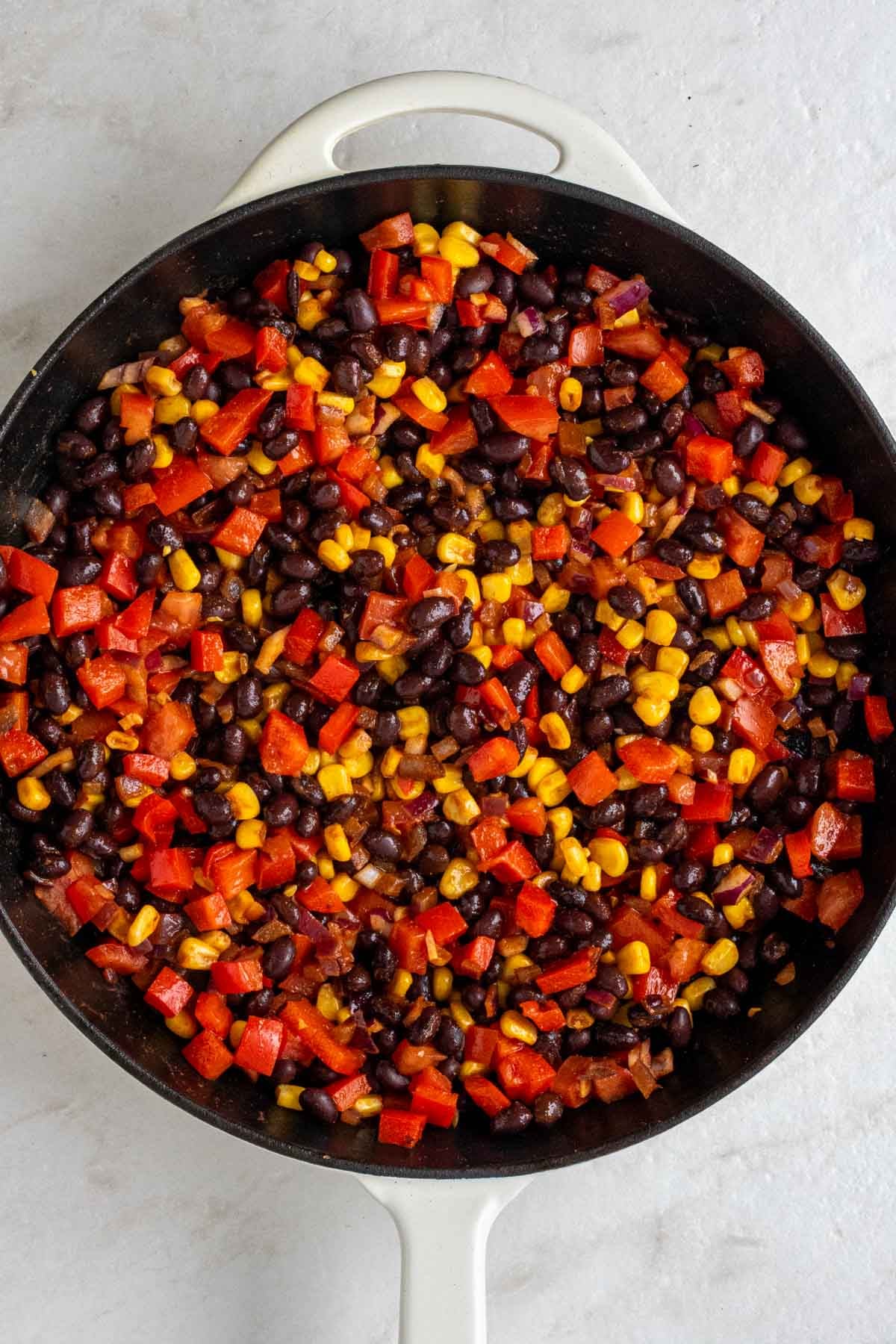
Slow cooker filled with BBQ pulled pork.

Red’s Nutrition Tip

While the inclusion of refined sugar in this recipe may be worrisome to some, it is not cause for concern. Not only is the 1/2 cup of brown sugar spread across the entire recipe, resulting in just over 1/2 tablespoon per serving, but in the context of an otherwise healthy diet, added sugar can be consumed without concern.

Serving Suggestions

These pulled pork bowls are a balanced meal with protein, carbohydrates, fiber, and fats; however, they can easily be adapted to suit your personal calorie or macro needs. For example:

  • To make them lower in fat, trim all excess fat from the pork shoulder or use pork tenderloin instead, and swap the mayonnaise for non-fat Greek yogurt.
  • To make it low-carb, swap the white rice for cauliflower rice.
  • To make it higher in fiber, swap the white rice for brown rice and add more high-fiber foods such as black beans, avocado, or sweet corn.
Two BBQ pulled pork bowls with white rice and creamy coleslaw on a white background with a bowl of coleslaw, pickled onion, cilantro, and green onions on the side.

Storage + Reheating

To Refrigerate: Once cooled, any leftover pulled pork and rice can be stored assembled or in separate airtight containers in the fridge for up to 4 days. The coleslaw can be stored in a separate airtight container for up to 3 days.

To Freeze: Once cooled, the pulled pork and rice can be stored assembled or in separate airtight containers in the freezer for up to 3 months. The coleslaw and dressing cannot be frozen.

To Reheat: Once thawed, the pulled pork and rice can be reheated in the microwave for 2-3 minutes or until warm. The coleslaw can be added to the bowls once reheated.

More Pork Recipes:
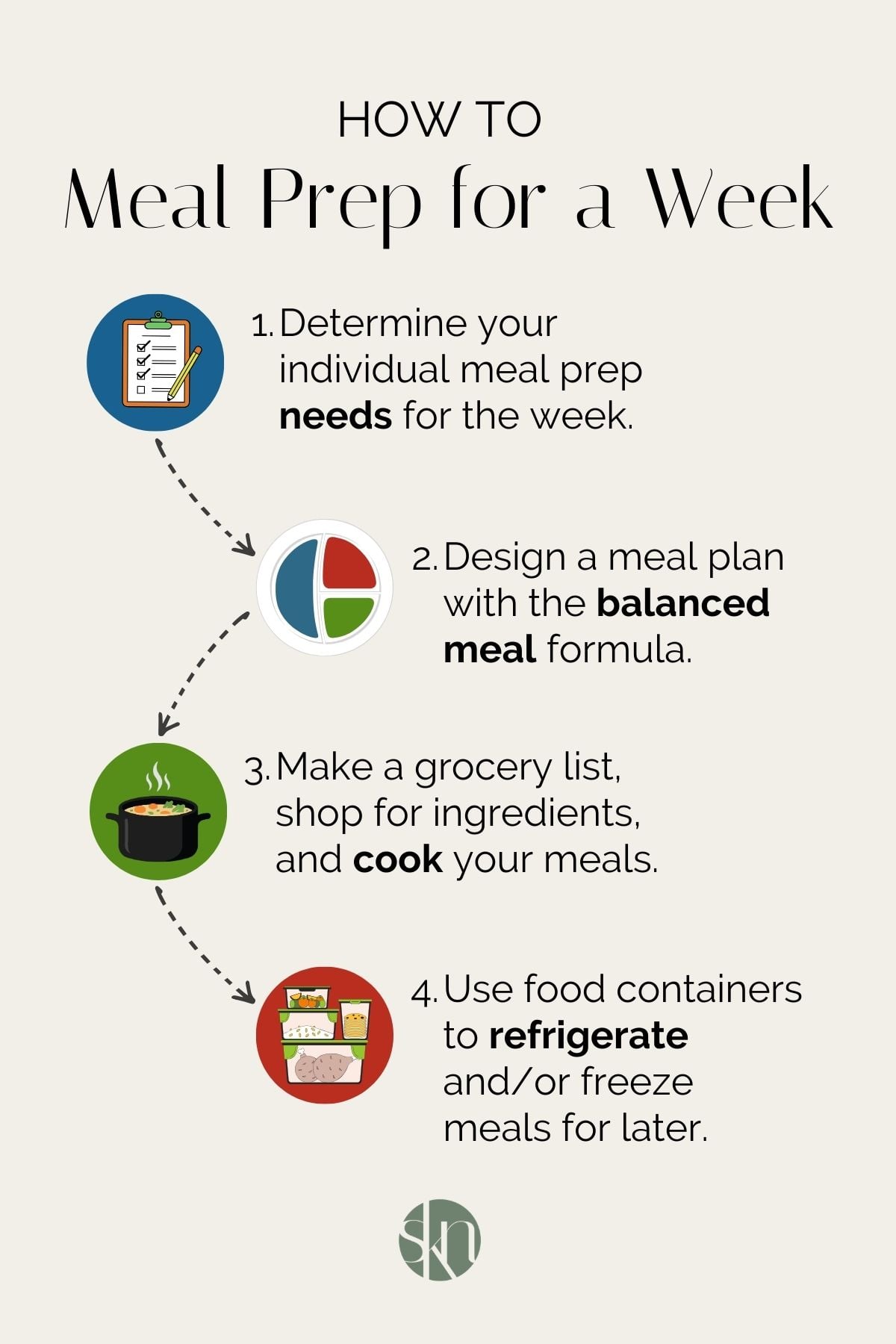
  • Pulled Pork Tacos
  • Spicy Pork Noodles
  • Honey Garlic Pork Chops
  • Spinach Stuffed Pork Chops
  • Spanish Pork Chops
  • Pork Souvlaki
  • Previous
  • 1
  • …
  • 3
  • 4
  • 5
  • 6
  • 7
  • …
  • 58
  • Next
Stephanie Kay Nutrition

Hey, I’m Stephanie

– AKA RED –

I’m a nutritionist on a mission to change the way you look at food and teach you how to make real food work for real life in a realistic way.

Get to Know Me

Want A 7-Day Meal Plan?

Download my free 7-day meal plan, complete with a grocery list, for a week’s worth of easy healthy recipes that make real food work for real life.

    • facebook
    • instagram
    • pinterest

    Shop My Cookbooks

    My eCookbooks are filled with quick and easy real food recipes to help make eating well a breeze so you can crush your goals.

    Learn More

    Recipes

    • Dinner
    • Breakfast
    • Meal Prep
    • Snacks

    Nutrition

    • FAQs
    • Tips
    • This vs. That
    • Weight Loss

    Connect

    • Instagram
    • Youtube
    • About
    • Cookbooks

    About Stephanie

    I’m a nutritionist on a mission to change the way you look at food and teach you how to make real food work for real life in a realistic way.

    Learn More

    Site Credits
    2023 © Stephanie Kay Nutrition | Privacy Policy
    To Top