Stephanie Kay Nutrition

Stephanie Kay Nutrition

Real Food for Real Life

  • recipes
    • all recipes
    • Breakfast
    • Lunch
    • Dinner
    • Soups & Stews
    • Salads
    • Sides
    • Snacks
  • nutrition
    • All Articles
    • Tips
    • FAQs
    • This vs. That
    • How To/Guides
    • Weight Loss
  • resources
    • 10 Days of Nutrition
    • 7-Day Meal Plan
    • Balanced Meal Guide
    • 5-Ingredient Cookbook
    • Lunch Box Cookbook
  • About
    • About Steph
    • Contact
  • recipes
    • all recipes
    • Breakfast
    • Lunch
    • Dinner
    • Soups & Stews
    • Salads
    • Sides
    • Snacks
  • nutrition
    • All Articles
    • Tips
    • FAQs
    • This vs. That
    • How To/Guides
    • Weight Loss
  • resources
    • 10 Days of Nutrition
    • 7-Day Meal Plan
    • Balanced Meal Guide
    • 5-Ingredient Cookbook
    • Lunch Box Cookbook
  • About
    • About Steph
    • Contact
  • Dinner
  • Breakfast
  • Meal Prep
  • Nutrition Tips
  • facebook
  • instagram
  • pinterest
  • youtube

12 Reasons You’re Not Losing Weight

Published on September 3, 2024 by Stephanie Kay

If you’re eating healthy and exercising regularly, but you’re not seeing changes on the scale, you’re not alone. Losing weight is not easy, and there are likely many reasons you’re not losing weight. Fortunately, with a little know-how, you can address the issues and get your weight loss efforts back on track.

Bathroom scale on white background.

To lose weight, you must create a calorie deficit. When the calories you expend via metabolism and activity are greater than the calories you consume from food and beverages, you create a deficit of energy, which forces the body to use stored energy for fuel, also known as body fat.

Put simply, a calorie deficit IS fat loss and fat loss IS a calorie deficit. To lose weight from body fat, you must allow the body to tap into energy reserves, and the only way to do this is to create a deficit of energy. As a rule of thumb, to lose one pound of fat, you need to create a calorie deficit of approximately 3,500 calories.

To create a calorie deficit, some form of restriction must occur. Some diets will advocate for restricting foods to reduce calorie intake (i.e. no bread, no sugar), while others will suggest restricting specific macronutrients (i.e. low-carb, low-fat) or food groups (i.e. vegan, carnivore), and others will recommend restricting eating times (i.e. intermittent fasting) or tracking portions sizes (i.e. calorie counting or macro counting) to reduce calorie intake to create a deficit for weight loss to occur.

While the nutrition community will argue over the “best” approach to weight loss, research has consistently shown that any dietary strategy that restricts calories is effective for weight loss when adhered to (1).

Although this may seem simple in theory, unfortunately, it’s not always simple in practice. While a calorie deficit is required for weight loss to occur, there are many reasons why people struggle to lose weight and keep it off. Fortunately, with a little knowledge, you can overcome potential roadblocks and hurdles in your weight loss efforts.

Infographic with reasons you're not losing weight.

Most Common Reasons You Can’t Lose Weight

Here is a ranking of the most common reasons you’re not losing weight.

1. You’re not in a true calorie deficit, consistently.

Many people will say, “I’m in a calorie deficit, but I’m not losing weight”, but if you’re not losing weight, you’re not in a calorie deficit. Unfortunately, many people think they are in a calorie deficit because they’re following a fancy meal plan, they’ve cut foods from their diet, or they’ve used a fancy online calorie intake calculator, but none of those things guarantee that you are in a calorie deficit.

Because a calorie deficit is fat loss, you only know you’re in a calorie deficit when you’re seeing results. Unfortunately, many people assume that they are in a calorie deficit without properly calculating their calorie needs, monitoring their activity level, tracking their food, or weighing their food.

Determining your required calorie intake for weight loss is a game of consistency, monitoring, and adjustment. Not only do you need to estimate your calorie deficit needs with accurate data – and most people underestimate their calorie intake and overestimate their activity level – but you need to monitor data points by accurately tracking food intake and weighing yourself consistently.

Consistency is king when it comes to weight loss. Even if you are in true calorie deficit 4 days of the week or 20 days of the month, if you are in a surplus the other 3 days of the week and 10 days of the month, you likely won’t see the weight loss progress you desire.

Not to mention, your calorie needs will change as you progress in your weight loss journey as you experience the natural process of metabolic adaptation, when your body becomes more efficient at using energy and burns fewer calories, which makes consistency, tracking, and calorie intake adjustments all the more important (2).

2. You’re not as active as you think you are.

When calculating the calorie intake required for weight loss, many people overestimate their activity level. Not only do people tend to overreport their physical activity by roughly 50%, but studies have shown that “smart” watches overestimate calories burned during exercise by 28-93% (3, 4).

This overestimating of activity level can be detrimental to weight loss progress as your “calories burned” are much lower than estimated, and, therefore, the calorie deficit you thought you had created is not there.

3. You’re not resistance training.

Many people with weight loss goals gravitate to what they consider “high-calorie burn” forms of exercise, such as cardio and high-intensity interval training, when in reality walking and resistance training are just as effective, if not more.

Resistance training, also known as weightlifting and strength training, helps to build muscle mass by challenging your muscles to work against a weight or force. This increase in muscle mass helps to support our basal metabolism rate, which is the primary component of metabolism and total calories burned throughout the day. Our resting energy expenditure is largely dependent on our fat-free mass; therefore, the more muscle mass we build through resistance training, the higher our resting energy expenditure (4).

Although resistance training doesn’t typically burn as many calories as high-intensity cardio during exercise, resistance training is more effective at building and preserving lean muscle mass during the fat-loss process, which helps to mitigate decreases in metabolic rate that can impede weight loss. Furthermore, if the intensity is high enough, post resistance training workout, you will benefit from excess post-exercise oxygen consumption (EPOC), which is the increased energy your body uses after a workout to recover, repair, and return to its pre-exercise state (5, 6).

Additionally, resistance training is the most effective exercise approach for changing body composition, which can alter body shape and reduce inches, even if there is little weight loss reflected on the scale.

If you are new to resistance training, to minimize the risk of injury, it is best to start with body-weight exercises and allow the body to build strength before adding external resistance such as bands, kettlebells, dumbbells, and barbells. That said, exercise alone is not as effective of a weight loss strategy as diet and exercise combined; therefore, both should be made a priority if you’re trying to lose weight.

4. You’re not prioritizing whole foods.

Eating a diet composed primarily of whole foods is one of the easiest ways to quickly cut calories. Not only is real food free of added sugars and oils, which are major sources of added calories in processed foods, but they are far more filling, satiating, and nourishing.

In the nutrition prioritization pyramid, after consistency and lifestyle, food quality ranks as one of the most important diet and lifestyle changes for health and weight loss. Not only does prioritizing whole foods in the diet help to ensure you are organically eating a better balance of macronutrients and micronutrients, but it also naturally affects how much you eat.

Whole foods, including fruits, vegetables, whole grains, legumes, nuts, seeds, eggs, dairy products, poultry, red meat, seafood, and shellfish, are the most nutrient-dense foods and most filling foods. The high protein, fiber, fat, and micronutrients of whole foods positively impact our hunger hormones to increase feelings of fullness compared to ultra-processed foods, which are hyper-palatable and very easy to overeat.

That said, you don’t need to cook everything from scratch if you want to lose weight. There are many healthy store-bought foods and products that are made from whole foods and minimally processed that you can include in a healthy diet. Just be sure to read the label and ingredients to choose the best options possible.

5. You’re not weighing your food.

Weighing your food is the only way to accurately track how many calories you are consuming. Although many weight loss programs will suggest using your hand to estimate portion sizes as a portion control tool, using portion plates, or measuring cups to portion your food, weighing your food on a scale is, by far, the most precise way to track your calorie intake.

To use an analogy, tracking your calorie intake without weighing your food is like tracking your financial budget without looking at your expenses. If you’re trying to save money, you need to know how much money is going into your bank account and how much is leaving your bank account. If you’re tracking your budget on a spreadsheet and estimating your income and expenses, but you never cross-reference the numbers to ensure they are accurate, it is highly unlikely your spreadsheet will match your bank account at the end of the month.

While done with good intentions, many people track their food intake in a calorie-counting app but fail to weigh any of the food they are eating. In doing so, they are merely estimating how much food they are consuming and tracking this estimate. So, while their app may say they are eating 1,500 calories, there is no way to confirm this is actually how much they are consuming because they haven’t weighed anything.

In fact, research has shown that people underestimate their calorie intake by up to 20%, and overweight people may underestimate their calorie intake by up to 40% (3). While this can be frustrating to hear, it merely demonstrates the average person’s lack of understanding of portion sizes. Weighing your food, even if only for a brief period, can be a very eye-opening and educational tool to help increase this area of nutrition knowledge and support your weight loss efforts.

6. You’re not tracking cooking oils.

If you’re tracking your food, but you’re not tracking cooking oil, you may be leaving hundreds of calories untracked. In fact, not tracking cooking oils is one of the most common calorie-counting mistakes.

Although olive oil, coconut oil, and even butter are healthy fats that can be included in a healthy diet and support weight loss, cooking oils are some of the most calorie-dense foods. A mere tablespoon of butter and two tablespoons of olive oil add up to 340 calories, which, when left untracked, can remove you from the calorie deficit you think you are in (8, 9).

7. You’re not tracking beverages.

While what you eat is important for weight loss, what you drink is equally important and, unfortunately, all too often ignored. The “calories in” side of the calorie deficit equation comes from the food you eat and the beverages you drink, and not tracking calories from beverages can quickly erode any calorie deficit you think you’ve created.

Many beverages are just as calorie-dense, if not more, than food, and sugary beverages are some of the biggest contributors to weight gain (10). Although soda, milkshakes, and alcohol are generally considered unhealthy, high-calorie beverages, even healthy beverages, such as fresh fruit juices, smoothies, and protein shakes, contribute to your daily calorie intake.

While these beverages do not need to be avoided for weight loss to occur, their calorie content must be considered and tracked to ensure they are accounted for in your calorie deficit. Even healthy beverages can easily add up to several hundred calories per day. For example, not tracking a green juice (111 calories), a small latte (155 calories), and a protein shake (165 calories) can increase your total daily calorie intake by 431 calories and remove you from what you thought was a calorie deficit (11, 12, 13).

Moreover, alcohol consumption can make it harder to lose weight. Not only is alcohol high in calories, and mixers often even more, but after a few drinks, people are more likely to make poorer food choices, which adds even more calories (14).

8. You’re not eating enough protein.

Protein is the most satiating macronutrient as it impacts several appetite-regulating hormones, namely ghrelin, that increase feelings of fullness, which is incredibly helpful when you are trying to lose weight.

Moreover, protein has the highest thermic effect of food, which is the energy expended to digest, metabolize, absorb, and store the food that you eat (15). This is particularly beneficial for weight loss as it can help to increase calories burned by increasing the body’s resting energy expenditure, which is an integral component of metabolism.

The protein requirements for weight loss are higher due to the greater threat to lean muscle mass from bodily protein being used to battle a calorie deficit. While exactly how much protein you need varies based on the size of the calorie deficit and leanness of the individual, evidence suggests that a protein intake of 0.7-1.0 grams of protein per pound of body weight per day is ideal for weight loss (16).

As for when to eat your protein, the exact breakdown throughout the day is less important than meeting your optimal total daily needs. According to research, the body appears to be more flexible with the distribution of protein intake throughout the day for retaining muscle mass during a calorie deficit, as long as protein intake is met and resistance training is engaged (17).

There are many ways to increase your protein intake; however, generally speaking, consuming a source of plant or animal protein at every meal can help ensure you are eating more calories from protein to support weight loss. Eating a high-protein, low-calorie food at breakfast, lunch, and dinner is a simple yet effective way to increase your protein intake.

9. You eat at restaurants often.

Everyone loves a good restaurant meal, and while it’s important to treat yourself, eating at restaurants too frequently can hinder weight loss progress.

Tracking your food is pretty easy when you’re making every meal at home, as you can measure and weigh everything, but when you’re eating at restaurants, you’re often left to guess and estimate the ingredients and portions of your meals. Not only does this diminish the accuracy of tracking, but restaurants often use more oil and butter than one would use cooking at home, which can quickly increase the calories of a meal.

In fact, one study found that eating at fast food and full-service restaurants was associated with an increase in daily total energy intake of roughly 200 calories and significant increases in saturated fat, sugar, and salt (18). And another study found that meals from non-chain restaurants contained an average of 1,205 calories, which is roughly 60% of the daily calorie needs for an adult female ( 2,000 kcal/day) and roughly 48% of the daily calorie needs for an adult male ( 2,500 kcal/day) (19).

When eating at restaurants frequently, these significant calorie increases can easily pull you out of a calorie deficit and even lead to weight gain. However, if you must, do your best to plan ahead, read the restaurant menu on their website, and consider “banking” some calories by eating a little lighter during the day so you aren’t concerned about going over.

10. You’re misinterpreting the scale.

If you’re trying to lose weight, one of the most important things to understand is that there is a difference between weight loss and fat loss, and this difference has a big impact on the scale.

Weight loss refers to a decrease in your body weight from muscle, bone, water, and fat, while fat loss refers to weight loss strictly from fat, which contributes to weight loss.

Many factors can influence weight, and it is completely normal to see small fluctuations in weight from one day to the next. Changes in water, salt, and carbohydrate intake and lack of bowel movements can cause weight increases; however, these do not necessarily mean there was an increase in fat tissue. This is especially true for women as they experience natural fluctuations in weight during their menstrual cycle (20).

Moreover, if you’re confident you are consistently in a calorie deficit, eating enough protein, and resistance training, but are not seeing changes on the scale, it is possible that losing fat and building muscle mass simultaneously. This process is known as body recomposition and is often reflected in a loss of inches through loss of body fat and muscle gain, but not reflected as weight loss, as most scales do not differentiate between the amounts of body fat and muscle you have.

It is for this reason that weighing yourself regularly is important, but it is the larger trends that are most important, not the small day-to-day changes. If you’re committed to losing weight, it is best to weigh yourself daily so you can collect more data points; however, instead of comparing today’s weight to yesterday’s weight, compare this month’s weight to next month’s weight. While you will experience weight fluctuations in the process – and they will be frustrating in the moment – the goal is to see a very gradual downward trend in weight over time.

11. Your expectations are unrealistic.

Happiness equals reality minus expectations, and this couldn’t be truer than when you’re trying to lose weight.

Unfortunately, many people start a weight loss program with unrealistic expectations and, therefore, become frustrated when the process does not pan out the way they expected. When this happens, they give up on their weight loss efforts and often regain any weight they had lost, if not gain more.

The truth is that healthy weight loss is a slow and progressive process. While you can experience rapid drops in weight when you start your weight loss journey, which are often due to water loss, on average, a 2-4% monthly weight loss/fat loss rate is considered normal and sustainable. For instance, if you weigh 170 pounds, a healthy weight loss rate would range from 3.4 to 6.8 pounds per month. Not to mention, every individual has a different healthy set point range that is largely predetermined by genetics, height, sex, age, metabolism, and hormones.

Furthermore, it is normal for weight loss plateaus to occur in the process. A weight loss plateau is when you temporarily stop losing weight, and it may occur for several weeks before weight begins trending down again.

For these reasons, you must set clear and realistic expectations before you begin your weight loss journey to reduce frustrations and help you weather the storm when setbacks occur.

12. You’ve not chosen a sustainable approach.

As previously noted, weight loss requires some form of calorie restriction, and research has shown that all dietary approaches that restrict calories are equally effective when adhered to.

Unfortunately, too often people pick the dietary approach they think is the “best” or the “quickest” and not the one that suits their personal preferences. Following a low-carb diet when you love carbs or intermittent fasting when you love sharing meals with your family may lead to some short-term success, but is more than likely to fail in the long run, simply because you don’t like it.

When choosing a dietary approach for weight loss, personal preferences, schedules, and flexibility should not be ignored. While there are pros and cons to every diet, the pros must outweigh the cons and make logical sense for your lifestyle so you can stick to it.

The reality is that you don’t need to micromanage every meal to achieve fat loss; rather, you need to develop healthy eating habits that you can adhere to consistently to ensure you maintain a calorie deficit. Not only does this help in the weight loss process, but it also aids in the long term to ensure you don’t experience weight regain once you stop dieting.

The Bottom Line

While it is normal to experience plateaus in your weight loss progress, there may be specific reasons you’re not losing weight. At the most fundamental level, weight loss requires you to be in a calorie deficit, unfortunately, this can be impeded by a lack of tracking, lack of exercise, not eating enough protein, too many ultra-processed foods, restaurant meals, and unrealistic expectations. Fortunately, by addressing these factors you can make adjustments to ensure you experience weight loss success.

High-Protein Lunch Box

Published on September 1, 2024 by Stephanie Kay

Filled with boiled eggs, deli meat, cheese, crackers, veggies, and dip, this high-protein lunchbox is a delightful combination that is quick and easy to prepare. With over 30 grams of protein per serving, it’s sure to keep you energized and full throughout the day.

Stainless steel high-protein lunch box with a fork and tea towel.

Whether you need a high-protein lunch for the office or a simple lunch your kids can take to school, this high-protein lunch box is a great option. Not only is this snack-style lunch fun to eat, but it’s incredibly versatile and you can mix and match the ingredients based on what you have on hand or your personal dietary preference.

In fact, this high-protein lunch box is just one of the many high-protein lunch ideas in my bistro box cookbook which is filled with over 50 quick, easy, and healthy lunch combos.

High protein lunch box with a side of crackers, hummus, and veggies.

Why You’ll Love Them

  • Quick and Easy – Ready in 15 minutes, this high-protein lunch box is super fast for meal prep.
  • High in Protein – Each lunch box contains over 30 grams of protein.
  • High in Fiber – Each lunch box contains over 7 grams of fiber.
Ingredients for a high-protein lunch box; crackers, hummus, snap peas, carrots, hard-boiled eggs, cheddar cheese, turkey deli meat, salt, and pepper.

Ingredients + Substitutions

  • Egg – To add some protein. I added one egg, but you can add as many hard-boiled eggs as needed.
  • Deli Meat – To add some more protein. I used sliced turkey, but any style of deli meat will work well, such as ham, roast beef, or salami, or you can also use leftover chicken if preferred.
  • Cheese – To add a bit more protein and some healthy fats. I used cheddar cheese, but you can use other high-protein cheeses such as gouda cheese, Swiss cheese, or cottage cheese.
  • Crackers – To add some complex carbohydrates. I used whole-grain crackers, but any style of cracker will work well, or you can swap them for some whole-grain bread or a wrap if preferred.
  • Hummus – To add some fiber and healthy fats. If you don’t like hummus, baba ganoush or black beans dip would also work well.
  • Veggies – To add some micronutrients and fiber. I used snap peas and carrots, but you can use any veggies you like, cucumber, broccoli, or cherry tomatoes would work particularly well.

Dietary Adaptions

To Make them Gluten-Free: Use gluten-free crackers or rice crackers.

To Make them Dairy-Free: Use dairy-free cheese or swap the cheese for nuts or nut butter instead.

Close up of a lunch box with hummus, deli meat, hard-boiled egg, veggies, crackers, and cheese.

Red’s Nutrition Tip

Eating a high-protein lunch, along with breakfast and dinner, is a great way to ensure you are eating enough protein to meet your optimal daily protein intake to support your personal health goals. While how much protein you need depends on your goals, on average, it is recommended that individuals looking to maximize general health consume 0.7 to 1.0 grams of protein per pound of body weight per day.

Variations

These lunch boxes are a well-balanced meal idea with protein, complex carbohydrates, fiber, and healthy fats and can, therefore, be enjoyed as a complete meal. Albeit, they are incredibly versatile and the ingredients and portions can be adapted to suit your personal dietary needs. For example:

To increase the protein content, you increase the portion size of the eggs, deli meat, and cheese, or add an additional source of protein, such as:

  • Meat and Fish – Leftover chicken, smoked salmon, and canned tuna are great high-protein, low-calorie foods, while beef jerky and turkey jerky are great high-protein snack foods.
  • Dairy Products – Plain yogurt, Greek yogurt, skyr, and cottage cheese are all high-protein dairy products.
  • Nuts and Seeds – Add a small portion of high-protein nuts, such as peanuts or almonds, and high-protein seeds, such as pumpkin seeds, or a bit of trail mix.
  • Whole Grains – Use crackers made of high-protein grains, such as whole-wheat crackers or quinoa crackers.

To make them low carb, swap the whole grains crackers for rice crackers or almond flour crackers.

To make them higher in fiber, add more veggies, such as broccoli, cucumber, celery, and cauliflower, or fresh fruit, such as apples or raspberries.

To add a healthy treat, dark chocolate chips, dried fruit, or a small cookie or healthy baked good, such as chocolate banana brownies.

To make them lower in calories, use lean deli meat, and low-fat cheese, use oil-free hummus, and swap the crackers for rice crackers or rice cakes.

Packed high-protein lunch in a stainless steel container.

Storage

Assemble each high-protein lunch box in airtight lunch boxes or containers, with the hummus in separate smaller airtight containers, and store it in the fridge for up to 4 days. You can use plastic, glass, or metal lunch boxes. I highly recommend the stainless steel lunch box from Dalcini Stainless.

More Protein Box Recipes:

  • Starbucks Protein Boxes
  • Charcuterie Lunch Boxes
  • No-Cook Work Lunch Boxes

Sheet Pan Chicken and Broccoli

Published on August 29, 2024 by Stephanie Kay

Made with minimal ingredients on a single pan in under 30 minutes, this sheet pan chicken and broccoli is filled with all the classic stir fry flavors without the hassle. It’s a great quick and easy meal the whole family can enjoy.

A white bowl with white rice filled with sheet pan chicken and broccoli with green onion.

Sheet pan meals are one of my favorite ways to create a delicious dinner without much effort. By simply adding protein, veggies, and seasoning to a baking sheet you can create a well-balanced meal in a relatively hand-off manner. Plus, they are incredibly versatile and you can mix and match ingredients to make a family-friendly meal that even the pickiest eaters will enjoy.

So, if you like stir-fried chicken and broccoli but don’t have the time to stand over a hot stove, this sheet pan chicken and broccoli is the perfect recipe for you. Not only does it work well as a healthy dinner, but leftovers keep well so you can enjoy it for lunches or make it as a meal prep idea.

Sheet pan chicken and broccoli with a tea towel and green onions.

Why You’ll Love It

  • Made on one Pan – Cooked on a single sheet pan, this recipe reduces prep time, cooking time, and clean-up.
  • Quick and Easy – Ready in under 30 minutes, this recipe is perfect for busy nights when you need dinner on the table in a hurry.
  • High in Protein – This chicken and broccoli recipe contains over 30 grams of protein per serving.
  • Great for Meal Prep – Once cooked, it stores well in the fridge and freezer making it a great make-ahead meal.
Ingredients for sheet pan chicken and broccoli; chicken thighs, broccoli, red bell pepper, soy sauce, sesame oil, honey, ginger, garlic, and white rice..

Ingredients + Substitutions

  • Chicken – To add some protein. The recipe calls for chicken thighs, but you can use chicken breasts if preferred.
  • Broccoli – To add some veggies and fiber. You can use fresh or frozen broccoli florets.
  • Bell Pepper – To add more veggies and a bit of color, but you can omit it if desired.
  • Soy Sauce – To make the chicken and broccoli sauce.
  • Sesame Oil – To make the sauce. You can use regular or toasted sesame oil, or use olive oil if needed.
  • Honey – To balance the flavors of the sauce. Brown sugar and maple syrup will also work.
  • Cornstarch – To thicken the sauce, although optional.
  • Ginger and Garlic – To flavor the sauce. The recipe calls for fresh ginger root and garlic cloves, but you can use ginger and garlic powder if needed. See the notes section of the recipe card for details.
  • Sesame seeds – To season.
  • White Rice – To serve, although optional.
Large bowl filled with soy sauce, sesame oil, honey,  cornstarch, ginger, and garlic.
Large bowl of cubed chicken thighs in marinade.

Dietary Adaptions

To Make it Gluten-Free: Swap the soy sauce for tamari or coconut aminos.

To Make it Dairy-Free: No adaptations are needed, this recipe is dairy-free.

Sheet pan with marinated raw chicken, broccoli, and red bell peppers.
Sheet pan with cooked chicken, broccoli, and red bell pepper.

Red’s Nutrition Tip

This recipe calls for chicken thighs because I think they have better flavor and texture when cooked on a sheet pan, but you can certainly use chicken breasts if you like. It will also decrease the fat content slightly, however, the nutritional value of chicken breasts and chicken thighs are very similar.

Large sheet pan filled with chicken and broccoli.

Serving Suggestions

When served with steamed rice, this sheet pan chicken and broccoli is a balanced meal with protein, complex carbohydrates, fiber, and fats. However, it can easily be adapted to suit your personal dietary needs, for instance:

  • To make it higher in protein, add an extra 1/2 pound of chicken to the baking sheet.
  • To make it low carb, serve the chicken and broccoli with cauliflower rice instead of white rice.
  • To make it higher in fiber, add an additional 2 cups of broccoli to the baking sheet and serve the chicken and broccoli with brown rice instead of white rice.
A large sheet pan filled with chicken and broccoli with a bowl filled with white rice, chicken, broccoli, and sesame seeds with a side of green onion.

Storage + Reheating

To Refrigerate: Once cooled, the chicken and broccoli, and rice can be placed in separate airtight containers and stored in the fridge for up to 5 days.

To Freeze: Allow the chicken and broccoli, and rice to cool completely, then transfer them to separate airtight containers and store them in the freezer for up to 3 months.

To Reheat: Once fully thawed, the rice, chicken, and broccoli can be reheated in the microwave for 2-3 minutes.

More Chicken Sheet Pan Dinners:

  • Sheet Pan Chicken Bruschetta
  • Sheet Pan Turmeric Chicken
  • Sheet Pan Spanish Chicken
  • Sheet Pan Greek Chicken
  • Lemon Roasted Chicken and Potatoes

Butter vs. Margarine: Which is Healthier?

Published on August 27, 2024 by Stephanie Kay

Between the different types of butter, margarine, and “plant-based” spreads, and the debate over saturated fats, choosing a healthy topping for your bread can be confusing. Here is a nutrition breakdown of butter vs. margarine and a suggestion on which is the best choice.

Block butter on a white cutting board with a knife.

Table of contents

  • What’s the difference between butter and margarine?
  • Ingredients in Butter vs. Margarine
  • Butter vs. Margarine: Nutrition
  • Calories
  • Fat
  • Protein
  • Carbohydrates
  • Vitamins + Minerals
  • Cholesterol
  • Pros and Cons of Butter
  • Pros and Cons of Margarine
  • So, which is healthier?

What’s the difference between butter and margarine?

Butter is a fatty dairy product made by churning cream. Traditional butter is made by churning cow’s milk or cream, sometimes adding salt, but can also be from the milk of goats, sheep, or buffalo.

Margarine is a fatty, water-in-oil emulsion made of plant and/or animal fats. Margarine is made by emulsifying a blend of liquid oils through processing and contains other ingredients including water, salt, natural or artificial flavors and colorings, preservatives, emulsifiers, and synthetic vitamins (1). Most margarine products are vegan and now referred to as “plant butter”, as they are made from vegetable oils, such as canola oil, however, some contain animal-derived ingredients like milk, lactose, whey, or casein.

Margarine was invented in France by Hippolyte Mèges-Mouries in response to Napoleon III’s request for a cheaper alternative to butter. The original process combined beef fat and skimmed milk, but evolved to use vegetable oils combined with animal fats after the invention of hydrogenation, which turns liquid fats into solid fats. Since the more recent ban on hydrogenated oils, modern margarine and “plant butter” typically contain a semi-solid tropical oil, such as coconut oil or palm oil, which aids in making them solid at room temperature (2).

Ingredients in Butter vs. Margarine

Here are the ingredients in the most popular US butter brands (3, 4, 5, 6):

  • Land O Lakes Butter: Sweet Cream, Salt
  • Kerry Gold Butter: Pasteurized Cream, Salt
  • Vital Farms Butter: Pasteurized Cream (Milk), Salt

Here are the ingredients in the most popular US margarine brands (7, 8, 9, 10, 11):

  • Country Crock: Purified Water, Soybean Oil, Palm Kernel And Palm Oil, Salt, Lecithin (Soy), Vinegar, Natural Flavors, Vitamin A Palmitate, Beta Carotene (Color)
  • I Can’t Believe It’s Not Butter: Purified Water, Soybean Oil, Palm & Palm Kernel Oil, Salt, Lecithin (Soy), Natural Flavor, Vinegar, Vitamin A Palmitate, Beta Carotene (Color)
  • Becel: Canola Oil 74%, Water, Modified Palm and Palm Kernel Oils 6%, Salt, Buttermilk Powder 0.2% (milk), Natural flavors, Lactic acid, Vitamin A Palmitate (vitamin A), Vitamin D3, Beta carotene, Soy Lecithin, Calcium disodium EDTA.
  • Earth Balance: Natural Oil Blend (Palm Fruit, Canola, Soy Bean, Flax And Olive Oil,), Filtered Water, Contains Less Than 2% Of Pure Salt, Natural Flavor (Plant Derived From Corn, No MSG, No Alcohol, No Gluten), Pea Protein, Sunflower Lecithin, Lactic Acid (Non-Diary), And Naturally Extracted Annatto For Color.
Infographic on nutrition of butter vs. margarine including calories, fat (saturated fat, monounsaturated fat, and polyunsaturated fat), protein, carbohydrates, vitamins, and minerals.

Butter vs. Margarine: Nutrition

While the exact nutritional values of butter and margarine will vary depending on brand and milk fat content, both butter and margarine are sources of fat, with limited amounts of protein and carbohydrates. Here is a comparison of a 1-tablespoon (14.2 grams) serving of unsalted butter and unsalted stick margarine (12, 13, 14, 15).

Nutrition per 1 tablespoonButterMargarine
Calories102 calories102 calories
Fat11.50 g11.50 g
Saturated Fat (SFA)7.17 g2.16 g
Monounsaturated Fat (MUFA)3.32 g5.52 g
Polyunsaturated Fat (PUFA)0.43 g3.45 g
Protein0.12 g0.02 g
Carbohydrates0.01 g0.10 g
Cholesterol (TC)30.5 mg0.0 mg
Vitamin A97.1 mcg116 mcg
Vitamin D7.95 IU0 IU
Vitamin E0.33 mg1.28 mg
Vitamin B120.02 mcg0.01 mcg
Vitamin K10.99 mcg13.2 mcg

Calories

Butter and margarine contain the same number of calories. Both margarine and butter contain 102 calories per 1 tablespoon serving.

Fat

Butter and margarine contain the same amount of dietary fat. Standard stick margarine and butter contain 11.5 grams of fat per 1 tablespoon serving, however, this can vary slightly.

Traditional American butter must be at least 80% fat, while European butter can range between 82% and 90% fat, and the rest is mostly water (16). The fat content of margarine is between 80% and 90%, although percentages will vary by producer.

Butter contains roughly 70% saturated fat, 25% monounsaturated fat, and less than 5% polyunsaturated fats (14). Roughly 11% of the saturated fat in butter are short-chain fatty acids, primarily butyric acid, which has been shown to act as an anti-inflammatory agent in the gut (17, 18).

While the breakdown can vary by brand and type of margarine, margarine contains roughly 50% monounsaturated fat, 30% polyunsaturated fats, and 20% saturated fats (15). Moreover, stick margarine generally contains more saturated fat than tub margarine.

Protein

Neither butter nor margarine are significant sources of protein. Butter contains 0.121 grams of protein per 1-tablespoon serving and margarine contains 0.023 grams of protein per 1-tablespoon serving.

Carbohydrates

Neither butter nor margarine are significant sources of carbohydrates, sugar, or fiber. Butter contains 0.009 grams of carbohydrates per 1-tablespoon serving and margarine contains 0.099 grams of carbohydrates per 1-tablespoon serving.

Vitamins + Minerals

Both butter and margarine are good sources of micronutrients, however, butter is a natural source of vitamins and minerals, while margarine is fortified with vitamins to reach the same levels as butter.

Cholesterol

Butter contains more cholesterol than margarine. Butter contains 30.5 mg of cholesterol per 1 tablespoon serving, while margarine contains none.

However, contrary to popular belief, dietary cholesterol is not the dietary evil it was thought to be. Recent research has now shown that, for most people, dietary cholesterol has very little effect on blood cholesterol levels and is not associated with cardiovascular disease risk (19, 20). The body tightly regulates how much cholesterol is in your blood and will compensate by producing more or less cholesterol based on how much you consume. In fact, in 2015, the Dietary Guidelines Advisory Committee (DGAC) decided to remove its caution about eating cholesterol-rich foods, suggesting that cholesterol is no longer a nutrient of concern for overconsumption (21).

Infographic on pros and cons of butter vs. margarine.

Pros and Cons of Butter

Here are some of the benefits of butter:

  • All natural. Butter is considered a natural food as it is made from cream and rarely contains added ingredients besides salt. The production of butter requires little to no processing and can easily be made at home by churning or shaking heavy cream in a mason jar.
  • Better source of micronutrients. Butter contains more naturally occurring vitamins and minerals than margarine. While margarine does contain vitamins and minerals, most are not naturally occurring, and, therefore, margarine producers add synthetic versions to meet the naturally occurring levels in butter, namely vitamins A and D. Overall, butter is a better source of vitamin B12 and naturally occurring vitamin A, D, and K.
  • Source of vitamin K2. While vitamin K1 comes from plant sources, vitamin K2, also known as menaquinone, is a fat-soluble vitamin found in dairy, animal foods, and fermented foods, since it is synthesized by bacteria. Most people consume plenty of vitamin K1 in their diet, however, not everyone consumes enough vitamin K2 in their diet, which is essential to blood clotting, calcium metabolism, and heart health (22). One tablespoon of butter contains 2.1 mcg of vitamin K2.
  • Higher in omega-3 fatty acids. Compared to margarine, butter is a much better source of omega-3 fatty acids, butyrate, and conjugated linoleic acid. Milk from grass-fed cows is higher in omega-3 fats, which are known to have anti-inflammatory effects, and has a lower ratio of omega-6 to omega-3 fatty acids, which is important as most people are consuming far too much omega-6 fat (23, 24, 25, 26).
  • Source of Butyrate and Conjugated Linoleic Acid (CLA). Butter is one of the best sources of dietary butyrate, a short-chain fatty acid that’s also produced by intestinal bacteria, which has been shown to reduce inflammation, improve digestion, and even support weight loss (27). Moreover, conjugated linoleic acid (CLA) is a form of fat found in meat and dairy products with anticarcinogenic, antiobesity, antidiabetic, and antihypertensive properties (28). Grass-fed dairy products, particularly grass-fed butter, have been shown to contain higher levels of CLA.

Here are some of the drawbacks of butter:

  • Higher in saturated fats. Butter contains more saturated fat than margarine. Roughly 70% of the fat content of butter is saturated fats, with the remaining 30% coming from unsaturated fats. While saturated fats have historically been demonized and correlated with heart disease and increases in blood cholesterol levels, more recent research has shown mixed results. The overall body of evidence suggests that saturated fat does increase several risk factors for heart disease compared to monounsaturated fat and polyunsaturated fats, however, compared to omega-6 polyunsaturated only, saturated fats also reduce some risk factors (29). Moreover, a reduced saturated fat intake can negatively impact hormone levels (30, 31).

Pros and Cons of Margarine

The health benefits and drawbacks of margarine depend on the brand, how it was made, and the type of vegetable oils it contains.

Here are some of the benefits of margarine:

  • Higher in unsaturated fats. While the exact ratio of saturated to unsaturated fat in margarine depends on the type of vegetable oils used to produce it, margarine is a good source of monounsaturated and polyunsaturated fat. For instance, soybean oil contains approximately 20% polyunsaturated fat, while pam oil contains 10% and canola oil contains 30%. Polyunsaturated fat has been shown to help lower the “bad” LDL cholesterol (32).
  • May contain plant sterols. Some margarines are enriched with phytosterols; substances that are similar to cholesterol but are made in plants, which are effective in lowering cholesterol, however, these sterols are also abundantly found in nuts and seeds (33, 34).

Here are some of the drawbacks of margarine:

  • Highly processed. Margarine is a highly processed food product made from vegetable oils, emulsifiers, additives, preservatives, and natural or artificial colors and flavors. According to the NOVA Food Classification System, margarine is classified as an “ultra-processed food”, which is defined as a formulation of ingredients that are typically created by a series of industrial techniques and processes.
  • Higher in omega-6 fatty acids. While margarine contains less saturated fat than butter, it contains more omega-6 fatty acids and fewer omega-3 fatty acids, which have an optimal range of 1:1 to 4:1. Increased ratios of omega-6 to omega-3 fatty acids have been correlated with increases in chronic inflammation and impaired gut health (35, 36).
  • May contain trans fats. Unlike butter, vegetable oils are not solid at room temperature and, therefore, must undergo processing to change their structure known as hydrogenation. Although many countries, including the USA and Canada, have banned the use of partially hydrogenated oils and trans fats, it may still be found in margarine in other areas.

So, which is healthier?

Overall, most health experts recommend consuming butter over margarine. While butter has been historically demonized, in the context of an overall healthy diet and lifestyle, more recent research demonstrates that butter can be consumed with little to no concern.

In fact, a systematic review and meta-analysis of nine studies and over 636,000 adults found a relatively small or neutral overall association of butter with mortality, cardiovascular disease, and diabetes, and did not support a need for major emphasis on decreasing butter consumption (37).

The Bottom Line

In the debate of butter versus margarine, butter is the winner. Butter is a natural food made of cream and sometimes salt, while margarine is an ultra-processed food made of a mixture of plant oils, water, salt, emulsifiers, preservatives, flavors, and colors. While butter and margarine contain the same amount of calories and fat, butter contains more naturally occurring micronutrients, including vitamin K2, and more omega-3 fatty acids, butyrate, and CLA. Although butter contains saturated fat, it is not considered as dangerous as previously thought, and margarine contains more omega-6 fatty acids, which have been correlated with inflammation when consumed in excess.

Buffalo Chicken Meal Prep Bowls

Published on August 22, 2024 by Stephanie Kay

Spice up your meal prep routine with these buffalo chicken meal prep bowls. Filled with spicy chicken, rice, beans, veggies, and a creamy ranch dressing, these bowls are packed full of protein and flavor.

Buffalo chicken meal prep bowls with homemade ranch dressing.

If you’re bored of the same old chicken and rice meal, these spicy buffalo chicken rice bowls are for you. While they are flavor-packed, they are still incredibly healthy and easy to make.

I opted to serve my buffalo chicken and rice bowls with a homemade yogurt-style ranch dressing, but you can serve them with a homemade or store-bought blue cheese dressing if preferred.

Four glass meal prep containers filled with buffalo chicken and rice bowls.

Why You’ll Love Them

  • Quick and Easy – These meal prep buffalo chicken bowls are ready in 30 minutes.
  • High in Protein – With over 40 grams of protein per bowl, these bowls are sure to be a filling meal.
  • Full of Flavor – The combination of buffalo sauce and ranch dressing ensures the bowls are full of flavor.
Ingredients for buffalo chicken meal prep bowls; chicken breast, rice, black beans, cherry tomatoes, red onion, buffalo sauce, and ranch dressing.

Ingredients + Substitutions

  • Chicken – To make the buffalo chicken. I used boneless skinless chicken breasts, but you can use chicken thighs if preferred. You can also cut down on prep time by using leftover shredded chicken or rotisserie chicken if desired.
  • Rice – To add some complex carbohydrates. I used white rice, but you can use brown rice or cauliflower rice if preferred.
  • Hot Sauce – To make the homemade buffalo sauce. I used Frank’s hot sauce but you can use your favorite hot sauce.
  • Honey – To balance the spicy buffalo sauce.
  • Black Beans – To add some more protein, complex carbohydrates, and fiber.
  • Veggies – A mixture of red onion and cherry tomatoes to add some freshness. Feel free to use green onion and whole tomatoes, add more raw or cooked vegetables if desired.
  • Yogurt – To make the ranch dressing. The recipe calls for plain regular yogurt, but you can use plain Greek yogurt if needed.
  • Milk – To thin the dressing.
  • Herbs and Spice – A mixture of garlic powder, onion powder, dried parsley, salt, and pepper to season the chicken and make the dressing.
  • Dijon Mustard – To flavor the dressing.
  • Olive Oil – To add some healthy fats, cook the chicken, and make the dressing.
  • Lemon Juice – To balance the dressing.
Bowl of buffalo sauce with pieces of cooked chicken.
Bowl of buffalo chicken pieces.

Dietary Adaptions

To Make them Gluten-Free: Use a certified gluten-free hot sauce.

To Make them Dairy-Free: Swap the yogurt for mayonnaise and swap the milk for water.

Jar of homemade yogurt ranch dressing.

Red’s Nutrition Tip

I used white rice in my bowls, because I prefer the flavor and texture, however, if you want to increase the fiber content of the bowl, you can swap the white rice for brown rice. Moreover, you can also swap the chicken breast for chicken thighs if you like, just be sure they are boneless and skinless.

Close up of a healthy buffalo chicken rice bowl.

Serving Suggestions

These buffalo chicken and rice bowls are a balanced meal complete with protein, carbohydrates, fiber, and fat. That said, you make some adjustments to ensure they meet your personal health goals, be it general health, weight loss, or weight gain. For example:

  • To make them low-carb, swap the rice for cauliflower rice.
  • To make them low-fat, omit the olive oil in the buffalo sauce and use fat-free yogurt for the dressing.
  • To make them higher in protein, increase the portion size of buffalo chicken and use plain Greek yogurt for the ranch dressing.
  • To make them higher in fiber, swap the white rice for brown rice and add some more high-fiber vegetables, such as carrots or broccoli.
Three healthy buffalo chicken bowls covered in ranch dressing with a fork.

Storage + Reheating

To Refrigerate: Once cooked, allow the buffalo chicken and rice bowls to cool completely, then cover them with a lid and store them in the fridge for up to 4 days. The dressing can be stored in a separate airtight container in the fridge for up to 2 weeks.

To Freeze: Once the bowls have cooled completely, cover them with a lid and store them in the freezer for up to 3 months. The dressing cannot be frozen.

To Reheat: You can reheat buffalo chicken meal prep bowls in the microwave for 2-3 minutes or until warm. If using frozen bowls, remove them from the freezer and allow them to thaw overnight in the fridge before reheating.

More Easy Meal Prep Recipes:

  • Buffalo Chicken Salad
  • Santa Fe Chicken Bowls
  • Buffalo Shrimp Taco Bowls
  • Fiesta Chicken and Rice Bowls
  • Sticky Chicken Meal Prep Bowls
  • Blackened Chicken and Sweet Potato Meal Prep Bowls
  • Chicken Pasta Meal Prep Bowls
  • Chicken Fajita Meal Prep Bowls
  • Southwest Chicken Meal Prep Bowls

Is it Bad to Eat Late at Night?

Published on August 20, 2024 by Stephanie Kay

You’ve likely heard the suggestion that you shouldn’t eat after 8:00 pm or that eating late at night causes the body to store more fat, but is there any evidence to back up these claims? Here’s what the research shows about eating late at night and whether or not it’s bad to eat late at night.

Small white bowls filled with popcorn, peanuts, and pretzels.

Table of contents

  • Is it bad to eat before bed?
  • Benefits of Eating Late at Night
    • Allows for dietary flexibility.
    • May support recovery and muscle building.
    • Some food may help you sleep. 
  • Cons of Eating Late at Night
    • May be less mindful of hunger cues.
    • May impact your food choices. 
    • May exacerbate digestive issues.
    • May impact sleep quality.
    • May be problematic for certain health issues.
  • Does eating late at night cause weight gain?
  • So, is it bad to eat food late at night?
  • Examples of Healthy Late Night snacks

Is it bad to eat before bed?

While many people think it’s unhealthy to eat late at night, it truly depends on the individual and the situation, as eating before bed can have both positive and negative effects on your health.

Although many people believe limiting food, especially carbs, before bed is important because your metabolic rate slows while you sleep and calories will have a greater chance of being stored as fat, your basal metabolic rate is just as high while you sleep as it is during the day (1, 2).

While you are less active while you sleep, since you’re lying down, it does not appear that the average overall energy expenditure during sleep is any different than the resting metabolic rate. In fact, research shows that while your energy expenditure does decrease during the first half of sleep, during the later half energy expenditure significantly increases along with REM sleep (3, 4). Your body simply does not store more fat more readily at night than at other times during the day.

However, while eating late at night is not impacted by your metabolic rate or vice versa, it is important to consider its impact on the body’s circadian rhythm. Your circadian rhythm, or circadian cycle, is the body’s master clock and regulates your natural sleep-wake cycle, digestion, eating habits, and hormones (5). This natural process affects most living things, including animals, plants, and microbes, and is impacted by light and darkness.

A study in the British Journal of Nutrition found that eating or drinking less than 1 hour before bedtime was associated with an increased risk of waking after the onset of sleep and a significant increase in the risk of inefficient and poor-quality sleep (6). Some studies have also shown that eating late at night is linked to disrupted circadian rhythms and may cause fluctuations in appetite-related hormones leptin and ghrelin, which can stimulate food intake (7, 8).

Infographic with pros and cons of eating late at night.

Benefits of Eating Late at Night

Here are some of the benefits of eating late at night:

Allows for dietary flexibility.

The ability to eat late at night allows for more dietary flexibility. Whether you’ve had a busy day and not had time to eat, you’ve worked a late shift, or you’re just hungry in the evening, the ability to eat late at night or before bed allows food dietary flexibility and enhanced food freedom.

May support recovery and muscle building.

Consuming a high-protein snack or meal before bed may help to support physical recovery and promote muscle synthesis. A 2012 study on healthy young male adults found that protein ingested immediately before sleep is effectively digested and absorbed, thereby stimulating muscle protein synthesis and improving whole-body protein balance during post-exercise overnight recovery (9).

Some food may help you sleep. 

Consuming certain foods as a late-night snack or before bed may actually help you fall asleep and/or enhance sleep. For instance, foods packed with magnesium or melatonin may help to enhance the body’s nutrient and hormone requirements for a good night’s sleep (10). While some people supplement with magnesium or melatonin, consuming foods rich in them may help promote falling asleep and staying asleep.

Cons of Eating Late at Night

Here are some of the drawbacks of eating late at night:

May be less mindful of hunger cues.

Late-night eating is often triggered by more than simply hunger cues. Whether you’re watching TV or reading a book, late-night eating is often triggered by emotions outside of physical hunger cues, which can lead to overconsumption of food and daily calorie intake. In fact, one study demonstrated that those who ate closer to bedtime tended to consume more overall calories than those who ate their last meal earlier (11).

May impact your food choices. 

Not only does eating late at night have the potential to cause you to eat more but it also tends to lead to poorer food choices overall. From a behavioral perspective, eating late at night may lead individuals to choose unhealthy and more calorie-dense foods. One study found that individuals who eat a higher proportion of their total calories in the evening are not only more likely to consume more junk food, fatty foods, and alcohol, but they are more likely to consume more calories over the day (12).

May exacerbate digestive issues.

For some individuals, eating late at night or before bed can exacerbate digestive issues such as acid reflux, heartburn, and indigestion. Given that the digestive process is a top-down system, as it is supported by gravity, lying down after eating can create stress on this otherwise vertical operating system. For instance, individuals with a condition known as GERD (gastroesophageal reflux disease) often experience symptoms of heartburn when they lie down after eating, as digestive juices flow back up into the esophagus and cause irritation due to a loosening of the muscular valve between the esophagus and the stomach called the lower esophageal sphincter (13).

May impact sleep quality.

While eating late at night may not directly impact sleep, especially if it’s a nutrient-dense choice, the time of day we eat has been shown to impact the body’s circadian rhythm or natural clock. Consistent poor-quality sleep is detrimental to health and, while the research does remain mixed on this subject, it is something to consider on an individual level.

May be problematic for certain health issues.

In certain individuals, eating dinner close to bedtime, when melatonin levels are high, disturbs blood sugar control, which can be problematic for certain individuals. Some research suggests that the blood sugar levels of individuals who eat late in the day are higher than those who eat earlier in the day (14, 15). The increase in calories, especially those from refined carbohydrates, and disruption of the body’s natural circadian rhythms may put individuals at an increased risk of type 2 diabetes.

Does eating late at night cause weight gain?

Eating late at night – between dinner and bedtime – has long been associated with weight gain, however; overall research shows that eating late at night is not a direct cause of weight gain. Rather, it is the consumption of excess calories throughout the day that can contribute to a calorie surplus and potentially lead to weight gain.

A 2007 study of 12 obese women in a metabolic ward found that late-night eating did not affect weight loss. The women went through three 18-day periods in which a similar range of calories was consumed and found no significant differences in weight, body fat, or fat-free mass (16).

A 12-week randomized clinical trial including 116 men and women was conducted comparing consistent meal timing and time-restricted eating demonstrated that, in the absence of other interventions, restricting evening eating is not more effective in weight loss than eating throughout the day (17).

A 2020 study, shared by the American Heart Association, found that eating late at night does not impact weight gain as long you’re controlling calorie intake. In the 12-week study, overweight adults ate the same healthy, pre-prepared foods, however, half of the group consumed the bulk, around 80%, of their calories before 1 p.m. each day, versus the other half group that ate the majority of their calories, around 50%, after 5 p.m. each day. By the end of the study, the researchers found that both groups lost weight and had decreased blood pressure, regardless of when they ate (18).

Finally, a 2021 study compared the effects of calorie restriction with and without time-restricted eating for weight loss in patients with obesity and found that a regimen of time-restricted eating was not more beneficial with regard to reduction in body weight, body fat, or metabolic risk factors than daily calorie restriction (19).

Yet, while there has been no identified definitive physiological reason why eating late at night would cause weight gain, there are still good reasons to be cautious about eating late at night (20). The reason for this is arguably much simpler than one may think; individuals who eat late at night are more likely to consume extra calories, while individuals who limit their eating hours are more likely to consume fewer calories.

A short cross-over study in healthy young adults of normal body weight found that restricting eating between the hours of 7:00 p.m. and 6:00 a.m. led to a moderate decrease in total calorie consumption, while one observational study showed that individuals who ate between 11:00 p.m. and 5:00 a.m. consumed roughly 500 more calories than individuals who limited their eating window to daytime hours (21, 22). While there is no physiological reason that late-night eating causes weight gain, from a behavioral perspective, individuals who eat late at night are more likely to overconsume calories, one we could have otherwise done without.

Furthermore, the types of food we tend to reach for in the evening – ice cream, chips, crackers, etc. – tend to be hyper-palatable and highly processed food, which may cause us to consume more. Not only are we often eating for reasons other than true hunger – be it boredom or stress – but the mindlessness of our eating behaviors late at night may cause us to consume far more food than is needed, which contributes to additional calories, and often “empty calories”, which contributes to weight gain in the long-run when done regularly.

Overall, there is limited evidence to support the idea that calories consumed in the evening have a greater impact than those consumed during the day and that eating late at night has a direct impact on weight gain. The current research demonstrates that it is total calorie intake, not the time you consume it, that determines whether an individual gains weight. So, while eating late at night won’t directly cause you to gain weight, it can if it causes you to eat more.

So, is it bad to eat food late at night?

It depends. When total calorie intake is controlled for, eating late at night has no direct physiological impact on weight gain. On the other hand, when total calorie intake is not controlled, eating late at night may cause an individual to overconsume calories, which can cause weight gain over time.

Furthermore, it may be more difficult to resist hyper-palatable foods. Not only may this lead to an overconsumption of calories but some research suggests that eating before bed may negatively impact the body’s natural circadian rhythm and impact digestive issues in certain individuals.

Infographic with healthy late night snacks.

Examples of Healthy Late Night snacks

If you choose to indulge in some late-night snacking, it’s best to reach for something well-balanced with protein, fiber, and healthy fats. Here are some healthy snack ideas:

  • Hummus and veggies
  • Almond butter and apple
  • Cheese and popcorn
  • Edamame and
  • Cottage cheese and raspberries
  • Yogurt and granola

If you struggle with excessive late-night eating, there are several strategies you can use throughout the day to help curb late-night snacking or you can work with a registered dietician to develop a plan that works best for your behaviors and goals.

The Bottom Line

Eating late at night is not inherently unhealthy and will not directly cause weight gain unless it causes you to eat more; your total daily calorie intake determines if you will gain weight. If you’re hungry late at night, do your best to opt for nutrient-dense whole foods and eat as mindfully as possible.

10 Principles of Intuitive Eating

Published on August 18, 2024 by Stephanie Kay

Intuitive eating has become a popular approach to food, but what exactly is it? Here are the ​principles of intuitive eating​ and how using them can change your relationship with food.

Scoop of vanilla ice cream in a waffle cone in a mason jar with a tub of ice cream and cones in the background.

Table of contents

  • What is intuitive eating?
  • The Intuitive Eating Principles
  • 1. Reject the diet mentality.
  • 2. Honor your hunger.
  • 3. Make peace with food.
  • 4. Challenge the food police.
  • 5. Feel your fullness.
  • 6. Discover the satisfaction factor.
  • 7. Cope with your emotions without using food.
  • 8. Respect your body.
  • 9. Exercise.
  • 10. Honor your health.
  • Pros and Cons of Intuitive Eating
  • Is intuitive eating the same as mindful eating?
  • Can I lose weight by eating intuitively?
  • Does the intuitive eating approach work for everyone?

What is intuitive eating?

Intuitive eating (IE) is a non-diet weight-inclusive approach that promotes eating based on internal cues, satisfaction, and the health of the mind and body (1). This adaptive style of eating is an alternative to dietary restriction that focuses on the promotion of health independent of weight or dieting.

The term “intuitive eating” was coined by two dietitians, Evelyn Tribole and Elyse Resch, and was developed in response to concerns about the mental and physical side effects of traditional diets, which primarily focus on body weight.

Individuals who eat intuitively routinely respect their internal hunger and satiety cues. Intuitive eaters are not preoccupied with food or eat to soothe their emotions, rather, they eat what they enjoy, without disregard for health, and stop when they are comfortably full.

Infographic with the 10 principles of intuitive eating.

The Intuitive Eating Principles

Intuitive eating is based on 10 primary principles which were outlined by the research of Tribole and Resch and include:

1. Reject the diet mentality.

The first stage of intuitive eating is to reject diet culture. Between social media, movies, magazines, and chit-chat among friends, diet culture is everywhere. We are constantly being bombarded with weight loss programs, quick fixes, and health products we are told we can’t live without. Not only is it important that we become aware of this messaging, but that we dismiss and/or challenge the associated thought processes.

2. Honor your hunger.

Hunger is the body’s physical way of telling you it needs energy and nourishment and, to eat intuitively, we must listen and respect our biological hunger signals. Unfortunately, ignoring our body’s natural hunger cues can lead to increased food cravings and may even trigger binge eating. The hunger-fullness scale is an intuitive eating tool that can help you get more in tune with your natural cues and help to distinguish between physical and emotional hunger.

3. Make peace with food.

Giving yourself unconditional permission to eat is another key principle of intuitive eating. Diet culture has led us to believe that there are “good” and “bad” foods and that by choosing to eat certain foods you are being morally “good” or “bad”, which can lead to unnecessary fear and guilt around food choices. When you adopt an “all foods fit” mentality, you create the space to ask yourself questions like Do I really want this now? and Will I feel good when I’m finished eating it? as opposed to just eating it because it was “forbidden”.

4. Challenge the food police.

Traditional diets are filled with rules; “Don’t eat after 8 pm”, “Bread makes you fat”, and “Meals should be less than 500 calories”. Not only are most of the rules unfounded and non-factual; you can eat after 8 pm, bread doesn’t make you fat, and meals can be as high or low in calories as needed, but these rules are part of the policing of food that makes eating intuitively nearly impossible. Dismissing the food police, which can be the voice inside your head or real people judging your food choices, can help to create a more neutral approach to food.

5. Feel your fullness.

In addition to honoring your body’s natural hunger cues, it’s important to honor your body’s natural fullness cues. To feel your fullness, you must listen to and respect your biological fullness signals to eat to a place of comfortable fullness and comfortable satiety. Just like hunger, the hunger-fullness scale can help distinguish between physical and emotional fullness to ensure you practice intuitive eating.

6. Discover the satisfaction factor.

While food is fuel, it’s also pleasure and an important part of culture, tradition, and celebration. Finding satisfaction in our food goes far beyond our taste buds as it acknowledges how food makes us feel physically, spiritually, and emotionally, and the many roles food plays in our life. The satisfaction factor helps you find pleasure in food instead of solely focusing on what you are “supposed” to eat.

7. Cope with your emotions without using food.

Emotional eating is a way of eating used to suppress or soothe negative emotions. Be it stress, anger, fear, boredom, sadness, or loneliness, many people reach for food to cope with their feelings. Learning to comfort yourself and resolve issues without using food is one of the biggest principles of intuitive eating. While we can recognize that emotional eating does sometimes serve a purpose, it’s important to get to the root of these issues, through personal work or with a therapist, to find ways to nurture yourself without always turning to food.

8. Respect your body.

Respecting your body is about acceptance of your biology. We are all uniquely different shapes, sizes, and colors, and to respect your body is to accept your body and treat it with respect and kindness. Intuitive eating is about acknowledging your “genetic blueprint” and respecting the incredible functions and actions our body can accomplish to foster a more positive body image.

9. Exercise.

Learning to move your body in a joyful and energizing way can help you shift your focus from weight loss-oriented exercise to exercise that makes you feel good. The health benefits of exercise go far beyond weight loss and muscle building, as they can benefit everything from blood pressure to mood to self-esteem (2, 3, 4). Instead of exercising to burn calories, this principle of intuitive eating recognizes that it feels good to move your body.

10. Honor your health.

Contrary to popular belief, practicing intuitive eating still requires you to make food choices that honor your health. Intuitive eating is not about eating whatever you want whenever you want it, it’s about practicing “gentle nutrition” by eating in a healthy, balanced, and consistent way that makes you feel good. While you don’t need to restrict foods, you must prioritize nutrient-dense whole foods, such as fruits, vegetables, whole grains, beans, lentils, nuts, seeds, dairy products, meat, poultry, and seafood, to create balanced meals and support your overall health.

Pros and Cons of Intuitive Eating

Some of the benefits of intuitive eating include (5):

  • Acknowledges your individual wants, needs, and food tastes.
  • Helps foster a healthy relationship with food.
  • Helps identify between physical or emotional hunger cues.
  • Encourages healthier coping mechanisms.
  • Relieves you of dietary restrictions.
  • Increases long-term sustainability.

Some of the downfalls of intuitive eating include:

  • Requires a level of self-control.
  • Can be too lacking in structure for some.
  • Requires a level of nutrition knowledge.
  • It is a practice that can take time.
  • Difficult for people with dysregulation of satiety signals or eating disorders.
  • Less practical for performance, weight loss, and body composition goals.

Is intuitive eating the same as mindful eating?

While both involve an increased awareness, intuitive eating and mindful eating are not the same thing. Intuitive eating is a framework that stretches far beyond mealtimes, while mindful eating focuses on the experience of eating. Mindful eating focuses on individuals’ sensual awareness of the food and the what, where, when, why, who, and how of eating.

That said, the principles of mindful eating can be used as part of intuitive eating to help honor your hunger, feel your fullness, and discover the satisfaction factor of your food.

Can I lose weight by eating intuitively?

While intuitive eating is not designed for weight loss goals, it can help in some cases (6, 7, 8). Unlike traditional weight loss diets, which require calorie counting, portion control, or food restrictions, intuitive eating addresses emotional hunger, which is a major factor in calorie intake for some.

To lose weight, you must consume fewer calories than you are expending to create a calorie deficit so your body utilizes stored energy (body fat) as fuel. For this reason, calorie-restrictive diets are generally recommended as they intentionally reduce the number of calories consumed. However, given the principles of intuitive eating include learning to feel your fullness and cope with your emotions without using food, if one can learn to do so, they may reduce calorie intake from emotional eating, which could cause weight loss to occur naturally. Albeit it’s not guaranteed.

If you have a goal of weight loss but don’t want to track calories or macros and want a more intuitive approach, there are several strategies you can implement to lose weight without counting calories.

Does the intuitive eating approach work for everyone?

Although intuitive eating can and does work for many, it may not work for everyone. Some research suggests that intuitive eating does not work for certain segments of the population, including those with eating disorders, due to dysregulation of their satiety signals (9). Moreover, for individuals with specific health conditions, such as diabetes or high blood pressure, specific dietary restrictions are required.

If you are unsure whether or not intuitive eating will work for you, it is best to speak to a registered dietitian to determine the best dietary approach for your health and your goals.

The Bottom Line

Intuitive eating is a non-diet approach to eating that focuses on the promotion of health independent of weight. The principles of intuitive eating are to reject the diet mentality, honor your hunger, make peace with food, challenge the food police, feel your fullness, discover the satisfaction factor, cope with your emotions without using food, respect your body, exercise, and honor your health.

Italian Breakfast Bowl

Published on August 15, 2024 by Stephanie Kay

Mix up breakfast with this savory Italian breakfast bowl recipe! Ready in 30 minutes and made with minimal ingredients, these bowls are packed full of protein, fiber, and flavor.

Italian breakfast bowl with a runny poached eggs with pesto and a fork, and fresh herbs on the side.

As much as I love oatmeal for breakfast, I love a savory breakfast, and although you can certainly make savory oatmeal bowls, these farro-filled Italian breakfast bowls are a fun twist on a favorite.

If you’ve never tried it, farro is an ancient Italian grain and one of the highest protein grains. It has a chewy texture and nutty flavor, and works well in everything from soups to salads, and also works well for breakfast. While you can use it to make a sweet breakfast bowl, I think it works well with eggs and is the perfect base for these poached egg breakfast bowls.

Poached egg breakfast bowl with farro, prosciutto, sautéed spinach and tomatoes, ricotta cheese, and fresh basil on top.

Why You’ll Love It

  • High in Protein – The combinations of farro, eggs, and prosciutto ensures that each bowl contains over 35 grams of protein.
  • High in Fiber – These grain and veggie-loaded bowls contain 6 grams of fiber per serving.
  • Versatile – You can mix and match the grain, vegetables, and toppings to make the bowls suit your personal needs.
Eggs, ricotta, spinach, farro, cherry tomatoes, olive oil, and prosciutto.

Ingredients + Substitutions

  • Farro – To add some complex carbohydrates. If you can’t find farro, you can wheat berries or quinoa instead.
  • Eggs – To add some protein. While the recipe calls for poached eggs, you can make scrambled eggs or fried eggs if preferred.
  • Prosciutto – To add some more protein. If you don’t have prosciutto, you can use capicola or salami, or cook some regular bacon instead.
  • Ricotta Cheese – To add some more protein and healthy fats.
  • Veggies – A combination of tomatoes and spinach to add some micronutrients and fiber. If you don’t like spinach, kale will also work well.
  • Olive Oil – To cook the veggies.
  • Salt and Pepper – To season.
  • Pesto – To add flavor, although optional. I used homemade fresh basil pesto but you can use store-bought if preferred.
  • Fresh Herbs – A bit of fresh parsley and basil to serve, although optional.

Dietary Adaptions

To Make it Gluten-Free: Swap the farro for quinoa.

To Make it Dairy-Free: Omit the ricotta cheese.

Close up of a Italian poached egg breakfast bowl.

Red’s Nutrition Tip

Eating a high-protein breakfast can help to balance blood sugar, stabilize energy, and minimize cravings throughout the day. Plus, eating enough protein at breakfast can help to ensure you are reaching your optimal daily protein needs. The combination of high-protein breakfast foods, such as eggs and prosciutto, is a great way to create a healthy and protein-packed meal.

Serving Suggestions

These Italian breakfast bowls are a well-balanced meal idea complete with protein, carbohydrates, fiber, and healthy fats. If you want to add more micronutrients, I suggest serving them with a side of fresh fruit, such as berries, orange slices, or sliced pear.

Italian farro and egg breakfast bowl.

Storage

To Refrigerate: Once cooked and cooled, the farro, veggies, and poached eggs can be stored fully assembled or individually in separate airtight containers for up to 4 days.

To Freeze: The cooled farro and veggies can be stored in airtight containers in the freezer for up to 3 months. The poached eggs cannot be frozen.

To Reheat: Once frozen, the farro and veggies can be reheated in the microwave for 1-2 minutes. The poached eggs can be reheated in a pot of simmering water by gently submerging them in the water for 30–60 seconds or warmed through before removing them with a slotted spoon.

More Italian Breakfast Recipes:

  • Breakfast Egg Bake
  • Middle Eastern Breakfast Bowl

Flexible Dieting 101: The Beginner’s Guide

Published on August 13, 2024 by Stephanie Kay

Flexible dieting is a popular nutrition approach in the health and fitness community, but what exactly is a “flexible diet”? Here is everything you need to know about flexible dieting, what it is, the pros and cons, and how to use it to support a performance, weight loss, or body composition goal.

Whole rectangle pizza with arugula on a wood cutting board with two empty plates and a glass of red wine.

Table of contents

  • What is Flexible Dieting?
  • Benefits of Flexible Dieting
    • Easy to follow.
    • Provides more freedom.
    • Focuses on macronutrients.
    • Can be very educational.
    • Promotes sustainability.
  • Drawbacks Flexible Dieting
    • Does not ensure food quality.
    • Requires consistent effort.
    • Requires nutrition knowledge.
    • May promote unhealthy habits.
  • How To Create a Flexible Dieting Plan
    • 1. Calculate Your Calorie Needs.
    • 3. Calculate Your Macros.
    • 3. Track Your Food.
  • How Flexible Dieting Works for Different Goals
  • Tips for Flexible Dieting

What is Flexible Dieting?

Flexible dieting is a dietary approach that allows you to meet your calorie and macronutrient needs while eating the foods you enjoy.

Unlike most diets, flexible dieting does not restrict certain foods or food groups, and does not label foods as “good” or “bad”. Instead, it focuses on monitoring your macronutrient intake, also known as “counting macros“, to reach your health goal, be it to lose weight, gain weight, improve performance, improve body composition, or other.

To use an analogy, flexible dieting treats your food intake like a budget. How much money you can spend depends on how much money you earn and how you spend your money can impact your financial health. The more money you earn, the more money you have to spend, but it’s important to ensure you are paying all of your bills before you treat yourself to holidays, new clothes, or fancy cars. Moreover, if you want to save money, you will need to factor that into your expenses and overall spending.

Like a financial budget, flexible dieting provides a budget for calories and macros. The objective is to stay within your budget and use your budget to support your body’s basic needs and overall health, by making nutrient-dense food choices, before you treat yourself to empty calories.

While there is room for everything in a flexible diet – healthy food and “junk food” – it’s best to use most of your calories on healthy food choices to ensure you are consuming adequate protein, carbohydrates, fat, fiber, and micronutrients to support your goals AND your overall health.

The flexible dieting approach was popularized by the If It Fits Your Macros (IIFYIM) approach, where one could eat anything as long as they hit their macros, however, it has evolved to have a more holistic approach that encourages consuming primarily nutrient-dense foods to support macronutrient and micronutrient intake.

Infographic on what is a flexible diet and the pros and cons of flexible dieting.

Benefits of Flexible Dieting

Here is a list of the some of pros of flexible dieting.

Easy to follow.

Although it does require tracking, a flexible diet is easy to follow because there are so few rules, no “off-limit foods”, or complicated meal plans to adhere to. You can make food choices based on personal preference, track them, and get on with your day.

Provides more freedom.

While most diets require specific food restrictions, flexible dieting allows for a lot of food freedom as it allows the dieter to eat anything they want as long as they hit their calorie and macro targets. In doing so, flexible dieting can help to promote a healthy relationship with food by demonstrating that all foods can be included in a healthy diet, even if your goal is to lose weight, which has been shown help to prevent binge eating (1).

Focuses on macronutrients.

Unlike other diets, especially weight loss diets, flexible dieting focuses on calorie intake and macronutrient intake. While calories are king for weight loss, macronutrients play a vital role in energy levels, satiety, digestion, body composition, and overall health (2, 3, 4). For example, consuming adequate carbohydrates is essential for performance goals, adequate fiber is essential for gut health, and adequate protein is essential for building and maintaining muscle mass and promoting satiety.

Can be very educational.

If you’ve never tracked your food, it can be a very educational and enlightening experience. Not only can you learn more about the calorie content and macronutrient breakdown of your food choices, but you can learn more about portion sizes, how much to eat for your personal goals, and how the food you eat makes you feel. The sheer act of tracking foods and portions creates a level of awareness that can help create healthy eating habits you can maintain for the long term.

Promotes sustainability.

The number one reason diets fail is because they are unrealistic for the long term. Research has repeatedly shown that any diet that restricts calories will support weight loss, however, research has shown that people who follow diets with greater flexibility have greater long-term success. (5, 6) While many diets are easy to follow for a couple of weeks or months, they often overly restrict foods or specific food groups, which makes them difficult and unpleasant to stick to over time. Fortunately, the flexible dieting approach begins with an “all foods fit” mentality, which tends to increase overall adherence.

Drawbacks Flexible Dieting

Here is a list of some of the cons of flexible dieting.

Does not ensure food quality.

While flexible dieting emphasizes macronutrients, it does not emphasize micronutrients. For this reason, dieters can hit their macro targets without choosing high-quality protein, healthy fats, and fiber-rich carbohydrates. While healthy food choices are encouraged, they are ultimately left to the dieter to decide.

Requires consistent effort.

Tracking, weighing, and measuring foods can be very time-consuming, especially if you are new to it. To accurately track macros and caloric intake, you must weigh or measure everything you eat and drink. While using apps can help to make this easier, and even be enjoyable for analytical people, it can feel anything but flexible for some.

Requires nutrition knowledge.

Although the process of flexible dieting can be educational, it also requires a basic level of nutrition knowledge. Unlike other diets with black-and-white rules, flexible dieting requires a basic understanding of calories, macronutrients, and hand portion sizes, as well as how to adapt your calorie needs and macro targets as you progress or if your goal changes.

May promote unhealthy habits.

Flexible dieting can be slippery for some people. If you’ve ever struggled with disordered eating, the level of attention to food and tracking required in a flexible diet may be a trigger. While not encouraged, intense food restriction has been linked to eating disorders including anorexia nervosa, bulimia nervosa, and binge eating disorder, which can all lead to major health problems (7, 8).

Infographic on how to create a flexible dieting plan.

How To Create a Flexible Dieting Plan

Here are the steps to create a personalized flexible diet plan.

1. Calculate Your Calorie Needs.

The first step for creating a flexible dieting plan is to determine your total daily calorie needs. Your total daily energy expenditure (TDEE) is the estimated total number of calories your body expends per day and takes into account your resting energy expenditure (REE) and non-resting energy expenditure (NREE) (9).

Your REE is the number of calories you burn at rest and is also known as your basal metabolic rate (BMR). Your NREE is the number of calories you burn digesting food, performing basic daily activities, exercising, and is made up of the energy expended by the body’s thermic effect of food (TEF), non-exercise activity thermogenesis (NEAT), and exercise activity thermogenesis (EAT). Your REE and NREE collectively make up your metabolism.

Exactly how many calories you need depends on your age, height, weight, sex, activity level, and goals, for example:

  • To support general health and/or maintain weight, you need to eat enough calories to meet your TDEE.
  • To lose weight and/or lose body fat, you need to eat fewer calories than your TDEE to create a calorie deficit.
  • To gain weight and/or build muscle, you need to eat more calories than your TDEE to create a calorie surplus.

You can calculate your TDEE by using the Mifflin-St Jeor equation or by using an online calorie calculator, such as tdeecalculator.net. It’s important to note that this calorie calculation is an estimate and may need to be increased or decreased based on results and real-time feedback. For example, if you have a goal of weight loss and have been tracking consistently for several weeks but are not losing weight, you can decrease your calorie target to increase the size of your calorie deficit.

3. Calculate Your Macros.

Once you’ve calculated your calorie needs for your goal, the next step is to determine your macro breakdown.

Calories are made up of macronutrients, protein, carbohydrates, and fat. When we consume food and drinks we are consuming macronutrients and the macronutrient composition of your food and drinks determines their calorie content. Each macronutrient we consume provides a certain number of calories:

  • Protein = 4 calories per gram
  • Carbohydrates = 4 calories per gram
  • Fat = 9 calories per gram

While the most optimal macronutrient balance depends on your goals, on average, the recommended macro breakdown range as follows (10, 11):

  • Carbohydrates: 45-65% of total daily calories
  • Fats: 20-35% of total daily calories
  • Proteins: 10-35% of total daily calories

3. Track Your Food.

Once you’ve determined your total daily calorie needs and the best macronutrient breakdown to reach your goals, you can start tracking your food. There are many ways to track your food, but the most popular method is to use one of the many food-tracking apps on the market, such as MyFitnessPal, My Macros, or Carbon Diet.

To accurately track food, you will need to weigh and/or measure all of the foods you eat, track them in your chosen app, and meet your daily calorie and macro targets.

How Flexible Dieting Works for Different Goals

Unlike many other diet approaches, flexible dieting can support nutrition goals beyond weight loss. Calorie and macro targets can be adjusted to support everything from marathon training to pregnancy to general health.

Depending on the person’s specific goal, calorie intake can be increased or decreased and macro targets can be adjusted to provide more or less protein, carbohydrates, and fat to ensure the individual is consuming the most optimal ratios for their personal goal. For example:

  • To support weight loss, the calorie target can be decreased to create a calorie deficit, and the protein target increased to ensure lean muscle mass is maintained.
  • To support endurance training, the calorie target can be increased to meet energy expenditure, and the fat and carbohydrate targets can be increased on training days to optimize workouts.
  • To support muscle-building, the calorie target can be increased to create a calorie surplus, and the carbohydrate and protein targets can be increased to support muscle gain.
  • To support general health, the calorie target can be designed to meet daily energy expenditure, and the macro targets can be divided in a balanced manner that suits personal preference while maintaining ranges that support optimal health.

Tips for Flexible Dieting

Prioritize whole foods. Aim to consume 80-90% of your calories from high-quality foods, such as fruits, vegetables, nuts, seeds, whole grains, beans, lentils, dairy products, meat, poultry, and seafood. This will help to ensure you are prioritizing micronutrient intake while meeting your calorie and macronutrient targets. Be sure to read food labels and refer to the ingredients list to ensure you are focusing on minimally processed foods.

Focus on protein. If you find hitting your macro targets difficult, at least, focus on your protein intake. Protein is the most satiating macronutrient and will help to make you feel fuller and more satisfied, especially if you are in a calorie deficit. Look for ways to increase your protein intake at meals so you never miss your protein target.

Track your fiber. While fiber is not one of the primary macronutrients, tracking your fiber intake is highly beneficial for overall health, gut health, and satiety signals. Include high-fiber foods, such as beans, lentils, fruits, and vegetables, to ensure you are consuming adequate fiber within your calorie and macro targets.

Plan ahead. Planning your meals in your app the day before or in the morning can help reduce stress around decision-making and make hitting your targets much easier. If you wait until the end of the day to log your food, you may be left with a less-than-ideal number of calories and balance of macros to make a meal. If you know you’ll be visiting a restaurant, look up the menu beforehand, log your meal choice, and build your other meals for the day around it.

Treat yourself. The point of flexible dieting is to be flexible. While you want to prioritize healthy food choices overall, because there are no “off-limit” foods, you can (and should) enjoy your favorite foods. Once you’ve prioritized whole foods, enjoy the 10-20% of your remaining calories to eat the foods you love and celebrate life.

Don’t neglect activity. While flexible dieting is all about what you consume, don’t forget that how you spend your time is important. Whether you have a goal of weight loss or general health, you must prioritize daily physical activity in your life.

The Bottom Line

Flexible dieting is a diet approach that can be used to lose weight, gain weight, increase performance, or support general health. Flexible dieting involves tracking your food intake, by weighing and measuring your food and drinks, to ensure you are eating to a calorie target and macro targets. By determining your total daily energy expenditure, you can determine how many calories you need to eat and the optimal macronutrient balance of protein, carbohydrates, and fat to reach your health goals.

Burger Bowls with Special Sauce

Published on August 8, 2024 by Stephanie Kay

Turn burger night into a healthy feast with these deconstructed burger bowls with special sauce. Ready in 30 minutes, this recipe is perfect for a quick and easy dinner.

Loaded burger bowls with special sauce with a fork on a white background.

If you like burgers, but you’re trying to eat more veggies, a burger bowl or “burger salad” is a fun way to do it. The combination of juicy ground beef, crispy bacon, and special burger sauce helps to satisfy a burger craving while increasing your veggie intake at the same time.

While I designed this loaded burger bowl recipe to cook the ground beef from scratch, this recipe is a great way to use up leftover burgers. Just chop or break the cooked burgers into bite-size pieces, warm them up, and add them to your favorite salad with a generous drizzle of special sauce as a dressing.

Two ground beef burger bowls with special sauce drizzled on top and a side fries.

Why You’ll Love Them

  • Quick and Easy – Ready in less than 30 minutes, this recipe is great for a weeknight dinner.
  • High in Protein – The combination of juicy ground beef and bacon each burger bowl contains 34 grams of protein.
  • Full of Flavor – The homemade special sauce adds a punch of flavor to every bite.
Ingredients for loaded burger bowls; ground beef, bacon, lettuce, tomatoes, red onion, pickles, and special sauce.

Ingredients + Substitutions

  • Ground Beef – To add some protein. I used lean ground beef, but you can use regular ground beef, or use ground turkey or chicken if preferred.
  • Bacon – To add some more protein and ensure the bowls are fully loaded. You can use traditional pork bacon or turkey bacon if preferred.
  • Lettuce – To add some veggies and make the bowls. I used romaine lettuce, but iceberg lettuce, mixed greens, spinach, or kale would also work.
  • Tomatoes – To add some more veggies. I use cherry tomatoes, but grape tomatoes or diced whole tomatoes will also work.
  • Red Onion – To add some color and crunch.
  • Pickles – To add some saltiness. I used bread and butter pickles, but you can use any sliced pickles you like.
  • Mayonnaise – To make the special sauce. If you don’t like mayonnaise, you can use plain Greek yogurt instead.
  • Tomato Paste – To add to the special burger sauce. You can use ketchup if preferred, see the notes section of the recipe card for details.
  • Mustard – To flavor the special sauce. Regular yellow mustard is recommended, but Dijon mustard will also work.
  • Spices – Some garlic powder to season the burgers and some smoked paprika to flavor the special sauce.

Dietary Adaptions

To Make them Gluten-Free: No adaptations are needed, this recipe is gluten-free.

To Make them Dairy-Free: No adaptations are needed, this recipe is dairy-free.

Small white bowl filled with special sauce.

How to Make Loaded Burger Bowls

  1. Make the special sauce. In a small bowl, add the mayonnaise, tomato paste, mustard, minced pickles, paprika, onion powder, and garlic powder, and whisk to combine.
  2. Cook the ground beef. In a large skillet, warm the olive oil on medium-high heat, add the ground beef, garlic powder, salt, and pepper, and cook for 7-8 minutes, breaking the meat up with a wooden spoon or spatula, until cooked through.
  3. Prep the veggies. Chop the lettuce, slice the tomatoes, and thinly slice the red onion.
  4. Assemble the bowls. Once the beef is cooked, divide the lettuce, tomatoes, red onion, and pickles evenly across 4 bowls, top with cooked ground beef, crumbled bacon, shredded cheese, and top with sauce.
  5. Serve and enjoy! The bowls can be served immediately or cooled and stored in the fridge.

You can find the detailed instructions in the recipe card below.

Bowl with lettuce, tomatoes, and pickles, with a bowl of ground beef, bowl of fries, and a bowl of special burger sauce.

Red’s Nutrition Tip

I made this recipe with ground beef but you could certainly make it with ground chicken or turkey if preferred. The nutritional values of beef and chicken are much closer than most people think, especially lean ground beef, however, you can make the swap if you want to reduce the fat or calorie content.

Serving Suggestions

These bowls are a great source of protein, fat, and fiber, and can be enjoyed as is as a healthy meal. If you want to make it a more balanced meal, you can add some complex carbohydrates by adding some roasted potatoes to the bowls, serving them with a side of sweet potato fries, or a side of crusty bread.

You can also adapt the recipe to suit your own diet needs and health goals, for instance:

  • To make them higher in protein, increase the amount of ground beef, add an extra slice of bacon, and/or top your bowl with a fried egg.
  • To make them lower in fat, swap the ground beef for lean ground beef, ground turkey, or ground chicken, the bacon for turkey bacon, and the mayonnaise for 0% plain Greek yogurt.
  • To add more fiber, add some high-fiber vegetables to the bowls, such as broccoli, kale, cooked sweet potatoes, or brown rice.
Close up of beef burger bowl with shredded cheese, pickles, and special sauce on top.

Storage + Reheating

To Refrigerate: The cooked ground beef and cooked bacon can be stored in separate airtight containers in the fridge for up to 5 days. The special sauce can be stored in a separate origin container in the fridge for up to 1 week.

To Freeze: The cooked ground beef and cooked bacon can be stored in an airtight container in the fridge for up to 3 months.

To Reheat: Once thawed, the ground beef and bacon can be reheated in the microwave for 1-2 minutes.

More Ground Beef Recipes:

  • Crispy Beef Bowls
  • Firecracker Beef Meal Prep Bowls
  • Meal Prep Taco Salad
  • Teriyaki Beef Bowls
  • Ground Beef Stir Fry

16 High-Protein Low-Calorie Foods

Published on August 6, 2024 by Stephanie Kay

Whether your goal is to lose weight or build muscle, consuming enough protein while monitoring calorie intake helps reach your goals. So here is a list of the best high-protein, low-calorie foods you can add to your diet today.

Large white bowl with arugula salad with avocado, mango, and shrimp with a side of sesame seeds and lemon wedges.

Table of contents

  • List of Low-Calorie, High-Protein Foods
  • 1. Shrimp
  • 2. Cod
  • 3. Chicken Breast
  • 4. Egg Whites
  • 5. Turkey Breast
  • 6. Bison
  • 7. Lean Steak
  • 8. Canned Tuna
  • 9. Skyr
  • 10. Non-Fat Greek Yogurt
  • 11. Low-Fat Cottage Cheese
  • 12. Pork Loin
  • 13. Salmon
  • 14. Ground Turkey
  • 15. Tofu
  • 16. Lean Ground Beef
  • Ranking of High-Protein, Low-Calorie Foods
  • FAQs

Protein is essential for good nutrition and a high-protein diet has been shown to contribute to the development of greater muscle mass, preserve lean body mass, and improve bone health (1, 2, 3). Moreover, high-protein foods are some of the most filling foods and, therefore, consuming sufficient protein while dieting can help prevent overeating.

The current dietary guidelines recommend a minimum dietary protein intake of 0.36 grams of protein per pound of body weight per day, however, research suggests that the optimal protein intake is much higher than the recommended dietary allowance (RDA). Exactly how much protein a person needs will vary based on their height, weight, and personal goals, but the evidence suggests that individuals looking to promote healthy aging, appetite regulation, weight management, muscle building, and athletic performance can benefit from, at least, 0.7 grams of protein per pound of body weight per day (4).

While both animal and plant foods contain protein, plant protein sources do not contain all essential amino acids and have a lower protein-to-calorie ratio than animal protein sources. Overall, animal sources of protein are more efficient at increasing protein intake as they generally contain more calories from protein than fat or carbohydrates, while plant proteins tend to contain more calories from carbohydrates.

Furthermore, leaner cuts of meat and low-fat dairy products have a higher protein-to-calorie ratio than those higher in fat. Since protein and carbohydrates contain 4 calories per gram and fat contains 9 calories per gram, the less fat a protein source contains the fewer calories it will contain. Therefore, the most low-calorie, high-protein foods tend to be low in fat and carbohydrates.

Infographic of a ranking of the best high protein low calorie foods.

List of Low-Calorie, High-Protein Foods

Here is a ranking of the highest protein foods with the lowest calorie content.

1. Shrimp

Shrimp is the highest protein, low-calorie food. While not as rich in essential nutrients as other seafood, shrimp is an incredibly lean source of protein, containing less than 1 gram of protein per 100 grams, making it one of the highest protein foods. A single 4-ounce serving of shrimp provides as much protein as a scoop of protein powder with fewer calories. Shrimp is great in stir-fries, taco bowls, paellas, or on the grill.

Nutrition Facts of Shrimp, per 100-gram serving of raw shrimp (5)

  • Protein: 20.1 grams
  • Calories: 85

2. Cod

Cod, along with other white fish such as tilapia, haddock, and flounder, is a great source of lean protein. While cod is a source of omega-3 fatty acids, it contains less fat than oilier fish, such as salmon and sardines, and therefore has a higher protein content compared to calories. Cod is great grilled, pan-fried, or baked.

Nutrition Facts of Cod, per 100-gram serving of raw cod (6)

  • Protein: 17.8 grams
  • Calories: 82

3. Chicken Breast

Chicken breasts are the highest protein and lowest calorie cut of poultry. Chicken breasts have less fat than any other cut of chicken and breasts contain almost 20% more protein than chicken thighs. Chicken is also a rich source of micronutrients, as chicken breasts contain B12 and zinc. Chicken breasts are very versatile and can be enjoyed in pasta, salads, casseroles, or simply cooked on the grill.

Nutrition Facts of Chicken Breast, per 100-gram serving of raw, skinless chicken breast (7)

  • Protein: 22.5 grams
  • Calories: 106

4. Egg Whites

While both the yolk and white are good sources of protein, egg whites contain fewer calories compared to whole eggs and, therefore, have a higher protein-to-calorie ratio. Egg whites are 99% protein with almost no fat or carbohydrates. That said, both whole eggs and egg whites can be included in a healthy diet, and whole eggs contain more micronutrients overall. Egg whites can be used in oatmeal, egg muffins, or scrambled on their own.

Nutrition Facts of Egg Whites, per 100-gram serving of raw egg whites (8)

  • Protein: 10.9 grams
  • Calories: 52

5. Turkey Breast

In addition to chicken breasts, turkey breasts are a great source of lean protein. While the skin-on, bone-in version is perfect for celebrations, skinless turkey breasts pack 27 grams of protein per 4-ounce serving, as well as a significant amount of B vitamins and magnesium. Turkey breast can be baked or grilled and used in salads or pasta, while sliced turkey breast can used in sandwiches. Turkey breast can also be found in ground forms.

Nutrition Facts of Turkey Breast, per 100-gram serving of raw, skinless turkey breast (9)

  • Protein: 23.7 grams
  • Calories: 114

6. Bison

Bison is an often-overlooked source of lean protein and is one of the best high-protein, low-calorie foods. Along with other game meat, bison is an excellent source of protein, B vitamins, iron, and zinc, and lean cuts of bison have a better protein-to-calorie ratio than lean beef. Bison steaks can be cooked on the grill, while ground bison be used to make burgers or meatballs, or used to replace ground beef in any of your favorite high-protein recipes.

Nutrition Facts of Bison, per 100-gram serving of raw, ground bison (10)

  • Protein: 21.6 grams
  • Calories: 106

7. Lean Steak

While steak might not be thought of as a lean protein source, as many cuts of steak are high in saturated fats, there are many cuts of lean steak that are great, low-calorie, high-protein foods. Lean cuts of beef, such as top round steak, eye of the round steak, sirloin steak, and loin steak, are high in protein and low in fat. In fact, lean cuts of beef are similar in nutritional value to chicken, and beef contains many micronutrients, including iron, zinc, phosphorus, magnesium, and B vitamins. Steak is great on the grill or used as a protein source for salads, sandwiches, or bowls.

Nutrition Facts of Lean Steak, per 100-gram serving of raw, grass-fed, lean-only, strip steak (11)

  • Protein: 23.1 grams
  • Calories: 117

8. Canned Tuna

Like shrimp and cod, tuna is a great source of lean protein. While all cuts of tuna are high in protein and rich in healthy fats, canned tuna tends to be leaner overall. Canned tuna can be found packed in water or oil; however, water-packed tuna is lower in calories as it contains less fat. Tuna can be used to make tuna salad, added to pasta salad, or used in casseroles or poke bowls.

Nutrition Facts of Tuna, per 100-gram serving of canned tuna, in water (12)

  • Protein: 23.6 grams
  • Calories: 128

9. Skyr

Skyr is a fermented Icelandic dairy product with resembles yogurt but has a thicker consistency and milder flavor. Since it’s made from skim milk, skyr is a low-fat protein source, which makes it a low-calorie food. In addition to being high in protein, skyr is a good source of probiotics and the extensive straining process used to make skyr removes more of the whey, which makes it lower in lactose and more suitable for people with mild lactose intolerance problems. Skyr can be enjoyed with berries and granola for breakfast, used as a topping for baked oatmeal, or enjoyed as is as a protein-rich snack.

Nutrition Facts of Skyr, per 100-gram serving of Icelandic non-fat skyr (13)

  • Protein: 10.7 grams
  • Calories: 60

10. Non-Fat Greek Yogurt

While all styles of yogurt contain protein, non-fat Greek yogurt contains the most. Greek yogurt has more protein than regular yogurt because the straining process removes whey and other liquids, which concentrate the protein content. Furthermore, low-fat Greek yogurt contains less fat than regular Greek yogurt, which ensures it has a higher protein-to-calorie ratio. Greek yogurt is great with granola, oatmeal, baked goods, or used to make salad dressings or dips.

Nutrition Facts of Greek Yogurt, per 100-gram serving of plain, non-fat, Greek yogurt (14)

  • Protein: 10.3 grams
  • Calories: 59

11. Low-Fat Cottage Cheese

Much like yogurt, cottage cheese is an excellent protein source. Low-fat cottage cheese contains more protein and fewer calories than full-fat cottage cheese, with 12 grams of protein per 72 calories versus 11 grams of protein per 82 calories, however, all forms of cottage cheese are high-protein foods. Cottage cheese is a versatile ingredient that can be used in salads, breakfast bowls, pasta sauces, pancakes, or as a simple snack.

Nutrition Facts of Low-Fat Cottage Cheese, per 100-gram serving of 1% milkfat cottage cheese (15)

  • Protein: 12.4 grams
  • Calories: 72

12. Pork Loin

Although many cuts of pork are higher in fat than fish, poultry, and lean beef, pork is still a great source of low-calorie protein. Pork loin, as well as pork tenderloin, pork chops, and pork sirloin roast, is lower in fat than pork belly, shoulder, or bacon, and has a better ratio of protein compared to calories. Pork loin is great on the grill, in the oven, or cooked in sliced and added to noodles.

Nutrition Facts of Pork Loin, per 100-gram serving of raw, boneless pork top loin (16)

  • Protein: 22.4 grams
  • Calories: 132

13. Salmon

While salmon is higher in fat than shrimp, white fish, or tuna, it is still a great source of lean protein. The fats in salmon are considered healthy fats as they are essential omega-3 fatty acids, which are beneficial for cardiovascular health, brain functions, and inflammation. Salmon is good grilled or baked, used in bowls or tacos, or added to salad as a source of protein.

Nutrition Facts of Salmon, per 100-gram serving of Atlantic, wild, raw salmon (17)

  • Protein: 19.8 grams
  • Calories: 142

14. Ground Turkey

In addition to turkey breasts, ground turkey is a good source of lean protein. Ground turkey can be found in several fat percentages, ranging from 4% fat to 15% fat, however, all forms of ground turkey are high-protein, low-calorie foods. Ground turkey is a good lean protein replacement for ground beef and can be used for everything from burgers to chili to bowls or for meal prep.

Nutrition Facts of Ground Turkey, per 100-gram serving of raw, ground, turkey (18)

  • Protein: 19.7 grams
  • Calories: 148

15. Tofu

Tofu is the highest protein and lowest calorie plant-based protein source. Unlike many other vegetarian protein sources, tofu is a complete protein source, as it contains all essential amino acids, however, it does that contain them in the optimal ratio. Nevertheless, tofu contains a good amount of protein, as well as a decent amount of fiber and healthy fats. Tofu is good grilled, pan-fried, or roasted, and works well in curries, stir-fries, and sandwiches.

Nutrition Facts of Tofu, per 100-gram serving of raw, firm, tofu (19)

  • Protein: 17.3 grams
  • Calories: 144

16. Lean Ground Beef

Ground beef comes in many fat percentages and lean ground beef has a food protein-to-calorie ratio. While 80% lean ground beef is still relatively high in fat, 90% and 95% lean ground beef is lower in fat, including saturated fat, and therefore contains fewer calories compared to protein. Lean ground beef can be used in any recipe that calls for ground beef, including burgers, burger bowls, pasta dishes, and casseroles.

Nutrition Facts of Lean Ground Beef, per 100-gram serving of 90% lean meat / 10% fat, raw, ground, beef (20)

  • Protein: 20 grams
  • Calories: 176

Ranking of High-Protein, Low-Calorie Foods

Here is a ranking of highest-protein and lowest-calorie foods based on their ratio of protein content to calorie content.

FoodProtein per 100 gramsCalories per 100 gramsGrams Protein per Calorie
Shrimp20.1 grams85 calories0.237 grams
Cod17.8 grams82 calories0.217 grams
Chicken Breast22.5 grams106 calories0.212 grams
Egg Whites10.9 grams52 calories0.210 grams
Turkey Breast23.7 grams114 calories0.208 grams
Bison21.6 grams109 calories0.198 grams
Lean Steak23.1 grams117 calories0.197 grams
Canned Tuna23.6 grams128 calories0.184 grams
Skry10.7 grams60 calories0.178 grams
0% Greek Yogurt10.3 grams59 calories0.175 grams
1% Cottage Cheese12.4 grams72 calories0.172 grams
Pork Loin22.4 grams132 calories0.170 grams
Salmon19.8 grams142 calories0.139 grams
Ground Turkey19.7 grams148 calories0.133 grams
Tofu17.3 grams144 calories0.120 grams
Lean Ground Beef20.0 grams176 calories0.114 grams
Tempeh20.3 grams192 calories0.106 grams
Edamame11.9 grams121 calories0.098 grams
Eggs12.6 grams143 calories0.088 grams
Ground Lamb23.4 grams282 calories0.083 grams
Beef Jerky33.2 grams410 calories0.081 grams
1% Milk3.38 grams43 calories0.079 grams
Red Lentils23.9 grams358 calories0.067 grams
Black Beans21.6 grams341 calories0.063 grams
Chickpeas21.3 grams383 calories0.056 grams
Peanuts23.2 grams588 calories0.040 grams

All nutrition data is based on FoodData Central.

FAQs

What food has the highest protein but lowest calories?

Shrimp is the food with the highest protein content and lowest calorie content. A 100-gram serving of raw shrimp contains 20 grams of protein and 85 calories.

How can I get high protein without calories?

Focusing on lean cuts of meat and low-fat dairy products is the best way to increase your protein intake while minimizing your calorie intake. That said, it is impossible to eat protein without consuming calories since every gram of protein contains 4 calories. Calories are essential for life and should not, and cannot, be avoided.

What is the highest protein supplement?

Protein powder, namely whey protein powder, is the highest protein supplement. While other supplements contain protein, including protein bars, meal replacements, collagen powder, whey protein powder has the best protein-to-calorie ratio.

The Bottom Line

High-protein, low-calorie foods are foods with a high protein-to-calorie ratio. Consuming adequate protein is important to maintain muscle mass, preserve lean body mass, improve bone health, and can help to support weight loss by increasing metabolic rate and satiety signals. The top low-calorie, high-protein foods include shrimp, cod, chicken breast, egg whites, and turkey breast.

Grilled Salmon Tacos

Published on August 4, 2024 by Stephanie Kay

Turn taco night into a seafood feast with these grilled salmon tacos with avocado salsa. The combination of flaky fish, creamy avocado, and crunchy corn tortillas ensures these tacos are full of flavor and texture in every bite.

Close up of a plate of grilled salmon tacos with avocado salsa.

I don’t know about you, but I absolutely love fish tacos. Any time we go out for tacos, fish tacos are the first thing I order because I love their crunchy bite and saltiness. That said, I don’t love deep frying at home – it’s just too messy and a bit too high fat for me to enjoy on a regular basis – so these grilled fish tacos are a great alternative.

While this grilled salmon taco recipe is healthy and tasty, it’s all about the avocado salsa. The mixture of color and texture in the salsa is not only incredibly delicious on its own but it’s the perfect topping for the smoky grilled salmon.

Plate with three grilled salmon tacos with a side of avocado salsa, cilantro, and lime wedges.

Why You’ll Love Them

  • Quick and Easy – Ready in under 30 minutes, these salmon tacos are perfect for a weeknight dinner.
  • High in Protein – The combination of salmon and corn ensures that each salmon taco contains over 15 grams of protein.
  • Full of Healthy Fats – Not only is salmon a great source of omega-3 fatty acids, but the addition of avocado and olive oil ensures that these tacos are rich in healthy fats.
Ingredients for grilled salmon tacos; salmon fillets, spices, avocado, tomatoes, red onion, cilantro, limes, cabbage, and tortillas.

Ingredients + Substitutions

  • Salmon – To ensure the tacos are protein-packed. You can use fresh or frozen, farm or wild salmon. If using frozen salmon, just ensure it’s thawed before cooking.
  • Spices – A mixture of smoked paprika, onion powder, garlic powder, chili powder, and salt to season the salmon fillets.
  • Avocado – To make the avocado salsa and add some healthy fat.
  • Tomatoes – To add to the avocado salsa. I used whole tomatoes, but you can use cherry tomatoes or grape tomatoes if needed.
  • Red Onion – To add some color and crunch to the salsa.
  • Fresh Cilantro – To add some leafy greens and freshness. If you’re not a fan of cilantro, you can use parsley instead.
  • Lime Juice – To balance the flavors of the salsa and finish the tacos.
  • Olive Oil – To cook the salmon.
  • Cabbage – To add some fiber and crunch. I used purple cabbage but you can use any color you like.
  • Tortillas – I recommend using corn tortillas but you can use flour tortillas if preferred.

Dietary Adaptions

To Make them Gluten-Free: Use corn tortillas.

To Make them Dairy-Free: No adaptations are needed, this recipe is dairy-free.

Salmon grilling in a cast-iron grill pan.
White bowl filled with avocado salsa.

How to Make Grilled Salmon Tacos

  1. Make the avocado salsa. In a large bowl, add the diced avocado, tomato, red onion, cilantro, lime juice, and salt, and gently toss to combine. Taste and adjust seasoning with additional lime juice, salt, and pepper as needed.
  2. Season the salmon. In a small bowl, add the smoked paprika, onion powder, garlic powder, chili powder, and salt, and stir to combine. Place the salmon fillets on a cutting board, pat dry with a paper towel, sprinkle the spice mix on top, and use your hands to rub it in to ensure the salmon is well coated in spices.
  3. Grill the salmon. Preheat a grill or grill pan to medium-high heat and brush the grill grates with oil or warm the oil in the pan. Add the salmon fillets, skin side down, and cook for 3 to 4 minutes per side until lightly charred or cooked to your liking.
  4. Warm the tortillas. Working in batches, heat the corn tortillas on the grill or in a pan for roughly 30-45 seconds per side, until toasted and golden brown.
  5. Assemble the tacos. Layer the tortillas with a bit of shredded cabbage, pieces of cooked salmon, and avocado salsa.
  6. Serve and enjoy! The salmon tacos can be enjoyed immediately and any leftover salmon and salsa can be stored in an airtight container in the fridge for up to 4 days.

You can find the detailed instructions in the recipe card below.

Serving dish with grilled salmon with a bowl of avocado salsa, a plate of corn tortillas, a bowl of shredded cabbage, and lime wedges.

Red’s Nutrition Tip

The combination of salmon, avocado, and corn tortillas, ensures that these grilled salmon tacos are high in protein and fiber, which makes them incredibly filling. Fish is considered one of the most filling foods, as well as being incredibly nutrient-dense, so including it in recipes helps to ensure you are nourished and satiated at the same time.

Serving Suggestions

These grilled salmon tacos are a well-balanced meal on their own as they are complete with protein, carbohydrates, fiber, and healthy fats. I opted to keep the toppings simple and only add the avocado sala, however, other topping ideas include:

  • Guacamole
  • Greek yogurt
  • Sour cream
  • Feta cheese
  • Pickled onions
  • Jalapenos

Moreover, you could serve the tacos with some side dishes to stretch the recipe into more portions or create a large feast. Suggested side dishes include:

  • Grilled corn
  • Avocado corn salad
  • Mexican street corn salad
  • Apple cider vinegar coleslaw
Close up of grilled salmon tacos with avocado salsa and fresh cilantor on tops.

Storage

To Refrigerate: Allow the grilled salmon to cool completely and then transfer it to an airtight container and store it in the fridge for up to 4 days.

To Freeze: Once cooled, place the grilled salmon in an airtight container and store it in the freezer for up to 3 months.

To Reheat: Once thawed, place salmon in a pan on the stove on medium-high heat and warm for 3-5 minutes, adding splashes of water to rehydrate the salmon as needed. To reheat in the oven, place the salmon in a casserole dish, cover with aluminum foil, and warm in the oven at 350°F for 10-15 minutes. To reheat in the microwave, place the salmon in a microwave-safe dish and warm for 1-2 minutes.

More Salmon Recipes:

  • Salmon Quinoa Bowls
  • Spicy Salmon Roll Bowls
  • Salmon Meal Prep Bowls
  • Honey Miso Salmon

Turmeric Quinoa Meal Prep Bowls

Published on August 1, 2024 by Stephanie Kay

These turmeric quinoa meal prep bowls with tahini dressing are full of flavor, fiber, and plant-based protein and the perfect vegetarian meal for a healthy lunch or dinner.

Turmeric quinoa meal prep bowls in glass containers with gold forks, small jars of tahini dressing, chopped parsley, and a tea towel on a white background.

Truth be told, I wasn’t always a meal prep person, but I’ve completely become one. Even though I work from home, when life gets busy it’s so nice to have prepped meals in the fridge ready to grab and go whether I need them for lunch or dinner.

While it can feel a bit time-consuming and does require a bit of planning, it’s well worth the effort to have balanced meals and does cut down on takeout (costs) in the long run and these protein and veggie-packed turmeric quinoa meal prep bowls are a great way to do it.

Quinoa meal prep bowls with crispy roasted chickpeas, raw veggies, and avocado with tahini dressing drizzled on top.

Why You’ll Love Them

  • High in Fiber – Combining quinoa, chickpeas, veggies, and avocado ensures that each bowl contains over 18 grams of fiber.
  • Full of Plant-Based Protein – Since quinoa is one of the highest protein grains and chickpeas are a great source of plant-based protein, each bowl contains 22 grams of vegetarian protein.
  • Anti-Inflammatory – The active ingredient in turmeric is a natural compound called curcumin, which has been shown to have antioxidant and anti-inflammatory properties.
  • Keep Well – These turmeric quinoa bowls keep well in the fridge for up to 5 days, which makes them great for meal prep.
Ingredients for turmeric quinoa meal prep bowls; quinoa, chickpeas, leafy greens, tomatoes, red onion, avocado, turmeric, paprika, salt, tahini, lemon, and garlic.

Ingredients + Substitutions

  • Quinoa – This high-protein grain is the base of these bowls. I used white quinoa, but you can use red quinoa or tri-color quinoa if preferred, or use brown rice instead.
  • Chickpeas – To add some more protein and fiber. I used canned chickpeas but you can cook raw chickpeas if desired, see the notes section of the recipe card for details.
  • Veggies – To add some color, fiber, and micronutrients. I used a combination of leafy greens, cherry tomatoes, and red onion, but any lettuce or raw veggies will work well. Some fresh herbs, such as parsley or cilantro, would also be a nice addition.
  • Avocado – To add some healthy fats and additional fiber. If you’re not a fan of avocado, you can use cheese or a dollop of Greek yogurt instead.
  • Vegetable Broth – To cook the quinoa and add some flavor, but you can use chicken broth or water if preferred.
  • Spices – Some ground turmeric to cook the quinoa, some smoked paprika to roast the chickpeas, and some salt and pepper to season.
  • Tahini – To add some healthy fats and make the dressing.
  • Lemon – To make the tahini dressing. I used fresh lemon juice, but you can use lemon concentrate or apple cider vinegar if desired.
  • Garlic – To flavor the dressing. I used garlic cloves but you can use garlic powder if preferred.
  • Olive Oil – To roast the chickpeas and add some healthy fats.

Dietary Adaptions

To Make them Gluten-Free: Be sure to use gluten-free vegetable broth.

To Make them Dairy-Free: No adaptations are needed, this recipe is dairy-free.

White bowl of cooked turmeric quinoa with black pepper on top.
Sheet pan with parchment paper with spiced crispy roasted chickpeas on top.

How to Make Quinoa Meal Prep Bowls

  1. Cook quinoa. In a small pot, bring broth to a boil, then add quinoa, garlic, turmeric, and salt, reduce to a simmer, cover, and cook for 15 minutes until quinoa is tender and can be fluffed with a fork.
  2. Roast the chickpeas. In a large bowl, add the drained and rinsed chickpeas, drizzle with olive oil, sprinkle with paprika and salt, and toss until well coated. Then pour onto a baking sheet and transfer to an oven at 425°F for 20 minutes or until the chickpeas were crispy.
  3. Make the dressing. In a small bowl or jar, add the tahini, lemon juice, garlic, water, salt, and pepper, and whisk to combine. Taste and adjust water and seasoning with salt and pepper as needed.
  4. Prep the bowls. Divide the cooked quinoa, chickpeas, leafy greens, cherry tomatoes, red onion, and avocado evenly across 4 meal prep containers, and divide the tahini dressing across 4 small containers or jars.
  5. Store, serve, and enjoy! Once prepped, the quinoa bowls and dressing can be enjoyed immediately or stored in the fridge for up to 5 days.

You can find the detailed instructions in the recipe card below.

Glass jar with tahini dressing, bowl of turmeric cooked quinoa, bowl of diced avocado, bowl of sherry tomatoes, bowl of cilantro, sheet pan of roasted chickpeas, and a quinoa meal prep bowl in a glass container.

Red’s Nutrition Tip

These bowls contain a moderate amount of protein, at 22 grams per bowl, however, you could increase the protein content of these bowls by swapping the chickpeas for a more concentrated source of protein. To keep them vegetarian, you could add some tofu, alternatively, you could cook some chicken breasts or chicken thighs.

Four glass storage containers with turmeric quinoa meal prep.

Storage

Once prepped, these turmeric quinoa meal prep bowls can be stored in airtight containers in the fridge for up to 4 days, and the tahini dressing can be stored in a separate airtight container in the fridge for up to 2 weeks. These bowls cannot be frozen.

Close up of a turmeric quinoa meal prep bowl with tahini dressing drizzled on top.

More Quinoa Meal Prep Recipes:

  • Salmon Quinoa Bowls
  • Mediterranean Quinoa Bowls
  • Chickpea Quinoa Salad
  • Lentil and Quinoa Salad
  • Southwest Quinoa Salad

Diet vs. Exercise: What’s best for weight loss?

Published on July 30, 2024 by Stephanie Kay

The debate as to whether nutrition or exercise is more important for weight loss is a big one, however, the answer is much simpler than you may think. Here is everything you need to know about diet vs. exercise for weight loss.

Meal prep containers filled with chicken, quinoa, hard-boiled eggs, chickpeas, veggies, blueberries, dressing, with a tea towel, salt, pepper, dressing, and oil on the side.

Table of contents

  • How does weight loss work?
  • The Role of Diet in Weight Loss
    • 1. Manage Calorie Intake
    • 2. Support Satiety Signals
    • 3. Preserve Muscle Mass
    • 4. Boost Metabolism
    • 5. Support Sustainability
    • 6. Support Overall Health
  • The Role of Exercise in Weight Loss
    • 1. Increased Calorie Expenditure
    • 2. Build Muscle Mass
    • 3. Maximize Metabolism
    • 4. Enhance Appetite Regulation
    • 5. Increase Diet Flexibility
  • Other Factors that Influence Weight Loss Success
  • Benefits of Combining Diet and Exercise for Weight Loss
  • So, is diet or exercise better for weight loss?

How does weight loss work?

For weight loss to occur, you must be in a calorie deficit. Weight loss occurs when your body is expending more calories than you are consuming and your body is forced to use stored energy for fuel.

Calories are the body’s form of energy. When you supply the body with more energy than required, in the form of calories from food and beverages, excess energy is stored as body fat. This fat tissue is a form of stored energy that can be used when the supply of energy, from food and beverages, is low.

Weight loss, also known as fat loss, occurs when the body is forced to use stored energy from body fat as fuel because the demand for calories exceeds the supply, which is known as a calorie deficit.

Diet is the only contributing factor to caloric intake, while exercise is one of multiple contributing factors to caloric expenditure, however, they both play pivotal roles in weight loss.

Infographic on how weight loss works.

The Role of Diet in Weight Loss

Because a calorie deficit is essential for weight loss, diet plays a key role in weight loss. Not only is reducing how many calories you consume a fail-safe strategy for weight loss, but it is generally much easier to manage your caloric intake through diet than exercise.

For instance, cutting 200 calories from your diet may be as simple as cutting out a vanilla latte or a couple of tablespoons of peanut butter, whereas it could take 30 minutes of brisk walking or a 20-minute HITT workout to burn 200 calories (1, 2).

Here are some of the ways that diet helps with weight loss:

1. Manage Calorie Intake

Diet is the best way to manage calorie intake for weight loss. Because the calories we consume come directly from the food we eat and the beverages we drink, managing our diet is the best way to create a calorie deficit for weight loss. While there are many ways to restrict foods to restrict calories, research shows that any diet that limits your food intake to create a calorie deficit will enable weight loss, as long as you adhere to it (3).

2. Support Satiety Signals

While it is natural to feel some level of hunger in a calorie deficit, you consume less energy than required after all, the macronutrient composition of the calories you consume can have a big impact on your hunger and satiety signals in the process. Consuming adequate protein and fiber can help to stave off hunger and promote feelings of fullness in a calorie deficit. Research shows that a high-protein diet can naturally help individuals regulate their calorie intake, lose weight, and keep it off (4, 5, 6).

3. Preserve Muscle Mass

Consuming adequate protein can also help to preserve muscle mass during a weight loss phase. Unfortunately, if adequate protein is not consumed during a weight loss program, the body will convert stored protein into glucose for energy, and cause muscle loss to occur. Not only can this have negative effects on general health, but it can negatively impact metabolic rate, which can make weight loss more difficult in the long term. Evidence suggests that consuming 0.7 grams of protein per pound of body weight per day is an optimal starting point for weight loss goals (7).

4. Boost Metabolism

In addition to preserving muscle mass, consuming adequate protein can also increase your energy expenditure through the thermic effect of food (TEF). Also known as diet-induced thermogenesis, TEF is the energy expended to digest, metabolize, absorb, and store the food that you eat and, of the three macronutrients, protein has the highest TEF at 20-30% (8). Meaning, if you consume 200 calories of protein, 40 to 60 of those calories will be used to metabolize them.

5. Support Sustainability

Learning how to restrict calories while still enjoying the foods you love is vital for long-term weight loss success. Following a dietary pattern you enjoy, while consuming adequate protein and fiber, is one of the best ways to drop pounds and promote sustainable weight loss (9).

6. Support Overall Health

While a calorie is a calorie and a calorie deficit is required for weight loss, not all calories are equally as nutritious. By eating in a calorie deficit while prioritizing nutrient-dense whole foods, such as fruits, vegetables, whole grains, beans, lentils, nuts, seeds, meat, poultry, seafood, and dairy, you can help to ensure you are consuming adequate micronutrients to support your overall health while losing weight. While controlling calorie intake is integral for weight loss, it should not be done at the expense of general health, and being mindful of food choices is the best way to ensure we are consuming adequate vitamins and minerals while creating a calorie deficit at the same time.

Infographic on role of diet vs. exercise for weight loss.

The Role of Exercise in Weight Loss

When you exercise you burn calories and the more calories you burn the more energy you expend, however, exercise alone is a less-than-effective strategy for weight loss.

While physical activity has many health benefits, and should most definitely be included in a healthy lifestyle, it generally burns fewer calories than people think. Even the most effective workout will only burn several hundred calories, which can easily be consumed through food in a matter of minutes. For this reason, exercise is best paired with dietary changes for an effective weight-loss strategy.

Here are some of the ways that exercise helps with weight loss:

1. Increased Calorie Expenditure

Not only is daily physical activity beneficial for overall health, but exercise is a great way to increase energy expenditure to support the creation of a calorie deficit required for weight loss. While different exercise programs require different energy outputs, all forms form exercise increase total calories burned. Even low to moderate-intensity forms of activity, such as walking, yoga, or biking, can have a significant increase in your total daily energy expenditure (TDEE).

2. Build Muscle Mass

Specific forms of exercise, namely resistance training, are incredibly beneficial for weight loss as they help to maintain and build muscle mass. Muscle mass is one of the key components in basal metabolism rate (BMR) and individuals with increased muscle mass have been shown to have a higher resting metabolic rate (RMR) (10). Although cardio may burn more calories during exercise, resistance training is more likely to enhance fat loss than cardio, as resistance training will increase the energy you expend when you are not working out (11).

3. Maximize Metabolism

A good exercise program can increase energy expenditure while exercising, as well as increase energy expenditure at rest, which can maximize metabolism and expedite weight loss. By increasing general physical activity and building muscle, you can increase your exercise activity thermogenesis (EAT), non-exercise activity thermogenesis (EAT), AND basal metabolic rate (BMR) to increase your total daily energy expenditure (TDEE) and make the creation and maintenance of a calorie deficit much easier.
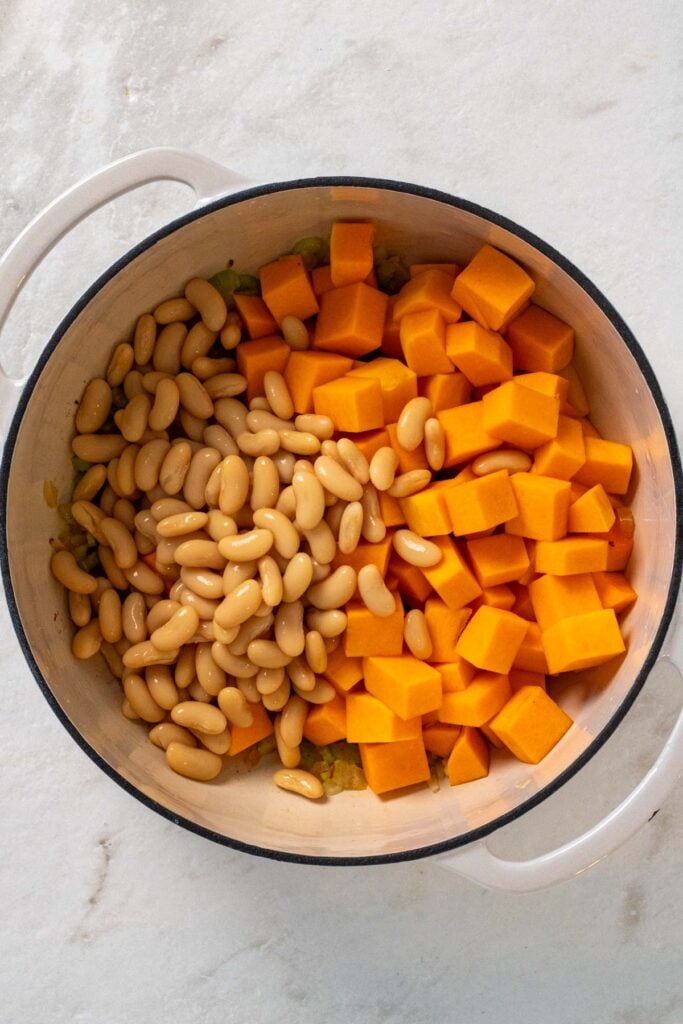
4. Enhance Appetite Regulation

While you might think exercising more might lead you to eat more, research suggests that a strategically programmed exercise program may enhance satiety signals by regulating hunger hormones (12, 13). This can help lead to better appetite regulation and increase the likelihood you will stick to your weight loss plan.

5. Increase Diet Flexibility

Increasing physical activity provides more leeway and diet flexibility when trying to lose weight. Exercising one, two, or a few times per week can help you expend anywhere from a couple hundred to a couple thousand more calories, which not only increases your energy expenditure but allows for more wiggle room for treats. Not only will this make losing weight easier, but it will make the entire process more enjoyable and sustainable.

Other Factors that Influence Weight Loss Success

In addition to diet and exercise, several other factors can influence the success of a weight loss program.

  • Consistency – Diet and exercise are integral to weight loss, however, if not managed consistently, losing weight will be very difficult. While a weight loss plan does not need to be executed perfectly 100% of the time, consistency and adherence are key for success.
  • Adaptation – The ability to adapt and be resourceful is a highly underrated factor in the success of a weight loss plan. When life throws you challenges, the more you can pivot and modify your plan to make things work the easier it will be for you to reach your weight loss goals.
  • Lifestyle – While these will not impede weight loss if a calorie deficit is created, lifestyle factors such as stress and sleep can affect the body’s BMR and, in turn, energy expenditure which can make weight loss much more challenging.

Benefits of Combining Diet and Exercise for Weight Loss

Research has shown that weight loss programs based on physical activity alone are less effective than programs that combine diet and exercise in both the short and long term (14, 15).

So, is diet or exercise better for weight loss?

While both diet and exercise play vital roles in weight loss, diet is the best way to manage caloric intake to create the calorie deficit required for weight loss to occur. Understanding how many calories you need to consume to create a calorie deficit, whether you choose to count calories or macros or not, is one of the best ways to support a weight loss goal.

The Bottom Line

In the diet vs. exercise for weight loss debate, diet is most important. While diet and exercise play valuable roles in weight loss, diet has a greater impact as it helps to directly manage calorie intake to create a calorie deficit which is the sole requirement for fat loss. That said, both diet and exercise should be utilized in a weight loss program, as they will help to enhance satiety signals, maximize metabolism, maintain and build muscle mass, and increase sustainability.

Green Goddess Cobb Salad

Published on July 27, 2024 by Stephanie Kay

Turn your next chicken recipe into a fun, healthy, and flavorful feast with this green goddess cobb salad. The Panera-inspired salad is easy to make and works well as a main course for lunch or dinner.
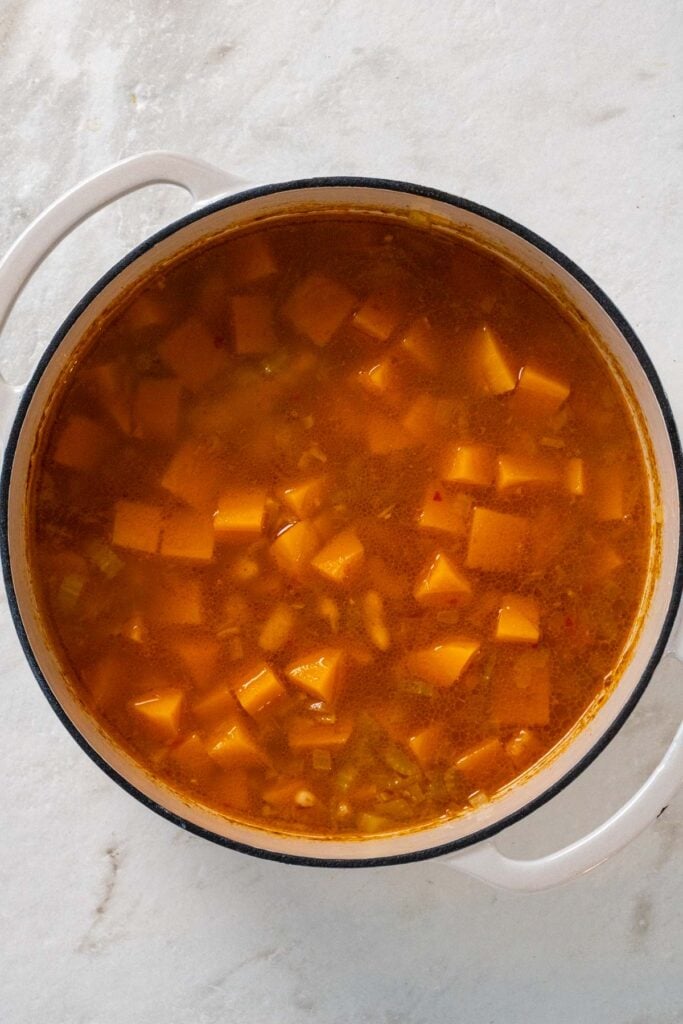
Two glass meal prep containers with green goddess cobb salad with a jar of green goddess salad dressing and a small bowl of basil.

If constantly find yourself ordering the Panera Green Goddess Cobb Salad, look no further than this recipe. The homemade green goddess dressing is the perfect way to elevate a basic cobb salad and keeps well in the fridge so you can enjoy it for days to come.

Plus, the combination of crunchy romaine, creamy avocado, crispy bacon, and juicy chicken in this Green Goddess cobb salad recipe ensures that this dish is a balanced meal filled with protein, fiber, and healthy fats.

Three glass meal prep containers with cobb salads with green goddess dressing with a fork, tea towel, jars of dressing, and a small bowl of basil.

Why You’ll Love It

  • Great for Meal Prep – The green goddess cobb salad recipe makes a large portion that can be enjoyed as a meal prep idea for easy lunches or as a main course for a family dinner.
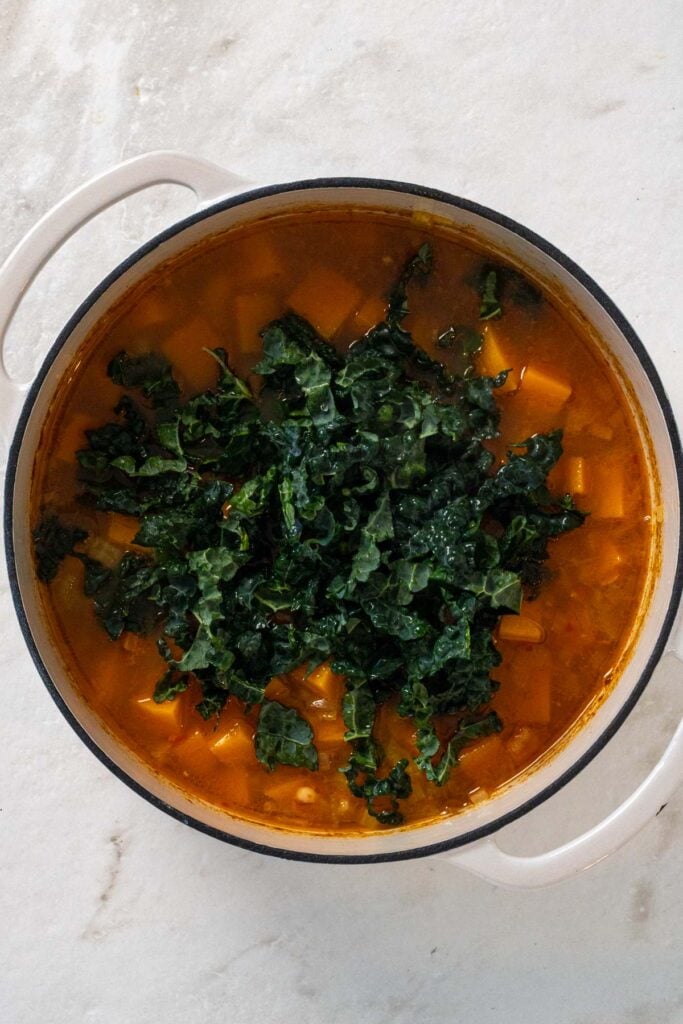
  • High in Protein – This healthy salad contains over 30 grams of protein per serving making it a great high-protein meal.
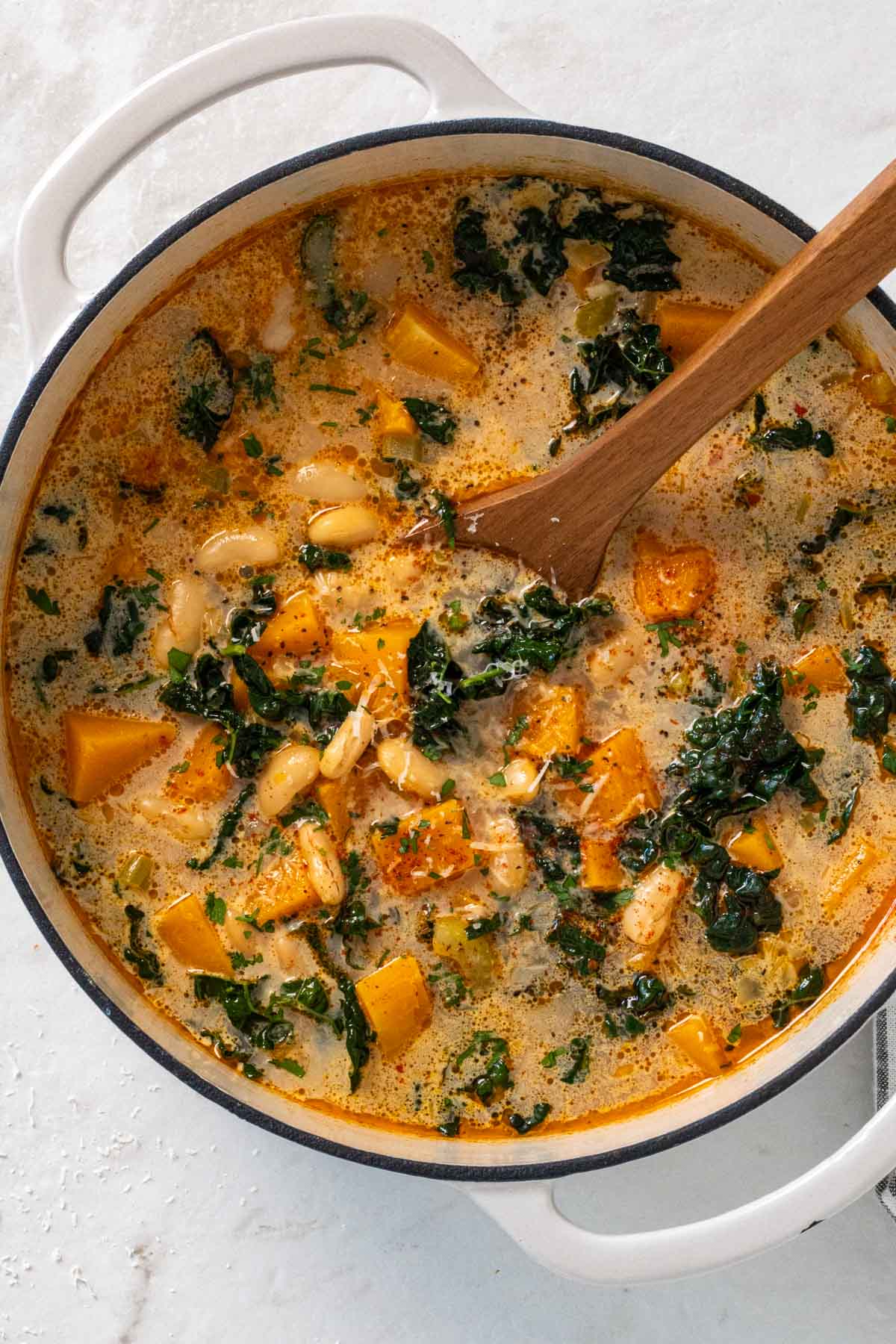
  • High in Fiber – The leafy greens, avocado, and green goddess dressing make this a low-carb recipe with 6 grams of fiber.
  • Full of Flavor – The combination of chicken, eggs, bacon, avocado, veggies, and green goddess dressing ensures that this salad is full of healthy fats, flavor, color, and texture in every bite.
Ingredients for Green Goddess Cobb Salad; chicken breasts, eggs, bacon, avocado, lettuce, tomato, red onion, yogurt, olive oil, fresh herbs, garlic, salt, and pepper.

Ingredients + Substitutions

  • Chicken – To add some protein to the salad. The recipe calls for chicken breast, but you can use chicken thighs if preferred, or you can use leftover chicken or rotisserie chicken if you want to cut down on prep time.
  • Bacon – To add some more protein and healthy fats. The recipe calls for pork bacon but you can use turkey bacon if desired.
  • Eggs – To add even more protein and healthy fats. The recipe calls for hard-boiled eggs, but you can cook them soft-boiled if you like.
  • Avocado – To add some healthy fats and fiber.
  • Lettuce – To make the base of the salad. I used romaine lettuce but you can use iceberg lettuce if preferred, or use a dark leafy green like spring mix, spinach, or arugula if preferred.
  • Tomatoes – To add some veggies. I used cherry tomatoes but you can use grape tomatoes or whole tomatoes if desired.
  • Red Onion – To add some color and crunch. I added raw red onion but you could make pickled red onions if preferred.
  • Plain Yogurt – To make the creamy green goddess dressing. You can use plain yogurt or Greek yogurt, both will work well.
  • Olive Oil – To add some healthy fats to the dressing and cook the chicken.
  • Lemon Juice – To balance the dressing with some acid. I use fresh lemon juice but lemon concentrate, apple cider vinegar, or red wine vinegar will also work well.
  • Fresh Herbs – To make the herby green goddess dressing. Any combination or ratio of cilantro, parsley, basil, dill, and/or mint will work.
  • Garlic – To flavor the dressing. The recipe calls for a garlic clove but you can use garlic powder if needed, see the notes section of the recipe card for details.
  • Salt and Pepper – To season the dressing and the salad.

Although I didn’t add any, you could add some blue cheese or feta cheese to the salad to add some additional protein and fat.

Dietary Adaptions

To Make it Gluten-Free: Ensure you are using certified gluten-free bacon.

To Make it Dairy-Free: Swap the yogurt for mayonnaise.

Blender with yogurt, olive oil, lemon juice, garlic, basil, parsley, salt, and black pepper.
Blender with homemade green goddess dressing.

How to Make Homemade Green Goddess Dressing

Green goddess salad dressing is very easy to make and a great way to add some healthy fats to a classic cobb salad. Simply combine yogurt, olive oil, lemon juice, fresh herbs, garlic, salt, and pepper in a small food processor or blender and blitz until smooth.

Red’s Nutrition Tip

This green goddess cobb salad is a great source of protein, fiber, and healthy fats. If you wanted to make it a more well-balanced meal or stretch it into more portions, I would recommend serving it with a source of complex carbohydrates, such as a side of bread or pita, or add some cooked rice or roasted potatoes to the salad.

Four glass containers with Panera copycat green goddess cobb salad.

Storage

Once prepped, the salad can be stored in airtight containers in the fridge for up to 4 days and the dressing can be stored in a seperate airtight jar for up to 1 week. Depending on the ripeness of your avocado, you may want to wait to add it until you are ready to eat, as it can brown if it’s too ripe.

Copycat Panera green goddess cobb salad with dressing drizzled on top.

More Chicken Salad Recipes:

  • Buffalo Chicken Salad
  • Curried Chicken Salad
  • Strawberry Chicken Salad


  • Previous
  • 1
  • …
  • 11
  • 12
  • 13
  • 14
  • 15
  • …
  • 58
  • Next
Stephanie Kay Nutrition

Hey, I’m Stephanie

– AKA RED –

I’m a nutritionist on a mission to change the way you look at food and teach you how to make real food work for real life in a realistic way.

Get to Know Me

Want A 7-Day Meal Plan?

Download my free 7-day meal plan, complete with a grocery list, for a week’s worth of easy healthy recipes that make real food work for real life.

    • facebook
    • instagram
    • pinterest

    Shop My Cookbooks

    My eCookbooks are filled with quick and easy real food recipes to help make eating well a breeze so you can crush your goals.

    Learn More

    Recipes

    • Dinner
    • Breakfast
    • Meal Prep
    • Snacks

    Nutrition

    • FAQs
    • Tips
    • This vs. That
    • Weight Loss

    Connect

    • Instagram
    • Youtube
    • About
    • Cookbooks

    About Stephanie

    I’m a nutritionist on a mission to change the way you look at food and teach you how to make real food work for real life in a realistic way.

    Learn More

    Site Credits
    2023 © Stephanie Kay Nutrition | Privacy Policy
    To Top