Stephanie Kay Nutrition

Stephanie Kay Nutrition

Real Food for Real Life

  • recipes
    • all recipes
    • Breakfast
    • Lunch
    • Dinner
    • Soups & Stews
    • Salads
    • Sides
    • Snacks
  • nutrition
    • All Articles
    • Tips
    • FAQs
    • This vs. That
    • How To/Guides
    • Weight Loss
  • resources
    • 10 Days of Nutrition
    • 7-Day Meal Plan
    • Balanced Meal Guide
    • 5-Ingredient Cookbook
    • Lunch Box Cookbook
  • About
    • About Steph
    • Contact
  • recipes
    • all recipes
    • Breakfast
    • Lunch
    • Dinner
    • Soups & Stews
    • Salads
    • Sides
    • Snacks
  • nutrition
    • All Articles
    • Tips
    • FAQs
    • This vs. That
    • How To/Guides
    • Weight Loss
  • resources
    • 10 Days of Nutrition
    • 7-Day Meal Plan
    • Balanced Meal Guide
    • 5-Ingredient Cookbook
    • Lunch Box Cookbook
  • About
    • About Steph
    • Contact
  • Dinner
  • Breakfast
  • Meal Prep
  • Nutrition Tips
  • facebook
  • instagram
  • pinterest
  • youtube

How To Practice Mindful Eating

Published on November 12, 2024 by Stephanie Kay

Whether you want to lose weight, gain weight, or simply improve your eating habits, mindful eating is a tool that can help you foster a better relationship with food and yourself. Here are some tips on how to practice mindful eating.

Woman cutting a tomato on a wood cutting board with a kale and salad on the side.

Table of contents

  • What is Mindful Eating?
  • Mindful Eating vs. Mindless Eating
  • The 3 Principles of Mindful Eating
    • 1. Be aware.
    • 2. Be present.
    • 3. Be non-judgmental.
  • Benefits of Mindful Eating
  • How to Practice Mindful Eating
    • 1. Honor the food.
    • 2. Engage all of your senses.
    • 3. Plate your food.
    • 4. Eat sitting down.
    • 5. Chew and eat slowly.
    • 6. Eat without distractions.
    • 7. Socialize over food.
    • 8. Respect your hunger cues.
  • A Mindful Eating Exercise
  • FAQs

What is Mindful Eating?

Mindful eating is an approach to eating that focuses an individual’s attention and sensual awareness on their food and eating experience (1). Mindful eating stems from the from the border Buddhist practice of mindfulness; a technique that involves being aware of the present moment without judgment.

Unlike dieting, mindful eating has little to do with weight loss, nutrition, calories, carbohydrates, protein, or fat. The purpose of mindful eating is to foster a healthy relationship with food by encouraging individuals to be fully present in their eating experience and savor their food.

Infographic on what is mindful eating and a comparison of mindful eating vs. mindless eating.

Mindful Eating vs. Mindless Eating

While it might seem obvious, mindful eating is the difference between mindless eating and conscious eating. Mindless eating often occurs when we are distracted, multitasking, or eating too quickly.

When we eat mindlessly, we ignore the who, what, where, when, why, and how of our eating experience (2). This often leads us to eat with little regard for our hunger cues, eat alone or in random places, eat to soothe our emotions, and eat while we are busy doing other tasks. Research has shown that mindless eating is associated with associated with anxiety, overeating, and weight gain (3).

Similar to intuitive eating, the practice of mindful eating helps to make eating an intentional act instead of an automatic one. While the terms intuitive eating and mindful eating are often used interchangeably, they are slightly different frameworks. Although they both help to foster a healthy relationship with food, mindful eating focuses on bringing awareness to our eating experience, while intuitive eating focuses on eating based on internal cues, satisfaction, and the health of the mind and body beyond mealtime. Mindful eating practices can help to promote and support more intuitive eating.

The 3 Principles of Mindful Eating

The fundamental principles of mindless eating are (2):

1. Be aware.

Eating mindfully involves bringing full awareness to every bite of food. This requires you to pay attention to your experiences, behaviors, and emotions while you are eating. You can bring more awareness to your eating experience by focusing on the what, when, and why. This involves being aware of the nurturing nature of food, your sensory experience, and your physical hunger and satiety cues to guide decisions on when to start and stop eating.

2. Be present.

As you eat, work to be in the present moment by paying attention to the where, who, and how of your eating experiences. To be fully present while eating it’s important to plate your food, sit down at a table, eat and chew slowly, and remove all digital distractions, such as phones, TVs, or computers. You can also be more present by focusing on engaging with the people and space around you.

3. Be non-judgmental.

One of the most important aspects of practicing mindful eating is to develop a non-judgmental mindset toward foods and eating habits. An example of this is to avoid labeling foods as “good” or “bad” and specific meals as “cheat meals”. This requires you to acknowledge your responses to food and focus on the process of eating instead of judging yourself as you eat.

Benefits of Mindful Eating

While there is still much more research to be done on mindful eating, as there is no current standard for what defines mindful eating behavior, some of the proposed benefits include (4, 5, 6, 7, 8):

  • Promotes a better relationship with food
  • Increases satisfaction with food
  • Reduces stress around food choices and dietary habits
  • Increased awareness of hunger and fullness
  • Decreases in emotional eating behaviors
  • May aid in weight loss programs
Infographic with tips on how to practice mindful eating.

How to Practice Mindful Eating

Here are some tips and ways to practice mindful eating.

1. Honor the food.

Before you start to eat, take a moment to honor the food by acknowledging where the food came from and who prepared the meal.

2. Engage all of your senses.

Notice every sensory experience you experience while eating. Consider the smells, colors, sounds, tastes, temperatures, and textures of your food and your surroundings as you eat.

3. Plate your food.

Instead of eating out of the package, bag, or takeaway container, serve your food on a plate or bowl. This can also help to bring more awareness to the serving sizes and portion sizes of food and help to practice portion control in the process.

4. Eat sitting down.

Instead of eating in the car or while walking around the kitchen, plate your food and sit down at a table to enjoy your meal or snack. While there are certainly times you may need to eat on the go, the more you can eat your meal sitting down the more you can practice mindful eating.

5. Chew and eat slowly.

Savor your food by slowing down and chewing thoroughly. Not only does chewing enhance the mechanical digestion of your food, but it increases your experience of the food and slows down the next bite. Put your fork or spoon down between bites and savor the flavors and textures before you move on to the next.

6. Eat without distractions.

Do your best to eliminate digital distractions while eating, this includes TVs, phones, computers, and any other screens. Research has shown that people are more prone to overeating in the absence of hunger while distracted in front of screens and that prolonged leisure screen time may lead to overconsumption of unhealthy foods, particularly in children and adolescents (9, 10).

7. Socialize over food.

Whenever possible, use your meals as an opportunity to share and connect with others. While food is fuel and nourishment for our bodies, it also nourishes us mentally and emotionally through culture and community.

8. Respect your hunger cues.

Before, during, and after you eat, pay attention to your body and how you feel. Is your tummy growling? Do you feel satisfied and comfortable? Or do you feel stuffed or a little too full? The hunger-fullness scale is an intuitive eating tool that can help you get more in tune with your natural cues and help to distinguish between physical and emotional hunger.

A Mindful Eating Exercise

Here is an example of questions you can ask yourself to practice mindful eating. The next time you eat a handful of almonds, ask yourself these simple questions:

  • Look at the almonds; what do they look like?
  • Roll the almonds around in your hand; how do they feel?
  • Sniff the almonds; what do they smell like?
  • Have you put the almonds in a bowl?
  • Are you sitting down?
  • How slowly can you eat the almonds?
  • Have the almonds satisfied your hunger?

The food you eat has a story and the more pieces of the story you know the more it will help you eat mindfully.

FAQs

What are the 5 S’s of mindful eating?

The 5 S’s of mindful eating are to sit, slow down, savor, simplify, and smile.

Can you lose weight with mindful eating?

While weight loss is not the objective, the principles and practices of mindful eating can help bring awareness to your eating habits, get more in touch with your hunger and fullness cues, help you make better food choices, and support weight loss in the process.

What foods are good for mindful eating?

There are no specific foods required to eat mindfully. The practice of mindful eating can be applied to all food choices, including healthy foods and processed foods.

The Bottom Line

Mindful eating is an approach to eating that focuses an individual’s attention and sensual awareness on their food and their experience of eating. The practice of mindful eating can help reduce stress around food, increase awareness of hunger and fullness, and decrease emotional eating behaviors, which can lead to a healthier relationship with food and healthier food choices. You can practice mindful eating by honoring your food, engaging your senses, plating your food, chewing and eating slowly, and eating without digital distraction.

8 Benefits of Organ Meat

Published on November 10, 2024 by Stephanie Kay

Organ meats such as liver, kidney, and heart are some of the most nutrient-dense foods on the planet. While they are not as popular as they once were, adding them to your diet can help increase your energy levels and improve your overall health. Here is a list of the health benefits of organ meat.

Bowl of chicken livers with onion, garlic, carrots, salt, and peppercorns.

Table of contents

  • What is organ meat?
  • Types of Organ Meats
  • Health Benefits of Organ Meats
    • 1. Good Sources of Protein
    • 2. Full of Healthy Fats
    • 3. Rich in Essential Minerals
    • 4. Rich in Fat-Soluble Vitamins
    • 5. Rich in Collagen
    • 6. May Increase Energy
  • Other Benefits of Organ Meats
    • 7. Inexpensive
    • 8. Sustainable
  • Nutrition of Organ Meats
  • Does quality matter?
  • Can you eat too much organ meat?
  • How often should you eat organ meat?

What is organ meat?

Organ meats, also known as “offal”, are the edible internal organs and entrails of a butchered animal. The most commonly consumed organ meats are from cows, pigs, lambs, goats, chickens, and ducks.

Although organ meats are mostly overlooked in North America, as muscle meats such as chicken breasts and steak are most popular, they were once commonly consumed and remain a cherished part of non-Western cultures and cuisines.

Infographic of list of the types of organ meats.

Types of Organ Meats

Some of the most popular organ meats include:

  • Liver
  • Heart
  • Kidney
  • Tongue
  • Tripe
  • Sweetbreads (Pancreas and Thymus)
  • Intestines
  • Gizzards
  • Testicals
  • Brain
  • Lung
  • Blood, Bones, and Skin

Organ meats are also commonly used in certain food products, such as:

  • Sausages: Natural sausage casings are made from intestines.
  • Pâté: Traditional pâté and terrine are made from pork, duck, or chicken liver with various herbs and spices.
  • Bone Broth: Authentic bone broth is made by boiling beef, pork, or chicken bones.
  • Pork Rinds: Also known as pork scratchings or pork crackling, pork rinds are made from fried pork skin.
Infographic on the benefits of organ meat.

Health Benefits of Organ Meats

Here is a list of the primary organ meat health benefits:

1. Good Sources of Protein

Many organ meats are good sources of animal protein containing all essential amino acids. The liver, heart, and tongue are among the highest protein organ meats, and certain forms of bone broth contain moderate to high levels of protein. Per 100-gram serving, beef liver contains 20.4 grams of protein, beef heart contains 17.7 grams of protein, and beef tongue contains 14.9 grams of protein (1, 2, 3).

2. Full of Healthy Fats

Certain organ meats, such as liver and kidney, are good sources of healthy fats, including omega-3 fatty acids, arachidonic acid, and alpha-lipoic acid. They are also good sources of dietary cholesterol and saturated fat, which, contrary to popular belief, are an important part of a healthy diet, although they should be consumed in moderation. A 100-gram serving of beef liver contains 0.016 milligrams of omega-3 fatty acids, and a 100-gram serving of beef kidney contains 0.013 milligrams of omega-3 fatty acids (1, 4).

3. Rich in Essential Minerals

Organ meats are some of the best food sources of minerals such as iron, magnesium, zinc, selenium, and copper. These minerals play various vital roles in our overall health including red blood cell production, oxygen transport, nerve and muscle function, immune health, thyroid function, reproductive health, and bone health, among others (5, 6, 7, 8, 9). A 100-gram serving of chicken liver contains 8.9 milligrams of iron (50% DV), 54.6 milligrams of selenium (99% DV), 0.5 milligrams of copper (57% DV), and 2.7 milligrams of zinc (24% DV) (10).

4. Rich in Fat-Soluble Vitamins

Organ meats are also great sources of vitamins, including fat-soluble vitamins A, D, E, and K. Certain organ meats, such as liver, are particularly rich in B vitamins, such as vitamin B12 and folate, which are less readily available in other animal and plant foods. A 100-gram serving of raw beef liver contains 4,970 milligrams of vitamin A (552% DV), 59.3 milligrams of vitamin B12 (2471% DV), and 290 milligrams of folate (73% DV) (1).

5. Rich in Collagen

Collagen is naturally found in certain animal foods; however, Type I collagen is particularly concentrated in certain organ meats. On average, organ meats contain 1.5 to 3 times more collagen than muscle meats, and it is particularly concentrated in the skin and bones. While not considered organs, oxtails or pork tails are offal and great sources of collagen. A 1-cup serving of beef bone broth averages 5 grams of collagen, but this can vary by brand (11).

6. May Increase Energy

For some people, organ meats can help to increase energy levels. Fatigue and lack of energy are one of the main side effects of iron deficiency and organ meats, namely liver, are one of the best sources of iron (5). Moreover, micronutrients such as copper, folate, and vitamin B1, and antioxidants such as coenzyme Q10 (CoQ10), are known to aid in energy production and can, therefore, help to increase energy levels (12).

Other Benefits of Organ Meats

In addition to their health benefits, organ meats are:

7. Inexpensive

Compared to muscle meats, organ meats are much cheaper. In some cases, organ meats and offal are 50% less expensive than traditional cuts of meat such as chicken breasts, beef steak, or pork tenderloin.

8. Sustainable

Eating organ meat helps to promote nose-to-tail eating and reduce food waste. According to some research, choosing more offal cuts and organ meats could reduce livestock emissions by as much as 14% (13).

Nutrition of Organ Meats

Here is a nutrition comparison of muscle meat vs. organ meat, including raw beef steak, raw beef liver, and raw beef kidney per 100-gram serving, based on the current daily value (DV) (14, 1, 4, 15):

NutrientBeef SteakBeef LiverBeef Kidney
Protein22.1 grams20.4 grams17.4 grams
Fat4.1 grams3.6 grams3.1 grams
Vitamin A0%552%47%
Thiamin6%16% 30%
Riboflavin9%212%218%
Niacin43%83%50%
Pantothenic Acid13%143%79%
Vitamin B64%6%4%
Folate3%73%25%
Vitamin B12 45%2471%1146%
Copper8%1084%47%
Iron9%27%26%
Magnesium5%4%4%
Phosphorus17%31%21%
Potassium7%7%6%
Selenium49%72%256%
Zinc37%36%17%

Does quality matter?

It is important to choose high-quality organ meats from reputable sources. Aside from moral implications, organ meats obtained from healthy, well-raised, pastured animals will help to ensure that they are the most nutrient-dense possible. Animals raised in unhealthy settings or exposed to toxic substances may accumulate toxins in their organs, such as fatty deposits in their heart and kidneys. For this reason, it is best to opt for organic organ meats from pastured animals whenever possible.

Can you eat too much organ meat?

While organ meats provide many health benefits, because they are so nutrient-dense, you can consume too much. The potential risks of eating organ meats include:

  • Excess Vitamin A: Consuming too much vitamin A can cause headaches, nausea, and dizziness, and excess intake can cause liver damage and birth defects in pregnant women (16).
  • Excess Iron: Consuming too much iron can cause toxicity and organ damage (5).
  • High Purine: Individuals with gout should avoid organ meats as they are high in purines, a molecule associated with gout flare-ups (17).
  • Fatty Liver Disease: A higher organ meat intake has been associated with a higher chance of developing nonalcoholic fatty liver disease (NAFLD) (18).
  • Cardiovascular Disease: Certain organ meats are high in saturated fat, which has been correlated with an increased risk of heart disease.
  • Mad Cow Disease: Brain and spinal cord meat is known to transmit rare diseases, such as Mad Cow Disease. Fortunately, the likelihood of getting it from North American beef organ meat is extremely low due to tight regulations on the industry (19, 20).

How often should you eat organ meat?

Organ meats should be consumed in moderation within a healthy and balanced diet. Consuming a 3 to 5-ounce portion of high-quality organ meats once per week as part of your protein intake can help to increase your intake of essential nutrients with minimal risk.

The Bottom Line

Organ meats are the edible internal organs of a butchered animal, such as the liver, heart, kidney, and bones. Organ meat is more nutrient-dense than muscle meat and offers a range of health benefits including a high concentration of protein, healthy fats, vitamins, minerals, and collagen. It is best to opt for organ meats from reputable, high-quality sources and consume them in moderation as part of a balanced diet.

Spicy Roasted Chickpea and Veggie Bowls

Published on November 7, 2024 by Stephanie Kay

Covered in flavorful tahini dressing and loaded with veggies, these spicy roasted chickpea and veggie bowls are filled with colors, flavors, and texture. Not to mention, they are packed full of plant-based protein and fiber making them great for meal prep.

Two spicy roasted chickpea and veggie bowls with a fork, a tea towel, lemon wedges, and a glass of water.

While salads are a great way to add more veggies to your diet, they can be less than appealing in the colder months. Fortunately, you can turn salads into a hearty, healthy, and heartwarming fall or winter meal with these roasted chickpea veggie bowls.

Filled with crispy chickpeas, roasted vegetables, whole grains, and vegetables, and covered in a creamy tahini sauce, these bowls can help you eat your veggies while keeping warm. They are quick and easy to make, making them perfect for family dinners, and they also work well as make-ahead lunches for busy workdays.

Overhead image of of two spicy roasted chickpea and veggie bowls with turmeric tahini dressing, lemon, and green onions with a gold fork and tea towel on the side.

Why You’ll Love Them

  • Quick and Easy – With minimal prep required, these bowls are perfect for a weeknight meal.
  • High in Fiber – With over 15 grams of fiber per bowl, they are sure to fill you up.
  • Full of Flavor – The combination of spices and turmeric tahini sauce ensures that every bite is filled with flavor.
  • Great for Meal Prep – This spicy roasted chickpea veggie bowl recipe keeps well in the fridge and freezer making it a wonderful make-ahead meal.
Ingredients for chickpea and veggie bowls: brown rice, chickpeas, spices, cabbage, kale, sweet potatoes, and turmeric tahini dressing.

Ingredients + Substitutions

  • Chickpeas – To add some vegetarian protein and fiber. The recipe calls for canned chickpeas, but you can cook your own if preferred, see the notes section of the recipe card for details.
  • Sweet Potatoes – To add some complex carbohydrates and fiber, butternut squash would also work well.
  • Brown Rice – To add some more complex carbohydrates and fiber, white rice or quinoa would also work well.
  • Kale – To add some greens, fiber, and micronutrients. The recipe calls for kale but you can use any leafy greens you like; spinach would also work very well.
  • Cabbage – To add some crunch and more fiber. I used red cabbage but green cabbage or shredded Brussel sprouts would also work.
  • Green Onion – While optional, they make a good topping, red onion would also work well.
  • Spices – A combination of chili powder, cumin, and garlic powder to create a spice mix for the chickpeas, and some ground turmeric to flavor the tahini sauce. If you don’t have chili powder, you can use smoked paprika instead, and if you don’t have ground turmeric, you can use curry powder instead.
  • Olive Oil – To add some healthy fats and roast the chickpeas.
  • Tahini – To make the dressing.
  • Lemon Juice – To balance the flavors or the dressing. Lime juice, apple cider vinegar, and red wine vinegar will also work well.
  • Maple Syrup – To add a hint of sweetness to the dressing, although it’s optional. Honey and agave nectar will also work well.
  • Salt and Pepper – To season the chickpeas and veggies.
White bowl of chickpeas with chili power, cumin, and salt.
White bowl of chickpeas tossed in spices.

Dietary Adaptions

To Make them Gluten-Free: No adaptations are needed, this recipe is gluten-free.

To Make them Dairy-Free: No adaptations are needed, this recipe is dairy-free.

Baking sheet with spice covered chickpeas and cubed sweet potato covered in olive oil.

Red’s Nutrition Tip

While there are many ways to add protein to a salad, when making a vegetarian meal, it’s important to be strategic with plant-based protein sources to ensure you are creating a high-protein meal. By combining legumes (chickpeas) with grains (brown rice) you can ensure you are creating a complete protein with all essential amino acids.

Close of up a chickpea and veggie bowl with creamy turmeric dressing.

Serving Suggestions

These bowls are a balanced meal with protein, complex carbohydrates, fiber, and healthy fats. That said, you can easily adapt the recipe to suit your personal dietary needs, for instance:

  • To increase the protein content, swap one can of chickpeas for 1 block of extra-firm tofu, pressed, and cubed. Alternatively, you can add some grilled meat, such as chicken or steak, to the bowls.
  • To increase the fiber content, add more veggies, such as broccoli, green beans, and/or carrots to the bowls.
  • To reduce the fat content, use half the amount of olive oil on the chickpeas and sweet potato, and use less dressing on the bowls.
Spicy roasted chickpea and veggie bowl with turmeric dressing with a fork, green onion, and lemon wedges in the background.

Storage + Reheating

To Refrigerate: Allow the chickpeas, sweet potatoes, and rice to cool completely, then transfer to airtight containers for up to 5 days. The other vegetables and tahini dressing can be stored in a separate airtight container for up to 1 week.

To Freeze: Once cooled, the roasted chickpeas, sweet potatoes, and cooked brown rice can be stored in an airtight container in the freezer for up to 3 months. Freezing the other ingredients is not recommended.

To Reheat: The chickpeas, sweet potatoes, and brown rice can be reheated in a baking dish in the oven at 350°F for 5-10 minutes or in the microwave for 1-2 minutes.

More Chickpea Bowls:

  • Greek Chickpea Bowls
  • Turmeric Quinoa Meal Prep Bowls
  • Mediterranean Quinoa Bowls
Print
Two spicy roasted chickpea and veggie bowls with a fork, a tea towel, lemon wedges, and a glass of water.

Spicy Roasted Chickpea and Veggie Bowls

Author: Stephanie Kay

The spicy roasted chickpea veggie bowls with tahini sauce are a healthy and filling meal full of plant-based protein and fiber. Enjoy them for lunch, dinner, or an easy meal prep idea.

  • Author: Stephanie Kay
  • Prep Time: 10 minutes
  • Cook Time: 40 minutes
  • Total Time: 50 minutes
  • Yield: 4 bowls 1x
  • Category: Lunch
  • Method: Roasted
Print Recipe
Pin Recipe

Ingredients

Roasted Chickpeas:

  • 2 tablespoons olive oil
  • 2 cans (14 ounces) chickpeas, drained and rinsed
  • 2 small sweet potatoes, cut into 1/2-inch cubes
  • 2 teaspoons chili powder
  • 1 teaspoon ground cumin
  • 1 teaspoon garlic powder
  • 1/2 teaspoon salt

Bowls:

  • 1 cup brown rice
  • 4 cups kale, roughly chopped
  • 1/2 cup red cabbage, shredded
  • 1 green onion, sliced

Turmeric Tahini Sauce:

  • 1/4 cup tahini
  • 1/4 cup fresh lemon juice (about 1 lemon)
  • 1 clove garlic, minced
  • 1/2 teaspoon ground turmeric
  • 1 teaspoon maple syrup (optional)
  • 2 tablespoons water, plus more as needed
  • Salt
  • Pepper

Instructions

  1. In a pot, combine the brown rice with 2 cups of water and a pinch of salt. Bring to a boil, then reduce to a simmer, and allow to cook covered for 40 minutes, or as per package directions, until it can be fluffed with a fork.
  2. Preheat the oven to 425°F and grab a large baking sheet.
  3. In a large bowl, add the chickpeas, drizzle with 1 tablespoon of olive oil, sprinkle with chili powder, ground cumin, and salt, and toss until well combined. Transfer the chickpeas to the baking sheet.
  4. In the same bowl, add the cubed sweet potatoes, drizzle with the remaining olive oil, and toss to combine. Transfer to the sheet pan with the chickpeas, spreading everything out evenly.
  5. Transfer the baking sheet to the oven and cook for 20-25 minutes, tossing the chickpeas and flipping the sweet potatoes, until the chickpeas are crispy and the sweet potatoes tender.
  6. While the chickpeas and sweet potatoes are cooking, prepare the tahini sauce. In a small bowl, jar, or small food processor, add the tahini, lemon juice, minced garlic, turmeric, maple syrup, 2 tablespoons of water, and a pinch of salt, and whisk until well combined, adding additional tablespoons of water until the desired texture is reached. Taste and adjust seasoning as needed.
  7. Once the chickpea, sweet potatoes, and brown rice are cooked, remove them from the oven and assemble the bowls. Fill each bowl with a layer of brown rice, top with kale, cabbage, roasted chickpea, and sweet potatoes, drizzle with tahini sauce, and sprinkle with sliced green onions.
  8. Any leftovers can be cooled and stored in the fridge, unassembled, for up to 5 days or in the freezer for up to 3 months.

Notes

To Use Dry Chickpeas: Add 1 1/2 cups of dry chickpeas to a large bowl, cover with room temperature water, and soak overnight or for at least 8 hours. Once soaked, bring a large pot of salted water to a boil, add the soaked chickpeas, and cook them for 40 minutes to 1 hour until tender. Once cooked, strain and rinse the chickpeas and add them to the bowl as per step #3.

Nutrition

  • Serving Size: 1 bowl
  • Calories: 605 calories
  • Sugar: 5 grams
  • Fat: 21 grams
  • Carbohydrates: 89 grams
  • Fiber: 16 grams
  • Protein: 20 grams

Did you make this recipe?

Share a photo and tag us — we can’t wait to see what you’ve made!

Slow Cooker Lasagna Soup

Published on October 31, 2024 by Stephanie Kay

Made with lean ground beef, tomato sauce, and broken lasagna noodles, this slow-cooker lasagna soup is everything you love about lasagna in a bowl. Plus, it’s easy to make, high in protein, and a family-friendly recipe everyone can enjoy!

A bowl slow-cooker lasagna soup with a spoon with ricotta cheese, parmesan cheese, and fresh basil on top.

If you love lasagna but hate all of the prep work and time required to make it, my friend, this recipe is for you! This easy crockpot lasagna soup recipe is filled with the comforting flavors and texture of lasagna but only requires a fraction of the effort.

And the best part is, it’s a great way to use up all of those broken lasagna noodles that end up at the bottom of the box. Whether you choose to save them up and break a few extra noodles to make this recipe, it’s sure to become a heartwarming meal that is perfect for a cold fall or winter day.

Why You’ll Love It

  • Easy to Make – With minimal prep time and hands-off cook time, this slow-cooker lasagna soup is very simple to prepare.
  • High in Protein – With 40 grams of protein per serving, this recipe makes a filling and hearty soup that is perfect for lunch or dinner.
  • Great for Meal Prep – This crockpot lasagna soup keeps well in the fridge and freezer making it a great make-ahead meal.
Ingredients for slow-cooker lasagna soup: lean ground beef, onion, red bell pepper, garlic, basil, oregano, salt, crushed tomatoes, diced tomatoes, tomato paste, beef broth, parmesan cheese rinds, lasagna noodles, and fresh spinach.

Ingredients + Substitutions

  • Ground Beef – To add some protein. I used lean ground beef but you can use Italian sausage, Italian turkey sausage, or ground turkey if preferred.
  • Onion and Garlic – To build flavor. I used a whole onion and garlic cloves, but you can use powder if preferred. See the notes section of the recipe card for details.
  • Bell Pepper – To add more veggies. The recipe calls for a red bell pepper, but you can use any color you like or omit it completely.
  • Tomatoes – To build the soup and add some veggies. The recipe calls for a combination of crushed tomatoes, diced tomatoes, and tomato paste, however, you can use prepared tomato sauce or marinara sauce if preferred. See the notes section of the recipe card for details.
  • Beef Broth – To make the soup broth. The recipe calls for beef broth, but you can use chicken broth, vegetable broth, or water if desired.
  • Herbs – A combination of dried basil, oregano, and red pepper flakes to season the soup.
  • Lasagna Noodles – To add some complex carbohydrates and fiber, and ensure this soup is a lasagna soup. You can use regular or whole wheat pasta lasagna noodles.
  • Spinach – To add some leafy greens and micronutrients. The recipe calls for fresh spinach but you can use frozen spinach if needed, see the notes section of the recipe card for details.
  • Cheese – Although optional, I recommend adding a parmesan rind to the slow cooker to flavor the soup, and a combination of ricotta cheese, parmesan cheese, and/or mozzarella cheese to serve the soup.
  • Fresh Basil – To serve, although optional.
  • Salt and Pepper – To season the soup.
Slow cooker with cooked ground beef.
Slow cooker with cooked ground beef, spices, onion, red bell pepper, and garlic.

Dietary Adaptions

To Make it Gluten-Free: Use gluten-free pasta and gluten-free beef broth or water.

To Make it Dairy-Free: Omit the parmesan rind in the recipe and omit the ricotta, mozzarella, and parmesan cheese to serve.

Slow cooker with cooked ground beef, spices, veggies, and tomato sauce.
Slow cooker with cooked ground beef, spices, veggies, tomato sauce, and beef broth.

Red’s Nutrition Tip

While I used traditional lasagna noodles, you can use white or whole-wheat pasta noodles in the recipe. Whole wheat pasta is often considered “healthier” than white pasta, as it’s slightly higher in fiber and nutrients, it does contain more antinutrients which can be harder for some individuals to digest. At the end of the day, the best option is the option that works best for you!

Slow cooker with ground beef soup with broken lasagna noodles and spinach.
Slow cooker with cooked crockpot lasagna soup recipe.

Serving Suggestions

This slow-cooker lasagna soup is a well-balanced meal with protein, carbohydrates, fiber, and healthy fats and can be enjoyed on its own or as part of a larger meal. Moreover, you can adapt the recipe to suit your personal calorie and macronutrient needs.

  • To reduce the calorie content, use lean ground beef or swap the ground beef for ground turkey or ground Italian sausage.
  • To make it low-fat, swap the ground beef for lean ground beef or ground turkey and omit the ricotta and parmesan cheese.
  • To make it low-carb, use low-carb lasagna noodles or swap the noodles for zucchini noodles.
  • To make it higher in fiber, add an additional 1-2 cups of spinach and serve the soup with a side salad or steamed vegetables.
  • To increase the calorie content, increase the serving size to a larger portion size and serve the soup with a side of Italian bread or garlic bread.
Two bowls of crokpot lasagna soup with a side of ricotta cheese, parmesan cheese, and fresh basil.

Storage + Reheating

To Refridgerate: Allow the soup to cool completely, transfer it to an airtight container, and store it in the refrigerator for 3-4 days.

To Freeze: Once cooled, leftover lasagna soup can be stored in a freezer-safe container for up to 3 months.

To Reheat: Reheat the soup in a pot on the stovetop on medium heat for 5 minutes or until warm, or in the microwave for 1-2 minutes. If using frozen leftovers, allow the stew to thaw completely before reheating.

Close up of a white bowl of crockpot lasagna soup with a spoon.

More Easy Slow-Cooker Recipes:

  • Slow-Cooker Chicken Stew
  • Slow-Cooker Chickpea Chicken Soup
  • Slow-Cooker Vegetarian Chili
Print
A bowl slow-cooker lasagna soup with a spoon with ricotta cheese, parmesan cheese, and fresh basil on top.

Slow Cooker Lasagna Soup

Author: Stephanie Kay

Made in a crockpot with pantry staples, this easy lasagna soup recipe is full of flavor, high in protein, and a great recipe for healthy make-ahead meals.

  • Author: Stephanie Kay
  • Prep Time: 10 minutes
  • Cook Time: 4 hours
  • Total Time: 4 hours 10 minutes
  • Yield: 4 servings 1x
  • Category: Dinner
  • Method: Slow Cooker
Print Recipe
Pin Recipe

Ingredients

  • 1 tablespoon olive oil
  • 1 pound lean ground beef
  • 1 onion, diced
  • 4 cloves garlic, minced
  • 1 red bell pepper, seeded and diced
  • 1 teaspoon dried basil
  • 1 teaspoon dried oregano
  • 1 teaspoon salt
  • 1/2 teaspoon red pepper flakes (optional)
  • 1 can (14 ounces) crushed tomatoes
  • 1 can (14 ounces) diced tomatoes
  • 2 tablespoons tomato paste
  • 5 cups beef broth, or water
  • 1 parmesan rind (optional)
  • 8 ounces lasagna noodles, broken into bite-size pieces (8-10 sheets)
  • 2 cups spinach, roughly chopped

To Serve:

  • Ricotta cheese
  • Mozzarella cheese
  • Parmesan cheese, grated
  • Fresh basil, roughly chopped

Instructions

  1. In a large skillet, warm the olive oil, add the ground beef, and cook for 6-9 minutes, breaking it up with a spatula, until browned and cooked through. Note: If the slow cooker has a removable stovetop-safe pot, you can place it directly on the stovetop top, cook the ground beef directly in the removable pot, and then return it to the slow cooker base.
  2. Transfer the cooked ground beef to the slow cooker, then add the diced onion, red bell pepper, garlic, dried oregano, dried basil, red pepper flakes, and salt, and stir to combine.
  3. Add the crushed tomatoes, diced tomatoes, tomato paste, and beef broth or water to the slow cooker and stir until well combined, then drop the parmesan rind in.
  4. Cover the slow cooker with a lid and cook on low for 7-8 hours or on high for 3-4 hours.
  5. Once cooked, add the broken lasagna noodles and spinach to the slow cooker, stir to submerge in the broth, and cook for a final 10-15 minutes on high until the noodles are tender and the spinach is wilted. Remove the parmesan rind, taste, and adjust seasoning as needed.
  6. The slow cooker lasagna soup can be served immediately with a dollop of ricotta cheese and freshly grated mozzarella or parmesan on top, and a sprinkle of fresh basil. Any leftover soup can be cooled and stored in the fridge for up to 5 days or in the freezer for up to 3 months.

Notes

To Use Onion Powder: Swap the onion for 1 teaspoon of onion powder.

To Use Garlic Powder: Swap the garlic cloves for 2 teaspoons of garlic powder.

To Use Italian Seasoning: Swap the basil, oregano, and red pepper flakes with 2 1/2 teaspoons of Italian seasoning.

To Use Tomato Sauce or Marinara Sauce: Swap the canned and diced tomatoes for 1 jar (28 ounces) or tomato sauce or marinara sauce.

To Use Frozen Spinach: Thaw 1/4 cup of frozen spinach, press out as much water as possible, and add it to the recipe as per step #5 to warm it and remove any excess water.

Nutrition

  • Serving Size: 1 serving
  • Calories: 488 calories
  • Sugar: 14 grams
  • Fat: 9 grams
  • Carbohydrates: 64 grams
  • Fiber: 7 grams
  • Protein: 40 grams

Did you make this recipe?

Share a photo and tag us — we can’t wait to see what you’ve made!

Does the Body have a Set Point Weight?

Published on October 29, 2024 by Stephanie Kay

Whether you’re trying to lose weight, gain weight, or maintain a healthy weight, you may have noticed your body tends to settle around a specific weight over time. This concept is known as the set point weight theory and may explain why some people struggle to maintain changes in body weight.

Woman about to step onto a bathroom scale.

Table of contents

  • What is the set point theory?
  • Does a body weight set point exist?
  • Factors that Influence Set Point Weight
    • Genetics
    • Height
    • Sex
    • Age
    • Metabolism
    • Hormones
    • Lifestyle Choice
    • Dietary Habits
    • Environment
  • Can you change your set point weight?
  • Tips to Alter or Improve Your Settling Point Weight
  • FAQs
Infographic on body weight set point theory 101.

What is the set point theory?

The set point weight theory is a scientific theory that suggests the human body has a predetermined weight or fat mass range (1). According to this theory, our weight is hardwired into our DNA and our body will aim to keep weight stable or within a specific weight range.

The concept of weight set point was first introduced in 1953, when scientist Gordon C. Kennedy proposed that body fat storage was regulated. This concept was further expanded upon in 1982 when nutritional researchers William Bennett and Joel Gurin used his findings to develop the set point theory.

However, a challenge was made to the set point theory when researchers D. Wirtshafter and J.D. Davis published a paper discussing how lifestyles habits and environments played an important role in the control of our body weight. Their research suggested that our body weight does not have a specific set point, but rather a settling point due to these factors, which are largely within our control (2).

Does a body weight set point exist?

The set point weight theory has long been a topic of debate; however, the overall body of research demonstrates that body weight is caused by a multitude of factors, not a pre-determined set point.

Body weight is determined by a combination of uncontrollable factors, including genetics, height, sex, and age, and controllable factors, including diet, activity level, lifestyle, and environment. While biology may determine the upper and lower limits of body weight, behavioral and environmental factors determine the specific settling point between those limits (3).

Infographic on factors that influence body weight set point.

Factors that Influence Set Point Weight

Here is a list of the factors that affect your set point weight.

Genetics

Personal genetics are the largest influencing factor of body weight settling point. Not only are some people genetically predisposed to have more lean body mass than others, but research has found large variations in body mass index (BMI) and body composition by ethnic groups (4, 5). Certain individuals can maintain lower body weight on similar diets due to genetic differences in metabolism, appetite regulation, and fat distribution (6).

Height

While height is primarily determined by genetic factors, it plays a role in body weight settling points. Put simply, taller people have more mass than shorter people.

Sex

Biological sex also plays a role in body weight settling point as bone density, muscle mass, and body fat naturally vary between men and women. Men generally have higher bone density and more muscle mass than women, and women naturally carry more body fat than men (7, 8).

Age

While genetics may predetermine a person’s weight range early in life, a person’s settling point weight can be influenced by their age. Not only do adults tend to lose weight as they age, especially through losses in muscle mass, but certain life stages, such as childbirth and menopause, can influence a person’s weight.

Metabolism

Metabolism regulates human body weight as our basal metabolic rate and total daily energy expenditure, along with diet, dictate whether your body is in a calorie deficit, which is required for weight loss, or a calorie surplus, which is required for weight gain.

Moreover, long-term dieting can lead to metabolic adaptation; a natural physiological process that reduces energy expenditure below predicted levels in response to weight loss (9). Also known as adaptive thermogenesis, metabolic adaption is a built-in safety mechanism that occurs to maintain biological homeostasis and protect the body from starvation if calorie intake, BMI, or weight drops too low.

Therefore, when you consume fewer calories while dieting, your body will gradually slow down your basal metabolic rate, making it more difficult to lose weight on the same calorie deficit, and will increase hunger signals in the process. This is one of the primary causes of weight loss plateaus.

Hormones

The hunger hormones leptin and ghrelin also play a role in set point theory and body weight settling points (10). Leptin and ghrelin work on a negative feedback loop to control food intake; leptin tells you when you’re full and ghrelin tells you when you’re hungry. These hormones are affected by adipose tissue (body fat) and the size of the individual cells controls body fat set point; as body fat decreases, leptin signals decrease, causing basal metabolic rate to decrease, which can cause body fat to return to the previous set point (11, 12).

Lifestyle Choice

Daily lifestyle habits also play a major role in body weight settling points. Everything from activity to exercise to sleep impacts body weight settling points and, generally speaking, a relaxed, well-slept, and active individual will have a lower body weight set point than a stressed, exhausted, and sedentary individual. Not to mention, lifestyle choices have a big impact on food choices, which is a major factor in body weight regulation.

Dietary Habits

Unsurprisingly, our diet has a huge impact on body weight settling point. Not only does food quantity influence body weight, as eating too much and too little affects weight, but the quality of our food and the macronutrient breakdown of our food choices influence both weight and body composition.

For instance, a diet with a high level of processed foods may lead to overconsumption of calories and cause weight gain in the long term. Moreover, the composition of protein, carbohydrates, and fats in our diet plays a major role in muscle mass, adipose tissue, and weight range.

Environment

Cultural and environmental barriers such as religious practices and the cost and availability of food can also influence body weight settling points.

Can you change your set point weight?

While genetics play a major role in your body weight, your set point is not fixed and, therefore, can be changed. As opposed to a fixed number, body weight operates in a range with healthy upper and lower limits, and the settling point between these limits is determined by controllable behaviors.

Our body weight settling point can be changed through the regular practice of healthy eating habits, calorie and macronutrient intake, exercise, and activity. While diet and exercise are important for weight loss, diet has a greater impact as it helps to directly manage calorie intake to create a calorie deficit, which is the sole requirement for weight loss.

That being said, exercise, specifically resistance training, is an effective tool to support weight loss, given it helps to build muscle mass, which is one of the key components in metabolism. Research has shown that individuals with increased muscle mass have a higher resting metabolic rate (RMR) (13). Moreover, resistance training is more likely to enhance fat loss than cardio, as resistance training will increase the energy you expend when you are not working out (14).

Tips to Alter or Improve Your Settling Point Weight

Here are important tips to change your body’s set point weight:

  • Have realistic expectations. Unfortunately, many people begin a weight loss journey with unrealistic expectations, get frustrated, and give up. While there are many reasons you may not be losing weight, it’s important to understand that weight loss takes time and it’s normal to experience weight loss plateaus in the process.
  • Be open to learning. Understanding the science-based rationale of the dietary changes required for weight loss can increase adherence and serve as a motivator. Moreover, learning the difference between weight loss and fat loss fat can help to accurately set expectations in the process.
  • Set goals. Creating short-term and long-term personalized goals is very helpful for changing body weight and body composition. Long-term goals highlight a specific desired result, such as losing 20 pounds or reducing body fat to 20%, while short-term goals communicate a result you want quickly, such as meal prepping for the week or going to the gym after work.
  • Seek intrinsic and extrinsic motivators. Research has shown that intrinsic and extrinsic factors are important for keeping weight loss subjects on track (15). While intrinsic factors, such as self-esteem, are primary drivers, extrinsic factors, such as social standing and career opportunities, also play an important role.
  • Prepare yourself for challenges. Hurdles are to be expected in a weight loss journey and challenges – internal and external – can derail you if you’re not prepared. Everything from the struggle of everyday life to larger life events, such as holidays, breakups, and family troubles, must be endured during the weight loss process.
  • Ask for support. Interactions with supportive friends, family, colleagues, or health professionals are key during the weight loss process. Not only can they hold you accountable to your goals but they can help you weather the storm when challenges arrive.

FAQs

What should my set point weight be?

Your set point weight is the weight your body naturally hovers around and is influenced by genetics, height, sex, age, metabolism, hormones, lifestyle choices, and dietary habits. Contrary to popular belief, our set point weight is not fixed and is, therefore, often referred to as a settling point, as it can be changed through diet and lifestyle changes.

How do you reset your body weight set point?

Your body weight can be changed through diet and lifestyle changes, such as the implementation of a calorie deficit and increases in exercise, namely resistance training, and daily activity levels. Supporting your metabolism by reducing stress and improving sleep quality also helps to support body weight changes.

Can surgery change my set point weight?

Yes, certain bariatric surgery, also known as weight loss surgery, can alter your set point weight, however, it is not guaranteed. While some patients can maintain the weight loss through surgery, others gain the weight back. Research suggests that weight loss surgery success depends on complex behavioral and physiological factors and, just like traditional weight loss methods, patients must practice healthy eating habits and maintain a regular exercise routine to maintain their weight loss (16).

The Bottom Line

Set point weight theory suggests that the human body has a predetermined weight or fat mass range. Our set point weight is influenced by our genetics, height, sex, age, metabolism, hormones, lifestyle choices, and dietary habits. Contrary to popular belief, our set point weight is not fixed, rather, it is seen as a settling point between upper and lower ranges, which can be influenced by diet and lifestyle changes.

Oatmeal Applesauce Pancakes

Published on October 24, 2024 by Stephanie Kay

Made with rolled oats, applesauce, and cinnamon, these fluffy applesauce pancakes are full of fiber and flavors. Serve them with a drizzle of maple syrup and diced apple for a hearty and healthy fall-inspired breakfast.

Stack of oatmeal applesauce pancakes on a white plate with sautéed apples, pecans, and maple syrup on top with a whole apple and jar of milk in the background.

Whether you’ve got a jar of leftover applesauce in the fridge and you’re not sure what to do with it or you’re looking for a kid-friendly breakfast idea, this oatmeal applesauce pancake recipe is for you!

The combination of rolled oats, applesauce, yogurt, and warming spices ensures that these pancakes are moist, fluffy, and filled with fall flavors. Plus, they are made with minimal ingredients and prepared in a blender to ensure that prep time and clean-up are a breeze.

And the best part is, that they freeze very well so you can make a double or triple batch, freeze them, and enjoy quick and easy family-friendly breakfasts for days and weeks to come.

Close up of cinnamon applesauce pancakes on a white plate on a white background with maple syrup, pecans, and apples on top.

Why You’ll Love Them

  • Quick and Easy – Made in a blender and ready in under 30 minutes, these pancakes are perfect for a quick, easy, and healthy breakfast.
  • Full of Fiber – The combination of rolled oats and applesauce ensures that these fluffy pancakes contain 6 grams of fiber per serving.
  • Kid Friendly – The combination of applesauce, yogurt, and common ensures these pancakes are filled with flavors and textures the whole family can enjoy.
  • Great for Meal Prep – These cinnamon applesauce pancakes keep well in the fridge and freezer, making them a great make-ahead breakfast idea.
Ingredients for the best applesauce pancakes; rolled oats, applesauce, Greek yogurt, milk, egg, vanilla extract, baking powder, baking soda, salt, cinnamon ,and nutmeg.

Ingredients + Substitutions

  • Rolled Oats – To add fiber and create pancake batter. The recipe calls for rolled oats, however, you can use quick oats or oat flour if needed, steel-cut oats and instant oats are not recommended. If you don’t have oats, you can use whole wheat flour instead.
  • Applesauce – To add fiber, and some apple flavor, and ensure the pancakes are moist and fluffy. The recipe calls for unsweetened store-bought applesauce to keep the added sugar to a minimum, however, you can use homemade applesauce or sweetened applesauce if preferred.
  • Greek Yogurt – To add some protein. The recipe calls for unflavored or vanilla Greek yogurt or regular yogurt.
  • Milk – To thin the batter and add some more protein.
  • Egg – To add some more protein and bind the pancakes.
  • Spices – A combination of ground cinnamon and nutmeg to add some warming spices and flavor to the applesauce pancakes.
  • Maple Syrup – To add a hint of natural sweetness and flavor to the pancakes. I recommend pure maple syrup, however, brown sugar will also work.
  • Vanilla Extract – To add flavor and fragrance.
  • Leavening Agents – A combination of baking powder, baking soda, and salt to ensure to pancakes are light and fluffy.
Blender filled with wet ingredients and dry ingredients.
Blender filled with pancake batter.

Dietary Adaptions

To Make them Gluten-Free: Use certified gluten-free rolled oats or swap the oats for almond flour.

To Make them Dairy-Free: Swap the Greek yogurt for coconut yogurt, the milk for coconut milk, and use coconut oil instead of butter to cook the pancakes.

To Make them Vegan: You can make these vegan applesauce pancakes but swapping the egg for a “flax egg”, the Greek yogurt for coconut yogurt, and cooking the pancakes in coconut oil instead of butter.

Griddle with raw pancake batter.
Griddle with cooked golden brown pancakes.

Red’s Nutrition Tip

While these cinnamon applesauce pancakes contain 11 grams of sugar per serving, the vast majority of the sugar is naturally occurring from the applesauce, Greek yogurt, and milk. When it comes to sugar, it’s important to understand there is a big difference between natural sugar and added sugar, as natural sugars typically contain fiber, vitamins, and minerals, which add essential nutrients and help to blunt spikes in blood sugar.

Plate with three cinnamon applesauce pancakes with diced apples on top on a white plate with a gold fork with a side of maple syrup, a side of Greek yogurt, and sautéed apples.

Serving Suggestions

These applesauce pancakes are a good source of complex carbohydrates, fat, and fiber. To create a balanced meal, I recommend serving them with an additional source of protein or adapting them to suit your macro or calorie needs. For example:

  • To add more protein, serve the applesauce pancakes with Greek yogurt, cottage cheese, pork or turkey bacon, and pork or chicken sausage.
  • To add more fiber, serve the pancakes with diced apples or fresh berries on top.
  • To add more healthy fats, serve the pancakes with a drizzle of nut butter on top.
Stack of cinnamon oatmeal applesauce pancakes with maple syrup drizzling on top and running down the pancakes.

Storage + Reheating

To Refrigerate: Once cooled, transfer the applesauce pancakes to a plate, allow them to cool completely, then place them in an airtight container and store them in the fridge for up to 7 days.

To Freeze: Layer cooled pancakes between sheets of waxed paper, this will help to prevent them from sticking once frozen, then transfer them to an airtight container or bag in the freezer for up to 3 months.

To Reheat: The pancakes can be reheated on a baking sheet in the oven at 350°F for 3-5 minutes or in the microwave for 30 seconds to 1 minute. Frozen applesauce pancakes can be reheated in an oven at 350°F for 5-10 minutes, or in the microwave for 2-3 minutes.

Stack of fluffy applesauce pancakes on a white with apples a wedge missing and apples and pecans on top.

More Healthy Pancake Recipes:

  • Apple Cinnamon Pancakes
  • Blueberry Yogurt Pancakes
  • Banana Oatmeal Pancakes
  • Carrot Cake Pancakes
  • Chocolate Protein Pancakes
Print
Stack of oatmeal applesauce pancakes on a white plate with sautéed apples, pecans, and maple syrup on top with a whole apple and jar of milk in the background.

Oatmeal Applesauce Pancakes

Author: Stephanie Kay

This blender cinnamon applesauce pancakes are quick and easy to make and great for meal prep. You can make a double or triple batch and store them in the freezer for healthy breakfasts for days and weeks to come.

  • Author: Stephanie Kay
  • Prep Time: 10 minutes
  • Cook Time: 15 minutes
  • Total Time: 25 minutes
  • Yield: 12 pancakes 1x
  • Category: Breakfast
  • Method: Stovetop
Print Recipe
Pin Recipe

Ingredients

  • 1 cup unsweetened applesauce
  • 1/2 cup Greek yogurt
  • 1/3 cup milk, plus more as needed
  • 1 egg
  • 1 teaspoon vanilla extract
  • 1 tablespoon maple syrup
  • 2 cups rolled oats
  • 1 teaspoon baking powder
  • 1 teaspoon baking soda
  • 1/2 teaspoon ground cinnamon
  • 1/8 teaspoon ground nutmeg
  • 1/2 teaspoon salt
  • Butter, for cooking

Instructions

  1. In a blender, add all of the wet ingredients; applesauce, yogurt, milk, egg, vanilla extract, and maple syrup, then add the dry ingredients on top; rolled oats, baking powder, baking soda, cinnamon, nutmeg, and salt.
  2. Turn on the blender and blitz for 30 seconds to 1 minute until well combined. If your batter is too thick, just add a couple more tablespoons of milk and blend again until the desired texture is reached. The batter should be slightly thick and lumpy, and should easily run off a spoon, but not too runny.
  3. Preheat a nonstick skillet, griddle, or pan to medium heat and melt a knob of butter onto it. Pour roughly ¼ cup of batter onto the griddle or pan for each pancake. Cook until the pancakes are lightly bubbling on top, then flip and cook them for an additional 1-2 minutes until golden brown.
  4. Continue this process until all of the remaining batter has been used. You can keep the cooked pancakes warm by placing them on a baking sheet in the oven at 200°F.
  5. Once cooked, the pancakes can be served immediately with a dollop of yogurt, maple syrup, and chopped apple. Any leftover applesauce pancakes can be cooled and stored in an airtight container in the fridge for up to 5 days or in the freezer for up to 3 months.

Nutrition

  • Serving Size: 3 pancakes
  • Calories: 288 calories
  • Sugar: 11 grams
  • Fat: 3 grams
  • Carbohydrates: 46 grams
  • Fiber: 6 grams
  • Protein: 11 grams

Did you make this recipe?

Share a photo and tag us — we can’t wait to see what you’ve made!

Pork Bacon vs. Turkey Bacon: Which is Healthier?

Published on October 22, 2024 by Stephanie Kay

Turkey bacon is often touted as a healthier alternative to regular bacon, but how much healthier is it, if at all? Here is a breakdown and nutrition comparison of pork bacon vs. turkey bacon.

Strips of cooked bacon on parchment paper.

Table of contents

  • What’s the difference between regular bacon and turkey bacon?
  • How is bacon made?
  • How is turkey bacon made?
  • Pork Bacon vs. Turkey Bacon: Nutrition
  • Calories
  • Protein
  • Fat
  • Carbohydrates
  • Sugar
  • Cholesterol
  • Sodium
  • Micronutrients
  • Other Factors to Consider
    • Level of Processing
    • Nitrates
    • Taste
    • Dietary Restrictions
  • So, is turkey bacon healthier than regular bacon?

What’s the difference between regular bacon and turkey bacon?

Pork bacon, often referred to as regular bacon, is a form of salt-cured meat made from pork belly, shoulder, or loin. Turkey bacon is a cured meat product made from chopped turkey meat, including the thighs, breasts, and skin. Both pork bacon and turkey bacon are forms of processed meat.

How is bacon made?

There are 3 primary methods for making pork bacon: dry curing, wet curing, and uncured (1).

Traditional pork bacon is made through dry curing, where the pork is rubbed with salt and seasonings, such as maple syrup, before allowing it to “rest” or cure for several weeks. Once cured, the pork is smoked over wood chips, such as cherry or hickory, and then hung to dry for up to several months before it’s packaged for consumers.

Most modern-day bacon is made by wet curing. First, a liquid brine with sodium nitrate, sugar, salt, and/or other seasonings is injected into the pork to add moisture and flavor, before it is cooked or smoked in a commercial oven.

Some manufacturers make uncured bacon, which hasn’t been cured with synthetically sourced nitrates and nitrites. Rather, it is made by injecting pork belly with an all-natural solution that consists of sugar, salt, water, and celery or beet powder, which are natural nitrites that offer curing properties without synthetic chemicals.

How is turkey bacon made?

Turkey bacon is made from ground turkey meat and often includes a combination of white and dark meat. Once ground, the meat is seasoned, shaped, and cured with a solution made of salt, sugar, and sodium nitrates. Once cured, the meat is cooked or smoked with additional seasonings to create a bacon-like flavor, before being cut into thin bacon-like strips.

Much like regular bacon, manufacturers also produce uncured turkey bacon that has not been cured with synthetically sourced nitrates and nitrites.

Infographic with nutrition comparison of pork bacon vs. turkey bacon: ; calories, protein, fat, carbohydrates, sugar, saturated fat, cholesterol, and sodium.

Pork Bacon vs. Turkey Bacon: Nutrition

Here is a calorie and macronutrient comparison of a 1-ounce serving of unprepared pork bacon vs. turkey bacon (2, 3).

Nutrition per 1 ounce (2 slices)Pork BaconTurkey Bacon
Calories111 calories64 calories
Protein3.9 grams4.5 grams
Fat10.5 grams4.8 grams
Saturated Fat (SFA)3.6 grams1.3 grams
Carbohydrates0 grams0.6 grams
Sugar0 grams0.5 grams
Cholesterol (TC)19 mg24 mg
Sodium213 mg303 mg

Calories

Pork bacon contains more calories than turkey bacon. A 1-ounce serving of pork bacon contains 111 calories, while a 1-ounce serving of turkey bacon contains 64 calories.

Protein

Turkey bacon contains slightly more protein than pork bacon. A 1-ounce serving of pork bacon contains 3.9 grams of protein, while a 1-ounce serving of turkey bacon contains 4.5 grams of protein.

Fat

Pork bacon contains twice as much fat as turkey bacon. A 1-ounce serving of pork bacon contains 10.5 grams of fat, while a 1-ounce serving of turkey bacon contains 4.8 grams of fat.

Pork bacon also contains more saturated fat than pork bacon. A 1-ounce serving of pork bacon contains 3.6 grams of saturated fat, while a 1-ounce serving of turkey bacon contains 1.3 grams of saturated fat.

Carbohydrates

Pork bacon does not contain any carbohydrates, while turkey bacon contains a small amount. A 1-ounce serving of pork bacon contains 0 grams of carbohydrate, while a 1-ounce serving of turkey bacon contains 0.6 grams of carbohydrate.

Sugar

Pork bacon and turkey bacon typically contain a small amount of added sugar, although it can vary by brand and recipe. A 1-ounce serving of pork bacon contains 0 grams of sugar, while a 1-ounce serving of turkey bacon contains 0.5 grams of sugar.

Cholesterol

Pork bacon contains less cholesterol than turkey bacon. A 1-ounce serving of pork bacon contains 19 mg of cholesterol, while a 1-ounce serving of turkey bacon contains 24 mg of cholesterol.

Sodium

Turkey bacon contains more sodium than pork bacon. A 1-ounce serving of pork bacon contains 213 grams of sodium, while a 1-ounce serving of turkey bacon contains 303 grams of sodium. However, this can vary significantly by brand and recipe.

Micronutrients

Here is a vitamin and mineral comparison between regular bacon and turkey bacon for total content per 1-ounce serving of unprepared pork bacon and turkey bacon (2, 3).

Nutrition per 1 ounce (2 slices)Pork BaconTurkey Bacon
Vitamin A11 IU10 IU
Vitamin B1 (Thiamin)0.08 mg0.01 mg
Vitamin B2 (Riboflavin)0.02 mg0.07 mg
Vitamin B3 (Niacin)1.14 mg1.14 mg
Vitamin B5 (Pantothenic Acid)0.16 mg0.19 mg
Vitamin B60.08 mg0.07 mg
Vitamin B9 (Folate)0 mcg2.83 mcg
Vitamin B120.14 mcg0.34 mcg
Vitamin C0 mg0 mg
Vitamin E0.12 mg0.03 mg
Vitamin D5 IUO IU
Calcium1.70 mg22.68 mg
Copper0.01 mg0.02 mg
Iron0.11 mg0.40 mg
Magnesium3.69 mg4.53 mg
Manganese0 mg0 mg
Potassium56.99 mg98.99 mg
Phosphorus47.06 mg62.94 mg
Selenium5.69 mg4.48 mg
Zinc0.32 mg0.72 mg

Regular bacon and turkey bacon have a similar amount of micronutrients overall. Regular bacon contains more vitamin A, vitamin E, vitamin D, and selenium; however, turkey bacon contains more calcium, iron, magnesium, potassium, phosphorus, and zinc.

Other Factors to Consider

In addition to nutrition, here are some other factors to consider when it comes to turkey bacon and regular bacon.

Level of Processing

Both pork bacon and turkey bacon are processed foods, however, turkey bacon is more processed than pork bacon. Regular bacon can be made from minimal ingredients, typically pork belly and salt, while turkey bacon requires more ingredients and must undergo processing to create a product with a bacon-like flavor and texture.

Here are the ingredients in the most popular regular and turkey bacon brand (4, 5, 6):

  • Bacon: Pork Cured with Water, Salt, Sugar, Sodium Phosphates, Sodium Ascorbate, Sodium Nitrite
  • Turkey Bacon: Turkey, Mechanically separated turkey, Sugar, Salt, Potassium Lactate, Water, Potassium Chloride, Smoke Flavor, Sodium Diacetate, Sodium Phosphates, Sodium Ascorbate, Autolyzed Yeast Extract, Sodium Nitrite, Soy Lecithin

Here are the ingredients in a popular natural and organic regular and turkey bacon brand (7, 8):

  • Natural Bacon: Pork, Water, Sea Salt, Cane Sugar, Cultured Celery Powder.
  • Natural Turkey Bacon: Organic Turkey, Water, Sea Salt, Celery Powder, Organic Onion Powder.

While studies have linked processed meat to an increased risk of heart disease, cancer, and overall mortality, the overall risk is fairly small (9).

Nitrates

Commercially processed meats, including regular bacon and turkey bacon, are made with sodium nitrate: a preservative that has been linked to some serious health conditions, including cancer.

Manufacturers add nitrites to meats to preserve them and increase shelf life. Nitrites are the reason why cured meat is pink or red, as they react with proteins in the meat to change its color, which would otherwise turn brown.

While sodium nitrate is a preservative used in commercial pork and turkey bacon, nitrates and nitrites also occur naturally in vegetables and drinking water (9). In fact, according to one study people consume roughly 80% of their nitrate intake from vegetables, and certain forms may even reduce the risk for some types of cancer and other diseases (10, 11, 12).

Therefore, it appears that the nitrates found in processed meat products are the same as those from vegetable products, according to the research, their biological effects seem to differ. Overall, nitrates consumed through processed meats appear to dose-dependently form carcinogenic nitrosamines (9).

Taste

Pork bacon has a smokier, fattier, and saltier flavor than turkey bacon, which has a much leaner and milder flavor.

Dietary Restrictions

Certain dietary restrictions, be they health or religious restrictions, may prohibit the consumption of certain forms of bacon. The consumption of pork is prohibited in certain religions, including Jews, Muslims, and some Christian denominations, making turkey bacon a good alternative. Moreover, while regular bacon is naturally gluten-free, some brands may add gluten-containing flavorings and seasonings, which makes them unavailable to celiacs and individuals sensitive to gluten. Fortunately, both pork bacon and turkey bacon are available in gluten-free versions.

So, is turkey bacon healthier than regular bacon?

In the debate of turkey bacon vs. regular bacon, the best option comes down to personal preference. While turkey bacon contains fewer calories, more protein, and less fat, pork bacon contains fewer carbohydrates, less sugar, less cholesterol, and less sodium.

Turkey bacon is more processed than pork bacon and typically contains more added ingredients, however, the exact level of processing and ingredients will vary by brand.

Turkey bacon is a good option for individuals looking to reduce calorie intake or individuals who can’t consume pork, and pork bacon is a good option for individuals who are looking to reduce sodium intake from bacon and their consumption of processed foods.

Overall, both forms of bacon can be included in a healthy diet in moderation and, regardless of which option you choose, it is best to read the label to opt for the most natural bacon possible.

The Bottom Line

Pork bacon is lower in carbohydrates, sugar, cholesterol, and sodium, and is typically less processed than turkey bacon. Turkey bacon is lower in calories and fat and higher in protein than regular bacon. If you prefer pork bacon, cook regular bacon, if you want a lower-calorie option, cook turkey bacon. In both cases, read the label and opt for versions with natural ingredients and limited sodium.

Greek Chicken Casserole

Published on October 17, 2024 by Stephanie Kay

Made in one pan and packed full of protein and veggies, this Greek chicken casserole is perfect for a weeknight meal. The combination of chicken, orzo pasta, and cheese ensures it’s a delicious dish the whole family can enjoy.

Greek chicken casserole with a serving spoon and a side of sundried tomatoes, parsley, and a tea towel.

If you’ve been around here long enough, you’re likely aware that I love a good casserole. Not the old-school back of canned soup casserole, but an easy one-pan recipe that is full of healthy whole foods and packed full of protein, veggies, and healthy fats.

I’ve shared plenty of casserole recipes on my site, and there are lots more to come, so consider this Greek chicken casserole just another delicious and nutritious recipe you can add to your casserole repertoire.

Close up of Greek chicken casserole with a serving spoon.

Why You’ll Love It

  • Made in One Pan – This dump-and-bake recipe requires minimal prep time and minimal cleanup.
  • High in Protein – With 30 grams of protein per serving, this Greek chicken casserole is a high-protein dinner idea.
  • Great for Meal Prep – Once cooked, this casserole keeps well in the fridge and freezer making it a great make-ahead meal.
Ingredients for Greek chicken orzo casserole: orzo, chicken, onion, garlic, sundried tomato, spinach, feta, garlic, lemon, chicken broth, oregano, and salt.

Ingredients + Substitutions

  • Chicken – To ensure the casserole is protein-packed. The recipes called for cooked chicken, you can use the meat of skinless chicken breasts or skinless, boneless chicken thighs, or any combination of chicken meat you have on hand.
  • Orzo – To add some complex carbohydrates. If you can’t find orzo, you can use another small pasta shape, such as ditalini, or use white rice or quinoa instead.
  • Onion and Garlic – To flavor the casserole. I use fresh onion and garlic, but you can use onion powder and garlic powder if needed. See the notes section of the recipe card for details.
  • Sundried Tomatoes – To add some veggies. I think sundried tomatoes work best, but sliced cherry tomatoes will also work.
  • Spinach – To add some leafy greens and micronutrients. The recipe calls for fresh spinach, but you can use frozen spinach if needed, see the notes section of the recipe card for details.
  • Kalamata Olives – To add some healthy fats, although you can omit them if desired.
  • Feta – To add some more protein.
  • Oregano – To add some Greek flavor. I used dried oregano, but you can swap it for thyme or use fresh oregano if needed, see the notes section of the recipe card for details.
  • Lemon – A combination of lemon juice and lemon zest to add some more flavor. I used fresh lemon juice but you can use concentrate and omit the zest if needed.
  • Broth – To add flavor and cook the orzo, but you can use chicken stock or water if needed.
  • Salt and Pepper – To season the casserole.
White casserole dish with diced red onion and olive oil.
White casserole dish with diced red onion, orzo, spinach, sundried tomatoes, oregano, and salt.

Dietary Adaptions

To Make it Gluten-Free: Swap the orzo for gluten-free orzo, white rice, or quinoa. Cauliflower rice cannot be used in this recipe, the ratios will not work.

To Make it Dairy-Free: Use dairy-free feta or omit it completely.

White casserole dish with onion, orzo, spinach, sundried tomatoes, oregano, salt, shredded chicken, feta cheese, lemon juice, and lemon zest.
White casserole dish with onion, orzo, spinach, sundried tomatoes, oregano, salt, shredded chicken, feta cheese, lemon juice, lemon zest, and chicken broth.

Red’s Nutrition Tip

Not only does adding feta to the casserole add a bit of Greek flavor, but it adds a good boost of protein as feta is one of the highest protein cheeses.

Baked Green chicken casserole in a white casserole dish with parsley and feta sprinkled on top.

Serving Suggestions

This Greek chicken casserole is a well-balanced meal with protein, carbohydrates, fiber, and plenty of healthy fats. That said, you can adapt the recipe to suit your personal dietary needs, for example:

  • To add more protein, add a 1/2 pound of shredded, cooked chicken to the recipe, along with an additional 1 cup of chicken broth.
  • To add more vegetables, add 1 cup of diced artichoke hearts, zucchini, or bell peppers, along with an additional 1/4 cup of chicken broth. You can also serve the casserole with a side of green salad with diced cucumber and tomatoes.
  • To make it low-fat, omit the olive oil and use low-fat feta cheese.
Baked Green chicken casserole in a white casserole dish with parsley and feta sprinkled on top.

Can I make it in a slow cooker or crock pot?

Yes! Combine the ingredients as per the instruction in a slow cooker or crock pot, instead of a casserole dish, cover, and cook on high for 2 1/2 to 3 hours or low for 5 to 6 hours, until the liquid is absorbed and the orzo is tender.

Storage + Reheating

To Refrigerate: Once cooled, any leftover Greek chicken casserole can be stored in an airtight container in the fridge for up to 5 days.

To Freeze: To freeze the casserole whole, cover the casserole dish with plastic wrap and aluminum foil, and place it in a freezer-safe bag, and place it in the freezer. To freeze the leftover casserole, transfer the leftovers to an airtight container and place it in the freezer. The casserole can be frozen for up to 3 months.

To Reheat: Once thawed, the casserole in the oven at 350°F for 10-15 minutes or in the microwave for 2-3 minutes. To reheat from frozen, cover the casserole dish with aluminum foil and warm it in the oven at 350°F for 40-50 minutes until heated through.

Greek chicken casserole with a serving spoon.

More Chicken Casserole Recipes:

  • Chicken Burrito Casserole
  • Chicken Tortilla Casserole
  • Chicken Enchilada Casserole
  • Spinach Artichoke Chicken Casserole
  • Chicken and Rice Casserole
  • Chicken Broccoli Rice Casserole
Print
Greek chicken casserole with a serving spoon and a side of sundried tomatoes, parsley, and a tea towel.

Greek Chicken Casserole

Author: Stephanie Kay

Ready in one pan and with over 30 grams of protein and 3 grams of fiber per serving, this Greek chicken casserole is the perfect meal for a family-friendly weeknight dinner.

  • Author: Stephanie Kay
  • Prep Time: 10 minutes
  • Cook Time: 40 minutes
  • Total Time: 50 minutes
  • Yield: 6 servings 1x
  • Category: Dinner
  • Method: Baked
Print Recipe
Pin Recipe

Ingredients

  • 2 cups orzo, uncooked
  • 1 lb. cooked chicken, shredded (about 4 cups, roughly 3 chicken breasts or 6 chicken thighs)
  • 2 tablespoons olive oil
  • 1 red onion, diced
  • 4 cloves garlic, minced
  • 1/2 cup sundried tomatoes, packed, diced
  • 2 cups baby spinach, roughly chopped
  • 1 cup feta cheese, crumbled, plus more to serve
  • 1/4 cup kalamata olives, pitted and sliced (optional)
  • 1 teaspoon dried oregano
  • 1 teaspoon salt
  • 1 lemon, juiced and zested
  • 5 cups chicken broth, or water
  • Fresh parsley, to serve

Instructions

  1. Preheat oven to 400°F.
  2. If you don’t have cooked chicken, bake the chicken breasts or chicken thighs in the oven for 25 minutes. Once cooked, place the chicken on a cutting board and use two forks to shred the chicken into bite-size pieces.
  3. In a 9 x 13-inch baking dish, add the diced onion, drizzle with olive oil, and stir until well coated. Transfer the baking dish to the oven for 5 minutes while you prepare the other ingredients.
  4. Remove the baking dish from the oven, add the orzo, minced garlic, diced sundried tomatoes, chopped spinach, kalamata olives (optional), oregano, olive oil, and salt, and stir to combine.
  5. Add the chicken, feta cheese, lemon juice, and lemon zest to the casserole dish, and stir again to combine with the other ingredients.
  6. Pour in the broth and give it a final stir until everything is well incorporated and the orzo, veggies, and chicken are mostly submerged in the liquid.
  7. Cover the baking dish with aluminum foil, then transfer it to the oven to bake for 15 minutes.
  8. Remove the baking dish from the oven, remove the foil, give everything a good stir, and then return it to the oven, uncovered, for a final 15-20 minutes until the orzo is cooked and most of the liquid has been absorbed.
  9. Once cooked, remove the baking dish from the oven and allow it to rest for 5 minutes before serving with a sprinkle of feta and parsley. Any leftovers can be stored in an airtight container in the fridge for up to 5 days or in the freezer for up to 3 months.
YouTube video

Notes

To Use Onion Powder: Swap the onion for 1 teaspoon of onion powder.

To Use Garlic Powder: Swap the garlic for 2 teaspoons of garlic powder.

To Use Fresh Oregano: Swap the dried oregano for 1 tablespoon of fresh oregano.

To Use Frozen Spinach: Thaw 1/4 cup of frozen spinach, press out as much water as possible, and add it to the recipe as per step #4 to warm it and remove any excess water.

To Make it in a Slow Cooker: Prepare the ingredients as per steps #2 to #5 in a slow cooker, cover, and cook on high for 2 1/2 to 3 hours or low for 5 to 6 hours, until the liquid is absorbed and the orzo is tender. Once cooked, finish as per step #8.

Nutrition

  • Serving Size: 1 serving
  • Calories: 462 calories
  • Sugar: 5 grams
  • Fat: 15 grams
  • Carbohydrates: 50 grams
  • Fiber: 3 grams
  • Protein: 30 grams

Did you make this recipe?

Share a photo and tag us — we can’t wait to see what you’ve made!

9 Foods High in Vitamin D

Published on October 15, 2024 by Stephanie Kay

Adequate vitamin D is important for overall health; however, many people are deficient and, in the darker months, our bodies produce less due to decreased sun exposure. So here is a list of the top 9 foods high in vitamin D to ensure you’re meeting optimal levels.

Salmon fillets on a wood cutting board on a dark background with pepper sprinkled on top.

Table of contents

  • What is Vitamin D?
  • Benefits of Vitamin D
  • How much vitamin D do you need?
  • Can you take too much vitamin D?
  • List of Foods Rich in Vitamin D
  • 1. Trout
  • 2. Swordfish
  • 3. Salmon
  • 4. Mackerel
  • 5. Sardines
  • 6. Herring
  • 7. Mushrooms
  • 8. Eggs
  • 9. Beef Liver
  • Ranking of Vitamin D Foods per Serving
  • What foods are fortified with vitamin D?
  • What is the best supplement source of vitamin D?
  • FAQs

What is Vitamin D?

Vitamin D is a fat-soluble vitamin and one of many essential micronutrients required for optimal health. Also known as the “sunshine” vitamin, Vitamin D is naturally produced by the body through exposure to sunlight and is found in many natural food sources, added to others, and is available in supplemental form.

In foods and dietary supplements, there are two main types of vitamin D: vitamin D2 (ergocalciferol) and vitamin D3 (cholecalciferol) (1). Vitamin D2 is found in mushrooms and commonly used in fortified foods, while vitamin D3 is found in animal foods. Vitamin D2 is not as bioavailable as D3, however, it can still raise levels of vitamin D in the body.

All forms of vitamin D are fat-soluble and, therefore, the presence of fat in the gut enhances vitamin D absorption (2).

Benefits of Vitamin D

Vitamin D plays many roles in the body and adequate levels have been associated with a range of health benefits including improved calcium absorption, immune health, bone health, muscle health, heart health, and overall well-being (3, 4, 5). Research on vitamin D has also shown it to be beneficial for specific health conditions such as diabetes, multiple sclerosis, and potentially depression (6, 7).

How much vitamin D do you need?

The current Recommended Dietary Allowance (RDA) for vitamin D varies by age and sex (8):

  • Infants 0-12 months: 400 IU/day (10 mcg/day)
  • Kids 1-13 years: 600 IU/day (15 mcg/day)
  • Teenagers 14-18 years: 600 IU/day (15 mcg/day)
  • Adults 19–50 years: 600 IU/day (15 mcg/day)
  • Adults 51–70 years: 600 IU/day (15 mcg/day)
  • Adults >70 years: 800 IU/day (20 mcg/day)

The RDA reflects the average daily intake amount that is estimated to meet the nutrient requirements of nearly all healthy individuals without health conditions. Research suggests that approximately 50% of the global population and 35% of the United States population suffer from vitamin D deficiency (9).

Can you take too much vitamin D?

Yes, too much vitamin D can be harmful. In the United States and Canada, the tolerable upper intake level (UL) of vitamin D is 4,000 IU (100 mcg) per day for adults and teenagers and 2,000 IU (50 mcg) per day for children. Excessive intake of vitamin D has been shown to cause negative side effects such as nausea, vomiting, muscle weakness, confusion, pain, loss of appetite, dehydration, excessive urination and thirst, and kidney stones (10).

Infographic of list of foods high in vitamin D.

List of Foods Rich in Vitamin D

Here is a list of the top food sources of vitamin D.

1. Trout

While all fatty, oil fish contain vitamin D, trout contains more vitamin D than any other fish. Trout is also one of the best sources of vitamin B12 and a good source of protein and healthy fats. Steelhead, rainbow, or lake trout can be cooked whole or as fillet, and can also be purchased in canned versions. A 3-ounce serving of cooked rainbow trout contains 645 IUs of vitamin D (11).

2. Swordfish

Swordfish is also a good food source of vitamin D, as well as omega-3 fatty acids, selenium, niacin, and lean protein. Swordfish can be grilled, pan-seared, baked or, poached, and also works well as ceviche. A 3-ounce serving of cooked swordfish contains 566 IU of vitamin D (12).

3. Salmon

Salmon is well-known for being a great source of protein and healthy fats, and it’s also a great source of vitamin D. Salmon is great baked, grilled, or broiled and works well in sandwiches, tacos, and salads. A 3-ounce serving of canned salmon contains 493 IU of vitamin D (13).

4. Mackerel

Mackerel is considered one of the most nutritious fishes as it’s particularly rich in omega-3 fatty acids, vitamin B12, selenium, niacin, and phosphorus. Mackerel is delicious pan-fried or barbequed and is frequently used in sushi. A 3-ounce serving of raw mackerel contains 248 IU of vitamin D (14).

5. Sardines

Sardines, especially canned sardines, are one of the most nutrient-dense and underrated foods. Not only are they great sources of protein, healthy fats, and micronutrients, but they are incredibly inexpensive and versatile. Canned sardines can be eaten on toast or crackers, in sandwiches or pasta, or on their own straight out of the can. A 3-ounce serving of canned sardines contains 164 IU of vitamin D (15).

6. Herring

This small fish packs a mighty punch when it comes to nutrition, as a serving of herring contains 24% of the Daily Value (DV) of vitamin D. While less popular in North America, herring, particularly pickled herring, is a popular food in many parts of Europe, and is commonly consumed with bread or potatoes. A 3-ounce serving of raw herring shoulder contains 142 IU of vitamin D (16).

7. Mushrooms

Mushrooms are the only plant food to contain substantial levels of vitamin D and it is found in the form of vitamin D. Like humans, mushrooms biosynthesize vitamin D from sun exposure and, therefore, certain varieties of mushrooms contain more vitamin D than others, especially mushrooms that have been exposed to UV light (17). Chanterelles and morel mushrooms are particularly high in vitamin D compared to other varieties. A 1-cup serving of raw chanterelle mushrooms contains 114 IU of vitamin D (18).

8. Eggs

Eggs, especially egg yolks, are a great source of vitamin D. While most of the protein is found in the white, the yolk is the primary source of healthy fats and micronutrients in whole eggs. A 2-egg serving of large eggs contains 82 IU of vitamin D (19).

9. Beef Liver

Organ meats are rich in micronutrients, and the liver is a particularly great source of vitamin D, vitamin A, and iron. However, because animal liver is so nutrient-dense, it should be consumed in moderation, as it can cause health concerns due to the high levels of vitamin A (20). A 3-ounce serving of beef liver contains 42 IU of vitamin D (21).

Ranking of Vitamin D Foods per Serving

FoodServing SizeVitamin D (IU) per Serving
Trout3 ounces645
Swordfish3 ounces566
Salmon3 ounces493
Mackerel3 ounces248
Sardines3 ounces164
Herring3 ounces142
Mushrooms1 cup114
Eggs2 eggs82
Beef Liver3 ounces42
Tuna3 ounces40
Pork3 ounces39
Cod3 ounces31
Chicken3 ounces14

All nutrition data is based on FoodData Central.

What foods are fortified with vitamin D?

While vitamin D is naturally present in many whole foods, it is also added to certain processed foods in a process known as fortification. The list of foods fortified with vitamin D include:

  • Milk, and other dairy products such as yogurt and cheese
  • Ready-to-eat breakfast cereals
  • Orange juice
  • Non-dairy milk, such as almond milk, rice milk, and soy milk
  • Infant formulas

The top 5 fortified foods with the highest vitamin D content per serving are (22):

  • Chocolate Milk: 1 cup contains 128 IU of vitamin D
  • Almond Milk: 1 cup contains 101 IU of vitamin D
  • Breakfast Cereal: 1 cup contains 100 IU of vitamin D
  • Orange Juice: 1 cup contain 100 IU of vitamin D
  • American Cheese: 1 ounce contains 85 IU of vitamin D

What is the best supplement source of vitamin D?

Cod liver oil is the best supplemental source of vitamin D. For those who don’t like eating fatty fish, fish liver oils are a great alternative. One tablespoon (13.6 grams) of cod liver oil contains 1,360 IU of vitamin D, which is 170% of the Daily Value (DV) (23).

That said, because cod liver oil is so high in vitamin A, it can be dangerous if consumed in excess (20). The tolerable upper intake level (UL) for vitamin A is 3,000 mcg per day and one teaspoon (4.5 grams) of cod liver oil contains 1,350 mcg (23, 24). It is best to speak with a health professional before taking cod liver oil and vitamin D supplements.

FAQs

What is the best source of vitamin D?

While the primary source of vitamin D is sunlight, fatty fish is the best food source of vitamin D.

Are any fruits high in vitamin D?

Vitamin D is not naturally found in fruit, however, some orange juices are fortified with vitamin D.

Are any vegetables high in vitamin D?

Mushrooms are the only vegetable to naturally contain vitamin D.

The Bottom Line

Vitamin D is an essential micronutrient. It is naturally produced by the body through exposure to sunlight, found in certain whole foods, added to some processed foods, and can be consumed through dietary supplements. The best sources of dietary vitamin D are fatty fish and mushrooms. It is best to speak with a healthcare provider before trying vitamin D supplementation.

How to Break a Weight Loss Plateau

Published on October 13, 2024 by Stephanie Kay

When you’re trying to lose weight, it’s normal to experience weight loss plateaus in the process. While there are many reasons they occur, here are some tips on how to break a weight loss plateau.

Woman standing on a bathroom scale in her bare feet in her living room.

Table of contents

  • What is a weight loss plateau?
  • What causes a weight loss plateau?
    • 1) Lack of Adherence
    • 2) Metabolic Adaptation
  • How long does a weight loss plateau last?
  • How to Know if You’ve Hit a Weight Loss Plateau
  • How to Break a Weight Loss Plateau
    • Review and Improve Adherence
    • Review and Adjust Program
  • FAQs

What is a weight loss plateau?

A weight loss plateau can be defined as an extended period, typically 4 or more weeks, with no change in body weight or body composition.

While weight loss is commonly thought of as a linear process, weight loss plateaus are a completely normal and unavoidable part of losing weight. The end goal of a weight loss journey is a plateau of some kind, where the goal moves from weight loss to weight maintenance.

Infographic on weight loss plateaus 101: what it is, what causes it, and how long it lasts.

What causes a weight loss plateau?

There are two primary causes for a weight loss plateau: 1) lack of adherence to the program, be it conscious or unconscious, and 2) a new point of equilibrium of energy balance, also known as metabolic adaptation.

1) Lack of Adherence

Two types of dietary nonadherence contribute to weight loss plateaus: conscious and unconscious.

Conscious nonadherence occurs when the individual is aware of the fact that they are failing to follow their weight loss program as outlined, while unconscious nonadherence refers to individuals who are failing to follow their program without realizing it. While people often blame themselves for failures in weight loss attempts, unconscious nonadherence is a far more common problem than conscious nonadherence.

Unconscious nonadherence can be seen as a “drift” back to normal or previous eating behaviors over time. As an individual progresses in their weight loss journey, they slowly revert to old behaviors as they experience a gradual decrease in motivation and adherence to their program.

Research has shown that weight loss plateaus are commonly seen at the 6-month mark and that it is an intermittent lack of diet adherence, not metabolic adaptation, that is the primary contributor. (1).

In fact, one study demonstrated that obese subjects with a self-proclaimed history of “diet resistance” were shown to underreport their food intake by an average of 47% and overreport physical activity by 51% (2). Another study found that subjects assigned ketogenic diets with a starting carbohydrate intake of 50 grams per day were consuming roughly 130-160 grams per day by the 12-month mark (3).

2) Metabolic Adaptation

Metabolic adaptation, also known as adaptive thermogenesis, is a phenomenon that occurs when our body becomes more efficient at using energy and burns fewer calories in the process. Metabolic adaptation generally occurs as a response to weight loss when the imposed calorie deficit has diminished or closed entirely, and it creates a new point of equilibrium where energy intake and energy expenditure are equal on an ongoing basis (4).

While reaching this point is often viewed as a failure, it is a natural part of weight loss. Metabolic adaptation is a normal physiological response and a built-in protection mechanism the body uses to maintain homeostasis.

When we lose weight, our energy requirements go down, as smaller bodies generally require fewer calories to perform basic functions. It is normal for metabolic adaption to occur during the weight loss process, and is more likely to occur with severe calorie restriction and after rapid body mass loss, however, there are many ways to address it depending on the individual situation (5).

Another potential contributing factor to decreased energy expenditure and metabolism is a subconscious decrease in non-exercise activity thermogenesis (NEAT). NEAT includes any energy expended that is outside of sleeping, eating, fidgeting, and formal exercise, and also includes lifestyle habits such as taking the stairs versus the elevator or parking further from the entrance in the parking lot.

Decreased NEAT is a major factor in metabolic adaptation but is often overlooked as it is difficult to track. It accounts for approximately 15% of total daily energy expenditure, which can range from 500 to 1,000 calories between people of the same body mass (6). While metabolic adaptation does decrease resting metabolic rate (RMR) by an average of 10-15% at most, research has shown that much of the drop in total daily energy expenditure can be attributed to NEAT.

In fact, what people often refer to as a “slow metabolism” or “starvation mode” can be attributed to a decrease in subconscious non-exercise energy expenditure.

How long does a weight loss plateau last?

A weight loss plateau can last anywhere from a few days to several weeks. It is normal for weight to stall for a week or two during a weight-loss phase before trending down again, so it is important to wait at least 4 weeks before making changes.

How to Know if You’ve Hit a Weight Loss Plateau

Before trying to break a weight loss plateau, it is important to ensure that you’ve hit a real weight loss plateau. To truly understand if you’ve hit a weight loss plateau, it’s important to understand the fundamental mechanism of weight loss, as well as the key differences between weight loss and fat loss.

Put simply, “weight loss” refers to a decrease in your overall body weight from muscle, bone, water, and fat, while “fat loss” refers to weight loss strictly from fat.

Given a standard scale only measures weight, it can easily be impacted by day to day-to-day fluctuations from water, salt, and carbohydrate intake, as well as digestion (i.e. bowel movements), workouts, and recovery. However, weight increases from these factors are not a representation of fat gain. Fat gain is a result of a sustained surplus of calories that accumulate as fat (energy) storage in the form of adipose tissue.

To mitigate confusion from these factors, it is important to accumulate as many data points as possible by weighing yourself daily, ideally, first thing in the morning after you’ve gone to the bathroom but before you eat or drink anything. In doing so, you can track your weekly average weight and look for trends over 4-week spans to determine whether you’ve reached a real weight loss plateau or not.

MonTuesWedThursFriSatSunAverageChange
Week 1161.8161.2161.2160.6160.8160.8160.6161.0– 1.2 lbs
Week 2160.6160.8160.2160.2159.8160.0159.6160.2– 0.8 lbs
Week 3161.2160.4160.4160.2160160160.0160.20.0 lbs
Week 4159.2159.6159.0158.5158.6158.2158.2158.8– 1.4 lbs
TOTAL– 2.2 lbs

This is particularly important for females as they experience natural water weight fluctuations are part of their menstrual cycle, which have the potential to be misinterpreted as a weight loss plateau.

It is also important to ask yourself if you’ve gone through any lifestyle or physical changes with might be mistaken for a weight loss plateau, for example:

  • Have you been compliant and consistent with your weight loss plan?
  • Have you experienced a noticeable increase in muscle mass?
  • Have you changed your water intake?
  • Have you made any changes to your food choices?
  • Have you recently been on vacation?
  • Have you been more sedentary due to a move or job change?

If, after considering all of these factors, you are confident that you’ve been adhering to your weight loss plan, and have not seen a decrease in weight in over 4 weeks, you can confirm you experiencing a real weight loss plateau.

Infographic on how to break a weight loss plateau.

How to Break a Weight Loss Plateau

While there are many reasons you may not be losing weight, here are the best ways to break a weight loss plateau:

Review and Improve Adherence

If you determine that the cause of your weight loss plateau is a lack of adherence, you must employ techniques to increase the accuracy of tracking, intake, and reporting, or remodel the program to make it easier to adhere to. Examples of this include:

  • Weigh all food and beverages on a digital scale
  • Use a food-tracking app
  • Log food intake in real-time
  • Make healthy food choices more visible in the kitchen
  • Keep junk food or “empty calorie” food out of the home or office
  • Not eat directly out of food packaging
  • Pre-portion meals and snacks before eating
  • Use a prepared meal service
  • Not eat in front of digital devices or screens
  • Schedule workouts ahead of time
  • Find an exercise buddy to hold you accountable

To improve dietary adherence, it is important to consider the individual and their personal food behaviors.

Review and Adjust Program

If you determine that the cause of your weight loss plateau is due to metabolic adaptation, you must look for ways to reopen the calorie deficit by one of three options:

  1. Decrease energy intake,
  2. Increase energy expenditure,
  3. Some combination of both.

While both diet and exercise are impactful for weight loss, the decision on which option to choose will depend on the individual and their physical and psychological tolerance, and must be dealt with methodically. It is important to consider if hunger is already a persistent issue, how realistic it is to increase activity level, and how urgent or time-sensitive the weight loss goal is. For example:

  • If calorie intake is already too low and hunger is too high, it is best to opt for an increase in energy expenditure.
  • If activity level is already too high with little room to improve, it is best to opt for a decrease in energy intake, by no more than 10% of total calories.
  • If hunger levels are not a factor and there is room for more activity, you can opt for an increase in energy expenditure AND a decrease in energy intake, by no more than 10% of total calories.

FAQs

What foods break the weight loss plateau?

There are no specific foods that will break a weight loss plateau. While it is important to prioritize healthy foods, consume adequate protein to support the maintenance of lean body mass, and eat fiber-rich filling foods to reduce hunger levels, a weight loss plateau can only be broken by ensuring dietary program compliance and/or reopening a calorie deficit to account for metabolic adaptation.

Can a cheat day break a weight loss plateau?

A cheat day alone will not break a weight loss plateau. While including cheat days, or cheat meals, in your weight loss program, may provide some psychological relief and potentially increase adherence, it does not break a weight loss plateau.

Will a weight loss plateau resolve itself?

A short-term weight loss plateau, for less than 4 weeks, may resolve itself as it can be due to changes in hydration, water, and carbohydrate intake, as well as sleep, stress, and hormonal changes. A long-term weight loss plateau, for more than 4 weeks, is unlikely to resolve itself and must be addressed through increased compliance, adjusting calorie intake, and/or increasing physical activity.

The Bottom Line

A weight loss plateau is an extended period with no change in body weight or body composition. Plateaus are normal occurrences during weight loss efforts and occur because the individual, due to lack of adherence or metabolic adaptation, has closed their calorie deficit by consuming more calories than they are expending. You can break a weight loss plateau by making program alterations to increase adherence, decrease calorie intake, increase calorie expenditure, or a combination of the three.

Chickpea Pumpkin Curry

Published on October 10, 2024 by Stephanie Kay

Filled with creamy coconut milk and warming spices, this chickpea pumpkin curry is hearty, healthy, and full of flavor. This recipe is perfect for a cozy fall dinner and leftovers keep well for lunches.

Bowl of chickpea pumpkin curry on a brown plate with steamed rice, naan bread, and cilantro.

If you’re bored of the same old dinner recipes, I’ve got you covered. This chickpea pumpkin curry recipe is full of flavor and texture and quick and easy to make. Not to mention, it’s inexpensive and super versatile.

With a few pantry staples, you can create a healthy vegetarian dinner the whole family will enjoy. Serve it with steamed rice or naan bread for an extra tasty Indian-inspired feast.

Two bowls of pumpkin chickpea curry with white rice, naan, and cilantro.

Why You’ll Love this Pumpkin Curry

  • Made in One Pot – This one-pot recipe ensures clean-up is a breeze.
  • Quick and Easy – Ready in 30 minutes, this chickpea pumpkin coconut curry is perfect for a weeknight dinner.
  • High in Fiber – With over 9 grams of fiber per serving, this vegetarian curry is a fiber and veggie-loaded meal.
  • Keeps Well – The curry keeps well in the fridge and freezer which makes it a great meal prep idea.
Ingredients for pumpkin chickpea curry; canned chickpeas, edible pumpkin, coconut milk, curry powder, salt, cumin, onion, ginger, garlic, and spinach.

Ingredients + Substitutions

  • Chickpeas – To add some plant-based protein.
  • Pumpkin – To add some complex carbohydrates and fiber. I used a small fresh pumpkin, but you can use butternut squash or sweet potatoes instead if needed. Unfortunately, you can’t use pumpkin puree for this recipe.
  • Coconut Milk – To add some healthy fats and ensure the curry sauce is rich and creamy. I used full-fat coconut milk, but you can use light coconut milk, or coconut cream is preferred.
  • Spinach – To add some leafy greens, micronutrients, and additional fiber. baby kale
  • Onion, Garlic, and Ginger – To flavor the curry. I used whole onion, garlic cloves, and fresh ginger, but you can use powder if needed. See the notes section of the recipe card for details.
  • Curry Powder – To flavor the curry. You can use mild or spicy curry powder, curry paste, or use garam masala instead.
  • Spices – A combination of cumin, chili flakes, and salt to flavor and season the curry. If you want to add more heat, you can add a pinch of cayenne pepper as well.
Large pot with sautéed onion, garlic, ginger, curry powder, and spices.
Large pot with cubed pumpkin and chickpeas.

Dietary Adaptions

To Make it Gluten-Free: Use certified gluten-free vegetable broth or water.

To Make it Dairy-Free: No adaptations are needed, this recipe is dairy-free.

Large pot with coconut milk, water, pumpkin and chickpeas.
Large pot with pumpkin chickpea curry with fresh spinach on top.

Red’s Nutrition Tip

While chickpeas are a good source of vegetarian protein, overall, animal protein is more protein-dense than plant-based protein. That said, they are a great source of fiber and complex carbohydrates, and you can add additional protein in the form of grilled tofu or grilled chicken to this dish if you want to increase the overall protein content of the meal.

Serving Suggestions

This chickpea pumpkin curry recipe is a balanced meal complete with plant-based protein, carbohydrates, fiber, and healthy fats. It can be served on its own, with a side of white rice or brown rice, or with cauliflower rice for a low-carb option.

  • To increase the protein content, you can serve it with some grilled extra-firm tofu or chicken.
  • To increase the fiber content and add more veggies, I would suggest adding one cup of diced red bell pepper, frozen peas, broccoli florets, or chopped green beans to the curry.
Large white pot with pumpkin chickpea curry with chopped cilantro on top.

Storage + Reheating

To Refrigerate: Allow the pumpkin chickpea curry to cool completely and then transfer to an airtight container in the fridge for up to 5 days.

To Freeze: Once cooled, transfer the curry to an airtight container and freeze for up to 3 months. To make grab-and-go meals and reheating easier, you can freeze the curry in individual portion-sized containers.

To Reheat: Once thawed, the chickpea pumpkin curry can be reheated in a pot on the stovetop on medium heat and warm for 5 minutes or until heated through or in the microwave for 2-3 minutes.

Two bowls pumpkin chickpea curry with a side steamed rice, naan bread, cilantro, and a tea towel.

More Chickpea Curry Recipes:

  • Chickpea Peanut Curry
  • Spinach Chickpea Curry
  • Chicken and Chickpea Curry
  • Squash and Chickpea Curry
  • Chickpea Curry Meal Prep Bowls
Print
Bowl of chickpea pumpkin curry on a brown plate with steamed rice, naan bread, and cilantro.

Chickpea Pumpkin Curry

Author: Stephanie Kay

Ready in 30 minutes and filled with plant-based protein, this vegan pumpkin curry with chickpeas is a quick, easy, and healthy recipe perfect for a cozy weeknight meal.

  • Author: Stephanie Kay
  • Prep Time: 10 minutes
  • Cook Time: 20 minutes
  • Total Time: 30 minutes
  • Yield: 4 servings 1x
  • Category: Dinner
  • Method: Stovetop
Print Recipe
Pin Recipe

Ingredients

  • 1 tablespoon coconut oil
  • 1 onion, diced
  • 4 cloves garlic, minced
  • 1-inch ginger root, peeled and minced
  • 1 tablespoon curry powder
  • 1 teaspoon cumin
  • 1/4 teaspoon chili flakes (optional)
  • 1 teaspoon salt
  • 1 small pumpkin, seeded, peeled, and cubed (about 4 cups)
  • 1 can (14 ounces) chickpeas, strained and rinsed
  • 1 can (14 ounces) coconut milk
  • 1 cup vegetable broth, or water
  • 1 cup spinach, roughly chopped
  • Steamed rice, to serve
  • Naan bread, to serve

Instructions

  1. In a large skillet on medium heat, melt the coconut oil, then add onion, and cook for 3-4 minutes until tender and translucent.
  2. Add garlic, ginger, curry powder, cumin, and salt, and cook for an additional minute until fragrant.
  3. Add the cubed pumpkin and chickpeas to the pan and gently stir to coat in the onion and spice mixture.
  4. Pour in the coconut milk and broth, stir to combine, and bring to a gentle boil. Once boiling, reduce to a simmer, cover, and allow to cook for about 15-20 minutes until the pumpkin can easily be pierced with a fork.
  5. Once cooked, add chopped spinach, stir to combine, and cook for an additional 1 to 2 minutes until wilted.
  6. Serve the pumpkin chickpea curry immediately on its own or with a side of rice or allow it to cool completely and then store it in an airtight container in the fridge for up to 5 days or in the freezer for up to 3 months.

Notes

To Use Sweet Potato or Butternut Squash: Swap the pumpkin for 4 cups of peeled, cubed sweet potato or butternut squash.

To Use Onion Powder: Swap the onion for 1 teaspoon of onion powder and add it in step #2.

To Use Garlic Powder: Swap the garlic cloves for 1 teaspoon of garlic powder.

To Use Ginger Powder: Swap the garlic cloves for 1 teaspoon of ground ginger.

To Use Frozen Spinach: Thaw 1/4 cup of frozen spinach. Once thawed, press it to remove any excess water, then add it to the curry as per step #5.

Nutrition

  • Serving Size: 1 serving
  • Calories: 304 calories
  • Sugar: 6 grams
  • Fat: 18 grams
  • Carbohydrates: 31 grams
  • Fiber: 7 grams
  • Protein: 9 program

Did you make this recipe?

Share a photo and tag us — we can’t wait to see what you’ve made!

Calories vs. Macros: Which is Better for Weight Loss?

Published on October 8, 2024 by Stephanie Kay

If you are trying to lose weight, tracking calories and counting macros are common recommendations, but what’s the difference? Here is everything you need to know about counting calories vs. macros, the pros and cons, and the best approach for weight loss.

Women wearing a pink shirt holding a phone with a calorie tracking application while making a meal.

Table of contents

  • What’s the difference between counting calories and macros?
  • How to Track Calories vs. Macros for Weight Loss
  • Pros and Cons of Counting Calories
  • Pros and Cons of Counting Macros
  • Are macros or calories more important for building muscle?
  • So, is it better to count calories or macros for weight loss?
  • Do you need to count macros or calories for weight loss?

What’s the difference between counting calories and macros?

Calorie counting is a method of food tracking that tracks how many calories a person consumes per day. A calorie is an independent measure of the energy content of a food and tracking calories involves tracking how many total calories are in the food and beverages a person consumes in a day.

Macro counting is a method of food tracking that tracks how many grams of each macronutrient, protein, carbohydrate, and fat, a person consumes per day. Macros, also known as macronutrients, are the primary dietary nutrients that the body requires in large amounts and they make up the majority of the calorie content of our food and beverages. Protein and carbohydrates provide 4 calories per gram, while fat provides 9 calories per gram.

Given macros make the calorie content of our food, by counting macros you are indirectly counting calories, however, by counting calories you are not counting macros.

As noted in the pyramid of nutrition priorities, both calories and macros play important roles in weight loss, fat loss, and body composition goals, although, their level of importance varies depending on the specific goal.

Infographic on the difference between calories vs. macros.

How to Track Calories vs. Macros for Weight Loss

To lose weight, or more specifically lose fat, you must create a calorie deficit. When the calories you consume via food and beverage exceed the calories expended via total metabolism, the body will use stored energy, also known as body fat, for fuel. Put simply, for fat loss to occur, you must ensure you are eating fewer calories than you are burning.

To count calories for weight loss, you must determine how many calories you need to consume to create a calorie deficit.

To determine how many calories you need for weight loss or fat loss, you must determine your total daily calorie needs for general health and weight maintenance. This is known as your total daily energy expenditure (TDEE) and can be calculated using the Mifflin-St Jeor formula by using an online calculator such as tdeecalculator.net (1). Once you’ve calculated your TDEE, you can then determine the size of your calorie deficit (small = 10-15%, medium = 20-25%, large = 25% or more) to determine your total calorie intake for weight loss. Put simply:

  • Daily Calorie Needs for Weight Loss = TDEE – (TDEE x % Calorie Deficit)

For example, if Sara determines her TDEE is 2,000 calories per day and wants to implement a moderate calorie deficit of 20% (400 calories), her total daily calorie needs for weight loss are 1,600 calories per day.

  • Daily Calorie Needs for Weight Loss = 2,000 – (2,000 x 0.2) = 2,000 – 400 = 1,600 calories

Once you’ve determined your total calorie needs for weight loss, you can use an app to help track your calorie intake, such as MyFitnessPal or FatSecret.

To count macros for weight loss, you must determine how many grams of each macronutrient you need to consume per day to create a calorie deficit.

Once you’ve determined how many calories you need to consume for weight loss, you can determine the macronutrient balance of those calories. While the exact macronutrient balance required may vary from one individual to the next depending on specific sex, age, body weight, activity level, and goals, the United States Department of Agriculture (USDA) and the Food and Nutrition Board of the Institutes of Medicine (IOM) recommend healthy adults consume a macronutrient ratio of (2, 3):

  • Carbohydrates: 45 – 65% of total calories
  • Fats: 20 – 35% of total calories
  • Proteins: 10 – 35% of total calories

More specifically, should an individual choose to consume a macro balance of 45% carbohydrate, 30% protein, and 25% fat, their macro intake would be calculated by the following steps:

  • Daily Calorie Needs for Weight Loss = TDEE – (TDEE x % Calorie Deficit)
  • Grams of Carbohydrate per Day = Daily Calorie Needs x 45% ÷ 4 calories per gram
  • Grams of Protein per Day = Daily Calorie Needs x 30% ÷ 4 calories per gram
  • Grams of Fat per Day = Daily Calorie Needs x 25% ÷ 9 calories per gram

This calculation will provide the exact number of grams of carbohydrate, protein, and fat required to create a calorie deficit for weight loss.

For example, if Sara determines her TDEE is 2,000 calories per day and wants to implement a moderate calorie deficit of 20% (400 calories), her total daily calorie needs for weight loss are 1,600 calories per day. Based on this calorie deficit, her macro intake would be:

  • Grams of Carbohydrate per Day = 1,600 x 0.45 ÷ 4 = 180 grams
  • Grams of Protein per Day = 1,600 x 0.30 ÷ 4 = 120 grams
  • Grams of Fat per Day =1,600 x 0.25 ÷ 9 = 44 grams

Note: While not a primary or essential nutrient, alcohol is also considered a macronutrient and contains 7 calories per gram. Alcohol should be included in tracking methods whether you are counting calories or macros.

While macro intake can be calculated manually, it can also easily be calculated using an app such as MyFitnessPal, Carbon Diet, or MyMacros.

Infographic on pros and cons of counting calories vs. macros.

Pros and Cons of Counting Calories

Here is a list of the benefits of counting calories:

  • Supports weight loss. Counting calories increases the accuracy of how many calories an individual consumes per day, which can help to ensure they are creating a calorie deficit when food and beverages are consistently and accurately tracked.
  • Increases portion size awareness. Counting calories can help to increase awareness around the serving sizes and portion sizes of the food and beverages an individual consumes, which can be highly beneficial for long-term success. Research has shown that people underestimate their calorie intake by up to 20%, and overweight people may underestimate their calorie intake by up to 40% (4).
  • Can be very educational. The sheer act of counting calories can bring greater awareness to the quality and quantity of our food choices, as well as potentially increase intuitive eating behaviors and promote healthy eating habits.

Here is a list of the drawbacks of counting calories:

  • Does not ensure food quality. While calorie counting emphasizes food quantity, it does not account for food quality. For this reason, it is possible to count calories and create a calorie deficit while consuming a high level of processed foods.
  • Doesn’t account for macronutrient balance. Although calorie counting addresses the total number of calories consumed, it does not account for the source of those calories. Consuming a good ratio of carbohydrates, proteins, and fats can help to encourage a more optimal macronutrient intake which helps to support overall health, as well as increase satiety signals and balance blood sugar (5).
  • Doesn’t account for micronutrient intake. Because counting calories does not emphasize food quality, it does not ensure that you will meet your optimal intake of micronutrients, including vitamins and minerals.
  • May lead to muscle loss. Counting calories without tracking protein intake may lead to the loss of lean muscle mass (6, 7). Not only is muscle mass a predictor of health and longevity, but it helps to increase metabolism, via the thermic effect of food, and increase satiety signals in a calorie deficit. Evidence suggests that a protein intake of 0.7 grams of protein per pound of body weight per day is an optimal intake for weight loss (8).
  • May promote unhealthy eating habits. For certain individuals, intense food restriction, such as calorie counting, has been linked to eating disorders including anorexia nervosa, bulimia nervosa, and binge eating disorder, which can all lead to major health problems (9).

Pros and Cons of Counting Macros

Here is a list of the benefits of counting macros:

  • Supports weight loss. Counting macros indirectly ensures you are tracking calories, which can help to ensure you are creating and maintaining a calorie deficit to support weight loss.
  • Increases portion size awareness. Counting macros can help to improve portion control by bringing more awareness to the portion size of proteins, carbohydrates, and fats consumed. Not only do many people tend to underestimate portion sizes overall, but they tend to overestimate their protein intake.
  • Can be very educational. In addition to bringing more awareness to the quality and quantity of our food choices, counting macros can help to provide more food freedom by demonstrating that all foods can be included in a healthy diet. Research has shown that flexible dieting helps to promote a healthier relationship with food and prevent binge eating (10).
  • Promotes macronutrient balance. By counting macros, you can ensure you are creating a calorie deficit to support weight loss while consuming an optimal balance of macronutrients to support optimal health and other health goals. Carbohydrates, protein, and fat all play important roles in our health to provide energy, maintain structure, and regulate metabolic pathways, and learning how to create a balanced meal can help to ensure you are meeting your macro targets.
  • Increases energy expenditure. While one calorie is one calorie, not all sources of calories are created equal in terms of how they affect energy expenditure and calories in vs. calories out. Counting macros can help to increase TDEE through the thermic effect of food (TEF); the energy expended to digest, metabolize, absorb, and store the food that you eat. Protein has a much greater thermic effect (20-30%) than carbs (5-10%) or fat (0-3%) and, therefore, the food you eat can increase your energy expenditure (11).
  • Increases satiety signals. Tracking macros, namely protein, can help to increase satiety signals and support weight loss, as protein impacts several appetite-regulating hormones, namely ghrelin, that increase feelings of fullness. Studies have demonstrated that individuals have decreased appetites with a higher protein intake, and research has shown that the most filling foods are those with a high protein and high fiber content (12).
  • Promotes muscle maintenance. By counting macros, you can help to ensure you are consuming adequate protein to support muscle maintenance, and potentially muscle gain, while in a calorie deficit. Consuming adequate protein is imperative for maintaining lean muscle mass, a common negative side effect of weight loss programs, including calorie counting, when optimal protein intake targets are not tracked and met (6, 7).
  • Supports athletic performance. While the ideal macronutrient ratio for performance depends on the type and intensity of the activity, counting macros is a more ideal approach for athletic performance than calorie counting alone, especially during a weight loss phase. Athletes require a different ratio of carbohydrates and fat for performance than the average person, and tracking macros can help to ensure you are meeting these needs (13).
  • Supports hormone balance. Unlike counting calories, tracking macros allows individuals to prioritize the best macronutrient ratio to balance their hormones. This is particularly helpful for females, particularly athletes and those who exercise, as benefit from a higher ratio of fats than men to support their menstrual cycle (14, 15, 16).

Here is a list of the drawbacks of tracking macros:

  • Requires more effort. The increased detail of counting macros requires slightly more effort than calorie counting.
  • Does not ensure food quality. While tracking macros places far more emphasis on nutrient intake than calorie counting, namely macronutrient intake, it is still possible to accurately track macros while consuming a high level of ultra-processed foods.
  • Doesn’t account for micronutrient intake. Like calorie counting, because macro counting does not emphasize food quality, it does not ensure that you will meet your required intake of vitamins and minerals.
  • May promote unhealthy eating habits. Much like calorie counting, macro counting may lead to intense food restriction, which has been linked to eating disorders including anorexia nervosa, bulimia nervosa, and binge eating disorder, which can all lead to major health problems.

Are macros or calories more important for building muscle?

Counting macros is more beneficial than counting calories for building muscle and body composition goals. Unlike calorie counting, macro counting emphasizes protein intake, which is essential for muscle development, particularly when paired with resistance training. The recommended protein intake for maximizing muscle growth is 0.7 to 1.0 grams per pound of body weight per day (17).

Moreover, macro counting is more beneficial for healthy weight gain than calorie counting alone as it emphasizes the consumption of adequate protein, carbohydrates, and fats in a calorie surplus.

So, is it better to count calories or macros for weight loss?

In the macros vs. calorie debate for weight loss, macros win. While both counting calories and counting macros can support a weight loss goal, counting macros has more benefits as, in addition to creating a calorie deficit, it can help to improve nutrient balance, increase satiety signals, improve body composition, support athletic performance, and support hormone balance.

Regardless of which method you choose, be sure to prioritize healthy food choices by consuming a good balance of lean protein sources, fiber-rich carbohydrates, and healthy fats in your diet.

Do you need to count macros or calories for weight loss?

While counting calories and macros are very helpful dietary approaches for weight loss goals, you don’t need to count calories or macros for weight loss to occur. There are many ways to lose weight without counting calories including prioritizing whole foods, following hand portion sizes, and volume eating.

The Bottom Line

Calorie counting is a method of food tracking that tracks how many calories a person consumes per day; while counting macros tracks how many grams of carbohydrates, protein, and fat a person consumes per day. Although both counting calories and macros can help with weight loss, counting macros has more benefits as it supports macronutrient balance, satiety signals, muscle maintenance, athletic performance, and hormone balance, and can increase metabolic rate through the thermic effect of food.

Middle Eastern Breakfast Bowl

Published on October 3, 2024 by Stephanie Kay

Filled with creamy labneh, poached eggs, and spices, this Turkish-inspired Middle Eastern breakfast bowl is a flavor and protein-packed breakfast perfect for weekday mornings.

Middle Eastern breakfast bowl with yogurt sauce, soft-boiled eggs, tomatoes, za'atar seasoning, and pita bread.

Turkish eggs, traditionally known as çilbir and pronounced as chil-bir, is a dish of poached eggs over garlicky yogurt sauce finished with warm spicy butter or oil. If you’ve never tried it, it’s absolutely delicious and I highly recommend giving it a try, as it was the inspiration for these Middle Eastern breakfast bowls.

The combination of yogurt sauce and eggs ensures that these bowls are packed full of protein, and the olive oil and milk fat ensure they are full of healthy fats and incredibly filling. While you can enjoy them as is, I suggest serving them with warm flatbread or pita bread for a hearty, healthy, balanced, satisfying breakfast.

Close of up Middle Eastern Turkish eggs-inspired breakfast bowl on a black plate with a fork, parsley, and pita.

Why You’ll Love It

  • Quick and Easy – Ready in 15 minutes, this Middle Eastern dish is perfect for a weekday breakfast.
  • High in Protein – The combination of creamy labneh and eggs ensures that each bowl has over 25 grams of protein.
  • Full of Flavor – These Middle Eastern breakfast bowls are filled with sweet, savory, and spicy flavors.
Ingredients for Middle Eastern breakfast bowl: labneh, eggs, cherry tomatoes, bell pepper, garlic, greens, feta cheese, pita, and za'atar.

Ingredients + Substitutions

  • Labneh – To add some protein. Labneh, often classified as “yogurt cheese”, is a form of strained whole milk yogurt known for its thick texture, similar to that of cream cheese. You can find labneh in most major grocery stores, or make labneh at home by straining Greek yogurt. That said, you can also just swap the labneh for plain Greek yogurt or skyr in this recipe.
  • Eggs – To add some more protein. I made soft-boiled eggs for my recipe, but you can make hard-boiled, fried, or poached eggs if preferred.
  • Feta Cheese – To add a bit more protein and a salty bite.
  • Tomatoes and Red Peppers – To add some veggies and color.
  • Garlic – To flavor the tomato mixture. I used fresh garlic, but you can use garlic powder if preferred, see the notes section of the recipe card for details.
  • Red Pepper Flakes – To add some heat, you can also use cayenne pepper if needed.
  • Fresh Herbs – To add some leafy greens, fiber, and micronutrients. I used a combination of mixed greens but any leafy green, such as spinach, parsley, or mint will work.
  • Olive Oil – To add some healthy fats and good the tomato mixture. You can use regular or extra virgin olive oil.
  • Za’atar Seasoning – To flavor the dish. Za’atar is a spice mix from the Middle East typically made with toasted sesame seeds, sumac, dried oregano, and thyme. You can find za’atar seasoning in most major grocery stores or you can make your own homemade za’atar spice blend.
  • Pita Bread – To add some complex carbohydrates. I opted for pita but you can use flatbread, sourdough, or any other style of bread you enjoy.

Dietary Adaptions

To Make it Gluten-Free: Use gluten-free pita bread.

To Make it Dairy-Free: Unfortunately, you can’t make this recipe dairy-free.

Mediterranean breakfast bowls with yogurt sauce, eggs, veggies, spices, and warm flatbread.

Red’s Nutrition Tip

Not only does the combination of eggs and labneh (or Greek yogurt) ensure that these bowls are protein-packed, but feta is one of the highest protein cheeses, so a little sprinkle on top adds a nice boost of protien too.

Serving Suggestions

These bowls are a balanced meal with protein, carbohydrates, fat, and fiber; however, you can adjust the bowl to meet your personal dietary needs. For example:

  • To make it higher in protein, add an extra 1/4 cup of labneh and/or an extra egg.
  • To make it low-fat, use 0% labneh or Greek yogurt and swap the soft-boiled eggs for scrambled egg whites.
  • To make it low-carb, omit the pita bread.
  • To make them higher in fiber, use whole-wheat or whole-grain pita bread or flatbread.
Close up of a Turkish egg breakfast bowl.

Storage

These bowls are best served immediately, as they don’t store well in the fridge once prepared. That said, if you want to make these breakfast bowls ahead of time you can make the soft-boiled eggs and reheat them in a pot of boiling water for 1 minute before preparing the bowls per the instructions. These bowls cannot be frozen.

More Breakfast Bowl Recipes:

  • Italian Breakfast Bowl
  • Green Quinoa Breakfast Bowl
Print
Middle Eastern breakfast bowl with yogurt sauce, soft-boiled eggs, tomatoes, za'atar seasoning, and pita bread.

Middle Eastern Breakfast Bowl

Author: Stephanie Kay

This Turkish egg-inspired Middle Eastern breakfast bowl is packed full of flavor and protein and ready in less than 15 minutes. You can enjoy these bowls for breakfast, brunch, or a quick and easy lunch or dinner.

  • Author: Stephanie Kay
  • Prep Time: 5 minutes
  • Cook Time: 10 minutes
  • Total Time: 15 minutes
  • Yield: 1 serving 1x
  • Category: Breakfast
  • Method: Stovetop
  • Cuisine: Middle Eastern
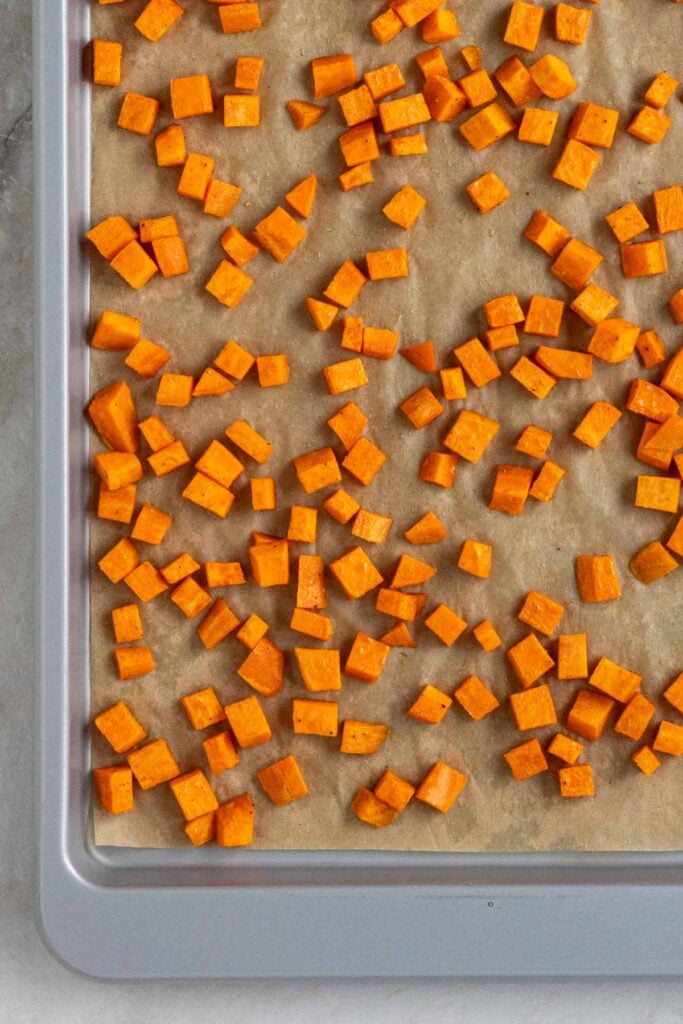
Print Recipe
Pin Recipe

Ingredients

  • 1/4 cup labneh, or plain Greek yogurt
  • 2 eggs
  • 1 tablespoon olive oil
  • 1/2 red bell pepper, seeded and diced
  • 1/2 cup cherry tomatoes, halved
  • 1 clove garlic, minced
  • 1/4 teaspoon red pepper flakes
  • 2 tablespoons feta cheese, crumbled
  • 1/4 cup mixed fresh herbs, such as parsley, mint, or fill
  • 1/2 teaspoon za’atar seasoning
  • 1 pita bread, cut into triangles

Instructions

  1. Bring a small pot of water to a boil then, using a spoon, gently add your egg to the pot and boil for 6-7 minutes. Once cooked, remove the egg from the pot and transfer it to a bowl with cold water until cool enough to handle, and then peel the eggs.
  2. In a small pan, warm the olive oil, then add the diced bell pepper and tomatoes and cook for 4-5 minutes, gently breaking them up with a wooden spoon or spatula, until the vegetables begin to soften.
  3. Add the minced garlic and red pepper flakes to the pan, stir to combine, and cook for an additional 2-3 minutes, then remove from the heat.
  4. In a shallow serving bowl, dollop the labneh or yogurt into the bowl and then, using the back of a spoon, spread it across 1/3 of the bowl.
  5. Top the labneh with the tomato mixture, soft-boiled eggs, and sprinkle with feta cheese, fresh herbs, za’atar seasoning, and serve with a side of warm pita bread.

Notes

To Use Garlic Powder: Swap the garlic clove for 1/2 teaspoon of garlic powder.

To Use Cayenne Pepper: Swap the red pepper flakes for 1/8 teaspoon of cayenne pepper.

Nutrition

  • Serving Size: 1 bowl
  • Calories: 534 calories
  • Sugar: 8 grams
  • Fat: 37 grams
  • Carbohydrates: 28 grams
  • Fiber: 4 grams
  • Protein: 28 grams

Did you make this recipe?

Share a photo and tag us — we can’t wait to see what you’ve made!

12 Most Hyper-Palatable Foods

Published on October 1, 2024 by Stephanie Kay

The food industry is known for making food combinations that are so delicious they are hard to resist, but which foods are the most addictive? Here is a list of the most hyper-palatable foods.

Cheeseburger with French fries on a plate with a side of ketchup and a glass of soda with ice and a straw.

Table of contents

  • What is Hyper-Palatable Food?
  • Are Hyper-Palatable Foods Addictive?
  • Hyper-Palatable Foods List
  • 1. Pizza
  • 2. Chocolate
  • 3. Chips
  • 4. Cookies
  • 5. Ice Cream
  • 6. French Fries
  • 7. Cheeseburgers
  • 8. Soda
  • 9. Cake
  • 10. Cheese
  • 11. Bacon
  • 12. Fried Chicken
  • Nutrition of Most Hyper-Palatable Foods
  • Should you avoid hyper-palatable foods?
  • Are hyper-palatable foods weight loss friendly?

What is Hyper-Palatable Food?

Hyper-palatable foods are generally considered foods that are rewarding and pleasurable to eat due to their specific combinations of fat, sugar, sodium, and carbohydrates and, therefore, easy to overconsume.

While there is no official scientific definition, the term hyper-palatable foods (HPF) has been commonly used to describe foods manufactured from well-designed formulas to increase the palatability and consumption level of food products due to their activation of the brain’s reward systems.

In 2019, a team of researchers set out to develop a quantitative definition of hyper-palatable foods and found that these foods fell into one of three clusters (1):

  • Foods containing fat and sodium (> 25% kcal from fat, ≥ 0.30% sodium by weight),
  • Foods containing fat and simple sugars (> 20% kcal from fat, > 20% kcal from sugar),
  • Foods containing carbohydrates and sodium (> 40% kcal from carbohydrates, ≥ 0.20% sodium by weight).

The fat and sodium-containing foods included processed meats (e.g. bacon and hot dogs) and meal-based items with fat and carbohydrates (e.g. pizza); the fat and sugar-containing foods included desserts (e.g. cake, ice cream, brownies); and the carbohydrates and sodium-containing foods included bread snacks (e.g. crackers, pretzels) and savory items (e.g. popcorn, biscuits).

This study also found that an estimated 62% of foods in the US food system are considered hyper-palatable, and included foods not designed to be hyper-palatable food and foods marketed as “healthy” or “low fat” options such as trail mixes and sauces (1).

Are Hyper-Palatable Foods Addictive?

Hyper-palatable foods are often said to have “addictive” qualities because they are so appealing, tempting, and artificially rewarding to eat.

The concept of food addiction (FA) was first introduced in 1956, however, it is not formally recognized as a psychological disorder and is a contentious topic with continuous debates about its validity. Some experts argue that food addiction should be classified as a substance use disorder, while others argue it aligns more with behavioral addictions, and skeptics argue it shouldn’t be recognized as a mental health disorder at all (2).

While the debate around food addiction is ongoing, a cross-sectional study was run to determine which aspects of food contribute to its addictive potential (3). Using the Yale Food Addiction Scale (YFAS) as a reference, participants were asked to rate foods for their addictive potential. The study found that processed foods, higher in fat and glycemic load, were most frequently associated with problematic, addictive-like eating behaviors. Moreover, higher scores were also small-to-moderate predictors of greater difficulty in controlling the calorie intake of these kinds of foods.

Infographic of most hyper-palatable foods: pizza, chocolate, chips, cookies, ice cream, French fries, cheeseburger, soda, cake, cheese, bacon, and fried chicken.

Hyper-Palatable Foods List

Here is a list of the most hyper-palatable foods according to the Yale Food Addiction Scale (YFAS) based on a ranking of 1 (not at all addictive) to 7 (extremely addictive) (3).

1. Pizza

Pizza is one of the most popular foods in the world and it turns out it is one of the most hyper-palatable foods too. The combination of starchy crust, sweet sauce, melted cheese, and salty pepperoni makes pizza the perfect balance of carbohydrates, fat, and sodium to give it addictive properties and make it so hard to resist that extra slice. A 1-slice (107-gram) serving of cheese pizza contains 285 calories, 12.2 grams of protein, 10.4 grams of fat, 35.6 grams of carbohydrate, and 3.8 grams of sugar (4).

Addictiveness Score: 4.01

2. Chocolate

While certain forms of chocolate are considered health foods, particularly dark chocolates with high cacao content, milk chocolate and chocolate candies are particularly high in fat and sugar, which makes them very easy to overconsume. A 1-ounce serving of milk chocolate contains 151 calories, 2.2 grams of protein, 8.4 grams of fat, 16.8 grams of carbohydrate, and 14.6 grams of sugar (5).

Addictiveness Score: 3.73

3. Chips

Not only are chips a highly desirable combination of carbohydrates, fat, and salt, but their crunch factor makes them extra enjoyable. A 1-ounce (22 chips) serving of plain, salted potato chips contains 149 calories, 1.8 grams of protein, 9.5 grams of fat, 15.1 grams of carbohydrate, and 0.9 grams of sugar (6).

Addictiveness Score: 3.73

4. Cookies

While the nutrition content of cookies will vary based on the type of cookie and from one recipe to the next, cookies are the ultimate combination of high-fat and high-sugar content. Moreover, their delicious scent and desirable texture enhance the experience while eating them. A 1 medium chocolate chip cookie (33 grams) contains 149 calories, 1.3 grams of protein, 7.0 grams of fat, 20.1 grams of carbohydrate, and 12.5 grams of sugar (7).

Addictiveness Score: 3.71

5. Ice Cream

The combination of cold, creamy, sugar, and fat in ice cream makes it a hard-to-resist treat, especially on warm summer days. Another addictive property of ice cream is “melt control”; an additional sensory property that enhances enjoyment as the eater wants to consume the ice cream both “not too fast” and “not too slow”. A 1/2 cup (66-gram) serving of vanilla ice cream contains 137 calories, 2.3 grams of protein, 7.3 grams of fat, 15.6 grams of carbohydrate, and 14.0 grams of sugar (8).

Addictiveness Score: 3.68

6. French Fries

Much like chips, French fries provide a desirable combination of carbohydrates, fat, and salt, along with enhanced palatability from temperature and texture. French fries also become increasingly palatable when paired with sweet or fatty sauces like ketchup or mayonnaise. A small (71-gram) serving of French fries contains 222 calories, 2.4 grams of protein, 10.4 grams of fat, 29.4 grams of carbohydrate, and 0.2 grams of sugar (9).

Addictiveness Score: 3.60

7. Cheeseburgers

Between the soft bun, salty burger, and creamy cheese, cheeseburgers combine refined carbohydrates, fat, and salt to make them a highly palatable food. Plus, the crispy exterior and juicy interior of a burger patty make them texturally appealing and very easy to “smash”. A single patty cheeseburger contains 280 calories, 15.0 grams of protein, 13.4 grams of fat, 25.5 grams of carbohydrate, and 4.4 grams of sugar (10).

Addictiveness Score: 3.51

8. Soda

Traditional soda, not diet soda or sugar-free soft drinks, is one of the highest added sugar and most hyper-palatable foods. Soft drinks contain more sugar than most other beverages and other sugary foods, and this is highly effective at stimulating the pleasure centers of the brain. A small (16-ounce) cola contains 207 calories, 0 grams of protein, 1.2 grams of fat, 51.2 grams of carbohydrate, and 48.9 grams of sugar (11).

Addictiveness Score: 3.29

9. Cake

From chocolate to carrot to red velvet, cake combines sugar, fat, and moisture for the ultimate flavor and mouthfeel. It also contains excessive amounts of refined carbohydrates and added sugars, which have been shown to release dopamine; the body’s feel-good neurotransmitter (12, 13). A 1-slice (64 grams) serving of chocolate cake with frosting contains 249 calories, 2.3 grams of protein, 12.8 grams of fat, 33.8 grams of carbohydrate, and 25.6 grams of sugar (14).

Addictiveness Score: 3.26

10. Cheese

While certain cheeses are high in protein, cheese is one of the most-calorie-dense foods, which makes it one of the most hyper-palatable foods as well. The natural fat and sodium content of cheese makes it highly palatable and it’s no surprise it’s hard to step away from a cheeseboard and no coincidence it’s part of other hyper-palatable foods such as pizza and cheeseburgers. A 1-ounce serving of cheddar cheese contains 114 calories, 6.5 grams of protein, 9.4 grams of fat, 1.0 grams of carbohydrate, and 0.1 grams of sugar (15).

Addictiveness Score: 3.22

11. Bacon

Not only does bacon have a unique combination of fat, sugar, salt, and smoke that makes it highly palatable, but the nitrogen compounds in bacon give it its distinct and delicious scent (16). Bacon is a highly versatile food that gives everything from breakfast to pasta and sandwiches are more enjoyable taste. A 2-slice serving of bacon contains 63.2 calories, 5.2 grams of protein, 4.6 grams of fat, 0.3 grams of carbohydrate, and 0.4 grams of sugar (17).

Addictiveness Score: 3.03

12. Fried Chicken

Fried chicken is a dish consisting of chicken pieces that have been coated with seasoned flour batter and deep-fried. The high fat and salt content of fried chicken, along with its crispy and crunchy texture, makes it one of the most palatable foods. Plus, much like French fries, eating fried chicken with a dipping sauce such as BBQ, ranch, or sweet-n-sour makes it even more palatable. A 1-piece (78 grams) serving of fried chicken contains 192 calories, 23.7 grams of protein, 9.4 grams of fat, 1.4 grams of carbohydrate, and 0 grams of sugar (18).

Addictiveness Score: 2.97

In addition to the top 12 most addictive foods, according to the study, other hyper-palatable foods included plain rolls, buttered popcorn, breakfast cereal, gummy candy, steak, and muffins.

Nutrition of Most Hyper-Palatable Foods

Here is a ranking and nutrition comparison of the glycemic load, fat, and sodium content of the most hyper-palatable foods (3).

FoodsRatingGlycemic LoadFat Sodium
Pizza4.012210 g551 mg
Chocolate3.731413 g35 mg
Chips3.731210 g160 mg
Cookies3.7174 g63 mg
Ice Cream3.681415 g98 mg
French Fries3.602118 g266 mg
Cheeseburger3.511728 g885 mg
Soda (Not Diet)3.29160 g15 mg
Cake3.262410 g260 mg
Cheese3.2209 g174 mg
Bacon3.03012 g647 mg
Fried Chicken2.97726 g441 mg
Rolls (Plain)2.73151 g450 mg
Popcorn (Buttered)2.642630 g771 mg
Breakfast Cereal2.59226 g270 mg
Gummy Candy2.57220 g15 mg
Steak2.54024 g38 mg
Muffin2.502919 g380 mg
Nuts2.47313 g179 mg
Eggs2.1807 g94 mg

Should you avoid hyper-palatable foods?

While it is important to be mindful of your consumption of hyper-palatable foods, they don’t need to be avoided completely and they can be included in a healthy diet in moderation.

Overall, it is best to prioritize healthy whole foods such as fresh fruits, vegetables, whole grains, nuts, seeds, beans, lentils, meat, poultry, seafood, and dairy products, and include ultra-processed foods and hyper-palatable foods in limited quantities.

Should one consume hyperpalatable foods, one should practice the principles of intuitive eating to help foster a healthy relationship with these foods and create healthier coping mechanisms if emotional eating is a concern.

Are hyper-palatable foods weight loss friendly?

Although hyper-palatable foods can be difficult to stop eating, they can support a weight loss goal if the individual can maintain a calorie deficit. In fact, research has consistently shown that any dietary strategy that restricts calories is effective for weight loss when adhered to and that a flexible dieting approach has greater long-term success (19, 20).

That said, because hyper-palatable foods are some of the most calorie-dense foods or energy-dense foods, and are often referred to as empty calories, it is important to practice portion control to ensure that you remain in a calorie deficit while enjoying them.

Understanding what foods are most filling and what foods are most hyper-palatable can help improve mindful eating practices which is highly beneficial for weight management.

The Bottom Line

Hyper-palatable foods are foods that are rewarding and pleasurable to eat due to their specific combinations of fat, sugar, sodium, and carbohydrates. Often referred to as junk food, hyper-palatable foods are overwhelmingly present in the US food supply, and areas studies in food addiction research show that pizza, chocolate, chips, cookies, ice cream, French fries, cheeseburgers, soda, cake, cheese, bacon and fried chicken have been shown to be some of the most addictive foods. While hyperpalatable foods can be included in a healthy diet, regardless of health goals, it is best to prioritize healthy foods and consume ultra-processed foods in moderation.

Chicken Pasta Meal Prep Bowls

Published on September 29, 2024 by Stephanie Kay

Whip up these chicken pasta meal prep bowls for a week of healthy meals! With over 40 grams of protein and 7 grams of fiber, these bowls are perfect for filling lunches and dinners.

Glass meal prep containers filled with a chicken pasta meal prep recipe with parmesan cheese and parsley on top.

If you’re bored of the same old chicken and rice meal prep, these chicken pasta meal prep bowls are for you. The combination of chicken breasts, pasta, and parmesan cheese ensures that this pasta recipe is protein-packed while the pasta and veggies ensure they are loaded with fiber too.

While I designed the bowls as a meal prep idea for healthy lunches, they also make a great family dinner idea for busy weeknights. Not to mention, they are super versatile and you can mix and match the veggies and cheese to use whatever you have in the fridge.

Four chicken meal prep chicken pasta bowls with a with a fork, tea towel, parmesan cheese, and parsley.

Why You’ll Love Them

  • Quick and Easy – Ready in 30 minutes, this meal prep chicken pasta is perfect for a simple meal.
  • High-Protein – These chicken pasta meal prep bowls contain over 40 grams of protein per serving.
  • Keep Well – These meal prep bowls keep well in the fridge and freezer and reheat well in the microwave.
Ingredients for meal prep chicken pasta: penne pasta, chicken breasts, onion, garli, sundried tomatoes, spinach, milk, parmesan cheese, olive oil, oregano, salt, and pepper.

Ingredients + Substitutions

  • Pasta – To add some complex carbohydrates and fiber. I used regular pasta, but you can use whole wheat pasta if preferred or gluten-free pasta if needed.
  • Chicken – To add some protein. I used chicken breast meat but skinless, boneless chicken thighs will also work, or you use leftover or rotisserie chicken, see the notes section of the recipe card for details.
  • Sundried Tomatoes – To flavor the pasta. You can use dry-packed or oil-packed sundried tomatoes.
  • Spinach – To add some leafy greens and fiber. I used fresh spinach but you can use frozen spinach if preferred, see the notes section of the recipe card for details.
  • Broccoli – To add some more fiber and micronutrients. I used fresh broccoli but you can use frozen broccoli if preferred, see the notes section of the recipe card for details.
  • Onion and Garlic – To add flavor and fragrance.
  • Oregano – To season the chicken pasta. I used dried oregano but you can use fresh if preferred, basil would also work well.
  • Milk – To make the sauce. I used 2% milk, but any type of milk or heavy cream.
  • Parmesan Cheese – To add some more protein and healthy fats. I recommend freshly grated parmesan cheese, but pecorino and mozzarella cheese would also work well.
  • Olive Oil – To add some healthy fat and cook the chicken, but butter would also work.
  • Salt and Pepper – To season.

Dietary Adaptions

To Make it Gluten-Free: Use certified gluten-free pasta.

To Make it Dairy-Free: Swap the parmesan cheese for nutritional yeast and the milk for plain almond milk.

Pan with cooked bite-sized pieces of chicken.
Pan with sautéed onion, garlic, oregano, sundried tomatoes, and spinach.

Red’s Nutrition Tip

While pasta is often demonized as an “unhealthy” choice, it’s actually a great source of complex carbohydrates and fiber. In fact, wheat is the highest protein grain, so using wheat pasta in a recipe is a great way to add carbs and protein and the same time.

Serving Suggestions

This chicken pasta is a balanced meal complete with protein, carbohydrates, fiber, and healthy fats. However, it’s easily adaptable to suit your personal dietary needs.

  • To make it higher protein, add an extra 1/2 pound of chicken breast to the recipe.
  • To add more fiber, swap the regular pasta for whole grain pasta and/or add 2 more cups of broccoli.
  • To make it lower in fat, use half the amount of olive oil and use skim milk.
  • To make it lower carb, swap the regular pasta for zucchini noodles or low-carb pasta.
Four creamy chicken pasta in meal prep bowls.

Storage + Reheating

To Refrigerate: Allow the pasta to cool completely, then transfer it to an airtight container and store it in the fridge for up to 5 days.

To Freeze: Once cooled, transfer the pasta to an airtight container and store it in the freezer for up to 3 months.

To Reheat: Allow the pasta to thaw completely before reheating. To reheat the pasta on the stovetop, transfer the pasta to a pan on medium heat with 1-2 tablespoons of water, stirring gently, until the water has been absorbed and the pasta is warmed through. To reheat the pasta in the microwave, place the pasta in a microwave-safe container with 1-2 tablespoons of water and reheat for 2-3 minutes, stirring every minute or so, until the water has been absorbed and the pasta is warmed through.

Close up of meal prep chicken pasta with a fork and tea towel.

More Chicken Pasta Recipes:

  • Chicken and Vegetable Pasta
  • Pesto Chicken Pasta
  • Greek Chicken Pasta
  • Chicken Mushroom Orzo
Print
Glass meal prep containers filled with a chicken pasta meal prep recipe with parmesan cheese and parsley on top.

Chicken Pasta Meal Prep Bowls

Author: Stephanie Kay

Ready in 30 minutes, these chicken pasta bowls are an easy meal prep idea perfect for work lunches and weeknight dinners. Plus, they are a filling meal packed full of protein, healthy fats, and fiber.

  • Author: Stephanie Kay
  • Prep Time: 10 minutes
  • Cook Time: 15 minutes
  • Total Time: 25 minutes
  • Yield: 4 servings 1x
  • Category: Meal Prep
  • Method: Stovetop
Print Recipe
Pin Recipe

Ingredients

  • 12 ounces penne, or other short-cut pasta
  • 1 pound chicken breasts
  • 2 tablespoons olive oil
  • 1 onion, diced
  • 4 cloves garlic, minced
  • 1/2 teaspoon dried oregano
  • 1/4 teaspoon salt
  • 1/8 teaspoon black pepper
  • 1/2 cup sundried tomatoes, thinly sliced
  • 2 cups broccoli florets
  • 2 cups spinach, roughly chopped
  • 1/4 cup milk
  • 1/4 cup grated parmesan cheese

Instructions

  1. Bring a large pot of well-salted water to a boil, add the pasta, and cook to al dente or as per package instructions. While the pasta is cooking, scoop out 1/2 cup of pasta water and set it aside. Once the pasta is cooked, drain the water, and set it aside.
  2. Place the chicken breasts on a cutting board, cut them into bite-sized pieces, then season with salt and pepper.
  3. In a large pan on medium-high heat, warm the olive oil, then add the chicken pieces, and cook for 4-5 minutes until cooked through. Remove from the pan, transfer to a plate, and set aside.
  4. In the same pan, add the onion and cook for 2-3 minutes until slightly tender, then add the broccoli florets and cook for an additional 3-4 minutes until broccoli is bright green and slightly tender.
  5. Add the minced garlic, oregano, salt, and pepper, stir to combine, and cook for an additional minute until fragrant.
  6. Add the sliced sundried tomatoes and spinach to the pan, and cook for another 1-2 minutes until the spinach is wilted.
  7. Reduce the heat to low, return the chicken to the pan, and stir to coat with the vegetable mixture.
  8. Add the cooked pasta to the pan, and stir to combine the chicken, veggies, and pasta until well incorporated. (If your pan is too small, transfer the chicken and vegetable mixture and pasta into the pot used to cook the pasta and finish the dish there instead.)
  9. Add the milk and parmesan cheese, and stir to combine with the chicken pasta, adding small splashes of warm pasta water (only as needed, you don’t need to use all of it) to help melt the cheese and create a smooth texture. Taste and adjust seasoning as needed.
  10. Transfer the chicken pasta to meal prep containers, dividing it evenly across 4 airtight meal prep containers, and then allow it to cool completely. Once cool, cover with a lid and store in the fridge for up to 5 days or in the freezer for up to 3 months.

Notes

To Use Leftover or Rotisserie Chicken: Swap the raw chicken breast for 4 cups of cooked leftover or shredded rotisserie chicken. Skip step #2-3 and add the chicken as per instructions in step #7.

To Use Garlic Powder: Swap the garlic cloves for 2 teaspoons of garlic powder in step #5.

To Use Fresh Oregano: Swap the dried oregano for 1 tablespoon of fresh oregano in step #5.

To Use Frozen Spinach: Thaw 1/2 cup of frozen spinach, press out as much water as possible, and add it to the recipe as per step #6 to warm it and remove any excess water.

To Use Frozen Broccoli: Use 2 cups of frozen broccoli florets and increase the cooking time by 1-2 minutes in step #4 or until the broccoli is thawed and warmed through.

Nutrition

  • Serving Size: 1 bowl
  • Calories: 608 calories
  • Sugar: 10 grams
  • Fat: 13 grams
  • Carbohydrates: 79 grams
  • Fiber: 7 grams
  • Protein: 43 grams

Did you make this recipe?

Share a photo and tag us — we can’t wait to see what you’ve made!

  • Previous
  • 1
  • …
  • 9
  • 10
  • 11
  • 12
  • 13
  • …
  • 58
  • Next

Recipes

  • Dinner
  • Breakfast
  • Meal Prep
  • Snacks

Nutrition

  • FAQs
  • Tips
  • This vs. That
  • Weight Loss

Connect

  • Instagram
  • Youtube
  • About
  • Cookbooks

About Stephanie

I’m a nutritionist on a mission to change the way you look at food and teach you how to make real food work for real life in a realistic way.

Learn More

Site Credits
2023 © Stephanie Kay Nutrition | Privacy Policy
To Top